17 stories credited to Loonie Politics
Latest story Apr 17, 2026 · on ChamberLight since Apr 2026
A story can appear as several articles (copies of the same piece), so counts of stories and of articles differ.
Scores for Loonie Politics
Political lean
15 stories · 95% range 46–51 · updated Sep 24, 2026
Originality
15 of those 17 carry an unconfirmed copying flag, which is not evidence either way.
17 stories · updated Sep 24, 2026
Writing quality 93 of 100: the average rating of 15 stories, each rated on its own (separate from credibility). How it is measured
Scores last checked Sep 24, 2026.
Stories ChamberLight collected, by month
Stories credited to Loonie Politics, by publication date. ChamberLight collects articles that mention the officials it tracks, so this shows its own coverage of this source, not how much the source publishes.
- Stories from Loonie Politics
- Shaded: ChamberLight collected no stories, or almost none, from any outlet (a gap in its collection, not in the outlet’s publishing)
Show as a table
| Month | Stories | All outlets |
|---|---|---|
| March 2026 | 1 | 296 |
| April 2026 | 16 | 4,537 |
| May 2026 | 0 | none collected |
| June 2026 | 0 | none collected |
| July 2026 | 0 | none collected |
| August 2026 | 0 | 1 (collection gap) |
| September 2026 | 0 | 598 |
Top topics
Share of this source’s stories tagged with each topic. A story can carry several topics, so the shares do not add up to 100%.
- Budget/Spending10
59% of 17 stories · 33% across all outlets
- Ethics/Corruption10
59% of 17 stories · 62% across all outlets
- Voting Rights6
35% of 17 stories · 20% across all outlets
- Economy5
29% of 17 stories · 26% across all outlets
- Foreign Policy4
24% of 17 stories · 30% across all outlets
- Infrastructure4
24% of 17 stories · 8% across all outlets
- Criminal Justice3
18% of 17 stories · 20% across all outlets
- Defense/Military3
18% of 17 stories · 26% across all outlets
The thin mark on each bar is the topic’s share across all outlets.
Who they cover
Party of the officials these stories are mainly about, across all 32 officials named. A story counts once for each official it is mainly about, so the split is over 37 story–official pairs, from 17 stories.
- Republican46% · 17 pairs
- Democrat41% · 15 pairs
- Party not recorded11% · 4 pairs
- Independent3% · 1 pair
Most covered
Stories mainly about each official, and their share of the source’s 17 stories.
- 1Donald TrumpR4 stories · 24%
- 2Eric SwalwellD3 stories · 18%
- 3Analilia Mejia–1 story · 6%
- 4Bernard SandersI1 story · 6%
- 5Charles SchumerD1 story · 6%
- 6Dave MinD1 story · 6%
- 7Debbie DingellD1 story · 6%
- 8Elijah CraneR1 story · 6%
- 9Elizabeth WarrenD1 story · 6%
- 10Eric BurlisonR1 story · 6%
+ 22 other officials (22 story–official pairs)
Article tone
ChamberLight’s article analysis assigns each story a tone toward the official it covers. It describes the coverage of that official, not Loonie Politics’s stance, and reader votes do not change it. 17 stories.
- Good Look
- 4 (24%)
- Mixed
- 11 (65%)
- Informational
- 1 (6%)
- Bad Look
- 1 (6%)
Related sources
Lean 95% range 46–50 · updated Sep 24, 2026
Similar lean · 3 shared topics
Lean 95% range 46–50 · updated Sep 24, 2026
Similar lean · 2 shared topics
Lean 95% range 46–51 · updated Sep 24, 2026
Similar lean · 3 shared topics
Lean 95% range 45–52 · updated Sep 24, 2026
Similar lean · 3 shared topics
Lean 95% range 45–50 · updated Sep 24, 2026
Similar lean · 3 shared topics
Lean 95% range 45–53 · updated Sep 24, 2026
Similar lean · 3 shared topics
Challenges to these scores
No one has challenged a score on this page yet. Anyone can; editors publish every outcome here.
Articles served from looniepolitics.com
37
Trump draws Marie Antoinette comparisons as he leans into the gilded trappings of the presidency
WASHINGTON (AP) — President Donald Trump had something urgent to address while flying back to Washington from his luxury Mar-a-Lago estate on a recent Sunday. It wasn’t the Iran war, nor the still-going partial government shutdown over Department of Homeland Security funding. He wanted to talk about a monumental issue of a different kind, hoisting up large artist renderings of the $400 million White House ballroom he’s building, complete with hand-carved “top-of-the-line” Corinthian columns. “I’m so busy that I don’t have time to do this. I’m fighting wars and other things,” Trump said before extensively detailing plans for “the greatest ballroom anywhere in the world.” His divided attention has become a Democratic point of attack and a concern for some Republicans who worry he’s not spending enough time on issues that voters care most about ahead of November’s midterm races. The contrast was on full display Thursday, when, as Trump flew to Las Vegas to discuss tax cuts for Americans earning tips, his administration was pushing ahead with plans to build a 250-foot Triumphal Arch near the Lincoln Memorial replete with a Lady Liberty-like statue and a pair of golden eagles. The president’s ability to speak to the concerns of working people has always seemed incongruous with his biography as a billionaire real estate developer. Yet his populist policies and emphasis on the economy during his 2024 campaign helped catapult him back to the White House. Republican strategist Rick Tyler noted that, when Trump first ran for president in 2016, his wealth was a selling point. “While other people, like Mitt Romney, played down how rich he was, Trump was giving free helicopter rides at the Iowa State Fair,” Tyler said. “People loved it.” Still, Trump’s preoccupation with some of the gilded trappings of the presidency, as more Americans worry about bills, has drawn accusations that he’s a modern-day Marie Antoinette. “‘Fighting wars’ and surging gas prices, yet Trump has time to brag about his billionaire backed ballroom,” Sen. Andy Kim, a New Jersey Democrat, responded on X to Trump’s Air Force One presentation. Democratic California Gov. Gavin Newsom, a potential 2028 presidential hopeful, has been more direct in comparing Trump to the last queen before the French Revolution, who has come to embody extravagant opulence — even posting an AI-generated image of Trump’s face on her body on social media. “TRUMP ‘MARIE ANTOINETTE’ SAYS, ‘NO HEALTH CARE FOR YOU PEASANTS, BUT A BALLROOM FOR THE QUEEN!’ Newsom wrote in October 2025, at the start of a 43-day government shutdown. White House says Trump’s success benefits all Americans Asked about opponents invoking Marie Antoinette, White House spokesman Davis Ingle said Trump “is going to go down in history as the most successful and consequential president in our lifetime.” “His successes on behalf of the American people will be imprinted upon the fabric of America and will be felt by every other White House that comes after him,” Ingle said in a statement. The president faced similar critiques during his first term. But lately he’s been unabashed about accusations he’s disconnected from Americans’ worries about high costs, which could leave Republicans with an uphill battle to retain control of Congress. About two-thirds of Americans said Trump is “out of touch” with the concerns of most people in the United States today, according to an ABC News/Washington Post/Ipsos poll from February, though the same percentage said the same about the Democratic Party. Presidents are usually removed from voters, separated by layers of security and surrounded by adoring subordinates. In her book “Why Presidents Fail And How They Can Succeed Again,” Elaine Kamarck argues that presidents get too focused on their own political narratives rather than the public’s concerns. Yet, when it comes to Trump, “All of this stuff is frankly unique to him.” She pointed to the ballroom as well as Trump’s other White House renovations, soon adding his signature to paper currency, and renaming the Kennedy Center after himself. “It’s a reflection, I think, of his own background as a businessman and somebody who made his fortune selling his name,” said Kamarck, who worked in Bill Clinton’s White House. While Trump focuses on the ballroom and other Washington projects, some public work projects in other parts of the country have languished. Joe Meyer, the former mayor of Covington, Kentucky, spent years pushing for critical improvements to the Brent Spence Bridge connecting his town with Cincinnati, a project listed as a top federal priority dating back to Trump’s first administration. Federal funds for improvements were approved under President Joe Biden but held up by a Trump-ordered review. Work is now finally set to begin later this year, though delays will likely limit design options and slow the project, Meyer said. “The ballroom is Washington inside-baseball,” Meyer said. “The bridge is just a wreck. It’s frustration that we’ve been dealing with forever.” A $100 tip and a golden tractor Trumpeting new tax deductions for tips, Trump staged ordering McDonald’s to the Oval Office — which he has crammed with gold flourishes — and tipped the grandmother making the delivery $100. When she described large medical bills from her husband’s cancer treatments, Trump said she should bring him to an upcoming UFC fight on the White House lawn. When hundreds of farmers were invited to the White House for an agricultural policy speech, they stood on the South Lawn beside a tractor that had been painted gold. It drizzled, but Trump stayed dry, addressing them from a covered second-floor balcony. “You don’t mind rain,” the president told the farmers below. He then flew to Miami for a conference of Saudi investors who, the president noted, were too rich to be impressed by U.S. families scrounging to save up $5,000. “I know they’re looking like, ‘What the hell is $5,000?’” Trump joked. “Their shoes cost them more than $5,000.” When asked in February, meanwhile, for his message to young people wanting to buy a home, Trump replied: “Save a little longer. Wait a little longer.” Members of the Cabinet have also fed the perception that Trump’s promised “ Golden Age ” may not be arriving for everyone. Health Secretary Robert Kennedy Jr. advised Americans to buy liver instead of beef. “If you go and buy a steak, it’s still pretty expensive. But if you buy the cheaper cuts, it’s great meat. And it is very, very affordable. Or liver, or, you know, all these alternatives,” he told podcast host Joe Rogan. Agriculture Secretary Brooke Rollins said people could still afford meals consisting of “a piece of chicken, a piece of broccoli, corn tortilla and one other thing.” The White House has sought to show that Trump is attuned to voter concerns by sending the president to politically competitive parts of the country to trumpet his efforts to lower costs. But Trump has stepped on the message by insisting that affordability concerns are a Democratic “hoax.” Texas-based Republican consultant Brendan Steinhauser said he thinks that Trump “can kind of get away with” building a ballroom because voters have come to expect that from him as a brash dealmaker and businessman. But Steinhauser said he worries that dramatic increases in gas prices and a potentially weakening economy could resonate with voters. Ahead of the midterms, Steinhauser said, Democrats could score points “trying to make it more about Trump and his oligarch friends.” ___ Associated Press writers Linley Sanders in Washington and Ali Swenson in New York contributed to this report. Michelle L. Price And Will Weissert, The Associated Press The post Trump draws Marie Antoinette comparisons as he leans into the gilded trappings of the presidency appeared first on Loonie Politics.

Lawmakers gathered quietly to talk about AI. Angst and fears of ‘destruction’ followed
WASHINGTON (AP) — A congressional subcommittee on Thursday held a roundtable discussion on the potential of artificial intelligence, which took a turn toward the existential as each lawmaker aired their anxieties about the rapidly evolving technology. Rep. James Walkinshaw, D-Va., expressed alarm that federal workers may be using AI chatbots to handle sensitive government data. Rep. William Timmons, R-S.C., asked whether it should be illegal for AI systems to use someone’s likeness to create pornographic images. Rep. John McGuire, R-Va., expressed concerns that AI systems could deny U.S. military forces from taking lethal actions due to a model’s conclusion for “moral” behavior. And Rep. Yassamin Ansari, D-Ariz., raised concerns about the Trump administration’s use of AI in the war with Iran, the technology’s intensive energy usage and its potential effects on the climate. While members of Congress elsewhere debated other major topics — the scope of the federal government’s surveillance powers, the war with Iran and funding the Department of Homeland Security — the House Oversight Committee’s subcommittee roundtable on “Artificial Intelligence and American Power” brought executives of AI firms, academics and those implementing AI at major companies together with lawmakers. Thursday’s discussion comes as leaders on Capitol Hill grapple with the dizzying pace of global developments in which technology plays a central role. But the conversation quickly considered the potential for artificial intelligence to dwarf every other challenge facing the country. “People in our districts across this country are going to start feeling impacts very soon, and if we don’t start thinking properly and aggressively and proactively about the challenges that AI creates, I fear that we’re going to have a revolution on our hands,” said Rep. Dave Min, D-Calif. The subcommittee’s ranking Democrat, Rep. Maxwell Frost of Florida, also expressed optimism about AI’s ability to cure diseases and boost the economy. But Frost, currently the youngest member of Congress, worried that the technology would outpace lawmakers and pose potentially disastrous consequences if not addressed early on. “I don’t have faith in this institution to actually put the common sense guardrails in place. And then we fast forward ten years, and the house is on fire,” said Frost. “That won’t be good for anybody, whether it’s the industry or working families and people, or this institution itself.” Rep. Eric Burlison, R-Mo., kicked off the meeting with praise for the industry and marveled at how one panelist’s company used AI to automate and fast-track manufacturing in the firm’s factories. “It’s truly like the closest thing to Star Trek I’ve ever seen,” Burlison said. He later inquired about what congressional districts should do to attract AI firms for business. Many also openly fretted about disclosures from technology firms like Anthropic, which recently announced that its Mythos AI model, which the company claims has capabilities so powerful that it is limiting its use to select customers because of its apparent ability to bypass traditional cybersecurity and hack major institutions like banks, government agencies and major corporations. “I recognize AI is not going anywhere,” said Rep. Eli Crane, R-Ariz., a former Navy SEAL who served in combat. “That being said, does anyone on this panel feel or believe, in any way, that as we are going down the road in this AI race, we might be simultaneously engineering our own destruction?” The assembled experts and industry leaders all highlighted AI’s vast and growing capabilities. They urged lawmakers, alongside their policy recommendations, to be thoughtful and well-informed when making policy. Mark Beall, president of government affairs at the AI Policy Network Inc. and a former Pentagon official, warned that Congress risked the country losing its competitive edge on AI if it did not act on key national security concerns. “I don’t think it’s going to kill us,” Robert Atkinson, founder of the Information Technology and Innovation Foundation, a technology think tank, told lawmakers. “At the same time, I do think it’s important for the federal government to seriously fund AI safety research,” Atkinson continued. “We need to know a lot more about how the models work.” Spencer Overton, a George Washington University law professor, said the incentives for AI companies “are really what they should be” when asked by lawmakers whether the firms were good actors. “Constituents are looking for you, not for companies, to step up and protect them,” Overton said. “They’re trusting you, the person that they voted for, to do that, as opposed to companies. That’s the way the system works, right?” Matt Brown, The Associated Press The post Lawmakers gathered quietly to talk about AI. Angst and fears of ‘destruction’ followed appeared first on Loonie Politics.
Lawmakers gathered quietly to talk about AI. Angst and fears of ‘destruction’ followed
WASHINGTON (AP) — A congressional subcommittee on Thursday held a roundtable discussion on the potential of artificial intelligence, which took a turn toward the existential as each lawmaker aired their anxieties about the rapidly evolving technology. Rep. James Walkinshaw, D-Va., expressed alarm that federal workers may be using AI chatbots to handle sensitive government data. Rep. William Timmons, R-S.C., asked whether it should be illegal for AI systems to use someone’s likeness to create pornographic images. Rep. John McGuire, R-Va., expressed concerns that AI systems could deny U.S. military forces from taking lethal actions due to a model’s conclusion for “moral” behavior. And Rep. Yassamin Ansari, D-Ariz., raised concerns about the Trump administration’s use of AI in the war with Iran, the technology’s intensive energy usage and its potential effects on the climate. While members of Congress elsewhere debated other major topics — the scope of the federal government’s surveillance powers, the war with Iran and funding the Department of Homeland Security — the House Oversight Committee’s subcommittee roundtable on “Artificial Intelligence and American Power” brought executives of AI firms, academics and those implementing AI at major companies together with lawmakers. Thursday’s discussion comes as leaders on Capitol Hill grapple with the dizzying pace of global developments in which technology plays a central role. But the conversation quickly considered the potential for artificial intelligence to dwarf every other challenge facing the country. “People in our districts across this country are going to start feeling impacts very soon, and if we don’t start thinking properly and aggressively and proactively about the challenges that AI creates, I fear that we’re going to have a revolution on our hands,” said Rep. Dave Min, D-Calif. The subcommittee’s ranking Democrat, Rep. Maxwell Frost of Florida, also expressed optimism about AI’s ability to cure diseases and boost the economy. But Frost, currently the youngest member of Congress, worried that the technology would outpace lawmakers and pose potentially disastrous consequences if not addressed early on. “I don’t have faith in this institution to actually put the common sense guardrails in place. And then we fast forward ten years, and the house is on fire,” said Frost. “That won’t be good for anybody, whether it’s the industry or working families and people, or this institution itself.” Rep. Eric Burlison, R-Mo., kicked off the meeting with praise for the industry and marveled at how one panelist’s company used AI to automate and fast-track manufacturing in the firm’s factories. “It’s truly like the closest thing to Star Trek I’ve ever seen,” Burlison said. He later inquired about what congressional districts should do to attract AI firms for business. Many also openly fretted about disclosures from technology firms like Anthropic, which recently announced that its Mythos AI model, which the company claims has capabilities so powerful that it is limiting its use to select customers because of its apparent ability to bypass traditional cybersecurity and hack major institutions like banks, government agencies and major corporations. “I recognize AI is not going anywhere,” said Rep. Eli Crane, R-Ariz., a former Navy SEAL who served in combat. “That being said, does anyone on this panel feel or believe, in any way, that as we are going down the road in this AI race, we might be simultaneously engineering our own destruction?” The assembled experts and industry leaders all highlighted AI’s vast and growing capabilities. They urged lawmakers, alongside their policy recommendations, to be thoughtful and well-informed when making policy. Mark Beall, president of government affairs at the AI Policy Network Inc. and a former Pentagon official, warned that Congress risked the country losing its competitive edge on AI if it did not act on key national security concerns. “I don’t think it’s going to kill us,” Robert Atkinson, founder of the Information Technology and Innovation Foundation, a technology think tank, told lawmakers. “At the same time, I do think it’s important for the federal government to seriously fund AI safety research,” Atkinson continued. “We need to know a lot more about how the models work.” Spencer Overton, a George Washington University law professor, said the incentives for AI companies “are really what they should be” when asked by lawmakers whether the firms were good actors. “Constituents are looking for you, not for companies, to step up and protect them,” Overton said. “They’re trusting you, the person that they voted for, to do that, as opposed to companies. That’s the way the system works, right?” Matt Brown, The Associated Press The post Lawmakers gathered quietly to talk about AI. Angst and fears of ‘destruction’ followed appeared first on Loonie Politics.
Lawmakers gathered quietly to talk about AI. Angst and fears of ‘destruction’ followed
WASHINGTON (AP) — A congressional subcommittee on Thursday held a roundtable discussion on the potential of artificial intelligence, which took a turn toward the existential as each lawmaker aired their anxieties about the rapidly evolving technology. Rep. James Walkinshaw, D-Va., expressed alarm that federal workers may be using AI chatbots to handle sensitive government data. Rep. William Timmons, R-S.C., asked whether it should be illegal for AI systems to use someone’s likeness to create pornographic images. Rep. John McGuire, R-Va., expressed concerns that AI systems could deny U.S. military forces from taking lethal actions due to a model’s conclusion for “moral” behavior. And Rep. Yassamin Ansari, D-Ariz., raised concerns about the Trump administration’s use of AI in the war with Iran, the technology’s intensive energy usage and its potential effects on the climate. While members of Congress elsewhere debated other major topics — the scope of the federal government’s surveillance powers, the war with Iran and funding the Department of Homeland Security — the House Oversight Committee’s subcommittee roundtable on “Artificial Intelligence and American Power” brought executives of AI firms, academics and those implementing AI at major companies together with lawmakers. Thursday’s discussion comes as leaders on Capitol Hill grapple with the dizzying pace of global developments in which technology plays a central role. But the conversation quickly considered the potential for artificial intelligence to dwarf every other challenge facing the country. “People in our districts across this country are going to start feeling impacts very soon, and if we don’t start thinking properly and aggressively and proactively about the challenges that AI creates, I fear that we’re going to have a revolution on our hands,” said Rep. Dave Min, D-Calif. The subcommittee’s ranking Democrat, Rep. Maxwell Frost of Florida, also expressed optimism about AI’s ability to cure diseases and boost the economy. But Frost, currently the youngest member of Congress, worried that the technology would outpace lawmakers and pose potentially disastrous consequences if not addressed early on. “I don’t have faith in this institution to actually put the common sense guardrails in place. And then we fast forward ten years, and the house is on fire,” said Frost. “That won’t be good for anybody, whether it’s the industry or working families and people, or this institution itself.” Rep. Eric Burlison, R-Mo., kicked off the meeting with praise for the industry and marveled at how one panelist’s company used AI to automate and fast-track manufacturing in the firm’s factories. “It’s truly like the closest thing to Star Trek I’ve ever seen,” Burlison said. He later inquired about what congressional districts should do to attract AI firms for business. Many also openly fretted about disclosures from technology firms like Anthropic, which recently announced that its Mythos AI model, which the company claims has capabilities so powerful that it is limiting its use to select customers because of its apparent ability to bypass traditional cybersecurity and hack major institutions like banks, government agencies and major corporations. “I recognize AI is not going anywhere,” said Rep. Eli Crane, R-Ariz., a former Navy SEAL who served in combat. “That being said, does anyone on this panel feel or believe, in any way, that as we are going down the road in this AI race, we might be simultaneously engineering our own destruction?” The assembled experts and industry leaders all highlighted AI’s vast and growing capabilities. They urged lawmakers, alongside their policy recommendations, to be thoughtful and well-informed when making policy. Mark Beall, president of government affairs at the AI Policy Network Inc. and a former Pentagon official, warned that Congress risked the country losing its competitive edge on AI if it did not act on key national security concerns. “I don’t think it’s going to kill us,” Robert Atkinson, founder of the Information Technology and Innovation Foundation, a technology think tank, told lawmakers. “At the same time, I do think it’s important for the federal government to seriously fund AI safety research,” Atkinson continued. “We need to know a lot more about how the models work.” Spencer Overton, a George Washington University law professor, said the incentives for AI companies “are really what they should be” when asked by lawmakers whether the firms were good actors. “Constituents are looking for you, not for companies, to step up and protect them,” Overton said. “They’re trusting you, the person that they voted for, to do that, as opposed to companies. That’s the way the system works, right?” Matt Brown, The Associated Press The post Lawmakers gathered quietly to talk about AI. Angst and fears of ‘destruction’ followed appeared first on Loonie Politics.
Lawmakers gathered quietly to talk about AI. Angst and fears of ‘destruction’ followed
WASHINGTON (AP) — A congressional subcommittee on Thursday held a roundtable discussion on the potential of artificial intelligence, which took a turn toward the existential as each lawmaker aired their anxieties about the rapidly evolving technology. Rep. James Walkinshaw, D-Va., expressed alarm that federal workers may be using AI chatbots to handle sensitive government data. Rep. William Timmons, R-S.C., asked whether it should be illegal for AI systems to use someone’s likeness to create pornographic images. Rep. John McGuire, R-Va., expressed concerns that AI systems could deny U.S. military forces from taking lethal actions due to a model’s conclusion for “moral” behavior. And Rep. Yassamin Ansari, D-Ariz., raised concerns about the Trump administration’s use of AI in the war with Iran, the technology’s intensive energy usage and its potential effects on the climate. While members of Congress elsewhere debated other major topics — the scope of the federal government’s surveillance powers, the war with Iran and funding the Department of Homeland Security — the House Oversight Committee’s subcommittee roundtable on “Artificial Intelligence and American Power” brought executives of AI firms, academics and those implementing AI at major companies together with lawmakers. Thursday’s discussion comes as leaders on Capitol Hill grapple with the dizzying pace of global developments in which technology plays a central role. But the conversation quickly considered the potential for artificial intelligence to dwarf every other challenge facing the country. “People in our districts across this country are going to start feeling impacts very soon, and if we don’t start thinking properly and aggressively and proactively about the challenges that AI creates, I fear that we’re going to have a revolution on our hands,” said Rep. Dave Min, D-Calif. The subcommittee’s ranking Democrat, Rep. Maxwell Frost of Florida, also expressed optimism about AI’s ability to cure diseases and boost the economy. But Frost, currently the youngest member of Congress, worried that the technology would outpace lawmakers and pose potentially disastrous consequences if not addressed early on. “I don’t have faith in this institution to actually put the common sense guardrails in place. And then we fast forward ten years, and the house is on fire,” said Frost. “That won’t be good for anybody, whether it’s the industry or working families and people, or this institution itself.” Rep. Eric Burlison, R-Mo., kicked off the meeting with praise for the industry and marveled at how one panelist’s company used AI to automate and fast-track manufacturing in the firm’s factories. “It’s truly like the closest thing to Star Trek I’ve ever seen,” Burlison said. He later inquired about what congressional districts should do to attract AI firms for business. Many also openly fretted about disclosures from technology firms like Anthropic, which recently announced that its Mythos AI model, which the company claims has capabilities so powerful that it is limiting its use to select customers because of its apparent ability to bypass traditional cybersecurity and hack major institutions like banks, government agencies and major corporations. “I recognize AI is not going anywhere,” said Rep. Eli Crane, R-Ariz., a former Navy SEAL who served in combat. “That being said, does anyone on this panel feel or believe, in any way, that as we are going down the road in this AI race, we might be simultaneously engineering our own destruction?” The assembled experts and industry leaders all highlighted AI’s vast and growing capabilities. They urged lawmakers, alongside their policy recommendations, to be thoughtful and well-informed when making policy. Mark Beall, president of government affairs at the AI Policy Network Inc. and a former Pentagon official, warned that Congress risked the country losing its competitive edge on AI if it did not act on key national security concerns. “I don’t think it’s going to kill us,” Robert Atkinson, founder of the Information Technology and Innovation Foundation, a technology think tank, told lawmakers. “At the same time, I do think it’s important for the federal government to seriously fund AI safety research,” Atkinson continued. “We need to know a lot more about how the models work.” Spencer Overton, a George Washington University law professor, said the incentives for AI companies “are really what they should be” when asked by lawmakers whether the firms were good actors. “Constituents are looking for you, not for companies, to step up and protect them,” Overton said. “They’re trusting you, the person that they voted for, to do that, as opposed to companies. That’s the way the system works, right?” Matt Brown, The Associated Press The post Lawmakers gathered quietly to talk about AI. Angst and fears of ‘destruction’ followed appeared first on Loonie Politics.
Lawmakers gathered quietly to talk about AI. Angst and fears of ‘destruction’ followed
WASHINGTON (AP) — A congressional subcommittee on Thursday held a roundtable discussion on the potential of artificial intelligence, which took a turn toward the existential as each lawmaker aired their anxieties about the rapidly evolving technology. Rep. James Walkinshaw, D-Va., expressed alarm that federal workers may be using AI chatbots to handle sensitive government data. Rep. William Timmons, R-S.C., asked whether it should be illegal for AI systems to use someone’s likeness to create pornographic images. Rep. John McGuire, R-Va., expressed concerns that AI systems could deny U.S. military forces from taking lethal actions due to a model’s conclusion for “moral” behavior. And Rep. Yassamin Ansari, D-Ariz., raised concerns about the Trump administration’s use of AI in the war with Iran, the technology’s intensive energy usage and its potential effects on the climate. While members of Congress elsewhere debated other major topics — the scope of the federal government’s surveillance powers, the war with Iran and funding the Department of Homeland Security — the House Oversight Committee’s subcommittee roundtable on “Artificial Intelligence and American Power” brought executives of AI firms, academics and those implementing AI at major companies together with lawmakers. Thursday’s discussion comes as leaders on Capitol Hill grapple with the dizzying pace of global developments in which technology plays a central role. But the conversation quickly considered the potential for artificial intelligence to dwarf every other challenge facing the country. “People in our districts across this country are going to start feeling impacts very soon, and if we don’t start thinking properly and aggressively and proactively about the challenges that AI creates, I fear that we’re going to have a revolution on our hands,” said Rep. Dave Min, D-Calif. The subcommittee’s ranking Democrat, Rep. Maxwell Frost of Florida, also expressed optimism about AI’s ability to cure diseases and boost the economy. But Frost, currently the youngest member of Congress, worried that the technology would outpace lawmakers and pose potentially disastrous consequences if not addressed early on. “I don’t have faith in this institution to actually put the common sense guardrails in place. And then we fast forward ten years, and the house is on fire,” said Frost. “That won’t be good for anybody, whether it’s the industry or working families and people, or this institution itself.” Rep. Eric Burlison, R-Mo., kicked off the meeting with praise for the industry and marveled at how one panelist’s company used AI to automate and fast-track manufacturing in the firm’s factories. “It’s truly like the closest thing to Star Trek I’ve ever seen,” Burlison said. He later inquired about what congressional districts should do to attract AI firms for business. Many also openly fretted about disclosures from technology firms like Anthropic, which recently announced that its Mythos AI model, which the company claims has capabilities so powerful that it is limiting its use to select customers because of its apparent ability to bypass traditional cybersecurity and hack major institutions like banks, government agencies and major corporations. “I recognize AI is not going anywhere,” said Rep. Eli Crane, R-Ariz., a former Navy SEAL who served in combat. “That being said, does anyone on this panel feel or believe, in any way, that as we are going down the road in this AI race, we might be simultaneously engineering our own destruction?” The assembled experts and industry leaders all highlighted AI’s vast and growing capabilities. They urged lawmakers, alongside their policy recommendations, to be thoughtful and well-informed when making policy. Mark Beall, president of government affairs at the AI Policy Network Inc. and a former Pentagon official, warned that Congress risked the country losing its competitive edge on AI if it did not act on key national security concerns. “I don’t think it’s going to kill us,” Robert Atkinson, founder of the Information Technology and Innovation Foundation, a technology think tank, told lawmakers. “At the same time, I do think it’s important for the federal government to seriously fund AI safety research,” Atkinson continued. “We need to know a lot more about how the models work.” Spencer Overton, a George Washington University law professor, said the incentives for AI companies “are really what they should be” when asked by lawmakers whether the firms were good actors. “Constituents are looking for you, not for companies, to step up and protect them,” Overton said. “They’re trusting you, the person that they voted for, to do that, as opposed to companies. That’s the way the system works, right?” Matt Brown, The Associated Press The post Lawmakers gathered quietly to talk about AI. Angst and fears of ‘destruction’ followed appeared first on Loonie Politics.
Lawmakers gathered quietly to talk about AI. Angst and fears of ‘destruction’ followed
WASHINGTON (AP) — A congressional subcommittee on Thursday held a roundtable discussion on the potential of artificial intelligence, which took a turn toward the existential as each lawmaker aired their anxieties about the rapidly evolving technology. Rep. James Walkinshaw, D-Va., expressed alarm that federal workers may be using AI chatbots to handle sensitive government data. Rep. William Timmons, R-S.C., asked whether it should be illegal for AI systems to use someone’s likeness to create pornographic images. Rep. John McGuire, R-Va., expressed concerns that AI systems could deny U.S. military forces from taking lethal actions due to a model’s conclusion for “moral” behavior. And Rep. Yassamin Ansari, D-Ariz., raised concerns about the Trump administration’s use of AI in the war with Iran, the technology’s intensive energy usage and its potential effects on the climate. While members of Congress elsewhere debated other major topics — the scope of the federal government’s surveillance powers, the war with Iran and funding the Department of Homeland Security — the House Oversight Committee’s subcommittee roundtable on “Artificial Intelligence and American Power” brought executives of AI firms, academics and those implementing AI at major companies together with lawmakers. Thursday’s discussion comes as leaders on Capitol Hill grapple with the dizzying pace of global developments in which technology plays a central role. But the conversation quickly considered the potential for artificial intelligence to dwarf every other challenge facing the country. “People in our districts across this country are going to start feeling impacts very soon, and if we don’t start thinking properly and aggressively and proactively about the challenges that AI creates, I fear that we’re going to have a revolution on our hands,” said Rep. Dave Min, D-Calif. The subcommittee’s ranking Democrat, Rep. Maxwell Frost of Florida, also expressed optimism about AI’s ability to cure diseases and boost the economy. But Frost, currently the youngest member of Congress, worried that the technology would outpace lawmakers and pose potentially disastrous consequences if not addressed early on. “I don’t have faith in this institution to actually put the common sense guardrails in place. And then we fast forward ten years, and the house is on fire,” said Frost. “That won’t be good for anybody, whether it’s the industry or working families and people, or this institution itself.” Rep. Eric Burlison, R-Mo., kicked off the meeting with praise for the industry and marveled at how one panelist’s company used AI to automate and fast-track manufacturing in the firm’s factories. “It’s truly like the closest thing to Star Trek I’ve ever seen,” Burlison said. He later inquired about what congressional districts should do to attract AI firms for business. Many also openly fretted about disclosures from technology firms like Anthropic, which recently announced that its Mythos AI model, which the company claims has capabilities so powerful that it is limiting its use to select customers because of its apparent ability to bypass traditional cybersecurity and hack major institutions like banks, government agencies and major corporations. “I recognize AI is not going anywhere,” said Rep. Eli Crane, R-Ariz., a former Navy SEAL who served in combat. “That being said, does anyone on this panel feel or believe, in any way, that as we are going down the road in this AI race, we might be simultaneously engineering our own destruction?” The assembled experts and industry leaders all highlighted AI’s vast and growing capabilities. They urged lawmakers, alongside their policy recommendations, to be thoughtful and well-informed when making policy. Mark Beall, president of government affairs at the AI Policy Network Inc. and a former Pentagon official, warned that Congress risked the country losing its competitive edge on AI if it did not act on key national security concerns. “I don’t think it’s going to kill us,” Robert Atkinson, founder of the Information Technology and Innovation Foundation, a technology think tank, told lawmakers. “At the same time, I do think it’s important for the federal government to seriously fund AI safety research,” Atkinson continued. “We need to know a lot more about how the models work.” Spencer Overton, a George Washington University law professor, said the incentives for AI companies “are really what they should be” when asked by lawmakers whether the firms were good actors. “Constituents are looking for you, not for companies, to step up and protect them,” Overton said. “They’re trusting you, the person that they voted for, to do that, as opposed to companies. That’s the way the system works, right?” Matt Brown, The Associated Press The post Lawmakers gathered quietly to talk about AI. Angst and fears of ‘destruction’ followed appeared first on Loonie Politics.
Lawmakers gathered quietly to talk about AI. Angst and fears of ‘destruction’ followed
WASHINGTON (AP) — A congressional subcommittee on Thursday held a roundtable discussion on the potential of artificial intelligence, which took a turn toward the existential as each lawmaker aired their anxieties about the rapidly evolving technology. Rep. James Walkinshaw, D-Va., expressed alarm that federal workers may be using AI chatbots to handle sensitive government data. Rep. William Timmons, R-S.C., asked whether it should be illegal for AI systems to use someone’s likeness to create pornographic images. Rep. John McGuire, R-Va., expressed concerns that AI systems could deny U.S. military forces from taking lethal actions due to a model’s conclusion for “moral” behavior. And Rep. Yassamin Ansari, D-Ariz., raised concerns about the Trump administration’s use of AI in the war with Iran, the technology’s intensive energy usage and its potential effects on the climate. While members of Congress elsewhere debated other major topics — the scope of the federal government’s surveillance powers, the war with Iran and funding the Department of Homeland Security — the House Oversight Committee’s subcommittee roundtable on “Artificial Intelligence and American Power” brought executives of AI firms, academics and those implementing AI at major companies together with lawmakers. Thursday’s discussion comes as leaders on Capitol Hill grapple with the dizzying pace of global developments in which technology plays a central role. But the conversation quickly considered the potential for artificial intelligence to dwarf every other challenge facing the country. “People in our districts across this country are going to start feeling impacts very soon, and if we don’t start thinking properly and aggressively and proactively about the challenges that AI creates, I fear that we’re going to have a revolution on our hands,” said Rep. Dave Min, D-Calif. The subcommittee’s ranking Democrat, Rep. Maxwell Frost of Florida, also expressed optimism about AI’s ability to cure diseases and boost the economy. But Frost, currently the youngest member of Congress, worried that the technology would outpace lawmakers and pose potentially disastrous consequences if not addressed early on. “I don’t have faith in this institution to actually put the common sense guardrails in place. And then we fast forward ten years, and the house is on fire,” said Frost. “That won’t be good for anybody, whether it’s the industry or working families and people, or this institution itself.” Rep. Eric Burlison, R-Mo., kicked off the meeting with praise for the industry and marveled at how one panelist’s company used AI to automate and fast-track manufacturing in the firm’s factories. “It’s truly like the closest thing to Star Trek I’ve ever seen,” Burlison said. He later inquired about what congressional districts should do to attract AI firms for business. Many also openly fretted about disclosures from technology firms like Anthropic, which recently announced that its Mythos AI model, which the company claims has capabilities so powerful that it is limiting its use to select customers because of its apparent ability to bypass traditional cybersecurity and hack major institutions like banks, government agencies and major corporations. “I recognize AI is not going anywhere,” said Rep. Eli Crane, R-Ariz., a former Navy SEAL who served in combat. “That being said, does anyone on this panel feel or believe, in any way, that as we are going down the road in this AI race, we might be simultaneously engineering our own destruction?” The assembled experts and industry leaders all highlighted AI’s vast and growing capabilities. They urged lawmakers, alongside their policy recommendations, to be thoughtful and well-informed when making policy. Mark Beall, president of government affairs at the AI Policy Network Inc. and a former Pentagon official, warned that Congress risked the country losing its competitive edge on AI if it did not act on key national security concerns. “I don’t think it’s going to kill us,” Robert Atkinson, founder of the Information Technology and Innovation Foundation, a technology think tank, told lawmakers. “At the same time, I do think it’s important for the federal government to seriously fund AI safety research,” Atkinson continued. “We need to know a lot more about how the models work.” Spencer Overton, a George Washington University law professor, said the incentives for AI companies “are really what they should be” when asked by lawmakers whether the firms were good actors. “Constituents are looking for you, not for companies, to step up and protect them,” Overton said. “They’re trusting you, the person that they voted for, to do that, as opposed to companies. That’s the way the system works, right?” Matt Brown, The Associated Press The post Lawmakers gathered quietly to talk about AI. Angst and fears of ‘destruction’ followed appeared first on Loonie Politics.
Lawmakers gathered quietly to talk about AI. Angst and fears of ‘destruction’ followed
WASHINGTON (AP) — A congressional subcommittee on Thursday held a roundtable discussion on the potential of artificial intelligence, which took a turn toward the existential as each lawmaker aired their anxieties about the rapidly evolving technology. Rep. James Walkinshaw, D-Va., expressed alarm that federal workers may be using AI chatbots to handle sensitive government data. Rep. William Timmons, R-S.C., asked whether it should be illegal for AI systems to use someone’s likeness to create pornographic images. Rep. John McGuire, R-Va., expressed concerns that AI systems could deny U.S. military forces from taking lethal actions due to a model’s conclusion for “moral” behavior. And Rep. Yassamin Ansari, D-Ariz., raised concerns about the Trump administration’s use of AI in the war with Iran, the technology’s intensive energy usage and its potential effects on the climate. While members of Congress elsewhere debated other major topics — the scope of the federal government’s surveillance powers, the war with Iran and funding the Department of Homeland Security — the House Oversight Committee’s subcommittee roundtable on “Artificial Intelligence and American Power” brought executives of AI firms, academics and those implementing AI at major companies together with lawmakers. Thursday’s discussion comes as leaders on Capitol Hill grapple with the dizzying pace of global developments in which technology plays a central role. But the conversation quickly considered the potential for artificial intelligence to dwarf every other challenge facing the country. “People in our districts across this country are going to start feeling impacts very soon, and if we don’t start thinking properly and aggressively and proactively about the challenges that AI creates, I fear that we’re going to have a revolution on our hands,” said Rep. Dave Min, D-Calif. The subcommittee’s ranking Democrat, Rep. Maxwell Frost of Florida, also expressed optimism about AI’s ability to cure diseases and boost the economy. But Frost, currently the youngest member of Congress, worried that the technology would outpace lawmakers and pose potentially disastrous consequences if not addressed early on. “I don’t have faith in this institution to actually put the common sense guardrails in place. And then we fast forward ten years, and the house is on fire,” said Frost. “That won’t be good for anybody, whether it’s the industry or working families and people, or this institution itself.” Rep. Eric Burlison, R-Mo., kicked off the meeting with praise for the industry and marveled at how one panelist’s company used AI to automate and fast-track manufacturing in the firm’s factories. “It’s truly like the closest thing to Star Trek I’ve ever seen,” Burlison said. He later inquired about what congressional districts should do to attract AI firms for business. Many also openly fretted about disclosures from technology firms like Anthropic, which recently announced that its Mythos AI model, which the company claims has capabilities so powerful that it is limiting its use to select customers because of its apparent ability to bypass traditional cybersecurity and hack major institutions like banks, government agencies and major corporations. “I recognize AI is not going anywhere,” said Rep. Eli Crane, R-Ariz., a former Navy SEAL who served in combat. “That being said, does anyone on this panel feel or believe, in any way, that as we are going down the road in this AI race, we might be simultaneously engineering our own destruction?” The assembled experts and industry leaders all highlighted AI’s vast and growing capabilities. They urged lawmakers, alongside their policy recommendations, to be thoughtful and well-informed when making policy. Mark Beall, president of government affairs at the AI Policy Network Inc. and a former Pentagon official, warned that Congress risked the country losing its competitive edge on AI if it did not act on key national security concerns. “I don’t think it’s going to kill us,” Robert Atkinson, founder of the Information Technology and Innovation Foundation, a technology think tank, told lawmakers. “At the same time, I do think it’s important for the federal government to seriously fund AI safety research,” Atkinson continued. “We need to know a lot more about how the models work.” Spencer Overton, a George Washington University law professor, said the incentives for AI companies “are really what they should be” when asked by lawmakers whether the firms were good actors. “Constituents are looking for you, not for companies, to step up and protect them,” Overton said. “They’re trusting you, the person that they voted for, to do that, as opposed to companies. That’s the way the system works, right?” Matt Brown, The Associated Press The post Lawmakers gathered quietly to talk about AI. Angst and fears of ‘destruction’ followed appeared first on Loonie Politics.
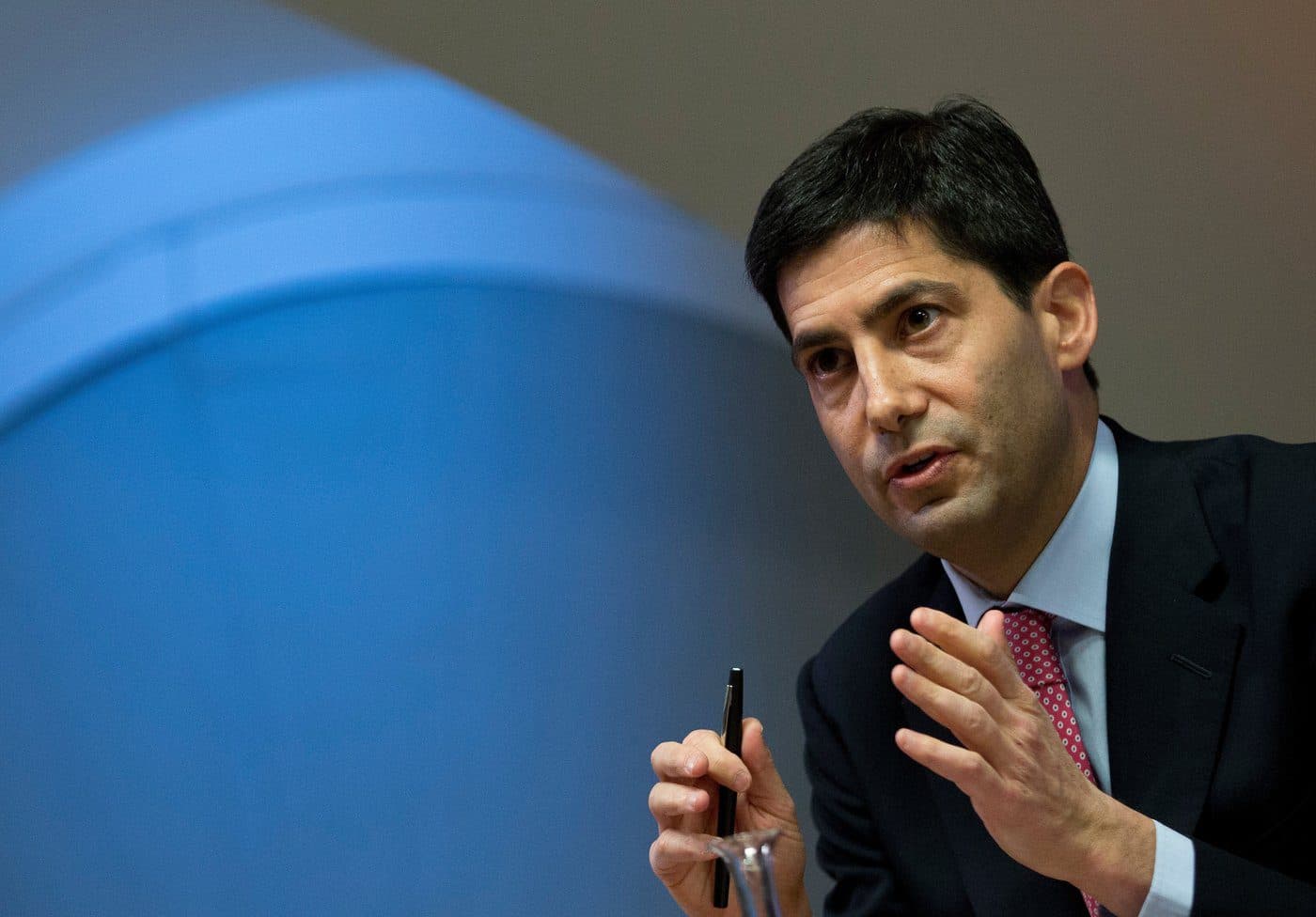
Sen. Warren calls for greater transparency into Federal Reserve nominee’s financial holdings
WASHINGTON (AP) — President Donald Trump’s nominee to run the Federal Reserve, Kevin Warsh, is likely to face tough questions about his vast financial holdings at a hearing next week by the Senate Banking Committee. Massachusetts Sen. Elizabeth Warren, the top Democrat on the panel, told reporters she had met with Warsh Thursday and urged him to disclose more information about his assets than was included in financial disclosure forms released earlier this week. Warsh, a former top official at the Fed and a wealthy investor, listed financial assets worth well more than $100 million. The figures are given in ranges so a precise value wasn’t disclosed. Warsh has large stakes in several investment funds and owns a solo financial advisory firm, Vicarage LLC. He has pledged in ethics filings to sell those holdings and stop working as an adviser if he is confirmed as Fed chair. Yet he has not disclosed the values of all his investments through the funds, or the names of some of his clients. “This is a real problem,” Warren said. “No one has gone forward in the Trump administration without disclosing fully their financial holdings.” It’s the latest hurdle for Warsh, 55, who is already facing an unusually turbulent path toward the Fed chair position, which he has sought for at least a decade. Sen. Thom Tillis, a North Carolina Republican and member of the Banking panel, said this week he won’t vote for Warsh until a Department of Justice investigation into current Fed chair Jerome Powell is resolved. The stand-off threatens to delay Warsh’s confirmation until after Powell’s term as chair ends May 15. But even if Warsh is confirmed, he will likely face ongoing pressure from Trump to cut the Fed’s key interest rate despite the Iran war pushing inflation higher and many other policymakers expressing skepticism about cuts. And he could end up serving while Powell remains on the Fed’s governing board, an uncomfortable arrangement that hasn’t occurred since the late 1940s. Warsh was a member of the Fed’s governing board from 2006 to 2011, and is married to Jane Lauder, the daughter of billionaire cosmetics heir Ronald Lauder, a major Republican donor. He has also worked in finance and has made roughly $10 million as an advisor to billionaire investor Stanley Druckenmiller’s family office, according to his disclosure form. Warren said Warsh declined in their meeting to disclose more information about his holdings, “which, frankly, raises more concerns.” She added that his extensive investments are “a red flag surrounded by fireworks and sparklers.” Warsh said in his disclosures that “pre-existing confidentiality” agreements prevent him from specifying the size of individual holdings or in some cases what they are. For example, he owns a stake in Polymarket, the prediction betting market, but did not say how large it is. He said he would comply with all ethics requirements by selling those investments if confirmed. Also Thursday, all 11 Democrats on the Banking Committee called for next week’s hearing to be postponed until the DOJ drops the investigation into cost overruns for a $2.5 billion Fed building renovation project and Powell’s role in it, as well as an effort by Trump to fire Fed governor Lisa Cook. Both moves “appear to be part of the Trump Administration’s broader effort to take control of the Fed,” the letter said. Christopher Rugaber And Joey Cappelletti, The Associated Press The post Sen. Warren calls for greater transparency into Federal Reserve nominee’s financial holdings appeared first on Loonie Politics.
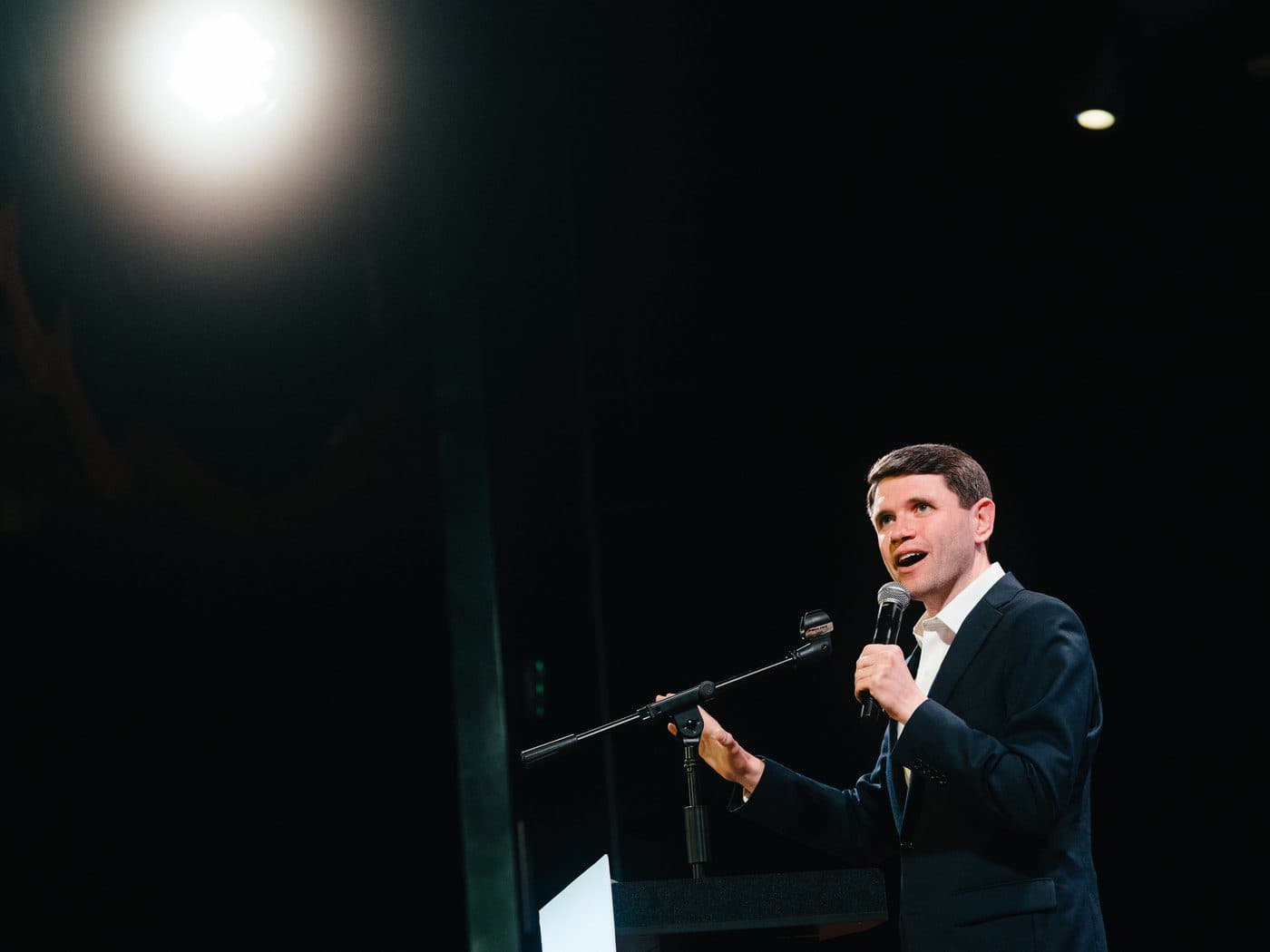
Democrats crow about fundraising in competitive Senate races
Democrats are boasting of eye-popping fundraising hauls in some of this year’s top Senate contests, a potential sign of voter enthusiasm in what remains an uphill quest to win the Senate majority. In the first three months of the year, Texas Democratic Senate candidate James Talarico’s campaign said he brought in $27 million, while vulnerable incumbent Sen. Jon Ossoff of Georgia said he raised $14 million. Former North Carolina Gov. Roy Cooper’s campaign said he’ll report $13.8 million and former Sen. Sherrod Brown will report $12.5 million in his comeback bid in Ohio. The money will help Democrats make their case to voters and counter Republican attacks, but it doesn’t change the fundamental fact that control of the Senate will be decided in territory that favors Republicans. Except for Maine, where Democrats Graham Platner and Janet Mills are still battling for the party’s nomination to challenge Republican Sen. Susan Collins, all of the top battleground races are in states President Donald Trump won in 2024. While Democrats touted their totals, they offer only a snapshot of overall fundraising, as campaigns had until the end of the day Wednesday to file with the Federal Election Commission. Republicans lagged In races where Republicans had reported their fundraising by Tuesday evening, Democrats were far outpacing them. In Texas, incumbent Sen. Jon Cornyn and state Attorney General Ken Paxton — who are locked in a bitter runoff for the GOP nomination — raised $2.5 million combined, less than 10% of Talarico’s revenue for the quarter. Two of the three main Republicans in Georgia — Derek Dooley and Buddy Carter — combined for about $1.1 million. The third, Mike Collins, had not yet reported his fundraising as of Wednesday evening. Former Republican National Committee Chair Michael Whatley raised $2.1 million in North Carolina and Sen. Jon Husted raised $2.9 million in Ohio. Collins, a top target for Democrats, raised $3.1 million in Maine. Mills, the governor who is preferred by much of the Democratic establishment, said she’ll report raising $2.6 million, while Platner, an oyster farmer backed by progressive leaders including Sen. Bernie Sanders, said he raised $4 million. In Alaska, Democratic former Rep. Mary Peltola said she’ll report raising $8.9 million, compared with $1.7 million for Republican Sen. Dan Sullivan. Money isn’t everything Republicans said flush coffers don’t guarantee victory. Retiring Republican Sen. Thom Tillis of North Carolina pointed out that his opponent in 2020 also celebrated successful fundraising quarters but didn’t win. Democrats Beto O’Rourke in 2018 in Texas and Jaime Harrison in 2020 in South Carolina shattered fundraising records and still lost to their Republican rivals. “We don’t have to outraise them,” Tillis said. “We just got to out run them.” There’s an imbalance in Republicans’ favor at the national committee level. The Republican National Committee reported roughly $109 million cash on hand in its most recent FEC filing, compared with roughly $16 million for their Democratic counterpart, plus Democrats are carrying about $17 million in debt. Waiting in the wings for Republicans is a super political action committee tied to Trump — MAGA Inc. — which has more than $300 million cash on hand, according to the FEC. The rosy first-quarter contributions carry some advantages for Democrats, namely the ability to buy limited advertising slots ahead of the election to get on the air early and make an impression with voters. Candidates also get favorable rates for television ads so their money goes further than independent expenditures by outside groups, though that advantage is eroding as ad spending increasingly shifts toward digital streaming. “Winning in Texas will require unprecedented resources,” Talarico campaign manager Seth Krasne said in a statement. “This grassroots fundraising haul puts our movement in a strong position to spread our message in some of the most expensive media markets in the country.” Talarico will face the winner of the GOP runoff on May 26 between Cornyn and Paxton. ___ Associated Press writer Joey Cappelletti in Washington contributed to this report. Mike Catalini And Jonathan J. Cooper, The Associated Press The post Democrats crow about fundraising in competitive Senate races appeared first on Loonie Politics.
Democrats crow about fundraising in competitive Senate races
Democrats are boasting of eye-popping fundraising hauls in some of this year’s top Senate contests, a potential sign of voter enthusiasm in what remains an uphill quest to win the Senate majority. In the first three months of the year, Texas Democratic Senate candidate James Talarico’s campaign said he brought in $27 million, while vulnerable incumbent Sen. Jon Ossoff of Georgia said he raised $14 million. Former North Carolina Gov. Roy Cooper’s campaign said he’ll report $13.8 million and former Sen. Sherrod Brown will report $12.5 million in his comeback bid in Ohio. The money will help Democrats make their case to voters and counter Republican attacks, but it doesn’t change the fundamental fact that control of the Senate will be decided in territory that favors Republicans. Except for Maine, where Democrats Graham Platner and Janet Mills are still battling for the party’s nomination to challenge Republican Sen. Susan Collins, all of the top battleground races are in states President Donald Trump won in 2024. While Democrats touted their totals, they offer only a snapshot of overall fundraising, as campaigns had until the end of the day Wednesday to file with the Federal Election Commission. Republicans lagged In races where Republicans had reported their fundraising by Tuesday evening, Democrats were far outpacing them. In Texas, incumbent Sen. Jon Cornyn and state Attorney General Ken Paxton — who are locked in a bitter runoff for the GOP nomination — raised $2.5 million combined, less than 10% of Talarico’s revenue for the quarter. Two of the three main Republicans in Georgia — Derek Dooley and Buddy Carter — combined for about $1.1 million. The third, Mike Collins, had not yet reported his fundraising as of Wednesday evening. Former Republican National Committee Chair Michael Whatley raised $2.1 million in North Carolina and Sen. Jon Husted raised $2.9 million in Ohio. Collins, a top target for Democrats, raised $3.1 million in Maine. Mills, the governor who is preferred by much of the Democratic establishment, said she’ll report raising $2.6 million, while Platner, an oyster farmer backed by progressive leaders including Sen. Bernie Sanders, said he raised $4 million. In Alaska, Democratic former Rep. Mary Peltola said she’ll report raising $8.9 million, compared with $1.7 million for Republican Sen. Dan Sullivan. Money isn’t everything Republicans said flush coffers don’t guarantee victory. Retiring Republican Sen. Thom Tillis of North Carolina pointed out that his opponent in 2020 also celebrated successful fundraising quarters but didn’t win. Democrats Beto O’Rourke in 2018 in Texas and Jaime Harrison in 2020 in South Carolina shattered fundraising records and still lost to their Republican rivals. “We don’t have to outraise them,” Tillis said. “We just got to out run them.” There’s an imbalance in Republicans’ favor at the national committee level. The Republican National Committee reported roughly $109 million cash on hand in its most recent FEC filing, compared with roughly $16 million for their Democratic counterpart, plus Democrats are carrying about $17 million in debt. Waiting in the wings for Republicans is a super political action committee tied to Trump — MAGA Inc. — which has more than $300 million cash on hand, according to the FEC. The rosy first-quarter contributions carry some advantages for Democrats, namely the ability to buy limited advertising slots ahead of the election to get on the air early and make an impression with voters. Candidates also get favorable rates for television ads so their money goes further than independent expenditures by outside groups, though that advantage is eroding as ad spending increasingly shifts toward digital streaming. “Winning in Texas will require unprecedented resources,” Talarico campaign manager Seth Krasne said in a statement. “This grassroots fundraising haul puts our movement in a strong position to spread our message in some of the most expensive media markets in the country.” Talarico will face the winner of the GOP runoff on May 26 between Cornyn and Paxton. ___ Associated Press writer Joey Cappelletti in Washington contributed to this report. Mike Catalini And Jonathan J. Cooper, The Associated Press The post Democrats crow about fundraising in competitive Senate races appeared first on Loonie Politics.

Senate rejects effort to halt arms sales to Israel, but most Democrats vote to block them
WASHINGTON (AP) — More than three dozen Democrats supported an effort by Vermont Sen. Bernie Sanders on Wednesday to block arms sales to Israel, signaling a growing discontent in the party with Prime Minister Benjamin Netanyahu and the wars in Gaza and Iran. The two resolutions to block U.S. sales of bulldozers and bombs to Israel were opposed by all Republicans and rejected 40-59 and 36-63. But Sanders has repeatedly forced votes on the issue to put pressure on his colleagues — both Democrats and Republicans — to oppose Netanyahu’s regime. Similar resolutions forced by Sanders in 2024 and 2025 were also rejected, but the number of Democrats voting with the Vermont Independent has more than doubled in less than two years amid Israeli campaigns in Gaza, Iran and Lebanon and a stepped-up campaign by party activists who have increasingly seen support for Israel as a litmus test for support. “It’s clear that Democrats are beginning to listen to the average American who is sick and tired of spending billions of dollars to support Netanyahu’s horrific wars when people in this country can’t afford housing or health care,” Sanders said after the vote. Arizona Sen. Mark Kelly, D-Ariz., voted in support of the two resolutions after opposing some of Sanders’ previous efforts. In a speech just before the vote, Kelly said that “the reckless decisions being made by Prime Minister Netanyahu and President Trump” led him to his decision, which he said he did not take lightly. “Under Prime Minister Netanyahu’s government, we’ve seen an expanded war in Lebanon that is putting innocent Lebanese civilians at risk, and ongoing violence against Palestinians and their homes being demolished in the West Bank,” Kelly said. “All of this has undermined the path forward for peace.” Among the Democrats voting against the resolutions were Senate Minority Leader Chuck Schumer and Sen. Kirsten Gillibrand. Nearly 100 protesters were arrested during a demonstration on Monday calling on the two New York senators to vote in favor of Sanders’ two measures. Led by the antiwar group Jewish Voice for Peace, the crowd of hundreds initially attempted to stage a sit-in inside the senators’ offices as they said they were abetting Israel’s intensifying attacks in Lebanon and the U.S.-Israeli war on Iran. But they were blocked and many of the protesters were arrested. “The majority of Americans and New Yorkers want a resolution to what the Israeli government is doing,” said the group’s communications director, Sonya Meyerson-Knox. Democrats supported a resolution earlier on Wednesday to halt Trump’s war in Iran, though that was also rejected, 47-52. Democratic Sen. Chris Coons, a Democrat who voted against Sanders’ Israel resolutions, said he voted to end the Iran war but did not want to abandon Israel. “My votes should be taken neither as an endorsement of the actions of the Netanyahu government nor as an abandonment of the state of Israel, the Jewish people, or the US-Israel relationship,” Coons said in a statement after the vote. Republicans said the vote could hurt U.S. efforts in the Iran war. Senate Foreign Relations Committee Chairman Jim Risch, R-Idaho, said the resolutions could embolden Iran and “send the message that the U.S. is prepared to leave our ally Israel vulnerable.” “They will not help the United States of America,” Risch said ahead of the vote. Mary Clare Jalonick, The Associated Press The post Senate rejects effort to halt arms sales to Israel, but most Democrats vote to block them appeared first on Loonie Politics.
Senate rejects effort to halt arms sales to Israel, but most Democrats vote to block them
WASHINGTON (AP) — More than three dozen Democrats supported an effort by Vermont Sen. Bernie Sanders on Wednesday to block arms sales to Israel, signaling a growing discontent in the party with Prime Minister Benjamin Netanyahu and the wars in Gaza and Iran. The two resolutions to block U.S. sales of bulldozers and bombs to Israel were opposed by all Republicans and rejected 40-59 and 36-63. But Sanders has repeatedly forced votes on the issue to put pressure on his colleagues — both Democrats and Republicans — to oppose Netanyahu’s regime. Similar resolutions forced by Sanders in 2024 and 2025 were also rejected, but the number of Democrats voting with the Vermont Independent has more than doubled in less than two years amid Israeli campaigns in Gaza, Iran and Lebanon and a stepped-up campaign by party activists who have increasingly seen support for Israel as a litmus test for support. “It’s clear that Democrats are beginning to listen to the average American who is sick and tired of spending billions of dollars to support Netanyahu’s horrific wars when people in this country can’t afford housing or health care,” Sanders said after the vote. Arizona Sen. Mark Kelly, D-Ariz., voted in support of the two resolutions after opposing some of Sanders’ previous efforts. In a speech just before the vote, Kelly said that “the reckless decisions being made by Prime Minister Netanyahu and President Trump” led him to his decision, which he said he did not take lightly. “Under Prime Minister Netanyahu’s government, we’ve seen an expanded war in Lebanon that is putting innocent Lebanese civilians at risk, and ongoing violence against Palestinians and their homes being demolished in the West Bank,” Kelly said. “All of this has undermined the path forward for peace.” Among the Democrats voting against the resolutions were Senate Minority Leader Chuck Schumer and Sen. Kirsten Gillibrand. Nearly 100 protesters were arrested during a demonstration on Monday calling on the two New York senators to vote in favor of Sanders’ two measures. Led by the antiwar group Jewish Voice for Peace, the crowd of hundreds initially attempted to stage a sit-in inside the senators’ offices as they said they were abetting Israel’s intensifying attacks in Lebanon and the U.S.-Israeli war on Iran. But they were blocked and many of the protesters were arrested. “The majority of Americans and New Yorkers want a resolution to what the Israeli government is doing,” said the group’s communications director, Sonya Meyerson-Knox. Democrats supported a resolution earlier on Wednesday to halt Trump’s war in Iran, though that was also rejected, 47-52. Democratic Sen. Chris Coons, a Democrat who voted against Sanders’ Israel resolutions, said he voted to end the Iran war but did not want to abandon Israel. “My votes should be taken neither as an endorsement of the actions of the Netanyahu government nor as an abandonment of the state of Israel, the Jewish people, or the US-Israel relationship,” Coons said in a statement after the vote. Republicans said the vote could hurt U.S. efforts in the Iran war. Senate Foreign Relations Committee Chairman Jim Risch, R-Idaho, said the resolutions could embolden Iran and “send the message that the U.S. is prepared to leave our ally Israel vulnerable.” “They will not help the United States of America,” Risch said ahead of the vote. Mary Clare Jalonick, The Associated Press The post Senate rejects effort to halt arms sales to Israel, but most Democrats vote to block them appeared first on Loonie Politics.
Senate rejects effort to halt arms sales to Israel, but most Democrats vote to block them
WASHINGTON (AP) — More than three dozen Democrats supported an effort by Vermont Sen. Bernie Sanders on Wednesday to block arms sales to Israel, signaling a growing discontent in the party with Prime Minister Benjamin Netanyahu and the wars in Gaza and Iran. The two resolutions to block U.S. sales of bulldozers and bombs to Israel were opposed by all Republicans and rejected 40-59 and 36-63. But Sanders has repeatedly forced votes on the issue to put pressure on his colleagues — both Democrats and Republicans — to oppose Netanyahu’s regime. Similar resolutions forced by Sanders in 2024 and 2025 were also rejected, but the number of Democrats voting with the Vermont Independent has more than doubled in less than two years amid Israeli campaigns in Gaza, Iran and Lebanon and a stepped-up campaign by party activists who have increasingly seen support for Israel as a litmus test for support. “It’s clear that Democrats are beginning to listen to the average American who is sick and tired of spending billions of dollars to support Netanyahu’s horrific wars when people in this country can’t afford housing or health care,” Sanders said after the vote. Arizona Sen. Mark Kelly, D-Ariz., voted in support of the two resolutions after opposing some of Sanders’ previous efforts. In a speech just before the vote, Kelly said that “the reckless decisions being made by Prime Minister Netanyahu and President Trump” led him to his decision, which he said he did not take lightly. “Under Prime Minister Netanyahu’s government, we’ve seen an expanded war in Lebanon that is putting innocent Lebanese civilians at risk, and ongoing violence against Palestinians and their homes being demolished in the West Bank,” Kelly said. “All of this has undermined the path forward for peace.” Among the Democrats voting against the resolutions were Senate Minority Leader Chuck Schumer and Sen. Kirsten Gillibrand. Nearly 100 protesters were arrested during a demonstration on Monday calling on the two New York senators to vote in favor of Sanders’ two measures. Led by the antiwar group Jewish Voice for Peace, the crowd of hundreds initially attempted to stage a sit-in inside the senators’ offices as they said they were abetting Israel’s intensifying attacks in Lebanon and the U.S.-Israeli war on Iran. But they were blocked and many of the protesters were arrested. “The majority of Americans and New Yorkers want a resolution to what the Israeli government is doing,” said the group’s communications director, Sonya Meyerson-Knox. Democrats supported a resolution earlier on Wednesday to halt Trump’s war in Iran, though that was also rejected, 47-52. Democratic Sen. Chris Coons, a Democrat who voted against Sanders’ Israel resolutions, said he voted to end the Iran war but did not want to abandon Israel. “My votes should be taken neither as an endorsement of the actions of the Netanyahu government nor as an abandonment of the state of Israel, the Jewish people, or the US-Israel relationship,” Coons said in a statement after the vote. Republicans said the vote could hurt U.S. efforts in the Iran war. Senate Foreign Relations Committee Chairman Jim Risch, R-Idaho, said the resolutions could embolden Iran and “send the message that the U.S. is prepared to leave our ally Israel vulnerable.” “They will not help the United States of America,” Risch said ahead of the vote. Mary Clare Jalonick, The Associated Press The post Senate rejects effort to halt arms sales to Israel, but most Democrats vote to block them appeared first on Loonie Politics.

Trump threatens to fire Powell if the Fed Chair decides to stay on after his term ends next month
President Donald Trump has again threatened to fire Jerome Powell if the Federal Reserve Chair decides to stay on the central bank’s governing board after his term as chair expires next month. “Well then I’ll have to fire him, OK?” Trump told Fox Business in an interview that aired Wednesday when reminded that Powell has said he won’t leave with an investigation still pending against him. Powell said he would remain as chair of the Fed’s interest rate-setting committee after his term ends if no successor has been confirmed. And he said he could stay even longer if the investigation continues. Trump has for months wanted to remove Powell as chair of the Fed, saying he has been too slow in orchestrating interest rate cuts that would give the U.S. economy a quick boost. Trump has nominated former Fed official Kevin Warsh to succeed Powell. Yet Warsh’s confirmation has been delayed by a Justice Department investigation into brief comments Powell made before the Senate Banking Committee last June about the Fed’s building renovation. Sen. Thom Tillis, a North Carolina Republican, has said he won’t vote to confirm any Fed nominees until the investigation is dropped. The Associated Press The post Trump threatens to fire Powell if the Fed Chair decides to stay on after his term ends next month appeared first on Loonie Politics.
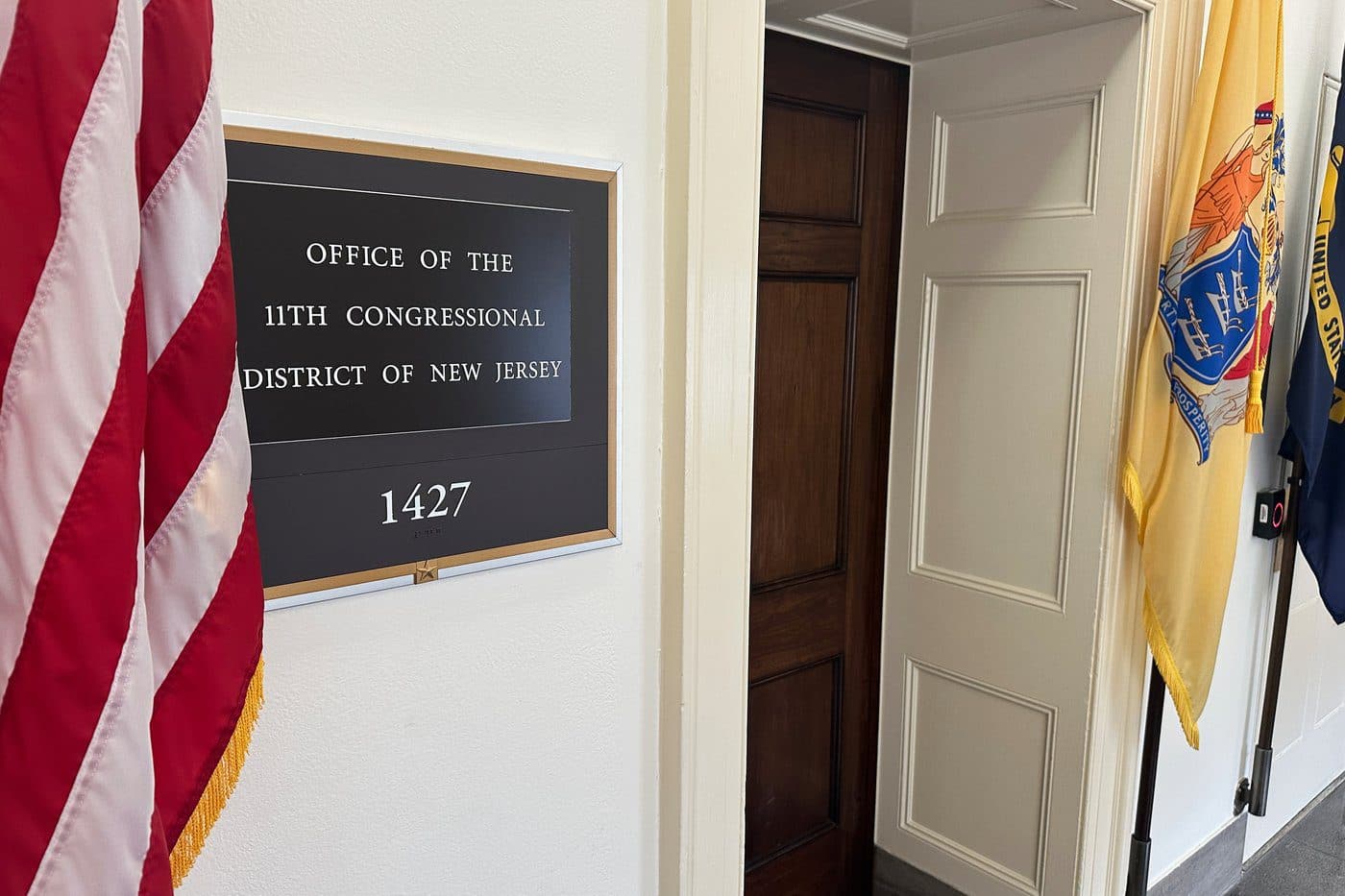
AP Decision Notes: What to expect in New Jersey’s special congressional election
WASHINGTON (AP) — Residents of New Jersey’s 11th Congressional District will have a representative in Congress for the first time this year after a special election on Thursday to fill the U.S. House seat most recently held by Democratic Gov. Mikie Sherrill. A Democratic victory in the Democratic-leaning district would further narrow the slim majority Republicans hold in the chamber. The major party nominees to replace Sherrill are Democrat Analilia Mejia, a longtime progressive organizer and former Labor Department official, and Republican Joe Hathaway, a member of the Randolph Township Council. Mejia, who had the early backing of progressive stalwarts U.S. Sens. Bernie Sanders and Elizabeth Warren and U.S. Rep. Alexandria Ocasio-Cortez, narrowly won the Feb. 5 Democratic special primary against a crowded field that included former U.S. Rep. Tom Malinowski and former Lt. Gov. Tahesha Way. Malinowski was attempting a comeback after losing a neighboring House seat in 2022. Hathaway ran unopposed for the Republican nomination. The ongoing Israel-Hamas War and support for Israel has been a major issue in the campaign. A super PAC affiliated with the American Israel Public Affairs Committee spent more than $2.3 million to defeat Malinowski, who had questioned providing unconditional aid to the Israeli government. During a primary campaign forum, Mejia was the only candidate to indicate she believes Israel committed genocide in Gaza. She has also called Israeli Prime Minister Benjamin Netanyahu a war criminal. Hathaway has said the U.S. should stand “ in lockstep ” with Israel and opposes putting conditions on aid to an ally. Mejia had raised about $1.1 million for the special primary and special election and had about $374,000 in her campaign account as of March 27. Hathaway had raised about $525,000 for his campaign and had about $109,000 in the bank. Democrats have held an advantage in general elections in the district. Sherrill won reelection in 2024 with about 57% of the vote, while Democratic presidential nominee Kamala Harris carried the district with 53% at the top of the ballot. More than half of the district’s 588 precincts are in Morris County, with about 39% in Essex County and 9% in Passaic County. The district’s portion of Essex County is heavily Democratic: Harris carried the area with 64% in 2024. President Donald Trump narrowly won the district’s share of Morris County by about one percentage point. He carried the district’s small portion of Passaic County with about 57% of its vote. The Associated Press does not make projections and will declare a winner only when it’s determined there is no scenario that would allow the trailing candidates to close the gap. If a race has not been called, the AP will continue to cover any newsworthy developments, such as candidate concessions or declarations of victory. In doing so, the AP will make clear that it has not yet declared a winner and explain why. New Jersey does not have automatic recounts, but candidates and voters may request and pay for them, with the cost refunded if the outcome changes. The AP may declare a winner in a race that is subject to a recount if it can determine the lead is too large for a recount or legal challenge to change the outcome. Here are some of the key facts about the election and data points the AP Decision Team will monitor as the votes are tallied: When do polls close? Polls close at 8 p.m. ET. What’s on the ballot? The AP will provide vote results and declare a winner in the special congressional election in the 11th District. In addition to the candidates named on the ballot, voters also have a write-in option. Who gets to vote? Any voter registered in the 11th District may participate in the special election. What do turnout and advance vote look like? As of April 1, there were about 603,000 registered voters in the 11th Congressional District. Of those, about 230,000 were Democrats, about 165,000 were Republicans and about 204,000 were not affiliated with any party. The remainder were registered with various minor parties. More than 68,000 ballots were cast in the Feb. 5 Democratic special primary and about 16,000 in the Republican contest. About 394,000 votes were cast in the 2024 general election, with nearly half cast before Election Day. As of Monday, about 54,000 votes had already been cast, including about 34,000 from Democrats, about 13,000 from Republicans and more than 7,000 from unaffiliated voters. How long does vote-counting usually take? In the Feb. 5 special primary, the AP first reported results at 8:04 p.m. ET, or four minutes after polls closed. The last update of the night was at 10:30 p.m. ET with about 91% of total votes counted. The AP called the race at 5:34 p.m. on Feb. 12. When are early and absentee voting results released? All counties in New Jersey release most or all the results from early and absentee voting in the first vote update of the night, before any in-person Election Day results are released. Are we there yet? As of Thursday, there will be 201 days until this seat is up again in the 2026 midterm elections. ___ Follow the AP’s coverage of the 2026 election at https://apnews.com/projects/elections-2026/. Robert Yoon, The Associated Press The post AP Decision Notes: What to expect in New Jersey’s special congressional election appeared first on Loonie Politics.
AP Decision Notes: What to expect in New Jersey’s special congressional election
WASHINGTON (AP) — Residents of New Jersey’s 11th Congressional District will have a representative in Congress for the first time this year after a special election on Thursday to fill the U.S. House seat most recently held by Democratic Gov. Mikie Sherrill. A Democratic victory in the Democratic-leaning district would further narrow the slim majority Republicans hold in the chamber. The major party nominees to replace Sherrill are Democrat Analilia Mejia, a longtime progressive organizer and former Labor Department official, and Republican Joe Hathaway, a member of the Randolph Township Council. Mejia, who had the early backing of progressive stalwarts U.S. Sens. Bernie Sanders and Elizabeth Warren and U.S. Rep. Alexandria Ocasio-Cortez, narrowly won the Feb. 5 Democratic special primary against a crowded field that included former U.S. Rep. Tom Malinowski and former Lt. Gov. Tahesha Way. Malinowski was attempting a comeback after losing a neighboring House seat in 2022. Hathaway ran unopposed for the Republican nomination. The ongoing Israel-Hamas War and support for Israel has been a major issue in the campaign. A super PAC affiliated with the American Israel Public Affairs Committee spent more than $2.3 million to defeat Malinowski, who had questioned providing unconditional aid to the Israeli government. During a primary campaign forum, Mejia was the only candidate to indicate she believes Israel committed genocide in Gaza. She has also called Israeli Prime Minister Benjamin Netanyahu a war criminal. Hathaway has said the U.S. should stand “ in lockstep ” with Israel and opposes putting conditions on aid to an ally. Mejia had raised about $1.1 million for the special primary and special election and had about $374,000 in her campaign account as of March 27. Hathaway had raised about $525,000 for his campaign and had about $109,000 in the bank. Democrats have held an advantage in general elections in the district. Sherrill won reelection in 2024 with about 57% of the vote, while Democratic presidential nominee Kamala Harris carried the district with 53% at the top of the ballot. More than half of the district’s 588 precincts are in Morris County, with about 39% in Essex County and 9% in Passaic County. The district’s portion of Essex County is heavily Democratic: Harris carried the area with 64% in 2024. President Donald Trump narrowly won the district’s share of Morris County by about one percentage point. He carried the district’s small portion of Passaic County with about 57% of its vote. The Associated Press does not make projections and will declare a winner only when it’s determined there is no scenario that would allow the trailing candidates to close the gap. If a race has not been called, the AP will continue to cover any newsworthy developments, such as candidate concessions or declarations of victory. In doing so, the AP will make clear that it has not yet declared a winner and explain why. New Jersey does not have automatic recounts, but candidates and voters may request and pay for them, with the cost refunded if the outcome changes. The AP may declare a winner in a race that is subject to a recount if it can determine the lead is too large for a recount or legal challenge to change the outcome. Here are some of the key facts about the election and data points the AP Decision Team will monitor as the votes are tallied: When do polls close? Polls close at 8 p.m. ET. What’s on the ballot? The AP will provide vote results and declare a winner in the special congressional election in the 11th District. In addition to the candidates named on the ballot, voters also have a write-in option. Who gets to vote? Any voter registered in the 11th District may participate in the special election. What do turnout and advance vote look like? As of April 1, there were about 603,000 registered voters in the 11th Congressional District. Of those, about 230,000 were Democrats, about 165,000 were Republicans and about 204,000 were not affiliated with any party. The remainder were registered with various minor parties. More than 68,000 ballots were cast in the Feb. 5 Democratic special primary and about 16,000 in the Republican contest. About 394,000 votes were cast in the 2024 general election, with nearly half cast before Election Day. As of Monday, about 54,000 votes had already been cast, including about 34,000 from Democrats, about 13,000 from Republicans and more than 7,000 from unaffiliated voters. How long does vote-counting usually take? In the Feb. 5 special primary, the AP first reported results at 8:04 p.m. ET, or four minutes after polls closed. The last update of the night was at 10:30 p.m. ET with about 91% of total votes counted. The AP called the race at 5:34 p.m. on Feb. 12. When are early and absentee voting results released? All counties in New Jersey release most or all the results from early and absentee voting in the first vote update of the night, before any in-person Election Day results are released. Are we there yet? As of Thursday, there will be 201 days until this seat is up again in the 2026 midterm elections. ___ Follow the AP’s coverage of the 2026 election at https://apnews.com/projects/elections-2026/. Robert Yoon, The Associated Press The post AP Decision Notes: What to expect in New Jersey’s special congressional election appeared first on Loonie Politics.
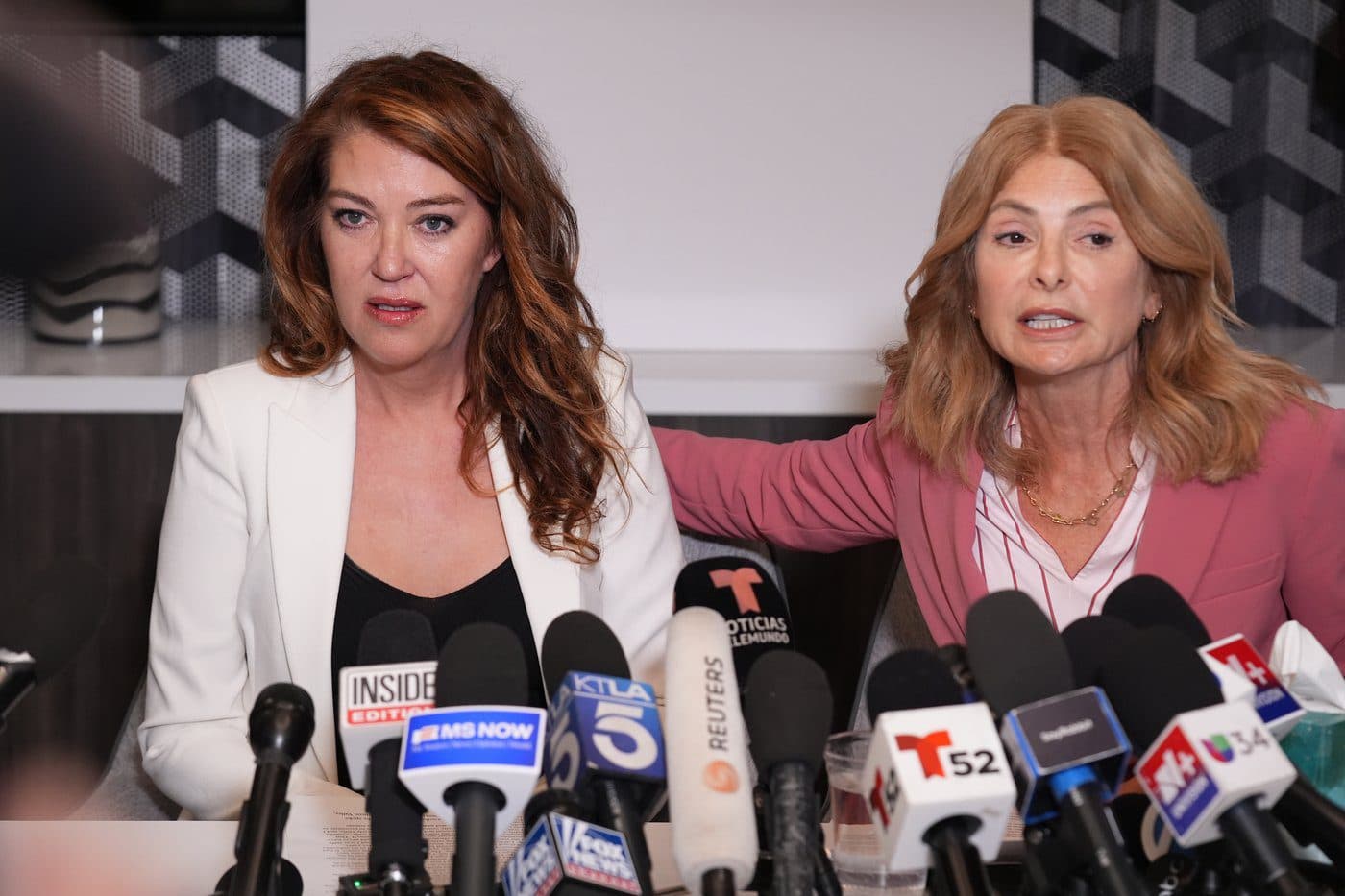
Sexual abuse allegations are spurring calls for a broader reckoning in Congress
WASHINGTON (AP) — Resignations came quickly this week from two congressmen accused of sexual misconduct toward staff members. Yet for many of the women of Capitol Hill, the moment of accountability was years in the making — and far from enough. Reps. Eric Swalwell, a California Democrat, and Tony Gonzales, a Texas Republican, both announced within hours of each other Monday that they were leaving Congress. Their decisions came the day before the House returned to Washington and as both faced the prospect of being expelled from the chamber by their colleagues. It was a reckoning of sorts for Capitol Hill, the most striking since the careers of roughly a dozen male politicians were toppled during the heights of the #MeToo movement. Yet some congresswomen said that the pair of resignations took too long and proved what they’ve long been saying: that more must be done to rid Capitol Hill of sexual predation. “Today was an important turning point,” said Democratic Rep. Alexandria Ocasio-Cortez of New York. “That it should — that abuse of power — should never be accepted, and above all, in public office. And so, I think this is an important resetting point for the institution.” A bipartisan group of congresswomen had threatened on Tuesday to file resolutions that could have forced votes on expelling Swalwell and Gonzales. Their moves forced the two men to act and came swiftly after the San Francisco Chronicle and CNN had reported Friday that a woman said Swalwell sexually assaulted her. The initial allegations against Swalwell date back to 2019 and 2024; they were followed with other allegations of inappropriate behavior made by other women. Swalwell has denied engaging in any sexual misconduct but acknowledged mistakes in judgment. Gonzales for months had resisted calls for his resignation after he admitted to a 2024 affair with a staff member who later committed suicide. “Accountability can happen. We can hold men accountable when they abuse women, and we’re going to do more of it,” said Rep. Teresa Leger Fernández, who chairs the Democratic Women’s Caucus. House rules forbid relationships with staff It is against the House Code of Conduct for any member to have a sexual relationship with their staff members. Following the #MeToo movement, the House changed its rules to require annual trainings on sexual harassment and discrimination for members. The House also approved legislation to speed the slow-moving process for harassment complaints, require more disclosure of settlements and force lawmakers to personally pay any penalties they’re required to make. Former Rep. Jackie Speier, a California Democrat who led the movement for reforms around sexual assault, told The Associated Press that problems still persist after those reforms. “What we do in Congress is basically look the other way,” she said, adding that she was calling on House Speaker Mike Johnson and House Democratic leader Hakeem Jeffries to “really tighten the rules and create a safe environment for these women to report.” While Johnson said he did not talk with the lawmakers before they announced their resignations, he told reporters that the episode had played out “appropriately.” “This is the right thing for the institution,” he said. How the push for accountability has grown Sexual abuse has been top of mind for lawmakers as they investigate the actions of the late financier Jeffrey Epstein. A handful of Republican women, mostly hailing from the right wing of their party, played crucial roles in forcing Congress to take up the issue. Republican Rep. Nancy Mace, alongside Rep. Lauren Boebert and then-Rep. Marjorie Taylor Greene, rebuffed pressure from President Donald Trump and Johnson last year as they joined with Democrats and forced a vote on a bill mandating the release of many of the case files on Epstein. Mace, who in 2019 shared her own account of surviving rape, has continued an outspoken campaign advocating for victims of sexual assault. She and Republican Rep. Anna Paulina Luna had repeatedly called for Swalwell and Gonzales to resign. Mace has also extended that demand to Republican Rep. Cory Mills, who is facing an ethics investigation on allegations of sexual misconduct and violence against an ex-girlfriend. Mills has said he will disprove the allegations. Meanwhile, Mace and Luna are also calling for the resignation of Rep. Sheila Cherfilus-McCormick, a Florida Democrat. The House Ethics Committee found evidence that she broke campaign finance law related to a mistaken overpayment of $5 million from the state of Florida to her family’s health care business. She has said she did nothing wrong. “Clean house. Expel them. Hold every last one accountable,” Mace said on social media. “The American people are watching.” At the same time, Mace herself is under investigation by the ethics panel for allegations she improperly claimed housing reimbursements. She has denied wrongdoing. Swalwell allies are facing close scrutiny As accusations of sexual abuse continued to land against Swalwell, some Democrats found themselves in a moment of reflection and contrition, especially those who kept close company with him. Arizona Sen. Ruben Gallego, a close friend of Swalwell’s who chaired his presidential campaign, called reporters to his office on Tuesday for an emotional press conference. “I messed up. I’m human. I trusted this man,” a teary-eyed Gallego said. Under intense questioning from reporters, Gallego acknowledged that he had heard rumors about Swalwell being “flirty,” but contended that he trusted him as a close family friend. “I definitely look at the world in a different way now,” Gallego said. “I personally am going to make sure that I’m going to take personal steps and office steps to make sure that we don’t even get close to a gray line.” Policing behavior in Congress presents challenges Speier, who entered politics by first working as a congressional aide and experienced harassment from a supervisor, said that part of the problem in Congress is that members are given wide latitude to run their offices. All 535 lawmakers are bosses of their own hand-selected staff. “There’s really no one overseeing you,” Speier said. “There’s a sense of entitlement that kind of overtakes many of these members.” Speier, alongside then-Rep. Bradley Byrne, led the effort to pass legislation to make it easier to report sexual harassment and discrimination, including banning nondisclosure agreements to protect members of Congress. Since the 2018 reforms began requiring the Office of Congressional Workplace Rights to report awards and settlements related to formal complaints, there have been eight payments made by House members’ offices, totaling just over $400,000. Those payments cover all types of violations of workplace rights, not just sexual harassment, and the violations could have been committed by other congressional staff in the office. Speier said that it was crucial to keep making it easier for survivors to report sexual abuse. “Unless someone comes forward, you know the conduct continues,” she said. ___ Associated Press Chief Congressional Correspondent Lisa Mascaro contributed to this report. Stephen Groves And Joey Cappelletti, The Associated Press The post Sexual abuse allegations are spurring calls for a broader reckoning in Congress appeared first on Loonie Politics.
Sexual abuse allegations are spurring calls for a broader reckoning in Congress
WASHINGTON (AP) — Resignations came quickly this week from two congressmen accused of sexual misconduct toward staff members. Yet for many of the women of Capitol Hill, the moment of accountability was years in the making — and far from enough. Reps. Eric Swalwell, a California Democrat, and Tony Gonzales, a Texas Republican, both announced within hours of each other Monday that they were leaving Congress. Their decisions came the day before the House returned to Washington and as both faced the prospect of being expelled from the chamber by their colleagues. It was a reckoning of sorts for Capitol Hill, the most striking since the careers of roughly a dozen male politicians were toppled during the heights of the #MeToo movement. Yet some congresswomen said that the pair of resignations took too long and proved what they’ve long been saying: that more must be done to rid Capitol Hill of sexual predation. “Today was an important turning point,” said Democratic Rep. Alexandria Ocasio-Cortez of New York. “That it should — that abuse of power — should never be accepted, and above all, in public office. And so, I think this is an important resetting point for the institution.” A bipartisan group of congresswomen had threatened on Tuesday to file resolutions that could have forced votes on expelling Swalwell and Gonzales. Their moves forced the two men to act and came swiftly after the San Francisco Chronicle and CNN had reported Friday that a woman said Swalwell sexually assaulted her. The initial allegations against Swalwell date back to 2019 and 2024; they were followed with other allegations of inappropriate behavior made by other women. Swalwell has denied engaging in any sexual misconduct but acknowledged mistakes in judgment. Gonzales for months had resisted calls for his resignation after he admitted to a 2024 affair with a staff member who later committed suicide. “Accountability can happen. We can hold men accountable when they abuse women, and we’re going to do more of it,” said Rep. Teresa Leger Fernández, who chairs the Democratic Women’s Caucus. House rules forbid relationships with staff It is against the House Code of Conduct for any member to have a sexual relationship with their staff members. Following the #MeToo movement, the House changed its rules to require annual trainings on sexual harassment and discrimination for members. The House also approved legislation to speed the slow-moving process for harassment complaints, require more disclosure of settlements and force lawmakers to personally pay any penalties they’re required to make. Former Rep. Jackie Speier, a California Democrat who led the movement for reforms around sexual assault, told The Associated Press that problems still persist after those reforms. “What we do in Congress is basically look the other way,” she said, adding that she was calling on House Speaker Mike Johnson and House Democratic leader Hakeem Jeffries to “really tighten the rules and create a safe environment for these women to report.” While Johnson said he did not talk with the lawmakers before they announced their resignations, he told reporters that the episode had played out “appropriately.” “This is the right thing for the institution,” he said. How the push for accountability has grown Sexual abuse has been top of mind for lawmakers as they investigate the actions of the late financier Jeffrey Epstein. A handful of Republican women, mostly hailing from the right wing of their party, played crucial roles in forcing Congress to take up the issue. Republican Rep. Nancy Mace, alongside Rep. Lauren Boebert and then-Rep. Marjorie Taylor Greene, rebuffed pressure from President Donald Trump and Johnson last year as they joined with Democrats and forced a vote on a bill mandating the release of many of the case files on Epstein. Mace, who in 2019 shared her own account of surviving rape, has continued an outspoken campaign advocating for victims of sexual assault. She and Republican Rep. Anna Paulina Luna had repeatedly called for Swalwell and Gonzales to resign. Mace has also extended that demand to Republican Rep. Cory Mills, who is facing an ethics investigation on allegations of sexual misconduct and violence against an ex-girlfriend. Mills has said he will disprove the allegations. Meanwhile, Mace and Luna are also calling for the resignation of Rep. Sheila Cherfilus-McCormick, a Florida Democrat. The House Ethics Committee found evidence that she broke campaign finance law related to a mistaken overpayment of $5 million from the state of Florida to her family’s health care business. She has said she did nothing wrong. “Clean house. Expel them. Hold every last one accountable,” Mace said on social media. “The American people are watching.” At the same time, Mace herself is under investigation by the ethics panel for allegations she improperly claimed housing reimbursements. She has denied wrongdoing. Swalwell allies are facing close scrutiny As accusations of sexual abuse continued to land against Swalwell, some Democrats found themselves in a moment of reflection and contrition, especially those who kept close company with him. Arizona Sen. Ruben Gallego, a close friend of Swalwell’s who chaired his presidential campaign, called reporters to his office on Tuesday for an emotional press conference. “I messed up. I’m human. I trusted this man,” a teary-eyed Gallego said. Under intense questioning from reporters, Gallego acknowledged that he had heard rumors about Swalwell being “flirty,” but contended that he trusted him as a close family friend. “I definitely look at the world in a different way now,” Gallego said. “I personally am going to make sure that I’m going to take personal steps and office steps to make sure that we don’t even get close to a gray line.” Policing behavior in Congress presents challenges Speier, who entered politics by first working as a congressional aide and experienced harassment from a supervisor, said that part of the problem in Congress is that members are given wide latitude to run their offices. All 535 lawmakers are bosses of their own hand-selected staff. “There’s really no one overseeing you,” Speier said. “There’s a sense of entitlement that kind of overtakes many of these members.” Speier, alongside then-Rep. Bradley Byrne, led the effort to pass legislation to make it easier to report sexual harassment and discrimination, including banning nondisclosure agreements to protect members of Congress. Since the 2018 reforms began requiring the Office of Congressional Workplace Rights to report awards and settlements related to formal complaints, there have been eight payments made by House members’ offices, totaling just over $400,000. Those payments cover all types of violations of workplace rights, not just sexual harassment, and the violations could have been committed by other congressional staff in the office. Speier said that it was crucial to keep making it easier for survivors to report sexual abuse. “Unless someone comes forward, you know the conduct continues,” she said. ___ Associated Press Chief Congressional Correspondent Lisa Mascaro contributed to this report. Stephen Groves And Joey Cappelletti, The Associated Press The post Sexual abuse allegations are spurring calls for a broader reckoning in Congress appeared first on Loonie Politics.