Bills · S 2577
IN COMMITTEE· 119TH CONGRESS
Senate BillS 2577Immigration
McCarran-Walter Technical Corrections Act
INTRO JUL 31· LAST ACTION JUL 31
READING
1MIN
COSPONSORS
6BIPARTISAN
READER REACTIONS0 TOTAL
NO VOTES YET · BE THE FIRST
- Introduced only
LEGISLATIVE PROGRESS
STEP 2 / 8Introduced
In Committee
Reported
Passed Senate
Passed House
Conference
To President
Became Law
WHAT THE BILL DOES
AI-writtenThis bill matters because it corrects an outdated and potentially discriminatory part of U.S. immigration law that doesn't reflect modern understandings of Indigenous identity or tribal sovereignty. The current 'blood quantum' rule is a relic of a past era, making it difficult for many Indigenous people to exercise their inherent rights to free passage across historical territories.
If this bill becomes law, it will recognize and respect the self-determination of both U.S. federally recognized tribes and Canadian First Nations by accepting their criteria for membership or status. This means Indigenous individuals could travel more freely to visit family, participate in cultural events, or conduct business across the border without the hassle of proving a percentage of ancestry. If it doesn't pass, the old, restrictive 'blood quantum' rule will continue to impede Indigenous cross-border movement, perpetuating a policy that often feels at odds with the historical and ongoing presence of Indigenous peoples in North America.
KEY PROVISIONS
3AI-extractedPROVISION 01
Removes the 'at least 50 percent of blood of the American Indian race' requirement for Indigenous individuals to cross the U.S. border.
This provision eliminates an outdated and often discriminatory 'blood quantum' standard for border crossing rights.
PROVISION 02
Allows members, or those eligible to become members, of a federally recognized Indian Tribe in the United States to cross the border.
This updates the criteria to align with modern tribal identity and sovereignty, recognizing formal tribal affiliation.
PROVISION 03
Extends the right to cross the border to individuals with 'Indian status' in Canada via the Indian Act or membership in a self-governing First Nation in Canada.
This expands the border crossing rights to include Indigenous peoples from Canada based on their recognized status or membership.
SPONSORSHIP
1 + 6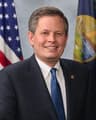
R· Montana
YRS IN OFFICE
13
BILLS LED
65
COSPONSOR BREAKDOWNBIPARTISAN · 67%
DEM 4 REP 2 IND 0
ACTION TIMELINE
2 EVENTSJUL 31
Introduced in Senate
JUL 31
Read twice and referred to the Committee on the Judiciary.
BILL INFO
TypeSenate Bill
NumberS 2577
Congress119th
StatusIn Committee
IntroducedJul 31, 2025
Last actionJul 31, 2025
READER REACTIONS
OVERALL SENTIMENT
No reactions yet. Be the first to weigh in.
Discussion
Loading comments...
IN COMMITTEE· 119TH CONGRESS · JUDICIARY COMMITTEE · INTRODUCED JUL 31, 2025
Senate BillS 2577Immigration
McCarran-Walter Technical Corrections Act
INTRODUCED JUL 31, 2025· LAST ACTION JUL 31, 2025
PASSAGE CHANCES
—%
READING
1 min
COSPONSORS
6
COMPLEXITY
Moderate