Bills · HR 4596
IN COMMITTEE· 119TH CONGRESS
House BillHR 4596Immigration
McCarran-Walter Technical Corrections Act
INTRO JUL 22· LAST ACTION JUL 22
READING
2MIN
COSPONSORS
4BIPARTISAN
READER REACTIONS0 TOTAL
NO VOTES YET · BE THE FIRST
- Introduced only
LEGISLATIVE PROGRESS
STEP 2 / 8Introduced
In Committee
Reported
Passed House
Passed Senate
Conference
To President
Became Law
WHAT THE BILL DOES
AI-writtenVoters should care about this bill because it updates a very old and problematic immigration rule that relies on an outdated "blood percentage" requirement to determine who can cross the U.S.-Canada border. This rule has been criticized for being racially insensitive and not reflecting how Indigenous communities define membership. By removing this requirement, the bill acknowledges the unique historical and cultural ties Indigenous peoples have to lands that now span the U.S. and Canadian borders, consistent with historical treaties and understandings.
If this bill becomes law, it would make it significantly easier for many more Indigenous people from both sides of the border to visit family, pursue education, work, or live permanently in the U.S. This would streamline a process that has historically been complicated and discriminatory, affirming the inherent rights of Indigenous communities to move freely within their ancestral territories. If it doesn't pass, the current "blood quantum" rule and its associated complexities would remain, continuing to restrict movement for many Indigenous individuals based on a controversial and unscientific criterion.
KEY PROVISIONS
4AI-extractedPROVISION 01
Removes the current requirement that Canadian-born American Indians must possess "at least 50 per centum of blood of the American Indian race" to easily cross the U.S. border.
This eliminates an outdated and racially controversial "blood quantum" rule from U.S. immigration law.
PROVISION 02
Extends the border-crossing benefit to all members, or those eligible to become members, of a federally recognized Indian Tribe in the United States.
This clarifies and strengthens the rights of U.S. federally recognized tribal members, recognizing their inherent sovereignty.
PROVISION 03
Extends the border-crossing benefit to First Nations individuals in Canada who have "Indian status" under the Canadian Indian Act or are members of a self-governing First Nation in Canada.
This significantly broadens the eligibility for Canadian Indigenous individuals, aligning U.S. law with Canadian legal definitions of Indigenous identity.
PROVISION 04
Specifies that individuals admitted under these provisions will automatically be granted the status of a lawful permanent resident.
This provides clarity and security, ensuring eligible individuals can live and work permanently in the U.S. without further immigration hurdles.
SPONSORSHIP
1 + 4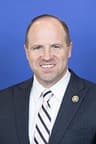
D· New York
YRS IN OFFICE
2
BILLS LED
32
COSPONSOR BREAKDOWNBIPARTISAN · 50%
DEM 1 REP 3 IND 0
ACTION TIMELINE
2 EVENTSJUL 22
Introduced in House
JUL 22
Referred to the House Committee on the Judiciary.
BILL INFO
TypeHouse Bill
NumberHR 4596
Congress119th
StatusIn Committee
IntroducedJul 22, 2025
Last actionJul 22, 2025
READER REACTIONS
OVERALL SENTIMENT
No reactions yet. Be the first to weigh in.
Discussion
Loading comments...
IN COMMITTEE· 119TH CONGRESS · JUDICIARY COMMITTEE · INTRODUCED JUL 22, 2025
House BillHR 4596Immigration
McCarran-Walter Technical Corrections Act
INTRODUCED JUL 22, 2025· LAST ACTION JUL 22, 2025
PASSAGE CHANCES
—%
READING
2 min
COSPONSORS
4
COMPLEXITY
Moderate