Bills · S 1738
IN COMMITTEE· 119TH CONGRESS
Senate BillS 1738Education
Securing Academia from Foreign Entanglements Act
INTRO MAY 13· LAST ACTION MAY 13
READING
2MIN
COSPONSORS
0
READER REACTIONS0 TOTAL
NO VOTES YET · BE THE FIRST
- Introduced only
LEGISLATIVE PROGRESS
STEP 2 / 8Introduced
In Committee
Reported
Passed Senate
Passed House
Conference
To President
Became Law
WHAT THE BILL DOES
AI-writtenVoters should care about this bill because it aims to protect U.S. national security and intellectual property by reducing what some see as undue foreign influence in higher education. If passed, it would prevent foreign governments considered adversaries from directly funding research, programs, or departments at American universities, which could potentially be used to gain access to sensitive information or influence academic freedom.
Without this bill, colleges and universities could continue to accept financial contributions and partnerships from these governments, raising concerns about potential espionage, technology transfer, or curriculum influence. The bill seeks to draw a clearer line, ensuring that American academic institutions are not unknowingly or knowingly contributing to the strategic interests of countries deemed hostile. Its passage would mean a significant shift in how U.S. higher education interacts with a specific set of foreign nations.
KEY PROVISIONS
4AI-extractedPROVISION 01
Prohibits U.S. higher education institutions from accepting gifts or entering contracts with "foreign countries of concern."
This stops direct financial ties between U.S. colleges and governments deemed national security risks.
PROVISION 02
Defines "foreign country of concern" to include "covered nations" (like China, Russia, Iran, North Korea) and any country determined by top U.S. officials to threaten national security.
This clearly identifies which countries are subject to the ban, using both existing definitions and a process for future designation.
PROVISION 03
Clarifies that the prohibition does not prevent individual foreign students from paying tuition, room and board, or other costs of attendance.
This ensures that legitimate international student enrollment is not affected by the ban on government-to-institution financial ties.
PROVISION 04
Amends the Higher Education Act of 1965 to implement these prohibitions and definitions.
This integrates the new rules into existing federal law governing higher education.
SPONSORSHIP
1 + 0
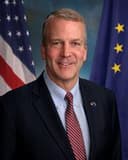
R· Alaska
YRS IN OFFICE
11
BILLS LED
72
ACTION TIMELINE
2 EVENTSMAY 13
Introduced in Senate
MAY 13
Read twice and referred to the Committee on Health, Education, Labor, and Pensions.
BILL INFO
TypeSenate Bill
NumberS 1738
Congress119th
StatusIn Committee
IntroducedMay 13, 2025
Last actionMay 13, 2025
READER REACTIONS
OVERALL SENTIMENT
No reactions yet. Be the first to weigh in.
Discussion
Loading comments...
IN COMMITTEE· 119TH CONGRESS · HEALTH, EDUCATION, LABOR, AND PENSIONS COMMITTEE · INTRODUCED MAY 13, 2025
Senate BillS 1738Education
Securing Academia from Foreign Entanglements Act
INTRODUCED MAY 13, 2025· LAST ACTION MAY 13, 2025
PASSAGE CHANCES
—%
READING
2 min
COSPONSORS
0
COMPLEXITY
Moderate