Bills · HR 4902
IN COMMITTEE· 119TH CONGRESS
House BillHR 4902Education
Securing Academia from Foreign Entanglements Act
INTRO AUG 5· LAST ACTION AUG 5
READING
2MIN
COSPONSORS
0
READER REACTIONS0 TOTAL
NO VOTES YET · BE THE FIRST
- Introduced only
LEGISLATIVE PROGRESS
STEP 2 / 8Introduced
In Committee
Reported
Passed House
Passed Senate
Conference
To President
Became Law
WHAT THE BILL DOES
AI-writtenVoters should care about this bill because it aims to protect national security and the integrity of American academic research and institutions. If this bill becomes law, it could reduce the potential for foreign governments deemed hostile to influence U.S. college curricula, research agendas, or intellectual property through financial contributions or partnerships. This could be seen as safeguarding academic freedom and preventing espionage or the theft of sensitive research.
If the bill does not become law, colleges would continue to operate under existing disclosure rules, which require reporting large foreign gifts but do not prohibit them based on the donor's national security status. This means the risk of foreign influence, as perceived by supporters of the bill, would remain unchanged, and institutions could continue to accept funds from countries the government identifies as concerns.
KEY PROVISIONS
3AI-extractedPROVISION 01
Prohibits U.S. colleges from receiving gifts or entering into contracts with "foreign countries of concern."
This directly limits financial ties between U.S. academic institutions and governments identified as potential national security risks.
PROVISION 02
Defines "foreign country of concern" to include specific 'covered nations' and any country deemed detrimental to U.S. national security by key federal secretaries.
This establishes clear criteria for identifying which foreign governments are subject to the prohibition.
PROVISION 03
Clarifies that the prohibition does not apply to tuition, room and board, fees, or other student costs of attendance.
This ensures that individual students from these countries can still attend U.S. colleges and pay for their education.
SPONSORSHIP
1 + 0
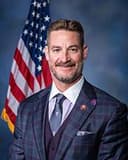
R· Florida
YRS IN OFFICE
7
BILLS LED
113
ACTION TIMELINE
2 EVENTSAUG 5
Introduced in House
AUG 5
Referred to the House Committee on Education and Workforce.
BILL INFO
TypeHouse Bill
NumberHR 4902
Congress119th
StatusIn Committee
IntroducedAug 5, 2025
Last actionAug 5, 2025
READER REACTIONS
OVERALL SENTIMENT
No reactions yet. Be the first to weigh in.
Discussion
Loading comments...
IN COMMITTEE· 119TH CONGRESS · EDUCATION AND WORKFORCE COMMITTEE · INTRODUCED AUG 5, 2025
House BillHR 4902Education
Securing Academia from Foreign Entanglements Act
INTRODUCED AUG 5, 2025· LAST ACTION AUG 5, 2025
PASSAGE CHANCES
—%
READING
2 min
COSPONSORS
0
COMPLEXITY
Moderate