Bills · S 1205
IN COMMITTEE· 119TH CONGRESS
Senate BillS 1205Taxation
Free Speech Fairness Act
INTRO MAR 31· LAST ACTION MAR 31
READING
2MIN
COSPONSORS
2
READER REACTIONS0 TOTAL
NO VOTES YET · BE THE FIRST
- Introduced only
LEGISLATIVE PROGRESS
STEP 2 / 8Introduced
In Committee
Reported
Passed Senate
Passed House
Conference
To President
Became Law
WHAT THE BILL DOES
AI-writtenCurrently, the Johnson Amendment to the tax code largely prohibits 501(c)(3) organizations from endorsing or opposing political candidates. This restriction aims to prevent tax-deductible donations from being used for partisan political activities and to keep charitable organizations focused on their non-political missions. If an organization violates this rule, it can lose its valuable tax-exempt status.
This bill matters because it would significantly relax that prohibition. If it becomes law, it would allow charities, churches, and schools to engage in more direct political speech related to campaigns without fear of losing their tax-exempt status. This could lead to a substantial increase in political messaging from these organizations, potentially blurring the lines between charitable advocacy and partisan politics. Voters might find that the organizations they support with donations are also taking stances on political candidates, which could influence how people perceive and interact with non-profits, and how political campaigns are run.
KEY PROVISIONS
4AI-extractedPROVISION 01
Allows 501(c)(3) charitable organizations to make statements relating to political campaigns.
This provision directly changes the current prohibition on political campaign intervention by tax-exempt charities, offering them more flexibility.
PROVISION 02
Such statements must be made in the ordinary course of carrying out the organization's tax-exempt purpose.
This condition ensures that political statements are tied to the organization's core mission rather than being a standalone political activity.
PROVISION 03
The statements must result in no more than 'de minimis incremental expenses' for the organization.
This financial limit prevents organizations from dedicating significant resources to political campaign activities while retaining tax-exempt status.
PROVISION 04
An organization meeting these conditions will not be deemed to have participated in or intervened in a political campaign.
This clarifies that organizations adhering to the new rules will not face penalties like the loss of their tax-exempt status for such statements.
SPONSORSHIP
1 + 2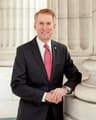
R· Oklahoma
YRS IN OFFICE
15
BILLS LED
77
COSPONSOR BREAKDOWNBIPARTISAN · 0%
DEM 0 REP 2 IND 0
ACTION TIMELINE
2 EVENTSMAR 31
Introduced in Senate
MAR 31
Read twice and referred to the Committee on Finance.
BILL INFO
TypeSenate Bill
NumberS 1205
Congress119th
StatusIn Committee
IntroducedMar 31, 2025
Last actionMar 31, 2025
READER REACTIONS
OVERALL SENTIMENT
No reactions yet. Be the first to weigh in.
Discussion
Loading comments...
IN COMMITTEE· 119TH CONGRESS · FINANCE COMMITTEE · INTRODUCED MAR 31, 2025
Senate BillS 1205Taxation
Free Speech Fairness Act
INTRODUCED MAR 31, 2025· LAST ACTION MAR 31, 2025
PASSAGE CHANCES
—%
READING
2 min
COSPONSORS
2
COMPLEXITY
Moderate