Bills · HR 2501
IN COMMITTEE· 119TH CONGRESS
House BillHR 2501Taxation
Free Speech Fairness Act
INTRO MAR 31· LAST ACTION MAR 31
READING
2MIN
COSPONSORS
38
READER REACTIONS0 TOTAL
NO VOTES YET · BE THE FIRST
- Introduced only
LEGISLATIVE PROGRESS
STEP 2 / 8Introduced
In Committee
Reported
Passed House
Passed Senate
Conference
To President
Became Law
WHAT THE BILL DOES
AI-writtenThis bill matters because it proposes a significant change to a long-standing rule known as the Johnson Amendment, which has been in place since 1954. This rule prevents tax-exempt charities from engaging in partisan political activities, ensuring they remain non-partisan and that tax-deductible donations are not used to support or oppose political candidates.
If this bill becomes law, it could lead to increased political activity from charities and religious organizations, potentially changing the landscape of elections and public debate. Supporters argue it protects free speech for these groups, while opponents worry it could politicize charities, erode public trust, and allow tax-exempt funds to flow into partisan politics. The current relevance lies in ongoing debates about the role of non-profit organizations in political campaigns and the separation of tax-exempt status from partisan endorsements.
KEY PROVISIONS
4AI-extractedPROVISION 01
Allows 501(c)(3) organizations to make statements relating to political campaigns.
This provision directly overturns a long-standing prohibition against partisan political intervention by charities.
PROVISION 02
Requires such statements to be made in the ordinary course of carrying out the organization's tax-exempt purpose.
This condition aims to limit political statements to those relevant to the organization's core mission rather than general political endorsements.
PROVISION 03
Limits the incremental expenses incurred for such statements to 'de minimis' (very small) amounts.
This ensures that organizations do not dedicate substantial new resources or funds specifically to political campaign activities.
PROVISION 04
Applies the new rule to taxable years ending after the date the bill becomes law.
This sets the timeframe for when organizations can begin to act under the new provisions.
SPONSORSHIP
1 + 38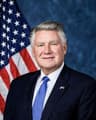
R· North Carolina
YRS IN OFFICE
1
BILLS LED
17
COSPONSOR BREAKDOWNBIPARTISAN · 0%
DEM 0 REP 38 IND 0
ACTION TIMELINE
2 EVENTSMAR 31
Introduced in House
MAR 31
Referred to the House Committee on Ways and Means.
BILL INFO
TypeHouse Bill
NumberHR 2501
Congress119th
StatusIn Committee
IntroducedMar 31, 2025
Last actionMar 31, 2025
READER REACTIONS
OVERALL SENTIMENT
No reactions yet. Be the first to weigh in.
Discussion
Loading comments...
IN COMMITTEE· 119TH CONGRESS · WAYS AND MEANS COMMITTEE · INTRODUCED MAR 31, 2025
House BillHR 2501Taxation
Free Speech Fairness Act
INTRODUCED MAR 31, 2025· LAST ACTION MAR 31, 2025
PASSAGE CHANCES
—%
READING
2 min
COSPONSORS
38
COMPLEXITY
Moderate