Bills · HRES 569
IN COMMITTEE· 119TH CONGRESS
House Res.HRES 569Civil Rights and Liberties, Minority Issues
Affirming that diversity, equity, inclusion, and accessibility are fundamental values of the United States and emphasizing the ongoing need to address discrimination and inequality in the workplace, elementary, secondary, and higher education systems, government programs, the military, and our society.
INTRO JUL 10· LAST ACTION JUL 10
READING
16MIN
COSPONSORS
25
READER REACTIONS0 TOTAL
NO VOTES YET · BE THE FIRST
- Non-binding
LEGISLATIVE PROGRESS
STEP 2 / 8Introduced
In Committee
Reported
Passed House
Passed Senate
Conference
To President
Became Law
WHAT THE BILL DOES
AI-writtenThis resolution matters because it represents an official stance by a chamber of Congress on significant societal issues. While it doesn't create new laws or programs, it signals that a majority of the House believes that diversity, equity, inclusion, and accessibility are fundamental national values and that discrimination is a problem requiring ongoing attention. This can influence public discourse, guide future legislative efforts, and underscore the importance of existing initiatives aimed at reducing inequality.
If this resolution passes, it adds a formal congressional voice to the conversation about systemic discrimination and the value of DEIA efforts. If it does not pass, it could suggest a lack of consensus on these values or the severity of the issues raised within the House of Representatives.
KEY PROVISIONS
4AI-extractedPROVISION 01
Affirms that diversity, equity, inclusion, and accessibility (DEIA) are fundamental values of the United States.
This provision signals Congress's official position on the importance of these concepts in American society.
PROVISION 02
Emphasizes the ongoing need to address discrimination and inequality in various sectors like the workplace, education, government, and the military.
This highlights specific areas where Congress believes efforts to combat discrimination are still necessary.
PROVISION 03
Cites extensive data showing persistent segregation, exclusion, and discrimination faced by various demographic groups in housing, healthcare, education, and employment.
This grounds the resolution in specific societal issues and challenges faced by communities.
PROVISION 04
States that DEIA initiatives address discriminatory barriers to opportunity and are not unlawful quotas.
This provision clarifies the resolution's interpretation of DEIA initiatives, addressing a common point of public debate.
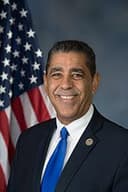
SPONSORSHIP
1 + 25
D· New York
YRS IN OFFICE
9
BILLS LED
47
COSPONSOR BREAKDOWNBIPARTISAN · 0%
DEM 25 REP 0 IND 0
ACTION TIMELINE
2 EVENTSJUL 10
Submitted in House
JUL 10
Referred to the House Committee on Oversight and Government Reform.
BILL INFO
TypeHouse Resolution
NumberHRES 569
Congress119th
StatusIn Committee
IntroducedJul 10, 2025
Last actionJul 10, 2025
READER REACTIONS
OVERALL SENTIMENT
No reactions yet. Be the first to weigh in.
Discussion
Loading comments...
IN COMMITTEE· 119TH CONGRESS · OVERSIGHT AND GOVERNMENT REFORM COMMITTEE · INTRODUCED JUL 10, 2025
House Res.HRES 569Civil Rights and Liberties, Minority Issues
Affirming that diversity, equity, inclusion, and accessibility are fundamental values of the United States and emphasizing the ongoing need to address discrimination and inequality in the workplace, elementary, secondary, and higher education systems, government programs, the military, and our society.
INTRODUCED JUL 10, 2025· LAST ACTION JUL 10, 2025
PASSAGE CHANCES
—%
READING
16 min
COSPONSORS
25
COMPLEXITY
Moderate