6 stories credited to The Jewish Voice
Latest story Apr 16, 2026 · on ChamberLight since Apr 2026
A story can appear as several articles (copies of the same piece), so counts of stories and of articles differ.
Scores for The Jewish Voice
Writing quality not enough rated stories yet: 5 of 10. How it is measured
Scores last checked Sep 24, 2026.
Articles this site reproduces
How provenance is decidedOriginal publishers of articles on tjvnews.com
Counted from articles on tjvnews.com whose original publisher is verified from the page itself or confirmed by an independent signal.
Stories ChamberLight collected, by month
Stories credited to The Jewish Voice, by publication date. ChamberLight collects articles that mention the officials it tracks, so this shows its own coverage of this source, not how much the source publishes.
- Stories from The Jewish Voice
- Shaded: ChamberLight collected no stories, or almost none, from any outlet (a gap in its collection, not in the outlet’s publishing)
Show as a table
| Month | Stories | All outlets |
|---|---|---|
| April 2026 | 6 | 4,377 |
| May 2026 | 0 | none collected |
| June 2026 | 0 | none collected |
| July 2026 | 0 | none collected |
| August 2026 | 0 | 1 (collection gap) |
| September 2026 | 0 | 598 |
Top topics
Share of this source’s stories tagged with each topic. A story can carry several topics, so the shares do not add up to 100%.
- Criminal Justice5
83% of 6 stories · 20% across all outlets
- Ethics/Corruption5
83% of 6 stories · 62% across all outlets
- Defense/Military3
50% of 6 stories · 26% across all outlets
- Foreign Policy2
33% of 6 stories · 30% across all outlets
- Budget/Spending1
17% of 6 stories · 33% across all outlets
- Technology/Privacy1
17% of 6 stories · 10% across all outlets
The thin mark on each bar is the topic’s share across all outlets.
Who they cover
Party of the officials these stories are mainly about, across all 10 officials named. A story counts once for each official it is mainly about, so the split is over 10 story–official pairs, from 6 stories.
- Democrat50% · 5 pairs
- Republican40% · 4 pairs
- Independent10% · 1 pair
Most covered
Stories mainly about each official, and their share of the source’s 6 stories.
Article tone
ChamberLight’s article analysis assigns each story a tone toward the official it covers. It describes the coverage of that official, not The Jewish Voice’s stance, and reader votes do not change it. 6 stories.
- Good Look
- 0 (0%)
- Mixed
- 4 (67%)
- Informational
- 1 (17%)
- Bad Look
- 1 (17%)
Challenges to these scores
No one has challenged a score on this page yet. Anyone can; editors publish every outcome here.
Articles served from tjvnews.com
14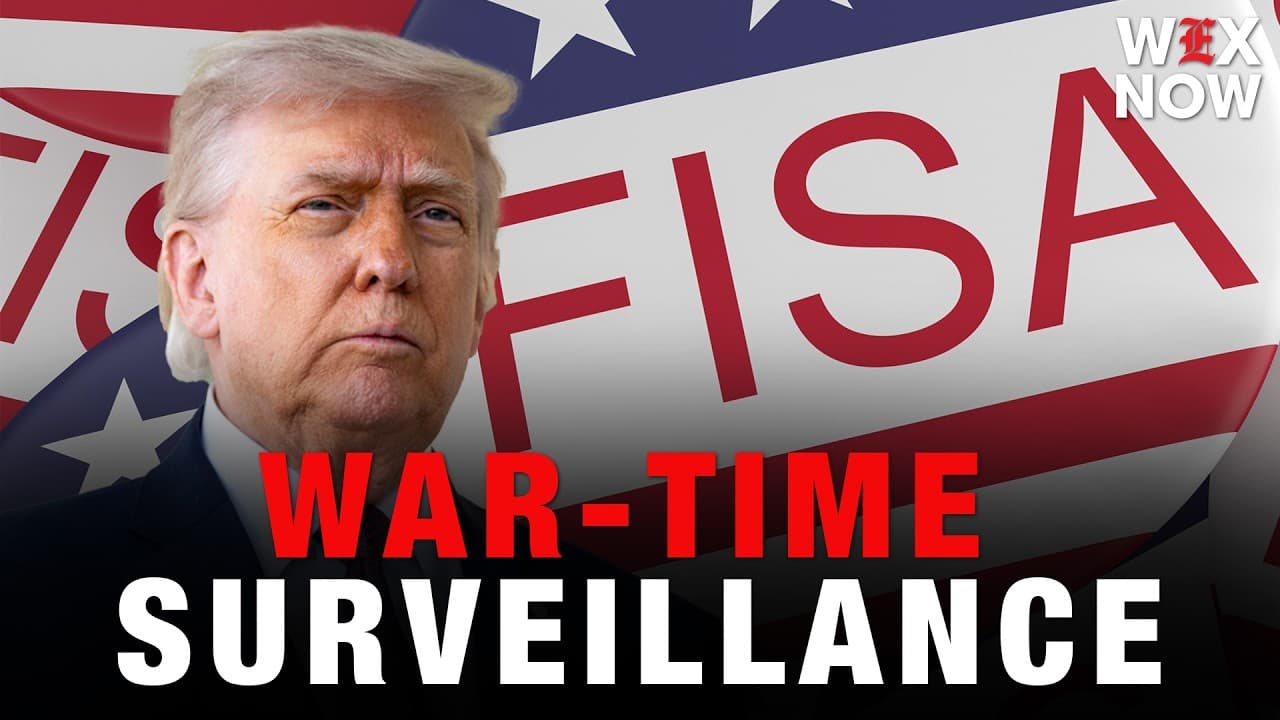
Trump Urges Extending Foreign Surveillance Program as Some Lawmakers Push for Us Privacy Protections
(AP) — Congress is set to take up the reauthorization of a divisive program that lets U.S. spy agencies pore over foreigners’ calls, texts and emails, with supporters like President Donald Trump saying it has saved lives while critics point to long-standing concerns about warrantless surveillance of Americans. A key provision of the Foreign Intelligence Surveillance Act permits the CIA, National Security Agency, FBI and other agencies to collect and analyze vast amounts of overseas communications without a warrant. It incidentally sweeps up the conversations of any Americans who interact with those foreigners targeted for surveillance. The program expires Monday, and critics want changes, including a requirement for warrants before authorities can access the emails, phone calls or text messages of Americans. They also want limits on the government’s use of internet data brokers, who sell large volumes of personal information gleaned online, offering the government what critics say amounts to an end-run around the Constitution. Despite bipartisan criticism, the chances of significant changes dropped when Trump announced his support for the program’s renewal, saying it had proved its worth in supplying information vital to recent U.S. actions in Venezuela and Iran. “The fact is, whether you like FISA or not, it is extremely important to our military,” Trump said on social media Tuesday. Trump calls for another extension of the program U.S. authorities say the program, known as Section 702 of the law, is essential to national security and has saved lives by uncovering terrorist plots. Critics question what they say is a dangerous infringement on civil liberties and privacy. In a Truth Social post, Trump said a different FISA provision was used to spy on his 2016 campaign but that he supported Section 702’s renewal despite misgivings that political adversaries could use parts of the law against him in the future. He urged lawmakers to extend the foreign surveillance program for 18 more months. “My administration has worked tirelessly to ensure these FISA reforms are being aggressively executed at every level of the Executive Branch to keep Americans safe, while protecting our sacred Civil Liberties guaranteed by our Great Constitution,” Trump wrote. The Republican president is a longtime critic of the nation’s intelligence services and was once opposed to Section 702 before he reversed himself. His director of national intelligence, Tulsi Gabbard, sponsored legislation to repeal Section 702 as a Hawaii congresswoman but now supports it. She says new protections added since her time in Congress helped change her mind. Greater protections are sought for Americans’ communications In addition to a requirement for a warrant to access Americans’ data, critics also want greater protections on how the FBI or other agencies can search communications and how that is reported to the public. “Journalists, foreign aid workers, people with family overseas, all could have their communications swept up in this surveillance merely because they talked to someone outside of this country,” said Sen. Ron Wyden, D-Ore. He is pushing for changes that he said will ensure the government is not violating civil rights in secret. Several Republicans also have suggested changes, such as the warrant requirement. “National security and civil liberties are not mutually exclusive,” said Rep. Andy Biggs, R-Ariz. “We can give our intelligence professionals the tools they need to target foreign threats while ensuring that Americans are not subjected to unconstitutional surveillance.” Gabbard’s office releases an annual report showing the number of foreign surveillance targets and number of searches likely to identify an American. For 2025, the number of foreign surveillance targets increased to nearly 350,000 from almost 292,000 in 2024. Searches using terms likely to identify an American decreased slightly to 7,724 from 7,845 in 2024. The totals are incomplete because agencies such as the FBI have found ways to access the data without reporting the searches publicly, said Elizabeth Goitein, senior director of the Liberty and National Security Program at the Brennan Center for Justice at New York University. FBI officials repeatedly violated their own standards when searching for intelligence related to the Jan. 6, 2021, riot at the Capitol and racial justice protests in 2020, according to a 2024 court order. “It’s reminiscent of J. Edgar Hoover’s tenure at the FBI,” Goitein said, referring to the FBI’s founding director who used illegal surveillance to harass and spy on Americans. “They can pretty much target anyone.” There’s little time to make changes to the law Despite bipartisan concerns about the law and its implications for civil liberties, time is running out for Congress to make any changes before Monday’s expiration. Trump’s support also reduces the odds that enough Republicans will break ranks and join Democrats to push for an overhaul. Rep. Jim Himes of Connecticut, the top Democrat on the House Intelligence Committee, announced a proposal Tuesday night that would require the Department of Justice to seek a court order before the FBI could access search results involving Americans. Himes said in a statement that he wants to see Section 702 renewed with new protections. He said it “is too critical to allow it to expire, but the legitimate concerns about the possibility of abuse also demand that we consider additional reforms.” The best chance for inserting changes likely is the House, where a large number of lawmakers from both parties have expressed concerns. But Rep. Rick Crawford, an Arkansas Republican who leads the House Intelligence Committee, is backing Trump’s call for an 18-month renewal. Crawford has said he believes the government can empower spy agencies while also holding them accountable. The post Trump Urges Extending Foreign Surveillance Program as Some Lawmakers Push for Us Privacy Protections appeared first on The Jewish Voice.
Trump Urges Extending Foreign Surveillance Program as Some Lawmakers Push for Us Privacy Protections
(AP) — Congress is set to take up the reauthorization of a divisive program that lets U.S. spy agencies pore over foreigners’ calls, texts and emails, with supporters like President Donald Trump saying it has saved lives while critics point to long-standing concerns about warrantless surveillance of Americans. A key provision of the Foreign Intelligence Surveillance Act permits the CIA, National Security Agency, FBI and other agencies to collect and analyze vast amounts of overseas communications without a warrant. It incidentally sweeps up the conversations of any Americans who interact with those foreigners targeted for surveillance. The program expires Monday, and critics want changes, including a requirement for warrants before authorities can access the emails, phone calls or text messages of Americans. They also want limits on the government’s use of internet data brokers, who sell large volumes of personal information gleaned online, offering the government what critics say amounts to an end-run around the Constitution. Despite bipartisan criticism, the chances of significant changes dropped when Trump announced his support for the program’s renewal, saying it had proved its worth in supplying information vital to recent U.S. actions in Venezuela and Iran. “The fact is, whether you like FISA or not, it is extremely important to our military,” Trump said on social media Tuesday. Trump calls for another extension of the program U.S. authorities say the program, known as Section 702 of the law, is essential to national security and has saved lives by uncovering terrorist plots. Critics question what they say is a dangerous infringement on civil liberties and privacy. In a Truth Social post, Trump said a different FISA provision was used to spy on his 2016 campaign but that he supported Section 702’s renewal despite misgivings that political adversaries could use parts of the law against him in the future. He urged lawmakers to extend the foreign surveillance program for 18 more months. “My administration has worked tirelessly to ensure these FISA reforms are being aggressively executed at every level of the Executive Branch to keep Americans safe, while protecting our sacred Civil Liberties guaranteed by our Great Constitution,” Trump wrote. The Republican president is a longtime critic of the nation’s intelligence services and was once opposed to Section 702 before he reversed himself. His director of national intelligence, Tulsi Gabbard, sponsored legislation to repeal Section 702 as a Hawaii congresswoman but now supports it. She says new protections added since her time in Congress helped change her mind. Greater protections are sought for Americans’ communications In addition to a requirement for a warrant to access Americans’ data, critics also want greater protections on how the FBI or other agencies can search communications and how that is reported to the public. “Journalists, foreign aid workers, people with family overseas, all could have their communications swept up in this surveillance merely because they talked to someone outside of this country,” said Sen. Ron Wyden, D-Ore. He is pushing for changes that he said will ensure the government is not violating civil rights in secret. Several Republicans also have suggested changes, such as the warrant requirement. “National security and civil liberties are not mutually exclusive,” said Rep. Andy Biggs, R-Ariz. “We can give our intelligence professionals the tools they need to target foreign threats while ensuring that Americans are not subjected to unconstitutional surveillance.” Gabbard’s office releases an annual report showing the number of foreign surveillance targets and number of searches likely to identify an American. For 2025, the number of foreign surveillance targets increased to nearly 350,000 from almost 292,000 in 2024. Searches using terms likely to identify an American decreased slightly to 7,724 from 7,845 in 2024. The totals are incomplete because agencies such as the FBI have found ways to access the data without reporting the searches publicly, said Elizabeth Goitein, senior director of the Liberty and National Security Program at the Brennan Center for Justice at New York University. FBI officials repeatedly violated their own standards when searching for intelligence related to the Jan. 6, 2021, riot at the Capitol and racial justice protests in 2020, according to a 2024 court order. “It’s reminiscent of J. Edgar Hoover’s tenure at the FBI,” Goitein said, referring to the FBI’s founding director who used illegal surveillance to harass and spy on Americans. “They can pretty much target anyone.” There’s little time to make changes to the law Despite bipartisan concerns about the law and its implications for civil liberties, time is running out for Congress to make any changes before Monday’s expiration. Trump’s support also reduces the odds that enough Republicans will break ranks and join Democrats to push for an overhaul. Rep. Jim Himes of Connecticut, the top Democrat on the House Intelligence Committee, announced a proposal Tuesday night that would require the Department of Justice to seek a court order before the FBI could access search results involving Americans. Himes said in a statement that he wants to see Section 702 renewed with new protections. He said it “is too critical to allow it to expire, but the legitimate concerns about the possibility of abuse also demand that we consider additional reforms.” The best chance for inserting changes likely is the House, where a large number of lawmakers from both parties have expressed concerns. But Rep. Rick Crawford, an Arkansas Republican who leads the House Intelligence Committee, is backing Trump’s call for an 18-month renewal. Crawford has said he believes the government can empower spy agencies while also holding them accountable. The post Trump Urges Extending Foreign Surveillance Program as Some Lawmakers Push for Us Privacy Protections appeared first on The Jewish Voice.
Trump Urges Extending Foreign Surveillance Program as Some Lawmakers Push for Us Privacy Protections
(AP) — Congress is set to take up the reauthorization of a divisive program that lets U.S. spy agencies pore over foreigners’ calls, texts and emails, with supporters like President Donald Trump saying it has saved lives while critics point to long-standing concerns about warrantless surveillance of Americans. A key provision of the Foreign Intelligence Surveillance Act permits the CIA, National Security Agency, FBI and other agencies to collect and analyze vast amounts of overseas communications without a warrant. It incidentally sweeps up the conversations of any Americans who interact with those foreigners targeted for surveillance. The program expires Monday, and critics want changes, including a requirement for warrants before authorities can access the emails, phone calls or text messages of Americans. They also want limits on the government’s use of internet data brokers, who sell large volumes of personal information gleaned online, offering the government what critics say amounts to an end-run around the Constitution. Despite bipartisan criticism, the chances of significant changes dropped when Trump announced his support for the program’s renewal, saying it had proved its worth in supplying information vital to recent U.S. actions in Venezuela and Iran. “The fact is, whether you like FISA or not, it is extremely important to our military,” Trump said on social media Tuesday. Trump calls for another extension of the program U.S. authorities say the program, known as Section 702 of the law, is essential to national security and has saved lives by uncovering terrorist plots. Critics question what they say is a dangerous infringement on civil liberties and privacy. In a Truth Social post, Trump said a different FISA provision was used to spy on his 2016 campaign but that he supported Section 702’s renewal despite misgivings that political adversaries could use parts of the law against him in the future. He urged lawmakers to extend the foreign surveillance program for 18 more months. “My administration has worked tirelessly to ensure these FISA reforms are being aggressively executed at every level of the Executive Branch to keep Americans safe, while protecting our sacred Civil Liberties guaranteed by our Great Constitution,” Trump wrote. The Republican president is a longtime critic of the nation’s intelligence services and was once opposed to Section 702 before he reversed himself. His director of national intelligence, Tulsi Gabbard, sponsored legislation to repeal Section 702 as a Hawaii congresswoman but now supports it. She says new protections added since her time in Congress helped change her mind. Greater protections are sought for Americans’ communications In addition to a requirement for a warrant to access Americans’ data, critics also want greater protections on how the FBI or other agencies can search communications and how that is reported to the public. “Journalists, foreign aid workers, people with family overseas, all could have their communications swept up in this surveillance merely because they talked to someone outside of this country,” said Sen. Ron Wyden, D-Ore. He is pushing for changes that he said will ensure the government is not violating civil rights in secret. Several Republicans also have suggested changes, such as the warrant requirement. “National security and civil liberties are not mutually exclusive,” said Rep. Andy Biggs, R-Ariz. “We can give our intelligence professionals the tools they need to target foreign threats while ensuring that Americans are not subjected to unconstitutional surveillance.” Gabbard’s office releases an annual report showing the number of foreign surveillance targets and number of searches likely to identify an American. For 2025, the number of foreign surveillance targets increased to nearly 350,000 from almost 292,000 in 2024. Searches using terms likely to identify an American decreased slightly to 7,724 from 7,845 in 2024. The totals are incomplete because agencies such as the FBI have found ways to access the data without reporting the searches publicly, said Elizabeth Goitein, senior director of the Liberty and National Security Program at the Brennan Center for Justice at New York University. FBI officials repeatedly violated their own standards when searching for intelligence related to the Jan. 6, 2021, riot at the Capitol and racial justice protests in 2020, according to a 2024 court order. “It’s reminiscent of J. Edgar Hoover’s tenure at the FBI,” Goitein said, referring to the FBI’s founding director who used illegal surveillance to harass and spy on Americans. “They can pretty much target anyone.” There’s little time to make changes to the law Despite bipartisan concerns about the law and its implications for civil liberties, time is running out for Congress to make any changes before Monday’s expiration. Trump’s support also reduces the odds that enough Republicans will break ranks and join Democrats to push for an overhaul. Rep. Jim Himes of Connecticut, the top Democrat on the House Intelligence Committee, announced a proposal Tuesday night that would require the Department of Justice to seek a court order before the FBI could access search results involving Americans. Himes said in a statement that he wants to see Section 702 renewed with new protections. He said it “is too critical to allow it to expire, but the legitimate concerns about the possibility of abuse also demand that we consider additional reforms.” The best chance for inserting changes likely is the House, where a large number of lawmakers from both parties have expressed concerns. But Rep. Rick Crawford, an Arkansas Republican who leads the House Intelligence Committee, is backing Trump’s call for an 18-month renewal. Crawford has said he believes the government can empower spy agencies while also holding them accountable. The post Trump Urges Extending Foreign Surveillance Program as Some Lawmakers Push for Us Privacy Protections appeared first on The Jewish Voice.
Trump Urges Extending Foreign Surveillance Program as Some Lawmakers Push for Us Privacy Protections
(AP) — Congress is set to take up the reauthorization of a divisive program that lets U.S. spy agencies pore over foreigners’ calls, texts and emails, with supporters like President Donald Trump saying it has saved lives while critics point to long-standing concerns about warrantless surveillance of Americans. A key provision of the Foreign Intelligence Surveillance Act permits the CIA, National Security Agency, FBI and other agencies to collect and analyze vast amounts of overseas communications without a warrant. It incidentally sweeps up the conversations of any Americans who interact with those foreigners targeted for surveillance. The program expires Monday, and critics want changes, including a requirement for warrants before authorities can access the emails, phone calls or text messages of Americans. They also want limits on the government’s use of internet data brokers, who sell large volumes of personal information gleaned online, offering the government what critics say amounts to an end-run around the Constitution. Despite bipartisan criticism, the chances of significant changes dropped when Trump announced his support for the program’s renewal, saying it had proved its worth in supplying information vital to recent U.S. actions in Venezuela and Iran. “The fact is, whether you like FISA or not, it is extremely important to our military,” Trump said on social media Tuesday. Trump calls for another extension of the program U.S. authorities say the program, known as Section 702 of the law, is essential to national security and has saved lives by uncovering terrorist plots. Critics question what they say is a dangerous infringement on civil liberties and privacy. In a Truth Social post, Trump said a different FISA provision was used to spy on his 2016 campaign but that he supported Section 702’s renewal despite misgivings that political adversaries could use parts of the law against him in the future. He urged lawmakers to extend the foreign surveillance program for 18 more months. “My administration has worked tirelessly to ensure these FISA reforms are being aggressively executed at every level of the Executive Branch to keep Americans safe, while protecting our sacred Civil Liberties guaranteed by our Great Constitution,” Trump wrote. The Republican president is a longtime critic of the nation’s intelligence services and was once opposed to Section 702 before he reversed himself. His director of national intelligence, Tulsi Gabbard, sponsored legislation to repeal Section 702 as a Hawaii congresswoman but now supports it. She says new protections added since her time in Congress helped change her mind. Greater protections are sought for Americans’ communications In addition to a requirement for a warrant to access Americans’ data, critics also want greater protections on how the FBI or other agencies can search communications and how that is reported to the public. “Journalists, foreign aid workers, people with family overseas, all could have their communications swept up in this surveillance merely because they talked to someone outside of this country,” said Sen. Ron Wyden, D-Ore. He is pushing for changes that he said will ensure the government is not violating civil rights in secret. Several Republicans also have suggested changes, such as the warrant requirement. “National security and civil liberties are not mutually exclusive,” said Rep. Andy Biggs, R-Ariz. “We can give our intelligence professionals the tools they need to target foreign threats while ensuring that Americans are not subjected to unconstitutional surveillance.” Gabbard’s office releases an annual report showing the number of foreign surveillance targets and number of searches likely to identify an American. For 2025, the number of foreign surveillance targets increased to nearly 350,000 from almost 292,000 in 2024. Searches using terms likely to identify an American decreased slightly to 7,724 from 7,845 in 2024. The totals are incomplete because agencies such as the FBI have found ways to access the data without reporting the searches publicly, said Elizabeth Goitein, senior director of the Liberty and National Security Program at the Brennan Center for Justice at New York University. FBI officials repeatedly violated their own standards when searching for intelligence related to the Jan. 6, 2021, riot at the Capitol and racial justice protests in 2020, according to a 2024 court order. “It’s reminiscent of J. Edgar Hoover’s tenure at the FBI,” Goitein said, referring to the FBI’s founding director who used illegal surveillance to harass and spy on Americans. “They can pretty much target anyone.” There’s little time to make changes to the law Despite bipartisan concerns about the law and its implications for civil liberties, time is running out for Congress to make any changes before Monday’s expiration. Trump’s support also reduces the odds that enough Republicans will break ranks and join Democrats to push for an overhaul. Rep. Jim Himes of Connecticut, the top Democrat on the House Intelligence Committee, announced a proposal Tuesday night that would require the Department of Justice to seek a court order before the FBI could access search results involving Americans. Himes said in a statement that he wants to see Section 702 renewed with new protections. He said it “is too critical to allow it to expire, but the legitimate concerns about the possibility of abuse also demand that we consider additional reforms.” The best chance for inserting changes likely is the House, where a large number of lawmakers from both parties have expressed concerns. But Rep. Rick Crawford, an Arkansas Republican who leads the House Intelligence Committee, is backing Trump’s call for an 18-month renewal. Crawford has said he believes the government can empower spy agencies while also holding them accountable. The post Trump Urges Extending Foreign Surveillance Program as Some Lawmakers Push for Us Privacy Protections appeared first on The Jewish Voice.
Trump Urges Extending Foreign Surveillance Program as Some Lawmakers Push for Us Privacy Protections
(AP) — Congress is set to take up the reauthorization of a divisive program that lets U.S. spy agencies pore over foreigners’ calls, texts and emails, with supporters like President Donald Trump saying it has saved lives while critics point to long-standing concerns about warrantless surveillance of Americans. A key provision of the Foreign Intelligence Surveillance Act permits the CIA, National Security Agency, FBI and other agencies to collect and analyze vast amounts of overseas communications without a warrant. It incidentally sweeps up the conversations of any Americans who interact with those foreigners targeted for surveillance. The program expires Monday, and critics want changes, including a requirement for warrants before authorities can access the emails, phone calls or text messages of Americans. They also want limits on the government’s use of internet data brokers, who sell large volumes of personal information gleaned online, offering the government what critics say amounts to an end-run around the Constitution. Despite bipartisan criticism, the chances of significant changes dropped when Trump announced his support for the program’s renewal, saying it had proved its worth in supplying information vital to recent U.S. actions in Venezuela and Iran. “The fact is, whether you like FISA or not, it is extremely important to our military,” Trump said on social media Tuesday. Trump calls for another extension of the program U.S. authorities say the program, known as Section 702 of the law, is essential to national security and has saved lives by uncovering terrorist plots. Critics question what they say is a dangerous infringement on civil liberties and privacy. In a Truth Social post, Trump said a different FISA provision was used to spy on his 2016 campaign but that he supported Section 702’s renewal despite misgivings that political adversaries could use parts of the law against him in the future. He urged lawmakers to extend the foreign surveillance program for 18 more months. “My administration has worked tirelessly to ensure these FISA reforms are being aggressively executed at every level of the Executive Branch to keep Americans safe, while protecting our sacred Civil Liberties guaranteed by our Great Constitution,” Trump wrote. The Republican president is a longtime critic of the nation’s intelligence services and was once opposed to Section 702 before he reversed himself. His director of national intelligence, Tulsi Gabbard, sponsored legislation to repeal Section 702 as a Hawaii congresswoman but now supports it. She says new protections added since her time in Congress helped change her mind. Greater protections are sought for Americans’ communications In addition to a requirement for a warrant to access Americans’ data, critics also want greater protections on how the FBI or other agencies can search communications and how that is reported to the public. “Journalists, foreign aid workers, people with family overseas, all could have their communications swept up in this surveillance merely because they talked to someone outside of this country,” said Sen. Ron Wyden, D-Ore. He is pushing for changes that he said will ensure the government is not violating civil rights in secret. Several Republicans also have suggested changes, such as the warrant requirement. “National security and civil liberties are not mutually exclusive,” said Rep. Andy Biggs, R-Ariz. “We can give our intelligence professionals the tools they need to target foreign threats while ensuring that Americans are not subjected to unconstitutional surveillance.” Gabbard’s office releases an annual report showing the number of foreign surveillance targets and number of searches likely to identify an American. For 2025, the number of foreign surveillance targets increased to nearly 350,000 from almost 292,000 in 2024. Searches using terms likely to identify an American decreased slightly to 7,724 from 7,845 in 2024. The totals are incomplete because agencies such as the FBI have found ways to access the data without reporting the searches publicly, said Elizabeth Goitein, senior director of the Liberty and National Security Program at the Brennan Center for Justice at New York University. FBI officials repeatedly violated their own standards when searching for intelligence related to the Jan. 6, 2021, riot at the Capitol and racial justice protests in 2020, according to a 2024 court order. “It’s reminiscent of J. Edgar Hoover’s tenure at the FBI,” Goitein said, referring to the FBI’s founding director who used illegal surveillance to harass and spy on Americans. “They can pretty much target anyone.” There’s little time to make changes to the law Despite bipartisan concerns about the law and its implications for civil liberties, time is running out for Congress to make any changes before Monday’s expiration. Trump’s support also reduces the odds that enough Republicans will break ranks and join Democrats to push for an overhaul. Rep. Jim Himes of Connecticut, the top Democrat on the House Intelligence Committee, announced a proposal Tuesday night that would require the Department of Justice to seek a court order before the FBI could access search results involving Americans. Himes said in a statement that he wants to see Section 702 renewed with new protections. He said it “is too critical to allow it to expire, but the legitimate concerns about the possibility of abuse also demand that we consider additional reforms.” The best chance for inserting changes likely is the House, where a large number of lawmakers from both parties have expressed concerns. But Rep. Rick Crawford, an Arkansas Republican who leads the House Intelligence Committee, is backing Trump’s call for an 18-month renewal. Crawford has said he believes the government can empower spy agencies while also holding them accountable. The post Trump Urges Extending Foreign Surveillance Program as Some Lawmakers Push for Us Privacy Protections appeared first on The Jewish Voice.
Trump Urges Extending Foreign Surveillance Program as Some Lawmakers Push for Us Privacy Protections
(AP) — Congress is set to take up the reauthorization of a divisive program that lets U.S. spy agencies pore over foreigners’ calls, texts and emails, with supporters like President Donald Trump saying it has saved lives while critics point to long-standing concerns about warrantless surveillance of Americans. A key provision of the Foreign Intelligence Surveillance Act permits the CIA, National Security Agency, FBI and other agencies to collect and analyze vast amounts of overseas communications without a warrant. It incidentally sweeps up the conversations of any Americans who interact with those foreigners targeted for surveillance. The program expires Monday, and critics want changes, including a requirement for warrants before authorities can access the emails, phone calls or text messages of Americans. They also want limits on the government’s use of internet data brokers, who sell large volumes of personal information gleaned online, offering the government what critics say amounts to an end-run around the Constitution. Despite bipartisan criticism, the chances of significant changes dropped when Trump announced his support for the program’s renewal, saying it had proved its worth in supplying information vital to recent U.S. actions in Venezuela and Iran. “The fact is, whether you like FISA or not, it is extremely important to our military,” Trump said on social media Tuesday. Trump calls for another extension of the program U.S. authorities say the program, known as Section 702 of the law, is essential to national security and has saved lives by uncovering terrorist plots. Critics question what they say is a dangerous infringement on civil liberties and privacy. In a Truth Social post, Trump said a different FISA provision was used to spy on his 2016 campaign but that he supported Section 702’s renewal despite misgivings that political adversaries could use parts of the law against him in the future. He urged lawmakers to extend the foreign surveillance program for 18 more months. “My administration has worked tirelessly to ensure these FISA reforms are being aggressively executed at every level of the Executive Branch to keep Americans safe, while protecting our sacred Civil Liberties guaranteed by our Great Constitution,” Trump wrote. The Republican president is a longtime critic of the nation’s intelligence services and was once opposed to Section 702 before he reversed himself. His director of national intelligence, Tulsi Gabbard, sponsored legislation to repeal Section 702 as a Hawaii congresswoman but now supports it. She says new protections added since her time in Congress helped change her mind. Greater protections are sought for Americans’ communications In addition to a requirement for a warrant to access Americans’ data, critics also want greater protections on how the FBI or other agencies can search communications and how that is reported to the public. “Journalists, foreign aid workers, people with family overseas, all could have their communications swept up in this surveillance merely because they talked to someone outside of this country,” said Sen. Ron Wyden, D-Ore. He is pushing for changes that he said will ensure the government is not violating civil rights in secret. Several Republicans also have suggested changes, such as the warrant requirement. “National security and civil liberties are not mutually exclusive,” said Rep. Andy Biggs, R-Ariz. “We can give our intelligence professionals the tools they need to target foreign threats while ensuring that Americans are not subjected to unconstitutional surveillance.” Gabbard’s office releases an annual report showing the number of foreign surveillance targets and number of searches likely to identify an American. For 2025, the number of foreign surveillance targets increased to nearly 350,000 from almost 292,000 in 2024. Searches using terms likely to identify an American decreased slightly to 7,724 from 7,845 in 2024. The totals are incomplete because agencies such as the FBI have found ways to access the data without reporting the searches publicly, said Elizabeth Goitein, senior director of the Liberty and National Security Program at the Brennan Center for Justice at New York University. FBI officials repeatedly violated their own standards when searching for intelligence related to the Jan. 6, 2021, riot at the Capitol and racial justice protests in 2020, according to a 2024 court order. “It’s reminiscent of J. Edgar Hoover’s tenure at the FBI,” Goitein said, referring to the FBI’s founding director who used illegal surveillance to harass and spy on Americans. “They can pretty much target anyone.” There’s little time to make changes to the law Despite bipartisan concerns about the law and its implications for civil liberties, time is running out for Congress to make any changes before Monday’s expiration. Trump’s support also reduces the odds that enough Republicans will break ranks and join Democrats to push for an overhaul. Rep. Jim Himes of Connecticut, the top Democrat on the House Intelligence Committee, announced a proposal Tuesday night that would require the Department of Justice to seek a court order before the FBI could access search results involving Americans. Himes said in a statement that he wants to see Section 702 renewed with new protections. He said it “is too critical to allow it to expire, but the legitimate concerns about the possibility of abuse also demand that we consider additional reforms.” The best chance for inserting changes likely is the House, where a large number of lawmakers from both parties have expressed concerns. But Rep. Rick Crawford, an Arkansas Republican who leads the House Intelligence Committee, is backing Trump’s call for an 18-month renewal. Crawford has said he believes the government can empower spy agencies while also holding them accountable. The post Trump Urges Extending Foreign Surveillance Program as Some Lawmakers Push for Us Privacy Protections appeared first on The Jewish Voice.

Amid Surging Antisemitic Threats, NJ Gov. Sherrill Cuts Security Funds for BMG; Lakewood’s Largest Yeshiva
Amid Surging Antisemitic Threats, NJ Gov. Sherrill Cuts Security Funds for BMG; Lakewood’s Largest Yeshiva By: Fern Sidman At a moment when the specter of antisemitism is no longer an abstract concern but an increasingly visible and dangerous reality, a controversial fiscal decision in New Jersey has provoked profound unease and sharp criticism. Governor Mikie Sherrill has proposed a sweeping state budget that, among other measures, eliminates dedicated security funding for one of the most prominent Jewish educational institutions in the United States. The decision, as reported on Monday by Lakewood Alerts, has ignited a fierce debate about priorities, political intent, and the responsibilities of government in safeguarding vulnerable communities. At the center of the controversy lies the removal of a $2 million allocation previously earmarked for security and anti-terrorism measures at Beth Medrash Govoha, a sprawling yeshiva in Lakewood that enrolls more than 10,000 students. For years, this funding had been a consistent component of state budgets under former Governor Phil Murphy, reflecting a bipartisan recognition of the unique security challenges faced by large Jewish institutions in an era marked by escalating threats. The proposed cut does not exist in isolation. Sherrill’s budget also reduces the state’s Nonprofit Security Grant Program by $3 million, lowering its total allocation from $10 million to $7 million. This program has served as a critical lifeline for religious institutions and community organizations, enabling them to invest in surveillance systems, security personnel, and physical infrastructure designed to deter and respond to potential attacks. The simultaneous reduction of both targeted and broad-based security funding has amplified concerns that the state is retreating from a posture of vigilance at precisely the wrong time. The timing of these decisions is particularly striking. In recent years, New Jersey had moved decisively in the opposite direction, increasing security funding in response to a documented rise in antisemitic incidents. Synagogues, schools, and community centers have faced an array of threats, ranging from vandalism and harassment to credible plots of violence. This trend mirrors developments across the United States and beyond, where Jewish communities have found themselves increasingly targeted in both physical and digital spaces. Nationally, the resurgence of antisemitism has been both alarming and multifaceted. It has manifested in acts of violence, such as the attack on the Tree of Life synagogue in Pittsburgh, as well as in a steady drumbeat of harassment and intimidation. Online platforms have amplified extremist rhetoric, while geopolitical tensions have often served as catalysts for localized hostility. In this context, security funding is not merely a budgetary line item; it is a tangible expression of the state’s commitment to protecting its citizens. Against this backdrop, the decision to eliminate funding for Beth Medrash Govoha raises serious questions. As detailed in the Lakewood Alerts reports, the yeshiva is not only the largest institution of its kind in the United States but also a central pillar of the Lakewood community. Its size and visibility inherently make it a potential target, necessitating robust security measures. The withdrawal of dedicated funding, critics argue, undermines these efforts and sends a troubling signal about the state’s priorities. Governor Sherrill has defended her budget as a necessary response to fiscal constraints, emphasizing the need to prioritize core expenditures. While such considerations are undeniably important, they must be weighed against the potential consequences of reduced security in a climate of heightened risk. The characterization of these cuts as merely “discretionary” fails to account for the lived realities of communities that face credible threats on a regular basis. Moreover, the preservation of other funding streams—such as transportation and education programs—while security allocations are reduced invites scrutiny. It suggests a selective approach to budgetary austerity, one that raises the possibility of political calculation. Critics have argued that the cuts may reflect a broader reluctance to engage with issues affecting specific communities, particularly those that do not align neatly with prevailing political narratives. The implications of this decision extend beyond New Jersey. Across the United States, Jewish institutions have increasingly relied on public funding to supplement their own security efforts. Programs like the Nonprofit Security Grant Program have been instrumental in enabling organizations to adapt to evolving threats. Reductions in such funding risk creating a patchwork of vulnerability, where some institutions are better equipped than others to protect themselves. Internationally, the resurgence of antisemitism has taken on equally concerning dimensions. In Europe, incidents involving vandalism, assault, and the desecration of Jewish sites have become more frequent. In the Middle East, longstanding tensions continue to reverberate globally, influencing attitudes and behaviors in distant communities. The cumulative effect is a sense of uncertainty and apprehension that transcends national boundaries. Within this broader context, the actions of state governments carry significant symbolic weight. They signal not only policy priorities but also societal values. A decision to reduce security funding for Jewish institutions, even if motivated by fiscal considerations, risks being interpreted as a diminution of the importance placed on their safety. Such perceptions can have lasting consequences, eroding trust and exacerbating feelings of vulnerability. The report by Lakewood Alerts has highlighted the depth of concern within the Lakewood community and beyond. Community leaders have expressed apprehension about the potential impact of the cuts, emphasizing the importance of maintaining robust security measures. Their concerns are not theoretical; they are grounded in a lived experience shaped by an awareness of both historical and contemporary threats. It is also worth considering the broader societal implications of such decisions. Antisemitism, while targeting a specific community, often serves as an indicator of wider social tensions. Its resurgence can signal a breakdown in the norms of tolerance and coexistence that underpin a healthy society. Addressing it, therefore, is not merely a matter of protecting one group but of preserving the integrity of the social fabric as a whole. In this light, the reduction of security funding appears not only imprudent but also shortsighted. It fails to account for the evolving nature of threats and the necessity of proactive measures. It also risks undermining the progress that has been made in recent years, as governments have sought to respond to the growing prevalence of antisemitic incidents. The debate over Governor Sherrill’s budget is likely to continue as lawmakers, community leaders, and the public grapple with its implications. It will involve complex considerations of fiscal responsibility, political accountability, and moral obligation. Yet at its core, the issue is fundamentally straightforward: whether the state will maintain its commitment to protecting those who are most at risk. In the final analysis, the decision to cut security funding for Beth Medrash Govoha and to reduce the broader grant program represents a critical juncture. It forces a reckoning with the priorities that define public policy and the values that guide governance. As the warnings of rising antisemitism grow louder, the need for vigilance becomes ever more urgent. The question that remains is whether New Jersey will heed those warnings—or whether it will allow fiscal considerations, however pressing, to overshadow the imperative of ensuring safety and security for all its citizens. The post Amid Surging Antisemitic Threats, NJ Gov. Sherrill Cuts Security Funds for BMG; Lakewood’s Largest Yeshiva appeared first on The Jewish Voice.

NYPD arrests ‘multiple’ anti-Israel protesters near Schumer’s office
JNS ) The New York City Police Department told JNS that its officers arrested “multiple” people on Monday after activists from Jewish Voice for Peace and other anti-Israel groups tired to enter the Manhattan office of Sen. Chuck Schumer (D-N.Y.) before blocking traffic on Third Avenue. The NYPD told JNS that the exact number of people arrested was not immediately available. Video footage that circulated on social appeared to show protesters trying to access a building that they said contains offices for Schumer and Sen. Kirsten Gillibrand (D-N.Y.). After being denied entry, some demonstrators appeared to remove outer layers of clothing to reveal shirts stated, “fund people, not bombs.” Protesters later sat on the sidewalk chanting, “free Palestine” and “stop the bombs on Iran, stop the bombs on Lebanon, stop the bombs on Palestine,” before moving into the street and blocking traffic, according to the footage. Footage, including from the protest organizers, appeared to show Chelsea Manning, who was convicted in 2013 under the Espionage Act, and Palestinian-American activist Linda Sarsour participating in the protests. Manning appeared to be taken into police custody. Darializa Avila Chevalier, a candidate for New York’s 13th Congressional District endorsed by the Democratic Socialists of America, was arrested “along with 100 others,” according to her campaign, which posted a photo of her being restrained with zip ties. Jewish Voice for Peace took responsibility for organizing the demonstration, stating that hundreds of protesters were participating in a sit-in to oppose U.S. arms support for Israel and to pressure Schumer and Gillibrand ahead of a Senate vote on weapons transfers. “Right now, the Israeli military is using the weapons sold by the U.S. to flatten southern Lebanon, ethnically cleanse Palestinians from the West Bank and continue its genocide in Gaza,” the group wrote. Stu Smith, an investigative analyst at the Manhattan Institute, told JNS that more protests are expected. “With dozens of arrests, Palestinian Political Prisoners Week is off to a hot start in New York,” Smith said. “People should expect more chaos like this as the week continues, especially as April 17, Palestinian Prisoners’ Day, approaches and the anniversary of the start of the Columbia encampment,” he told JNS, citing a planned Palestinian Prisoners Day March in Herald Square in New York City set for April 18. The post NYPD arrests ‘multiple’ anti-Israel protesters near Schumer’s office appeared first on The Jewish Voice.
Rabbis give Mamdani failing grade on first 100 days as NYC mayor
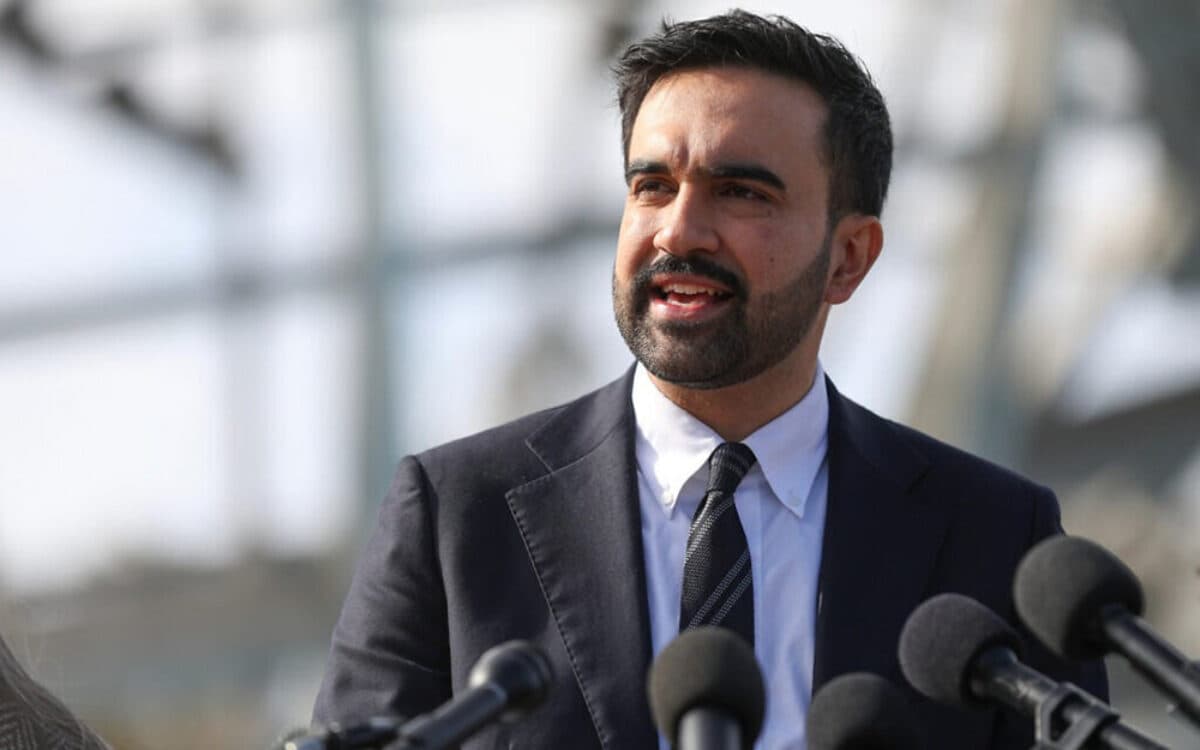
( JNS ) To mark his first 100 days in office, Zohran Mamdani, mayor of New York City, talked about how many potholes he has filled. He should be focusing on mending his relationship with New York City’s Jews, according to Jewish leaders. “Unfortunately, in his first 100 days, Mayor Mamdani has done nothing to allay the concerns I expressed before the election regarding his stance on Israel and the safety of Jewish New Yorkers,” Rabbi Elliot Cosgrove, who leads Park Avenue Synagogue, a Conservative congregation on Manhattan’s Upper East Side, told JNS. Mamdani, who is Muslim, has said that he would have the Israeli prime minister arrested in the Big Apple, and his spokeswoman said that synagogues violate international law by hosting pro-Israel events. “At a moment when anti-Israel rhetoric is increasingly bleeding into antisemitic violence, from Bondi to West Bloomfield, Mich., his refusal to recognize that danger, coupled with the voices he elevates and the company he keeps, reflects a troubling mix of naïveté and negligence toward the very communities he has been entrusted to protect,” Cosgrove told JNS. Rabbi Ammiel Hirsch, spiritual leader of the Stephen Wise Free Synagogue, a Reform congregation on the Upper West Side, told JNS that he hopes that Mamdani “avoids rhetoric and policies that reflect his antagonism towards Israel.” “There is enough for him to do just to run the city. One place to start would be to cease accusing Israel of ‘genocide.’ It is a modern-day blood libel,” Hirsch said. Moshe Davis, who ran the mayoral office to combat Jew-hatred under Eric Adams, Mamdani’s predecessor, and a frequent critic of the current mayor, told JNS that Mamdani could have made better choices than attending and hosting Passover events that emphasized aspects of the holiday other than the redemptive one that pines for “next year in Jerusalem.” New York City Mayor Zohran Mamdani delivers his 100 days address with guest Sen. Bernie Sanders (I-Vt.) at Knockdown Center in Queens, April 12, 2026. Credit: Michael Appleton/Mayoral Photography Office. “One hopes the mayor actually opened the traditional haggadah during his many Seder photo-ops this year rather than just using our traditions for optics,” Davis told JNS. “Had he, he would have learned that we are an ancient nation with an ancestral homeland,” Davis said. “Mayor Mamdani claims he’s not an antisemite and says he’ll commit resources to fight anti-Jewish hate. So far, it seems like the Jewish community’s concerns are not a priority for this administration.” Abby Stein, a progressive rabbi who grew up Chassidic and identifies as transgender, stood behind Mamdani at the mayor’s event on Sunday evening, marking 100 days in office. Stein held a sign saying “pothole politics” and wore a shirt saying “rabbis for ceasefire.” Stein told JNS that Jews ought to be impressed with Mamdani, since the mayor attended Shabbat and Rosh Hashanah services at Stein’s independent synagogue. The mayor “sat through the whole 2.5-hour service and really enjoyed it,” Stein told JNS. “Most Jews don’t do that.” Stein, who served on Mamdani’s transition committee after his election, told JNS that the mayor is “1,000,000% not antisemitic.” The Mamdani supporter also thinks that the mayor showed his concern for Jews by naming Phylisa Wisdom, whose appointment drew extensive criticism, to lead the mayoral office to fight Jew-hatred. New York City Mayor Zohran Mamdani delivers his 100 days address with guest Sen. Bernie Sanders (I-Vt.) at Knockdown Center in Queens, April 12, 2026. Credit: Michael Appleton/Mayoral Photography Office. “The fact that we got someone appointed to the antisemitism office in a month is saying something,” Stein told JNS. “These are important things.” Davis, who held the role before Wisdom, told JNS that under Mamdani, New York City is seeing an alarming rate of Jew-hatred. NYPD statistics bear that out, including more than a 180% increase in Jew-hatred in the city in Mamdani’s first month in office. Despite changing the way it reports hate crime statistics twice already during Mamdani’s mayoralty, the New York City Police Department has still recorded a disproportionate percentage of hate crimes targeting Jews. “Instead of action, we get photo-ops with friendly Jewish audiences, silence on his wife’s support for terror and appearances alongside those who chant ‘strike, strike Tel Aviv,’” Davis told JNS. “Anti-Jewish hate crimes make up more than 55% of all hate crimes in this city.” Davis also said that he gave the mayor a 100-day plan to protect Jewish New Yorkers in January, before he left his city role. “We are all still waiting,” he said. The post Rabbis give Mamdani failing grade on first 100 days as NYC mayor appeared first on The Jewish Voice.

House Democrats Threaten Contempt For Bondi If She Doesn’t Testify In Epstein Probe
Authored by Jacob Burg via The Epoch Times, Democrats on the House Oversight Committee on April 8 threatened to file contempt of Congress charges against former Attorney General Pam Bondi if she doesn’t testify before the House as part of its ongoing investigation into deceased sex offender Jeffrey Epstein. The House Oversight Committee confirmed to The Epoch Times on Wednesday that the Justice Department had said Bondi would no longer appear for a congressional deposition on April 14 “since she is no longer Attorney General and was subpoenaed in her capacity as Attorney General.” “The Committee will contact Pam Bondi’s personal counsel to discuss next steps regarding scheduling her deposition,” the committee said in a statement. Ranking Member Robert Garcia (D-Calif.) said in a statement that if Bondi “does not come in to testify, we will begin contempt charges in Congress.” “Our bipartisan subpoena is to Pam Bondi, whether she is the Attorney General or not,” Garcia said. Committee Chair James Comer (R-K.Y.) issued a subpoena to Bondi on March 17 to order her testimony regarding the Justice Department’s handling of the Epstein files. Democrats and several Republicans have accused her of violating the Epstein Files Transparency Act through the Justice Department’s piecemeal release of documents, and for redacting alleged co-conspirator names while leaving some victim names un-redacted. Enacted late last year with bipartisan support, the Epstein Files Transparency Act mandates that the Justice Department publicly release all non-classified records related to the investigation and prosecution of Epstein and his convicted co-conspirator, Ghislaine Maxwell. Rep. Nancy Mace (R-S.C.) moved in early March to subpoena Bondi to testify before Congress. Four other Republicans—Reps. Lauren Boebert (R-Colo.), Tim Burchett (R-Tenn.), Michael Cloud (R-Texas), and Scott Perry (R-Pa.)—joined Democrats on the House Oversight Committee to support Mace’s motion. Bondi has repeatedly defended the Justice Department’s handling of the Epstein files and denied Democrats’ allegations that she was obstructing congressional oversight. The Justice Department called the subpoena “completely unnecessary” at the time. On Wednesday, Mace reacted to the news that Bondi will no longer appear at next week’s deposition and suggested the Oversight Committee may still subpoena her, now that the former attorney general is a private citizen. “Pam Bondi cannot escape accountability simply because she no longer holds the office of Attorney General. Our motion to subpoena Pam Bondi, which was passed by the Oversight Committee, was for Bondi by name, not by title,” Mace wrote on social media. “She will still have to appear before the Oversight Committee for a sworn deposition. The American people deserve answers, and we expect her to appear as soon as a new date is set.” The House Oversight Committee also recently enforced subpoenas ordering former President Bill Clinton and former First Lady Hillary Clinton to testify regarding Congress’s investigation into Epstein. The post House Democrats Threaten Contempt For Bondi If She Doesn’t Testify In Epstein Probe appeared first on The Jewish Voice.
House Democrats Threaten Contempt For Bondi If She Doesn’t Testify In Epstein Probe
Authored by Jacob Burg via The Epoch Times, Democrats on the House Oversight Committee on April 8 threatened to file contempt of Congress charges against former Attorney General Pam Bondi if she doesn’t testify before the House as part of its ongoing investigation into deceased sex offender Jeffrey Epstein. The House Oversight Committee confirmed to The Epoch Times on Wednesday that the Justice Department had said Bondi would no longer appear for a congressional deposition on April 14 “since she is no longer Attorney General and was subpoenaed in her capacity as Attorney General.” “The Committee will contact Pam Bondi’s personal counsel to discuss next steps regarding scheduling her deposition,” the committee said in a statement. Ranking Member Robert Garcia (D-Calif.) said in a statement that if Bondi “does not come in to testify, we will begin contempt charges in Congress.” “Our bipartisan subpoena is to Pam Bondi, whether she is the Attorney General or not,” Garcia said. Committee Chair James Comer (R-K.Y.) issued a subpoena to Bondi on March 17 to order her testimony regarding the Justice Department’s handling of the Epstein files. Democrats and several Republicans have accused her of violating the Epstein Files Transparency Act through the Justice Department’s piecemeal release of documents, and for redacting alleged co-conspirator names while leaving some victim names un-redacted. Enacted late last year with bipartisan support, the Epstein Files Transparency Act mandates that the Justice Department publicly release all non-classified records related to the investigation and prosecution of Epstein and his convicted co-conspirator, Ghislaine Maxwell. Rep. Nancy Mace (R-S.C.) moved in early March to subpoena Bondi to testify before Congress. Four other Republicans—Reps. Lauren Boebert (R-Colo.), Tim Burchett (R-Tenn.), Michael Cloud (R-Texas), and Scott Perry (R-Pa.)—joined Democrats on the House Oversight Committee to support Mace’s motion. Bondi has repeatedly defended the Justice Department’s handling of the Epstein files and denied Democrats’ allegations that she was obstructing congressional oversight. The Justice Department called the subpoena “completely unnecessary” at the time. On Wednesday, Mace reacted to the news that Bondi will no longer appear at next week’s deposition and suggested the Oversight Committee may still subpoena her, now that the former attorney general is a private citizen. “Pam Bondi cannot escape accountability simply because she no longer holds the office of Attorney General. Our motion to subpoena Pam Bondi, which was passed by the Oversight Committee, was for Bondi by name, not by title,” Mace wrote on social media. “She will still have to appear before the Oversight Committee for a sworn deposition. The American people deserve answers, and we expect her to appear as soon as a new date is set.” The House Oversight Committee also recently enforced subpoenas ordering former President Bill Clinton and former First Lady Hillary Clinton to testify regarding Congress’s investigation into Epstein. The post House Democrats Threaten Contempt For Bondi If She Doesn’t Testify In Epstein Probe appeared first on The Jewish Voice.
House Democrats Threaten Contempt For Bondi If She Doesn’t Testify In Epstein Probe
Authored by Jacob Burg via The Epoch Times, Democrats on the House Oversight Committee on April 8 threatened to file contempt of Congress charges against former Attorney General Pam Bondi if she doesn’t testify before the House as part of its ongoing investigation into deceased sex offender Jeffrey Epstein. The House Oversight Committee confirmed to The Epoch Times on Wednesday that the Justice Department had said Bondi would no longer appear for a congressional deposition on April 14 “since she is no longer Attorney General and was subpoenaed in her capacity as Attorney General.” “The Committee will contact Pam Bondi’s personal counsel to discuss next steps regarding scheduling her deposition,” the committee said in a statement. Ranking Member Robert Garcia (D-Calif.) said in a statement that if Bondi “does not come in to testify, we will begin contempt charges in Congress.” “Our bipartisan subpoena is to Pam Bondi, whether she is the Attorney General or not,” Garcia said. Committee Chair James Comer (R-K.Y.) issued a subpoena to Bondi on March 17 to order her testimony regarding the Justice Department’s handling of the Epstein files. Democrats and several Republicans have accused her of violating the Epstein Files Transparency Act through the Justice Department’s piecemeal release of documents, and for redacting alleged co-conspirator names while leaving some victim names un-redacted. Enacted late last year with bipartisan support, the Epstein Files Transparency Act mandates that the Justice Department publicly release all non-classified records related to the investigation and prosecution of Epstein and his convicted co-conspirator, Ghislaine Maxwell. Rep. Nancy Mace (R-S.C.) moved in early March to subpoena Bondi to testify before Congress. Four other Republicans—Reps. Lauren Boebert (R-Colo.), Tim Burchett (R-Tenn.), Michael Cloud (R-Texas), and Scott Perry (R-Pa.)—joined Democrats on the House Oversight Committee to support Mace’s motion. Bondi has repeatedly defended the Justice Department’s handling of the Epstein files and denied Democrats’ allegations that she was obstructing congressional oversight. The Justice Department called the subpoena “completely unnecessary” at the time. On Wednesday, Mace reacted to the news that Bondi will no longer appear at next week’s deposition and suggested the Oversight Committee may still subpoena her, now that the former attorney general is a private citizen. “Pam Bondi cannot escape accountability simply because she no longer holds the office of Attorney General. Our motion to subpoena Pam Bondi, which was passed by the Oversight Committee, was for Bondi by name, not by title,” Mace wrote on social media. “She will still have to appear before the Oversight Committee for a sworn deposition. The American people deserve answers, and we expect her to appear as soon as a new date is set.” The House Oversight Committee also recently enforced subpoenas ordering former President Bill Clinton and former First Lady Hillary Clinton to testify regarding Congress’s investigation into Epstein. The post House Democrats Threaten Contempt For Bondi If She Doesn’t Testify In Epstein Probe appeared first on The Jewish Voice.
House Democrats Threaten Contempt For Bondi If She Doesn’t Testify In Epstein Probe
Authored by Jacob Burg via The Epoch Times, Democrats on the House Oversight Committee on April 8 threatened to file contempt of Congress charges against former Attorney General Pam Bondi if she doesn’t testify before the House as part of its ongoing investigation into deceased sex offender Jeffrey Epstein. The House Oversight Committee confirmed to The Epoch Times on Wednesday that the Justice Department had said Bondi would no longer appear for a congressional deposition on April 14 “since she is no longer Attorney General and was subpoenaed in her capacity as Attorney General.” “The Committee will contact Pam Bondi’s personal counsel to discuss next steps regarding scheduling her deposition,” the committee said in a statement. Ranking Member Robert Garcia (D-Calif.) said in a statement that if Bondi “does not come in to testify, we will begin contempt charges in Congress.” “Our bipartisan subpoena is to Pam Bondi, whether she is the Attorney General or not,” Garcia said. Committee Chair James Comer (R-K.Y.) issued a subpoena to Bondi on March 17 to order her testimony regarding the Justice Department’s handling of the Epstein files. Democrats and several Republicans have accused her of violating the Epstein Files Transparency Act through the Justice Department’s piecemeal release of documents, and for redacting alleged co-conspirator names while leaving some victim names un-redacted. Enacted late last year with bipartisan support, the Epstein Files Transparency Act mandates that the Justice Department publicly release all non-classified records related to the investigation and prosecution of Epstein and his convicted co-conspirator, Ghislaine Maxwell. Rep. Nancy Mace (R-S.C.) moved in early March to subpoena Bondi to testify before Congress. Four other Republicans—Reps. Lauren Boebert (R-Colo.), Tim Burchett (R-Tenn.), Michael Cloud (R-Texas), and Scott Perry (R-Pa.)—joined Democrats on the House Oversight Committee to support Mace’s motion. Bondi has repeatedly defended the Justice Department’s handling of the Epstein files and denied Democrats’ allegations that she was obstructing congressional oversight. The Justice Department called the subpoena “completely unnecessary” at the time. On Wednesday, Mace reacted to the news that Bondi will no longer appear at next week’s deposition and suggested the Oversight Committee may still subpoena her, now that the former attorney general is a private citizen. “Pam Bondi cannot escape accountability simply because she no longer holds the office of Attorney General. Our motion to subpoena Pam Bondi, which was passed by the Oversight Committee, was for Bondi by name, not by title,” Mace wrote on social media. “She will still have to appear before the Oversight Committee for a sworn deposition. The American people deserve answers, and we expect her to appear as soon as a new date is set.” The House Oversight Committee also recently enforced subpoenas ordering former President Bill Clinton and former First Lady Hillary Clinton to testify regarding Congress’s investigation into Epstein. The post House Democrats Threaten Contempt For Bondi If She Doesn’t Testify In Epstein Probe appeared first on The Jewish Voice.

“America Would Panic”: Lawmakers Drop Bombshell Claims on UFO Briefings and Alleged Alien-Human Experiments
(TJV NEWS) Stunning comments from current and former members of Congress are reigniting speculation about what the U.S. government may—or may not—know about extraterrestrial life, with one sitting lawmaker warning the public would be deeply shaken if classified information ever came to light. Tim Burchett, a Republican congressman from Tennessee, said in a recent interview that the American public would be “up at night worrying” if they knew what he has been told in confidential briefings about UFOs and alien life. According to multiple reports, Burchett—who has been involved in congressional efforts to push for transparency—claimed he has been briefed by numerous federal agencies and recently received information so alarming it could have caused the country to become “unglued” if released. WAIT… WHAT?? Rep. Tim Burchett just went on TV and said what he’s seen about aliens would cause chaos if revealed Then adds… he’s not suicidal Also says they’re given locations of unknown “items” Yeah… something about this is different. Thoughts? pic.twitter.com/n5SubHObvT — Tony Lane (@TonyLaneNV) April 2, 2026 While Burchett declined to provide specifics, he strongly suggested that the secrecy surrounding these issues goes far beyond what has been publicly acknowledged. He has repeatedly argued that taxpayers have a right to know what the government is hiding, even as officials continue to keep details classified. His remarks came as he was pressed about explosive claims made by former Florida congressman Matt Gaetz, who has alleged he was briefed on a highly secretive U.S. military program involving extraterrestrial beings. According to those claims, the program purportedly involved efforts to create hybrid beings by combining alien and human biology—an assertion that has not been substantiated with evidence. Matt Gaetz reveals he was briefed by the U.S. Army about a secret hybrid breeding program in which captured aliens were breeding with humans to create a hybrid race. He says he was told this was a secret military program involving aliens breeding with humans who were kidnapped… pic.twitter.com/pqO6Sedsvj — Shadow of Ezra (@ShadowofEzra) March 31, 2026 Burchett notably did not confirm those allegations but also stopped short of dismissing them outright, saying he could not comment on certain matters due to his current position in Congress. The overlapping statements from both men add fuel to a growing wave of claims, rumors, and speculation surrounding unidentified aerial phenomena (UAPs), which have increasingly moved from the fringes into mainstream political discourse. In recent years, lawmakers from both parties have pushed for greater disclosure, citing concerns that key information may be hidden even from elected officials. At the same time, many of the more sensational claims—particularly those involving alien bodies or advanced secret programs—remain unproven. Government agencies, including the Pentagon and NASA, have repeatedly said there is no verified evidence of extraterrestrial technology or life interacting with Earth. Still, Burchett’s warning hints at a deeper tension inside Washington: a divide between officials who say the public cannot handle the truth, and those who argue continued secrecy only breeds distrust. For now, the public is left with more questions than answers. On one hand, lawmakers are openly suggesting that something extraordinary may be hidden behind classified doors. On the other, hard evidence remains elusive—leaving the line between revelation and speculation as blurred as ever. The post “America Would Panic”: Lawmakers Drop Bombshell Claims on UFO Briefings and Alleged Alien-Human Experiments appeared first on The Jewish Voice.