7 stories credited to tippinsights
Latest story Apr 16, 2026 · on ChamberLight since Apr 2026
A story can appear as several articles (copies of the same piece), so counts of stories and of articles differ.
Scores for tippinsights
Writing quality not enough rated stories yet: 7 of 10. How it is measured
Scores last checked Sep 24, 2026.
Stories ChamberLight collected, by month
Stories credited to tippinsights, by publication date. ChamberLight collects articles that mention the officials it tracks, so this shows its own coverage of this source, not how much the source publishes.
- Stories from tippinsights
- Shaded: ChamberLight collected no stories, or almost none, from any outlet (a gap in its collection, not in the outlet’s publishing)
Show as a table
| Month | Stories | All outlets |
|---|---|---|
| April 2026 | 7 | 4,377 |
| May 2026 | 0 | none collected |
| June 2026 | 0 | none collected |
| July 2026 | 0 | none collected |
| August 2026 | 0 | 1 (collection gap) |
| September 2026 | 0 | 598 |
Top topics
Share of this source’s stories tagged with each topic. A story can carry several topics, so the shares do not add up to 100%.
- Ethics/Corruption6
86% of 7 stories · 62% across all outlets
- Budget/Spending3
43% of 7 stories · 33% across all outlets
- Criminal Justice3
43% of 7 stories · 20% across all outlets
- Defense/Military3
43% of 7 stories · 26% across all outlets
- Immigration3
43% of 7 stories · 13% across all outlets
- Foreign Policy2
29% of 7 stories · 30% across all outlets
The thin mark on each bar is the topic’s share across all outlets.
Who they cover
Party of the officials these stories are mainly about, across all 13 officials named. A story counts once for each official it is mainly about, so the split is over 14 story–official pairs, from 7 stories.
- Republican71% · 10 pairs
- Democrat21% · 3 pairs
- Party not recorded7% · 1 pair
Most covered
Stories mainly about each official, and their share of the source’s 7 stories.
- 1Donald TrumpR2 stories · 29%
- 2Chip RoyR1 story · 14%
- 3Christopher SmithR1 story · 14%
- 4Eric SwalwellD1 story · 14%
- 5Glenn IveyD1 story · 14%
- 6Hakeem JeffriesD1 story · 14%
- 7Jim JordanR1 story · 14%
- 8Lindsey GrahamR1 story · 14%
- 9Maria Elvira Salazar–1 story · 14%
- 10Markwayne MullinR1 story · 14%
+ 3 other officials (3 story–official pairs)
Article tone
ChamberLight’s article analysis assigns each story a tone toward the official it covers. It describes the coverage of that official, not tippinsights’s stance, and reader votes do not change it. 7 stories.
- Good Look
- 1 (14%)
- Mixed
- 6 (86%)
- Informational
- 0 (0%)
- Bad Look
- 0 (0%)
Challenges to these scores
No one has challenged a score on this page yet. Anyone can; editors publish every outcome here.
Articles served from tippinsights.com
14
House Introduces SWALWELL Act To Deliver A ‘Blow’ To DC’s Corruption ‘Culture’
By Pedro Rodriguez, The Daily Signal | April 16, 2026 Rep. Paul Gosar, R-Ariz., introduced legislation on Wednesday he says would end what he calls Washington’s “culture of corruption, secrecy, and self-protection.” The Stopping Wasteful Allowances for Lawmaker Wrongdoing and Ensuring Legal Liability Act would prohibit the use of taxpayer dollars to settle sexual harassment and other misconduct claims involving members of Congress and senior staff. “For decades, the swamp in Washington, D.C., has protected its own—letting corrupt politicians bury misconduct behind closed doors while sticking taxpayers with the bill,” Gosar wrote in a press release. “That ends now. If a member of Congress or professional staff breaks the law or abuses their position, they should pay the price themselves, not the American people, and not in secret.” Gosar introduced the bill after Rep. Eric Swalwell, D-Calif., was accused by multiple former staffers of sexual harassment, and, in one instance, rape. Critics have accused the prevailing Congressional environment of shielding Swalwell from his allegations. The measure is co-sponsored by Reps. Andy Biggs of Arizona, Lauren Boebert of Colorado, Tim Burchett of Tennessee, Buddy Carter of Georgia, Randy Fine of Florida, and Anna Paulina Luna of Florida. It would eliminate what critics have described as a congressional “slush fund” used to resolve misconduct claims with public money. Under the bill, lawmakers and certain congressional staff would be required to certify under oath that they did not use taxpayer funds to settle claims. The legislation would bar the use of federal dollars for such settlements and require those found liable to pay all costs out of pocket, with no reimbursements, campaign funds, or pass-throughs. In February, Rep. Anna Paulina Luna, R-Fla., introduced a similar effort, which would have ended the taxpayer “slush fund.” Her effort overwhelmingly failed. Gosar’s proposal would also create a public, searchable database listing lawmakers and staff who settled claims or were found liable, including the amount paid and the nature of the misconduct, while maintaining protections for victims. In addition, the bill would disclose all taxpayer-funded settlements dating back to 1995. The legislation further requires that allegations involving potential criminal conduct be referred directly to the Department of Justice, prohibiting nondisclosure agreements or internal resolutions that prevent referral. Those who attempt to circumvent the law would face enhanced penalties, including double damages and mandatory ethics investigations enforced by the attorney general. “This is about ending the two-tiered system in Washington, D.C., where politicians play by their own rules,” Gosar said. “The SWALWELL Act restores accountability, enforces transparency, and makes it clear: If you betray the public trust, you will be exposed, and you will pay for it.” Pedro Boccalato Rodriguez-Aparicio is a journalism fellow at The Daily Signal. Original article link
House Introduces SWALWELL Act To Deliver A ‘Blow’ To DC’s Corruption ‘Culture’
By Pedro Rodriguez, The Daily Signal | April 16, 2026 Rep. Paul Gosar, R-Ariz., introduced legislation on Wednesday he says would end what he calls Washington’s “culture of corruption, secrecy, and self-protection.” The Stopping Wasteful Allowances for Lawmaker Wrongdoing and Ensuring Legal Liability Act would prohibit the use of taxpayer dollars to settle sexual harassment and other misconduct claims involving members of Congress and senior staff. “For decades, the swamp in Washington, D.C., has protected its own—letting corrupt politicians bury misconduct behind closed doors while sticking taxpayers with the bill,” Gosar wrote in a press release. “That ends now. If a member of Congress or professional staff breaks the law or abuses their position, they should pay the price themselves, not the American people, and not in secret.” Gosar introduced the bill after Rep. Eric Swalwell, D-Calif., was accused by multiple former staffers of sexual harassment, and, in one instance, rape. Critics have accused the prevailing Congressional environment of shielding Swalwell from his allegations. The measure is co-sponsored by Reps. Andy Biggs of Arizona, Lauren Boebert of Colorado, Tim Burchett of Tennessee, Buddy Carter of Georgia, Randy Fine of Florida, and Anna Paulina Luna of Florida. It would eliminate what critics have described as a congressional “slush fund” used to resolve misconduct claims with public money. Under the bill, lawmakers and certain congressional staff would be required to certify under oath that they did not use taxpayer funds to settle claims. The legislation would bar the use of federal dollars for such settlements and require those found liable to pay all costs out of pocket, with no reimbursements, campaign funds, or pass-throughs. In February, Rep. Anna Paulina Luna, R-Fla., introduced a similar effort, which would have ended the taxpayer “slush fund.” Her effort overwhelmingly failed. Gosar’s proposal would also create a public, searchable database listing lawmakers and staff who settled claims or were found liable, including the amount paid and the nature of the misconduct, while maintaining protections for victims. In addition, the bill would disclose all taxpayer-funded settlements dating back to 1995. The legislation further requires that allegations involving potential criminal conduct be referred directly to the Department of Justice, prohibiting nondisclosure agreements or internal resolutions that prevent referral. Those who attempt to circumvent the law would face enhanced penalties, including double damages and mandatory ethics investigations enforced by the attorney general. “This is about ending the two-tiered system in Washington, D.C., where politicians play by their own rules,” Gosar said. “The SWALWELL Act restores accountability, enforces transparency, and makes it clear: If you betray the public trust, you will be exposed, and you will pay for it.” Pedro Boccalato Rodriguez-Aparicio is a journalism fellow at The Daily Signal. Original article link

House Conservatives Demand FISA Spy Power Reforms
By George Caldwell, The Daily Signal | April 15, 2026 A debate over extending a controversial federal espionage power has sown disagreement between House leadership, a band of conservative rebels, and the White House. On April 20, Section 702 of the Foreign Intelligence Surveillance Act, which enables the government to spy on foreigners without a warrant, is set to expire. The program, which was last extended by Congress in 2024, has long been criticized by some House Republicans, who argue it is prone to abuse and has resulted in the surveillance of American citizens. Speaker of the House Mike Johnson, R-La., as well as House Judiciary Committee Chairman Jim Jordan, R-Ohio, argue Congress has already substantially reformed the program, which they consider important for national security. “All the abuses happened when Democrats were in the White House,” Jordan said Tuesday. Hardliner conservatives on the House Rules Committee—a leadership-controlled panel that sets the conditions for debate of bills on the floor—allowed the extension bill to advance on Tuesday night. They did so after President Donald Trump called on Republicans on Truth Social “to UNIFY, and vote together on the test vote to bring a clean [extension] to the floor.” However, on Wednesday morning, FISA critics indicated they would still not support extending Section 702 without additional reforms, despite having allowed it to advance. Rep. Chip Roy, R-Texas, a Rules Committee member, said conservatives wanted “greater protections for citizens with respect to warrants,” as well as “greater penalties … for government officials who abuse their authority and power.” Rep. Tim Burchett, R-Tenn., told The Daily Signal he had reservations about the secrecy of FISA courts, which authorize government surveillance. “I never had a really good feeling about a secret judge situation that’s not open to the public. I like transparency,” Burchett said. “It’s been abused in the past. I know they’ve reduced the rate lately.” CIA Director John Ratcliffe joined House Republicans’ Wednesday morning conference meeting to make the pitch for extending FISA. Rep. Rick Crawford, R-Ark., who chairs the House intelligence committee, reiterated after the conference meeting his desire to extend the program, while saying there is “possibly” room for changes to FISA. “What I’m trying to do is make sure that national security is protected,” Crawford told reporters. Multiple FISA holdouts indicated they agreed with Ratcliffe and the administration on the importance of the program, but still desired reforms. “Nobody’s debating the validity of whether FISA’s important or not,” Rep. Michael Cloud, R-Texas, told The Daily Signal. “The problem is the abuses we’ve seen in the past.” “We understand and agree with the president that we need 702 authority to go after bad guys abroad,” Roy told reporters. “We’re fighting for greater protections, whether it’s this administration or future administrations, to ensure citizens have projections,” Roy added. Rep. Andy Harris, R-Md., who chairs the House Freedom Caucus, acknowledged the disagreement between his faction and the president. “Look, [Trump’s] the executive, we’re the legislative, and we’re going to see a little bit of conflict between those two today,” said Harris. By the early afternoon, leaders indicated they needed more time to find consensus. “We might have to do some sort of minor modification,” Johnson told a Punchbowl News reporter, citing “a few holdouts who have some ideas on what they think would be improvements to” FISA. Johnson later indicated he believed the vote would be the following day. Democrats made Republican leadership’s job more difficult by standing against the bill. Rep. Jamie Raskin, D-Md., the top Democrat on the judiciary committee, urged his colleagues to vote against a clean extension on Tuesday, calling for “independent guardrails.” Over 50 Democrats also signed on to a letter in opposition to a clean extension, lowering the chances of being able to rely on Democrat votes. In March, a court granted the annual recertification of the 702 program, so it would not immediately end if Congress does not act to extend the underlying legislation. Rather, it would expire in March 2027. George Caldwell is a correspondent for The Daily Signal. Original article link
House Conservatives Demand FISA Spy Power Reforms
By George Caldwell, The Daily Signal | April 15, 2026 A debate over extending a controversial federal espionage power has sown disagreement between House leadership, a band of conservative rebels, and the White House. On April 20, Section 702 of the Foreign Intelligence Surveillance Act, which enables the government to spy on foreigners without a warrant, is set to expire. The program, which was last extended by Congress in 2024, has long been criticized by some House Republicans, who argue it is prone to abuse and has resulted in the surveillance of American citizens. Speaker of the House Mike Johnson, R-La., as well as House Judiciary Committee Chairman Jim Jordan, R-Ohio, argue Congress has already substantially reformed the program, which they consider important for national security. “All the abuses happened when Democrats were in the White House,” Jordan said Tuesday. Hardliner conservatives on the House Rules Committee—a leadership-controlled panel that sets the conditions for debate of bills on the floor—allowed the extension bill to advance on Tuesday night. They did so after President Donald Trump called on Republicans on Truth Social “to UNIFY, and vote together on the test vote to bring a clean [extension] to the floor.” However, on Wednesday morning, FISA critics indicated they would still not support extending Section 702 without additional reforms, despite having allowed it to advance. Rep. Chip Roy, R-Texas, a Rules Committee member, said conservatives wanted “greater protections for citizens with respect to warrants,” as well as “greater penalties … for government officials who abuse their authority and power.” Rep. Tim Burchett, R-Tenn., told The Daily Signal he had reservations about the secrecy of FISA courts, which authorize government surveillance. “I never had a really good feeling about a secret judge situation that’s not open to the public. I like transparency,” Burchett said. “It’s been abused in the past. I know they’ve reduced the rate lately.” CIA Director John Ratcliffe joined House Republicans’ Wednesday morning conference meeting to make the pitch for extending FISA. Rep. Rick Crawford, R-Ark., who chairs the House intelligence committee, reiterated after the conference meeting his desire to extend the program, while saying there is “possibly” room for changes to FISA. “What I’m trying to do is make sure that national security is protected,” Crawford told reporters. Multiple FISA holdouts indicated they agreed with Ratcliffe and the administration on the importance of the program, but still desired reforms. “Nobody’s debating the validity of whether FISA’s important or not,” Rep. Michael Cloud, R-Texas, told The Daily Signal. “The problem is the abuses we’ve seen in the past.” “We understand and agree with the president that we need 702 authority to go after bad guys abroad,” Roy told reporters. “We’re fighting for greater protections, whether it’s this administration or future administrations, to ensure citizens have projections,” Roy added. Rep. Andy Harris, R-Md., who chairs the House Freedom Caucus, acknowledged the disagreement between his faction and the president. “Look, [Trump’s] the executive, we’re the legislative, and we’re going to see a little bit of conflict between those two today,” said Harris. By the early afternoon, leaders indicated they needed more time to find consensus. “We might have to do some sort of minor modification,” Johnson told a Punchbowl News reporter, citing “a few holdouts who have some ideas on what they think would be improvements to” FISA. Johnson later indicated he believed the vote would be the following day. Democrats made Republican leadership’s job more difficult by standing against the bill. Rep. Jamie Raskin, D-Md., the top Democrat on the judiciary committee, urged his colleagues to vote against a clean extension on Tuesday, calling for “independent guardrails.” Over 50 Democrats also signed on to a letter in opposition to a clean extension, lowering the chances of being able to rely on Democrat votes. In March, a court granted the annual recertification of the 702 program, so it would not immediately end if Congress does not act to extend the underlying legislation. Rather, it would expire in March 2027. George Caldwell is a correspondent for The Daily Signal. Original article link
House Conservatives Demand FISA Spy Power Reforms
By George Caldwell, The Daily Signal | April 15, 2026 A debate over extending a controversial federal espionage power has sown disagreement between House leadership, a band of conservative rebels, and the White House. On April 20, Section 702 of the Foreign Intelligence Surveillance Act, which enables the government to spy on foreigners without a warrant, is set to expire. The program, which was last extended by Congress in 2024, has long been criticized by some House Republicans, who argue it is prone to abuse and has resulted in the surveillance of American citizens. Speaker of the House Mike Johnson, R-La., as well as House Judiciary Committee Chairman Jim Jordan, R-Ohio, argue Congress has already substantially reformed the program, which they consider important for national security. “All the abuses happened when Democrats were in the White House,” Jordan said Tuesday. Hardliner conservatives on the House Rules Committee—a leadership-controlled panel that sets the conditions for debate of bills on the floor—allowed the extension bill to advance on Tuesday night. They did so after President Donald Trump called on Republicans on Truth Social “to UNIFY, and vote together on the test vote to bring a clean [extension] to the floor.” However, on Wednesday morning, FISA critics indicated they would still not support extending Section 702 without additional reforms, despite having allowed it to advance. Rep. Chip Roy, R-Texas, a Rules Committee member, said conservatives wanted “greater protections for citizens with respect to warrants,” as well as “greater penalties … for government officials who abuse their authority and power.” Rep. Tim Burchett, R-Tenn., told The Daily Signal he had reservations about the secrecy of FISA courts, which authorize government surveillance. “I never had a really good feeling about a secret judge situation that’s not open to the public. I like transparency,” Burchett said. “It’s been abused in the past. I know they’ve reduced the rate lately.” CIA Director John Ratcliffe joined House Republicans’ Wednesday morning conference meeting to make the pitch for extending FISA. Rep. Rick Crawford, R-Ark., who chairs the House intelligence committee, reiterated after the conference meeting his desire to extend the program, while saying there is “possibly” room for changes to FISA. “What I’m trying to do is make sure that national security is protected,” Crawford told reporters. Multiple FISA holdouts indicated they agreed with Ratcliffe and the administration on the importance of the program, but still desired reforms. “Nobody’s debating the validity of whether FISA’s important or not,” Rep. Michael Cloud, R-Texas, told The Daily Signal. “The problem is the abuses we’ve seen in the past.” “We understand and agree with the president that we need 702 authority to go after bad guys abroad,” Roy told reporters. “We’re fighting for greater protections, whether it’s this administration or future administrations, to ensure citizens have projections,” Roy added. Rep. Andy Harris, R-Md., who chairs the House Freedom Caucus, acknowledged the disagreement between his faction and the president. “Look, [Trump’s] the executive, we’re the legislative, and we’re going to see a little bit of conflict between those two today,” said Harris. By the early afternoon, leaders indicated they needed more time to find consensus. “We might have to do some sort of minor modification,” Johnson told a Punchbowl News reporter, citing “a few holdouts who have some ideas on what they think would be improvements to” FISA. Johnson later indicated he believed the vote would be the following day. Democrats made Republican leadership’s job more difficult by standing against the bill. Rep. Jamie Raskin, D-Md., the top Democrat on the judiciary committee, urged his colleagues to vote against a clean extension on Tuesday, calling for “independent guardrails.” Over 50 Democrats also signed on to a letter in opposition to a clean extension, lowering the chances of being able to rely on Democrat votes. In March, a court granted the annual recertification of the 702 program, so it would not immediately end if Congress does not act to extend the underlying legislation. Rather, it would expire in March 2027. George Caldwell is a correspondent for The Daily Signal. Original article link

Republicans Indicate Bipartisan Amnesty Bill Dead On Arrival
By S.A. McCarthy, The Daily Signal | April 12, 2026 In the wake of President Donald Trump’s historic pledge to carry out a mass deportation program, a coalition of Republicans is promoting a bill to grant widespread amnesty to millions of illegal immigrants, prompting fierce backlash from fellow congressional Republicans and the GOP base. Rep. María Elvira Salazar, R-Fla., led 19 other Republicans in the House of Representatives in introducing H.R. 4393, the “Dignity for Immigrants while Guarding our Nation to Ignite and Deliver the American Dream Act of 2025” or DIGNIDAD (Spanish for “Dignity”) Act, in July. Late last month, Salazar and her cohorts launched the “Dignity Coalition” in an effort to gain support for the legislation. The renewed interest in the updated legislation, which Salazar touts as “the only serious, bipartisan solution to fix America’s broken immigration system,” has drawn scrutiny and criticism from fellow Republicans and immigration experts, who have declared the bill to be a thinly-veiled bid at widespread amnesty. The DIGNIDAD Act The legislation starts by introducing border security provisions, including the construction of barriers at the southern border, but quickly moves on to establish mass amnesty for illegal immigrants. “Division B — Dignity and American Dream” of the DIGNIDAD Act instructs the Homeland Security Secretary and Attorney General to “adjust to the status of an alien lawfully admitted for permanent residence … an alien who is inadmissible or deportable from the United States, is subject to a grant of Deferred Enforced Departure, has temporary protected status … or is the son or daughter of an alien admitted as a nonimmigrant” if that “alien has been continuously physically present in the United States since January 1, 2021,” and meets a handful of other requirements, including either having been accepted to an institute of higher education or holding a high school diploma. The legislation provides immediate work authorization for illegal immigrants, establishes unlimited access to permanent legal residency (commonly called holding a green card) and allows illegal immigrants who obtain green cards to apply for U.S. citizenship, and introduces a criminal waiver. The bill allows the Homeland Security Secretary to “waive the grounds of inadmissibility … for humanitarian purposes, for family unity, or because the waiver is otherwise in the public interest.” Illegal immigrants who commit most violent crimes or are determined a national security threat are ineligible for the waiver, but crimes including domestic violence and traffic violations are eligible to be waived under the bill. These provisions would be available to an estimated two to three million illegal immigrants. The DIGNIDAD Act also establishes what its authors call the “Dignity Program,” which allows anywhere from 10 to 12 million illegal immigrants currently in the U.S. access to renewable seven-year work authorization permits and travel authorization. The program would also provide for “deferred action” for those eligible, effectively halting deportations. “An alien who appears to be prima facie eligible for status under this subtitle during the 24-month period following the date of enactment of this Act may not be removed or fined based on their immigration status,” the bill states. The “prima facie” eligibility effectively halts deportations for all illegal immigrants who apply for the “Dignity Program,” even those who have been issued final orders of removal by immigration courts. Other provisions in the bill reduce visa caps, create and expand “humanitarian parole” programs, and reduce asylum and visa application backlogs by rapidly approving most applications. One provision even establishes student “loan forgiveness” for law school graduates who have “completed not less than four years of full-time employment as an attorney providing legal services” for illegal immigrants. The provision orders the federal government to use taxpayer dollars to “forgive 75 percent of the eligible student loan obligation of a borrower … that is outstanding after the completion of the fourth year of employment described in such paragraph.” Yet another provision actually allows for illegal immigrants already deported to apply for and receive authorization to return and participate in the “Dignity Program.” In other words, the illegal immigrants that the first Trump administration managed to deport will be invited back and offered a chance to achieve legal permanent residency in most cases. Understanding the Problem George Fishman, senior legal fellow at the Center for Immigration Studies (CIS) and former Deputy General Counsel at the Department of Homeland Security (DHS) under Trump’s first term, explained that the DIGNIDAD Act would grant “first-tier amnesty” to as many as three million illegal immigrants and “second-tier amnesty” to as many as 12 million, and “will increase legal immigration levels by 55 percent — over five million persons over the next decade. This is not what the American people were hoping for in electing Donald Trump as president.” CIS Resident Fellow in Law and Policy Andrew R. Arthur, a former immigration judge and lawyer responsible for drafting federal immigration legislation, referred to the DIGNIDAD Act as “rage bait.” He explained, “This bill was designed to go nowhere, but its filing shows a failure to read the room of voters who brought Donald Trump back to the White House in November 2024.” “The first clue that H.R. 4393 wasn’t written to pass lies in its name,” Arthur observed. “Respectfully, naming your bill the ‘DIGNIDAD Act’ and then providing subtitles is the ‘press one for English’ of legislative drafting,” he added, noting that foreigners who seek permanent residence in the U.S. have an obligation to respect and assimilate to American culture, including the use of American English. Relying on his own experience working with federal legislators, Arthur also pointed out that the DIGNIDAD Act has been referred to seven different House committees. “If the primary sponsor is on a committee with clear jurisdiction over an issue and has a good relationship with the chair and the other members, the smart play is to write the bill in such a way that it is referred to only that committee and no other,” he observed. “Otherwise, it will usually be sent to more than one committee, for serial consideration and mark-up, and if any of the chairs of those other committees refuses to even consider the bill, it will stall and die.” Arthur added, “Unless the legislation is a clear response to an imminent and existential threat to the Republic … more than three referrals generally always spells failure.” “Simply put, the DIGNIDAD Act wasn’t written to pass; it’s a ‘messaging bill’ intended to make a point,” Arthur opined. “There are, admittedly, good-faith arguments for why some aliens who came illegally or overstayed their periods of nonimmigrant admission should be allowed to remain, but most amnesties have failed or, worse, simply encouraged more illegal immigration because would-be illegal migrants don’t read the fine print and smugglers have worse ethics (but better sales pitches) than telephone extended-warranty peddlers,” he continued. “Consequently, selling any amnesty is a heavy lift even for the savviest of politicos, and the DIGNIDAD Act has more poison pills than Dr. Kevorkian’s pharmacopeia.” Arthur observed that the DIGNIDAD Act not only grants explicit amnesties for millions of illegal immigrants but also contains “amnesties in the amnesties.” He noted the provision establishing “prima facie” eligibility for illegal immigrants applying to the “Dignity Program,” commenting, “Government databases aren’t the best or most up-to-date, and this provision would create a logistical nightmare for ICE officers trying to determine whether to investigate, let alone arrest, an alien with a final removal order.” He added, “Moreover, why would ICE bother arresting any aliens, given that they will all immediately turn around and seek amnesty?” The Immigration and Nationality Act (INA) explicitly bars Article III courts from reviewing most administrative immigration court decisions. (Immigration courts are a component of the federal executive branch, governed by Article II of the Constitution, while federal district courts and their appellate divisions, all the way up to the Supreme Court, are established and governed by Article III, which created the federal judiciary system.) The DIGNIDAD Act, however, attempts to skirt this provision by allowing “for judicial review of denials starting at the federal district court level and going up from there.” Arthur stated that, in the INA, Congress intentionally “cut district court judges out of reviews of most administrative immigration decisions because those courts were where immigration cases went to die.” Additionally, there are fewer than 700 federal district court judges “on the bench right now, and if you were to add the hundreds of thousands of amnesty reviews (at a minimum) this bill could create to their dockets, you’d grind every other federal case to a halt,” Arthur pointed out. “As a taxpayer with April 15 coming up, if the DIGNIDAD Act were to pass, I’d beg DHS to rubber-stamp every amnesty application to save the massive litigation costs and prevent judicial-branch calamity.” “Nothing about this bill suggests it’s a serious effort. In fact, it is to lawmaking what graffiti is to art, a near-meta effort to call the very concept of legislating into question,” Arthur concluded. The only goal the DIGNIDAD Act achieves, he suggested, is reminding “the public why amnesty is a bad idea: It’s unfair to those who have followed the costly and laborious process of coming legally; it’s a give-away bordering on pandering to special interests; it’s complicated and thus easily exploited; it’s a veritable ‘lawyers’ relief act’; and it would throw enforcement into chaos.” The legislation has drawn the ire of numerous Republicans and immigration hardliners, allowing many to articulate the dangers of amnesty and reiterate the necessity of stringent immigration enforcement and reform. “Simply put,” Arthur commented, “the DIGNIDAD Act would be Swiftian-level satire if the sponsors’ intent was to rage-bait the Right into demanding more ICE arrests and deportations, and an even-tighter border. That plainly wasn’t the sponsors’ goal, but regardless, it’s the reason why so many on the Right are right now discussing a bill that was built to fail.” ‘No Amnesty’ One of the DIGNIDAD Act’s co-sponsors, Rep. Mike Lawler, D-N.Y., took to the airwaves this week to promote the legislation. The bill, he said, has “broad bipartisan support,” noting the Republicans and Democrats who have signed on as co-sponsors in recent months. “I think folks do recognize that we have a problem,” he said. “If you’ve been here more than five years—so not the people who came under Joe Biden’s disastrous administration, but the people who have been in this country five, 10, 15, 20 years, whose children and grandchildren may in fact be American citizens—they would qualify if they haven’t committed a crime, they paid back taxes, they pay a fine, they have a job, and they do not collect government benefits,” Lawler claimed. “They would qualify for legal status, not citizenship; they would be precluded from citizenship,” he added, referring to the approximately 12 million illegal immigrants who would be eligible to participate in the “Dignity Program,” not the roughly three million who would be classified as “dreamers” and would easily be able to attain U.S. citizenship. The DIGNIDAD Act, the congressman said, would “get people out of the shadows.” Lawler’s fellow Republicans were less enthusiastic. “No amnesty. No amnesty-lite. No ‘path to citizenship.’ No ‘Dignity Act.’ This is a red line,” said Rep. Brandon Gill, R-Texas, noting that the legislation would grant amnesty to over 10 million illegal immigrants. “It’s rank amnesty and everybody knows it. I want dignity for Americans—the people whose interests we represent—not illegal aliens. That means doing what we said we’d do: mass deportations,” he added, in a separate social media post. “The ‘DIGNIDAD’ amnesty bill is two massive middle fingers to the voters who gave President Trump a popular vote victory and handed Republicans a trifecta, all on a platform of mass deportations.” “Amnesty doesn’t fix a broken system,” said Rep. Chip Roy, R-Texas, “it rewards the very lawbreaking that caused it. We should be restoring the rule of law and pausing immigration, not incentivizing more illegal behavior.” In an interview, Roy asserted, “The so-called Dignity Act isn’t about dignity — it’s about eroding accountability.” He continued, “It rewards illegal immigration with sweeping amnesty for millions of lawbreakers while pushing aside the basic duty to put Americans first. A nation that won’t enforce its own laws isn’t compassionate, it’s neglecting its responsibility to its own citizens.” Roy and other members of the House Freedom Caucus have vowed to oppose the legislation in Congress. Roy charged that the bill “belongs in the trash bin of failed ideas.” Rep. Mike Collins, R-Ga., shared a video compilation depicting Americans who have been murdered by illegal immigrants, with the caption, “They deserved dignity.” He added, “Stop rewarding illegal aliens who reject our culture, values, and laws with citizenship. If dignity matters so much, give some to the American people who elites have ripped off for decades. The ‘Dignity Act’ is just amnesty. Throw it in the garbage.” Other Republicans who have signaled their opposition to the legislation include Reps. Lauren Boebert (Colo.), Eric Burlison (Mo.), Mark Harris (N.C.), Keith Self (Texas), Tom Tiffany (Wis.), and Senators Mike Lee (Utah) and Eric Schmitt (Mo.). A number of conservative activists and organizations have also called for the DIGNIDAD Act to be halted. “Perhaps some on the Right missed the memo. The mandate was for mass deportations, NOT mass amnesty,” the Heritage Foundation posted on social media, adding, “The only pathway we need for illegal aliens is a pathway back to where they came from.” Conservative commentator and documentary filmmaker Matt Walsh said that the DIGNIDAD Act is “even worse than you think. If this bill became law it would destroy the country. It would be the most disastrous piece of legislation in decades.” He added, “Every Republican who supports it should be run out of town.” Recent polling published by the Immigration Accountability Project found that nearly 60% of likely voters would oppose amnesty and still support the deportation of all illegal immigrants currently in the U.S. and that Republican voters would be encouraged to vote in November’s crucial midterm elections by an increase in immigration enforcement and discouraged from voting by a failure to follow through on the mass deportation program promised by Trump in 2024. A Cygnal survey from late January also concluded that 61% of voters support the deportation of all illegal immigrants, 73% consider entering the U.S. illegally to be a criminal act, and 54% support the conduct of ICE in arresting and deporting illegal immigrants. Originally published by The Washington Stand. S.A. McCarthy is a news writer at The Washington Stand. Original article link

Heritage Panel: CCP Is Murdering Citizens For Organs And Profiting By The Billions
By Jenna Lee, The Daily Signal | April 12, 2026 At The Heritage Foundation, policy experts recently exposed how China is murdering innocents for organ harvesting. The April 7 event, titled “Organ Harvesting: Communist China’s Hideous Shop of Horrors,” featured Rep. Christopher Smith, R-N.J., a panel of senior research fellows, and Jan Jekielek, senior editor of The Epoch Times and the host of “American Thought Leaders.” The speakers discussed reports of forced organ harvesting in China and the implications for human rights. Among the horrors discussed is how the Chinese Communist Party (CCP) profits from murdering healthy 28-year-old Uyghurs to sell their organs to the rich. “It is industrial-sized, and tens of thousands of young people, average age 28, are having their fellow non-practitioners, Uyghurs, others of faith (targeted),” Rep. Smith said. “In two weeks, you can get a heart, you can get anything you possibly want.” In China, a wealthy CCP member can order a heart, kidney, liver, or other organ needed to survive. The organs come from young adults who are executed against their will. Ethan Gutmann, a China studies expert at the Victims of Communism Memorial Foundation, explained that the target age is always 28 because that’s “when your organs have reached maturity and yet you haven’t started to deteriorate.” An estimated 25,000 to 50,000 Uyghurs are murdered annually for their organs, and organ harvesting has grown into a billion-dollar industry in recent years. Uyghurs are a Turkic ethnic group in northwest China. The CCP keeps them in concentration camps to await interrogation–and eventually execution–for their organs. Gutmann said he visited Kazakhstan, a country in Central Asia bordering northwestern China, and interviewed Kazakh refugees who had witnessed victims of the organ harvest firsthand. Refugees “didn’t accept that people were being harvested, but they did describe disappearances, always at age 28,” he said. Gutmann described one case in Almaty, Kazakhstan, where a nomadic Kazakh woman slept with another woman to keep warm at night. Until the woman disappeared. “It was terribly cold in these places, and she only noticed that the woman was gone because the bed had gone cold,” Gutmann said. Unlike China, the United States has extensive requirements for organ donors. The process, which is based on voluntary donors, involves a referral, being matched with an organ, and receiving the organ transplant. The process typically takes years, not weeks. Last year, Smith introduced the Stop Forced Organ Harvesting Act of 2025 to combat organ harvesting. The legislation includes policies to promote voluntary organ donation systems and to hold accountable anyone involved in forced organ harvesting. The House of Representatives approved the bill in a 406-1 vote. The bill now awaits approval from the Senate. Jenna Lee is an intern for The Daily Signal. Original article link
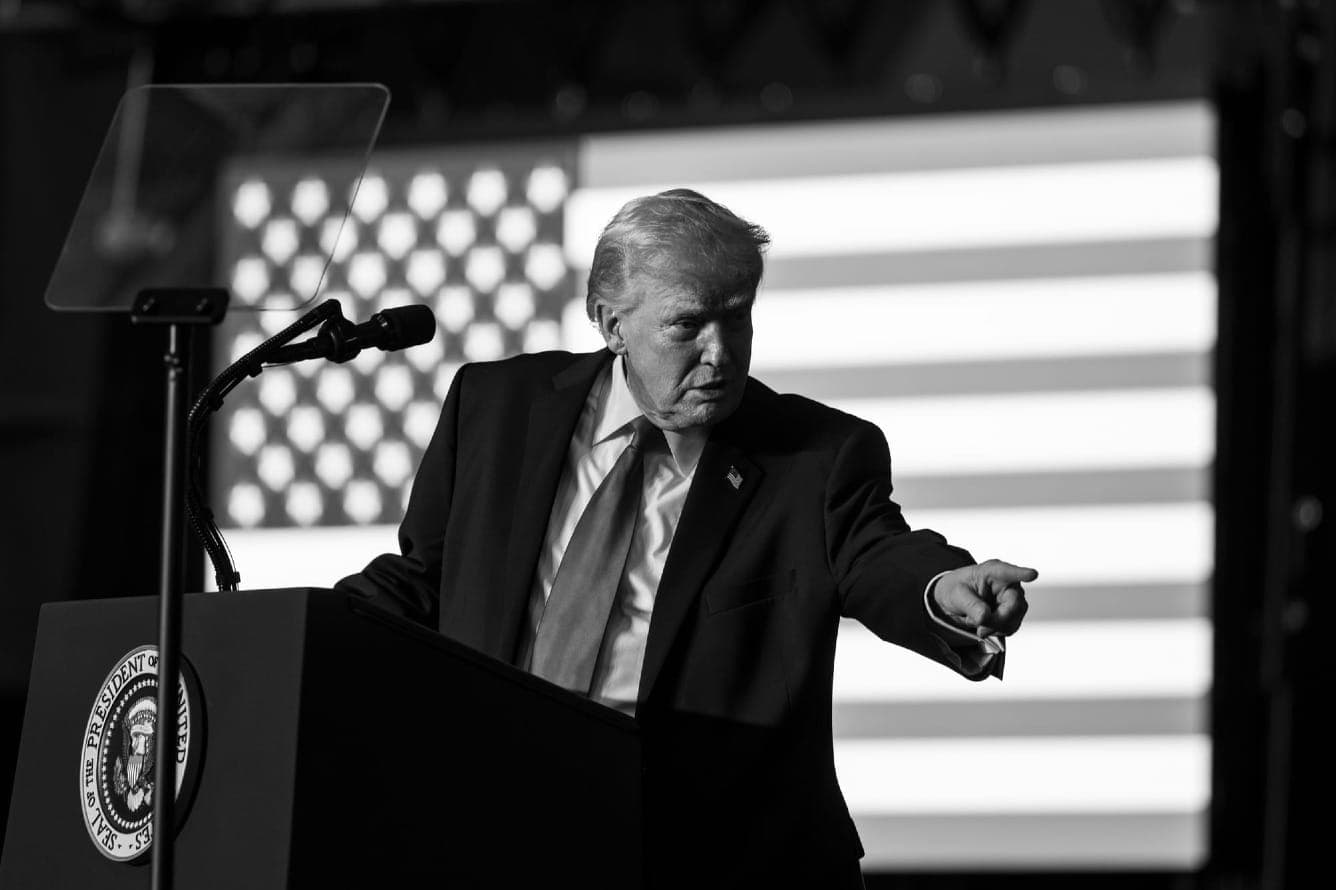
As Trump Seeks Iran Deal, Congress Wants Say On Foreign Policy
By George Caldwell, The Daily Signal | April 09, 2026 As President Donald Trump seeks a deal to end the conflict with Iran and curtail the nation’s nuclear ambitions, some in Congress are trying to assert their power over the executive branch. On Thursday, House Democrats attempted to advance a War Powers Resolution that would restrain the president’s ability to use force against Iran. Rep. Glenn Ivey, D-Md., entered a pro forma session of the House of Representatives—a perfunctory meeting where no legislative business generally occurs—and attempted to pass the resolution by unanimous consent. Ivey’s attempt to get recognition was ignored by Rep. Chris Smith, R-N.J., who filled in as speaker and gaveled out the session. The messaging stunt suggests Democrats remain interested in countering the administration’s policies in the Middle East, or at least forcing congressional Republicans into difficult votes on the matter. White House spokeswoman Anna Kelly told The Daily Signal in a statement, “President Trump has been transparent with the Hill since before Operation Epic Fury began, and administration officials provided over 20 bipartisan briefings for Members of Congress to keep them apprised of military updates.” She added: “As the President said, many points have already been agreed to during the diplomatic process, and we are far along with a definitive agreement to deliver long-term peace in Iran and across the region.” A War Powers Resolution failed in early March in a 212-219 vote. Congress has been out of session since March 27. Two Republicans voted for the failed resolution, while four Democrats voted against it. It remains unclear how durable the ceasefire will be, as Israeli and Iranian strikes have occurred since the beginning of the truce, and Trump has declared his intention to keep American weapons and personnel in the region. House Democrats are seeking to tee up a vote on a war powers resolution when Congress returns to session. Such resolutions are privileged—meaning they automatically come under consideration without needing leadership’s approval. “A two-week ceasefire is woefully insufficient. Accordingly, we have demanded that the House come back into session immediately in order to vote on our resolution to permanently end the war in the Middle East,” House Minority Leader Hakeem Jeffries, D-N.Y., said in a statement on Wednesday. Senate Minority Leader Chuck Schumer, D-N.Y., also has said Senate Democrats intend to force a vote in his chamber on the Iran conflict. There is little chance such a resolution could acquire a veto-proof level of support, but it could be an important test of congressional backing for the president’s Iran posture. But apart from Democrats’ attempts to force Republicans into up-down votes on Trump’s war powers, some key stakeholders are arguing they should have a say in Trump’s dealmaking with Iran. On Wednesday, a day after Trump and Iran’s Foreign Minister Abbas Araghchi had announced the start of negotiations, Sen. Lindsey Graham, R-S.C., one of the Senate’s most vocal Iran hawks, said he wished for engagement from the administration on the talks. “I look forward to the architects of this proposal, the Vice President and others, coming forward to Congress and explaining how a negotiated deal meets our national security objectives in Iran,” Graham wrote on X. The South Carolina senator added that he would like to see Iran presented with a tough deal. “The last thing I’m interested in is for Iran to be able to save face,” Graham wrote. “I’m interested in a deal that will stop their maniacal drive to a nuclear weapon among other things.” One important variable is the 2015 Iran Nuclear Agreement Review Act—a law Congress passed to require the administration to submit nuclear agreements with Iran to Congress. The law requires that the president submit any agreement relating to Iran’s nuclear program to the House Foreign Affairs and Senate Foreign Relations committees for their review. George Caldwell is a correspondent for The Daily Signal. Original article link
As Trump Seeks Iran Deal, Congress Wants Say On Foreign Policy
By George Caldwell, The Daily Signal | April 09, 2026 As President Donald Trump seeks a deal to end the conflict with Iran and curtail the nation’s nuclear ambitions, some in Congress are trying to assert their power over the executive branch. On Thursday, House Democrats attempted to advance a War Powers Resolution that would restrain the president’s ability to use force against Iran. Rep. Glenn Ivey, D-Md., entered a pro forma session of the House of Representatives—a perfunctory meeting where no legislative business generally occurs—and attempted to pass the resolution by unanimous consent. Ivey’s attempt to get recognition was ignored by Rep. Chris Smith, R-N.J., who filled in as speaker and gaveled out the session. The messaging stunt suggests Democrats remain interested in countering the administration’s policies in the Middle East, or at least forcing congressional Republicans into difficult votes on the matter. White House spokeswoman Anna Kelly told The Daily Signal in a statement, “President Trump has been transparent with the Hill since before Operation Epic Fury began, and administration officials provided over 20 bipartisan briefings for Members of Congress to keep them apprised of military updates.” She added: “As the President said, many points have already been agreed to during the diplomatic process, and we are far along with a definitive agreement to deliver long-term peace in Iran and across the region.” A War Powers Resolution failed in early March in a 212-219 vote. Congress has been out of session since March 27. Two Republicans voted for the failed resolution, while four Democrats voted against it. It remains unclear how durable the ceasefire will be, as Israeli and Iranian strikes have occurred since the beginning of the truce, and Trump has declared his intention to keep American weapons and personnel in the region. House Democrats are seeking to tee up a vote on a war powers resolution when Congress returns to session. Such resolutions are privileged—meaning they automatically come under consideration without needing leadership’s approval. “A two-week ceasefire is woefully insufficient. Accordingly, we have demanded that the House come back into session immediately in order to vote on our resolution to permanently end the war in the Middle East,” House Minority Leader Hakeem Jeffries, D-N.Y., said in a statement on Wednesday. Senate Minority Leader Chuck Schumer, D-N.Y., also has said Senate Democrats intend to force a vote in his chamber on the Iran conflict. There is little chance such a resolution could acquire a veto-proof level of support, but it could be an important test of congressional backing for the president’s Iran posture. But apart from Democrats’ attempts to force Republicans into up-down votes on Trump’s war powers, some key stakeholders are arguing they should have a say in Trump’s dealmaking with Iran. On Wednesday, a day after Trump and Iran’s Foreign Minister Abbas Araghchi had announced the start of negotiations, Sen. Lindsey Graham, R-S.C., one of the Senate’s most vocal Iran hawks, said he wished for engagement from the administration on the talks. “I look forward to the architects of this proposal, the Vice President and others, coming forward to Congress and explaining how a negotiated deal meets our national security objectives in Iran,” Graham wrote on X. The South Carolina senator added that he would like to see Iran presented with a tough deal. “The last thing I’m interested in is for Iran to be able to save face,” Graham wrote. “I’m interested in a deal that will stop their maniacal drive to a nuclear weapon among other things.” One important variable is the 2015 Iran Nuclear Agreement Review Act—a law Congress passed to require the administration to submit nuclear agreements with Iran to Congress. The law requires that the president submit any agreement relating to Iran’s nuclear program to the House Foreign Affairs and Senate Foreign Relations committees for their review. George Caldwell is a correspondent for The Daily Signal. Original article link
As Trump Seeks Iran Deal, Congress Wants Say On Foreign Policy
By George Caldwell, The Daily Signal | April 09, 2026 As President Donald Trump seeks a deal to end the conflict with Iran and curtail the nation’s nuclear ambitions, some in Congress are trying to assert their power over the executive branch. On Thursday, House Democrats attempted to advance a War Powers Resolution that would restrain the president’s ability to use force against Iran. Rep. Glenn Ivey, D-Md., entered a pro forma session of the House of Representatives—a perfunctory meeting where no legislative business generally occurs—and attempted to pass the resolution by unanimous consent. Ivey’s attempt to get recognition was ignored by Rep. Chris Smith, R-N.J., who filled in as speaker and gaveled out the session. The messaging stunt suggests Democrats remain interested in countering the administration’s policies in the Middle East, or at least forcing congressional Republicans into difficult votes on the matter. White House spokeswoman Anna Kelly told The Daily Signal in a statement, “President Trump has been transparent with the Hill since before Operation Epic Fury began, and administration officials provided over 20 bipartisan briefings for Members of Congress to keep them apprised of military updates.” She added: “As the President said, many points have already been agreed to during the diplomatic process, and we are far along with a definitive agreement to deliver long-term peace in Iran and across the region.” A War Powers Resolution failed in early March in a 212-219 vote. Congress has been out of session since March 27. Two Republicans voted for the failed resolution, while four Democrats voted against it. It remains unclear how durable the ceasefire will be, as Israeli and Iranian strikes have occurred since the beginning of the truce, and Trump has declared his intention to keep American weapons and personnel in the region. House Democrats are seeking to tee up a vote on a war powers resolution when Congress returns to session. Such resolutions are privileged—meaning they automatically come under consideration without needing leadership’s approval. “A two-week ceasefire is woefully insufficient. Accordingly, we have demanded that the House come back into session immediately in order to vote on our resolution to permanently end the war in the Middle East,” House Minority Leader Hakeem Jeffries, D-N.Y., said in a statement on Wednesday. Senate Minority Leader Chuck Schumer, D-N.Y., also has said Senate Democrats intend to force a vote in his chamber on the Iran conflict. There is little chance such a resolution could acquire a veto-proof level of support, but it could be an important test of congressional backing for the president’s Iran posture. But apart from Democrats’ attempts to force Republicans into up-down votes on Trump’s war powers, some key stakeholders are arguing they should have a say in Trump’s dealmaking with Iran. On Wednesday, a day after Trump and Iran’s Foreign Minister Abbas Araghchi had announced the start of negotiations, Sen. Lindsey Graham, R-S.C., one of the Senate’s most vocal Iran hawks, said he wished for engagement from the administration on the talks. “I look forward to the architects of this proposal, the Vice President and others, coming forward to Congress and explaining how a negotiated deal meets our national security objectives in Iran,” Graham wrote on X. The South Carolina senator added that he would like to see Iran presented with a tough deal. “The last thing I’m interested in is for Iran to be able to save face,” Graham wrote. “I’m interested in a deal that will stop their maniacal drive to a nuclear weapon among other things.” One important variable is the 2015 Iran Nuclear Agreement Review Act—a law Congress passed to require the administration to submit nuclear agreements with Iran to Congress. The law requires that the president submit any agreement relating to Iran’s nuclear program to the House Foreign Affairs and Senate Foreign Relations committees for their review. George Caldwell is a correspondent for The Daily Signal. Original article link
As Trump Seeks Iran Deal, Congress Wants Say On Foreign Policy
By George Caldwell, The Daily Signal | April 09, 2026 As President Donald Trump seeks a deal to end the conflict with Iran and curtail the nation’s nuclear ambitions, some in Congress are trying to assert their power over the executive branch. On Thursday, House Democrats attempted to advance a War Powers Resolution that would restrain the president’s ability to use force against Iran. Rep. Glenn Ivey, D-Md., entered a pro forma session of the House of Representatives—a perfunctory meeting where no legislative business generally occurs—and attempted to pass the resolution by unanimous consent. Ivey’s attempt to get recognition was ignored by Rep. Chris Smith, R-N.J., who filled in as speaker and gaveled out the session. The messaging stunt suggests Democrats remain interested in countering the administration’s policies in the Middle East, or at least forcing congressional Republicans into difficult votes on the matter. White House spokeswoman Anna Kelly told The Daily Signal in a statement, “President Trump has been transparent with the Hill since before Operation Epic Fury began, and administration officials provided over 20 bipartisan briefings for Members of Congress to keep them apprised of military updates.” She added: “As the President said, many points have already been agreed to during the diplomatic process, and we are far along with a definitive agreement to deliver long-term peace in Iran and across the region.” A War Powers Resolution failed in early March in a 212-219 vote. Congress has been out of session since March 27. Two Republicans voted for the failed resolution, while four Democrats voted against it. It remains unclear how durable the ceasefire will be, as Israeli and Iranian strikes have occurred since the beginning of the truce, and Trump has declared his intention to keep American weapons and personnel in the region. House Democrats are seeking to tee up a vote on a war powers resolution when Congress returns to session. Such resolutions are privileged—meaning they automatically come under consideration without needing leadership’s approval. “A two-week ceasefire is woefully insufficient. Accordingly, we have demanded that the House come back into session immediately in order to vote on our resolution to permanently end the war in the Middle East,” House Minority Leader Hakeem Jeffries, D-N.Y., said in a statement on Wednesday. Senate Minority Leader Chuck Schumer, D-N.Y., also has said Senate Democrats intend to force a vote in his chamber on the Iran conflict. There is little chance such a resolution could acquire a veto-proof level of support, but it could be an important test of congressional backing for the president’s Iran posture. But apart from Democrats’ attempts to force Republicans into up-down votes on Trump’s war powers, some key stakeholders are arguing they should have a say in Trump’s dealmaking with Iran. On Wednesday, a day after Trump and Iran’s Foreign Minister Abbas Araghchi had announced the start of negotiations, Sen. Lindsey Graham, R-S.C., one of the Senate’s most vocal Iran hawks, said he wished for engagement from the administration on the talks. “I look forward to the architects of this proposal, the Vice President and others, coming forward to Congress and explaining how a negotiated deal meets our national security objectives in Iran,” Graham wrote on X. The South Carolina senator added that he would like to see Iran presented with a tough deal. “The last thing I’m interested in is for Iran to be able to save face,” Graham wrote. “I’m interested in a deal that will stop their maniacal drive to a nuclear weapon among other things.” One important variable is the 2015 Iran Nuclear Agreement Review Act—a law Congress passed to require the administration to submit nuclear agreements with Iran to Congress. The law requires that the president submit any agreement relating to Iran’s nuclear program to the House Foreign Affairs and Senate Foreign Relations committees for their review. George Caldwell is a correspondent for The Daily Signal. Original article link
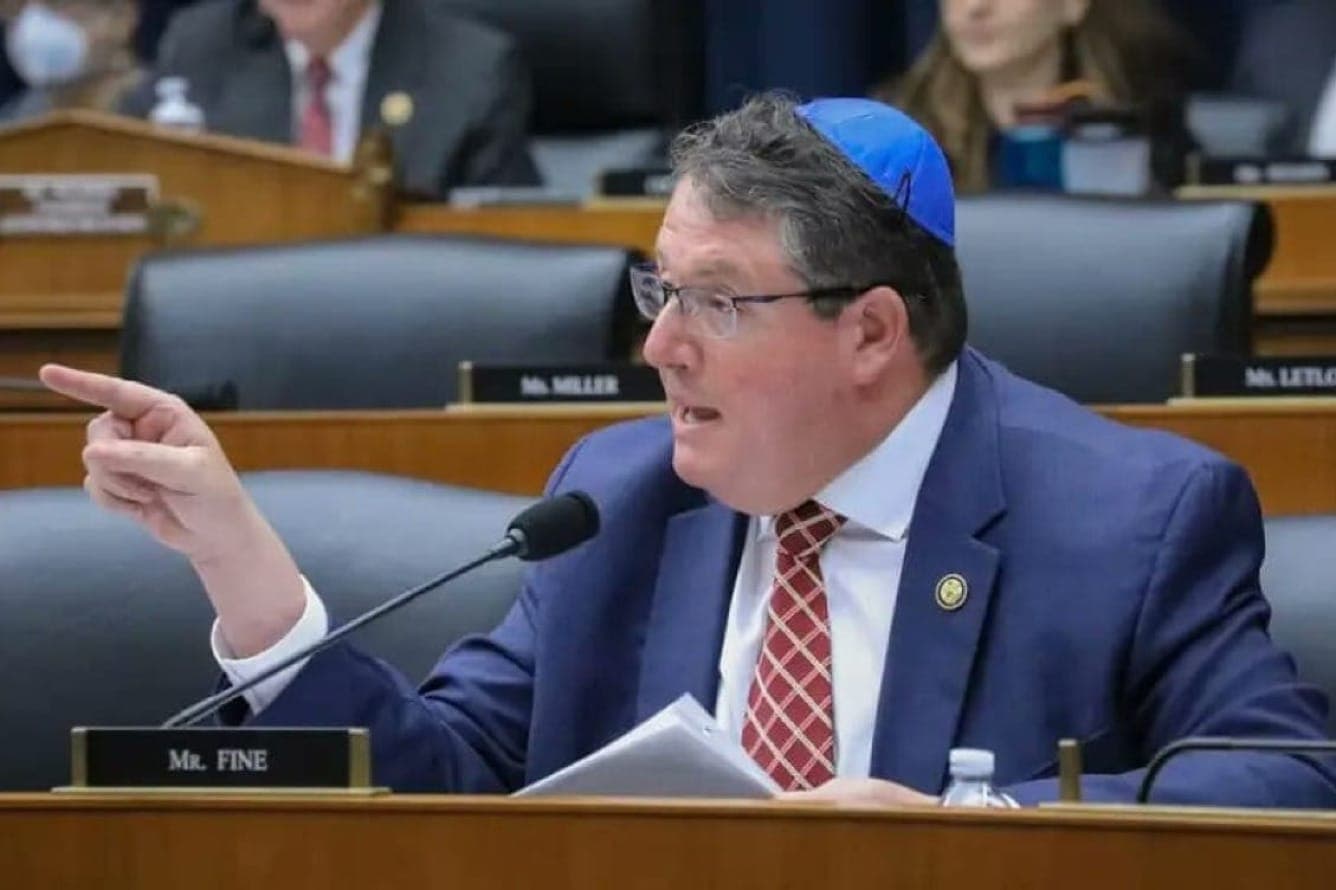
Randy Fine Joins House Freedom Caucus
By Pedro Rodriguez, The Daily Signal | April 09, 2026 Rep. Randy Fine, R-Fla., is joining the House Freedom Caucus, a pugnacious group of conservative deficit hawks. “I found in my first year in Congress that there are two types of Republicans: those who want to save America and those who want to manage our decline politely,” Fine told The Daily Signal. “They were unquestionably the group whose values were most in line with mine.” Fine said the caucus’ emphasis on limiting federal spending, reining in government, and confronting the political Left drew him to the caucus chaired by Rep. Andy Harris, R-Md. The caucus was founded in 2015 by a group of House conservatives, including its first chairman, Rep. Jim Jordan, R-Ohio, to advance conservative priorities in Congress. “Trying to manage the budget, trying to get the government under control, trying to stand up to the Left—they seemed to be the group whose values were most in line with mine,” he added. “Other caucuses are focused on amnesty or expanding Medicaid, and that is not something I want to be doing,” Fine said. “I spent my first nine months really feeling like a man on an island. When you’re not part of these caucuses, you don’t have a smaller team to work with. The Freedom Caucus feels like a team that focuses on the right things.” Fine described joining the caucus as “one of the best things” he has done since entering Congress, saying it provides a platform to advance what he views as the most urgent national priorities: mass deportations, limiting the size of the federal government, and opposing what he called the “Islamification of America.” “I think the No. 1 thing we could be doing to make America more affordable again is mass deportations,” Fine said. “It’s not just about political values or reducing crime, it’s about making housing more affordable, reducing health care costs, shrinking the size of our education system, and making insurance affordable.” “That also helps with the values coming into our country that aren’t consistent with America,” he added. “Number two is stopping the Islamification of America, which I think is a real threat.” In late 2025, Reps. Chip Roy and Keith Self, both Republicans from Texas and members of the House Freedom Caucus, launched the Sharia Free America Caucus to advocate against what they describe as the Islamization of the United States. The caucus has since grown to more than 30 members. Fine said the Freedom Caucus is working on those issues alongside the Sharia Free America Caucus. Beyond immigration and cultural concerns, Fine emphasized fiscal policy as a core priority shared by caucus members. “Third is just the size and scope of government,” he said. “If we do not solve the budget crisis, the country will collapse, and we’ve got to solve that problem.” Fine concluded by crediting the Freedom Caucus with helping elevate the political careers of its members. “I think it should be a sign,” Fine said. “Most of the Freedom Caucus members who are leaving aren’t leaving politics, they’re leaving because they’re moving up in the world. And I think that’s a credit to the Freedom Caucus.” Pedro Boccalato Rodriguez-Aparicio is a journalism fellow at The Daily Signal. Original article link

Trump To Sign Order To Pay Tens Of Thousands Of DHS Employees
By David Shepardson via The Daily Signal | April 02, 2026 President Donald Trump said on Thursday he would soon sign an emergency order to pay all employees at the Department of Homeland Security who have worked without pay since mid-February, as Congress has failed to reach a funding deal. “I will soon sign an order to pay ALL of the incredible employees at the Department of Homeland Security,” Trump said in a post on Truth Social. The Senate cleared the way early on Thursday for the House of Representatives to pass a DHS funding bill through Sept. 30 that would end a nearly seven-week partial shutdown. The House met on Thursday but did not vote to approve a funding bill. Tens of thousands of civilians at the Coast Guard, the Cybersecurity and Infrastructure Security Agency, the Federal Emergency Management Agency, and other agencies have not been paid since the government funding standoff began in February. Homeland Security Secretary Markwayne Mullin praised Trump’s action “to ensure the hardworking men and women across DHS are paid.” About 80,000 sworn law enforcement agents, like the Secret Service, immigration officers, and others, have been paid during the shutdown. The White House said in a memo that it can pay DHS employees using funds from a large budget and tax bill approved by Congress last summer through additional executive action. On Monday, 50,000 Transportation Security Administration airport security officers began getting paid after Trump signed an order last week to pay them. The standoff led to daily absences of 10% or more of TSA workers and brought chaos and long security lines to airports. Democrats in Congress have held up funding for the DHS while demanding a change in rules governing its immigration operations, after agents in Minneapolis shot and killed citizens Renee Good and Alex Pretti. Republican leaders in the House of Representatives on Friday rejected a bipartisan Senate compromise to end the deadlock over DHS funding. Democrats had proposed funding TSA separately while negotiating over reforms on how Immigration and Customs Enforcement agents operate. Originally published by Reuters David Shepardson is a correspondent for Thomson Reuters. Original article link
Trump To Sign Order To Pay Tens Of Thousands Of DHS Employees
By David Shepardson via The Daily Signal | April 02, 2026 President Donald Trump said on Thursday he would soon sign an emergency order to pay all employees at the Department of Homeland Security who have worked without pay since mid-February, as Congress has failed to reach a funding deal. “I will soon sign an order to pay ALL of the incredible employees at the Department of Homeland Security,” Trump said in a post on Truth Social. The Senate cleared the way early on Thursday for the House of Representatives to pass a DHS funding bill through Sept. 30 that would end a nearly seven-week partial shutdown. The House met on Thursday but did not vote to approve a funding bill. Tens of thousands of civilians at the Coast Guard, the Cybersecurity and Infrastructure Security Agency, the Federal Emergency Management Agency, and other agencies have not been paid since the government funding standoff began in February. Homeland Security Secretary Markwayne Mullin praised Trump’s action “to ensure the hardworking men and women across DHS are paid.” About 80,000 sworn law enforcement agents, like the Secret Service, immigration officers, and others, have been paid during the shutdown. The White House said in a memo that it can pay DHS employees using funds from a large budget and tax bill approved by Congress last summer through additional executive action. On Monday, 50,000 Transportation Security Administration airport security officers began getting paid after Trump signed an order last week to pay them. The standoff led to daily absences of 10% or more of TSA workers and brought chaos and long security lines to airports. Democrats in Congress have held up funding for the DHS while demanding a change in rules governing its immigration operations, after agents in Minneapolis shot and killed citizens Renee Good and Alex Pretti. Republican leaders in the House of Representatives on Friday rejected a bipartisan Senate compromise to end the deadlock over DHS funding. Democrats had proposed funding TSA separately while negotiating over reforms on how Immigration and Customs Enforcement agents operate. Originally published by Reuters David Shepardson is a correspondent for Thomson Reuters. Original article link