9 stories credited to The Intercept (7 on theintercept.com, 2 reproduced by other sites)
Latest story Sep 21, 2026 · on ChamberLight since Apr 2026
A story can appear as several articles (copies of the same piece), so counts of stories and of articles differ.
Scores for The Intercept
Writing quality not enough rated stories yet: 5 of 10. How it is measured
Scores last checked Sep 25, 2026.
Stories ChamberLight collected, by month
Stories credited to The Intercept, by publication date. ChamberLight collects articles that mention the officials it tracks, so this shows its own coverage of this source, not how much the source publishes.
- Stories from The Intercept
- Shaded: ChamberLight collected no stories, or almost none, from any outlet (a gap in its collection, not in the outlet’s publishing)
Show as a table
| Month | Stories | All outlets |
|---|---|---|
| March 2026 | 2 | 1,043 |
| April 2026 | 5 | 4,538 |
| May 2026 | 0 | none collected |
| June 2026 | 0 | none collected |
| July 2026 | 0 | none collected |
| August 2026 | 0 | 1 (collection gap) |
| September 2026 | 2 | 1,320 |
Top topics
Share of this source’s stories tagged with each topic. A story can carry several topics, so the shares do not add up to 100%.
- Criminal Justice5
56% of 9 stories · 19% across all outlets
- Ethics/Corruption5
56% of 9 stories · 58% across all outlets
- Defense/Military4
44% of 9 stories · 25% across all outlets
- Foreign Policy3
33% of 9 stories · 29% across all outlets
- Voting Rights3
33% of 9 stories · 19% across all outlets
- Technology/Privacy2
22% of 9 stories · 10% across all outlets
- Budget/Spending1
11% of 9 stories · 31% across all outlets
- Economy1
11% of 9 stories · 26% across all outlets
The thin mark on each bar is the topic’s share across all outlets.
Who they cover
Party of the officials these stories are mainly about, across all 12 officials named. A story counts once for each official it is mainly about, so the split is over 16 story–official pairs, from 9 stories.
- Democrat50% · 8 pairs
- Republican38% · 6 pairs
- Party not recorded13% · 2 pairs
Most covered
Stories mainly about each official, and their share of the source’s 9 stories.
- 1Donald TrumpR3 stories · 33%
- 2Eric SwalwellD2 stories · 22%
- 3Pete HegsethR2 stories · 22%
- 4Becca BalintD1 story · 11%
- 5Dewey Bryan–1 story · 11%
- 6James A Himes–1 story · 11%
- 7Jamie RaskinD1 story · 11%
- 8John FettermanD1 story · 11%
- 9Kirsten GillibrandD1 story · 11%
- 10Mike JohnsonR1 story · 11%
+ 2 other officials (2 story–official pairs)
Article tone
ChamberLight’s article analysis assigns each story a tone toward the official it covers. It describes the coverage of that official, not The Intercept’s stance, and reader votes do not change it. 9 stories.
- Good Look
- 0 (0%)
- Mixed
- 6 (67%)
- Informational
- 1 (11%)
- Bad Look
- 2 (22%)
Challenges to these scores
No one has challenged a score on this page yet. Anyone can; editors publish every outcome here.
Articles served from theintercept.com
13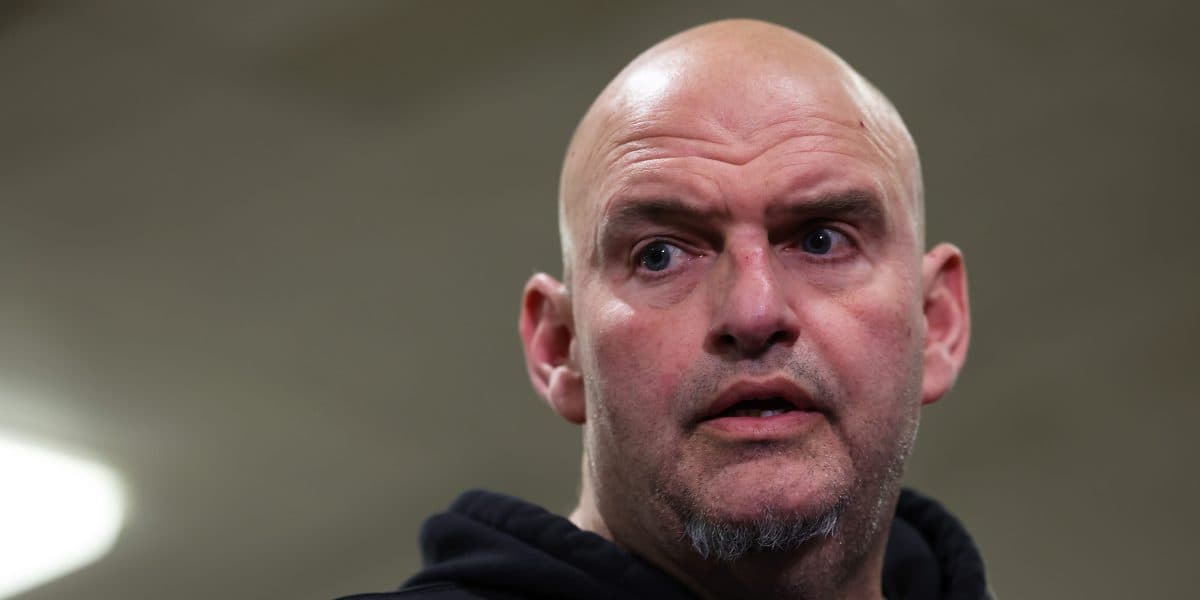
John Fetterman Is Fundraising on GOP Donor Email Lists
The hardline pro-Israel senator has been flirting with the idea of switching parties. Now he’s using Republican campaign infrastructure. The post John Fetterman Is Fundraising on GOP Donor Email Lists appeared first on The Intercept.
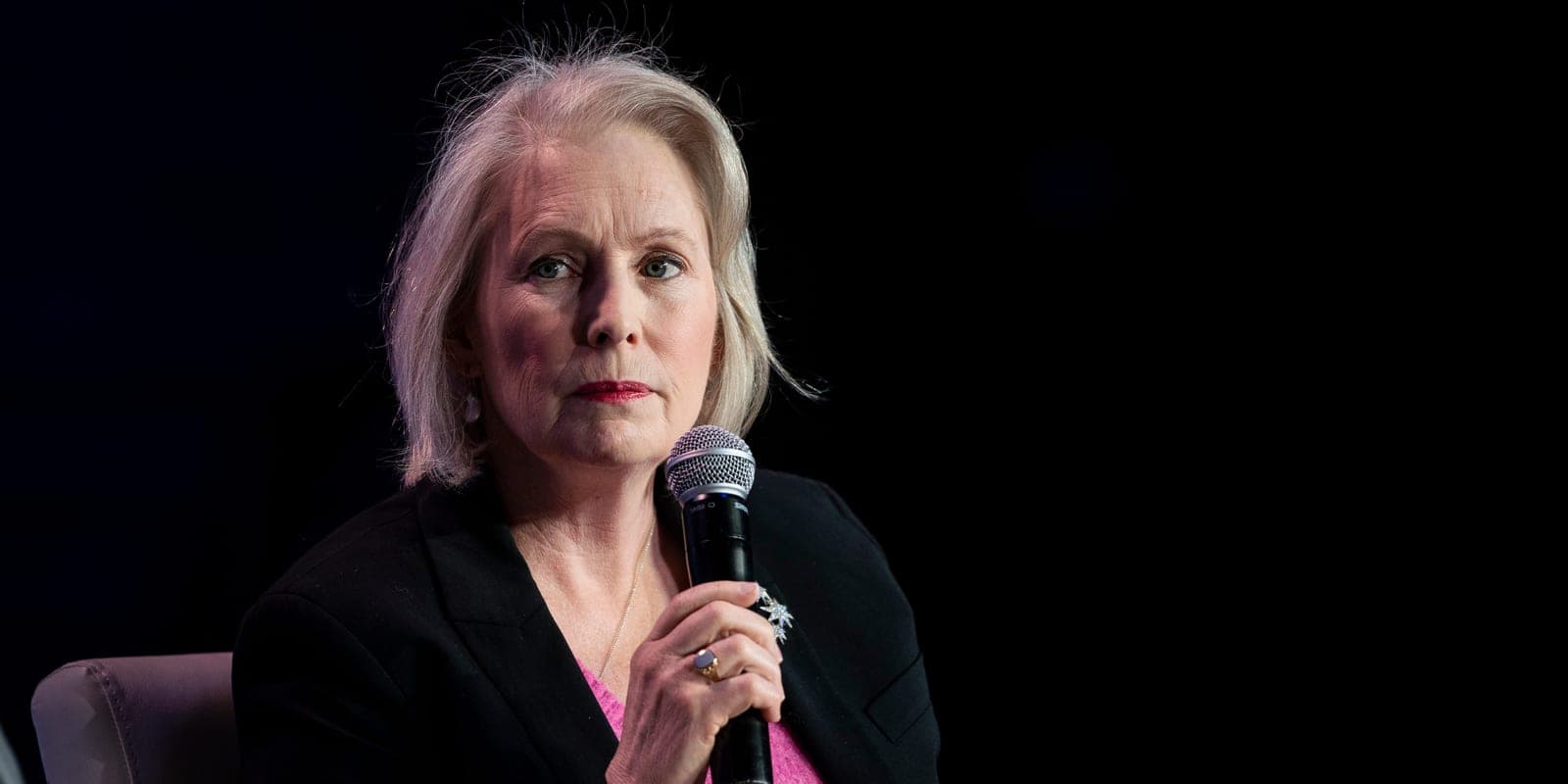
Crypto Darling Gillibrand’s 11th-Hour Flip-Flop Helps Block Trump Crypto Bill
Just hours before switching sides, Sen. Kirsten Gillibrand was lobbying fellow Democrats to advance the bill. The post Crypto Darling Gillibrand’s 11th-Hour Flip-Flop Helps Block Trump Crypto Bill appeared first on The Intercept.

U.S. Personnel Who Died in Mexico Were Working For the CIA, Sources Say
Two U.S. officials who died in Mexico on Sunday worked for the Central Intelligence Agency, two sources told The Intercept. They are among the first known fatalities of President Donald Trump’s expanding drug war in Latin America. The American personnel died in a vehicular crash in the mountains of the Sierra de Chihuahua following a drug raid, alongside two Mexican officials, including Román Oseguera Cervantes, the director of the Chihuahua State Investigation Agency. The sources said the Americans died after a raid on a synthetic drug lab. U.S. Ambassador to Mexico Ronald Johnson announced the deaths of the Americans on Sunday, referring to them in a post on X as “two members of staff from the United States Embassy.” The State Department refused requests for additional information on the Americans’ activities or the agencies that employed them. Mexican President Claudia Sheinbaum said during a Monday press conference that she was unaware of “any direct work between Chihuahua state and personnel from the U.S. embassy.” Two U.S. government officials who spoke to The Intercept on the condition of anonymity said the CIA has been running covert operations in Mexico, working alongside vetted Mexican state-level police forces and other government agencies. The sources said the Americans died after a raid on a synthetic drug lab. “You may note that CIA declined to comment,” a CIA spokesperson told The Intercept by email in response to questions about the deaths. Mexican authorities told the press that the Americans were not involved in the raid after earlier stating they died following the operation against the labs. Western Hemisphere Front Trump has turned the Western Hemisphere into a war zone, as part of what he and others have called the “Donroe Doctrine.” This bastardization of the 1823 Monroe Doctrine — which Trump has turned into a unilateral license to militarily meddle in the U.S.’s backyard — has led to strikes on civilian boats in the Caribbean Sea and Pacific Ocean; an attack on Venezuela and the abduction of its president; and increased military operations elsewhere in Latin America. Adm. Frank M. Bradley, the chief of U.S. Special Operations Command, recently referenced the “perceived increase of U.S. support to counter-cartel operations in Mexico” in testimony before the House Subcommittee on Intelligence and Special Operations. He said his elite troops “remain postured to provide… support to Mexican military and security forces to dismantle narco-terrorist organizations.” In a little-noticed move in January, U.S. Northern Command – on Trump’s order – established Joint Interagency Task Force – Counter Cartel, or JIATF-CC, to coordinate U.S. government intelligence “to identify, disrupt, and dismantle cartel networks.” Among other things, the task force was established for “developing cartel targets for action by USNORTHCOM’s partners and providing direct support to law enforcement.” Gen. Gregory Guillot, NORTHCOM’s commander, said then that the task force would be operating “via traditional and non-traditional means to deliver accurate, timely, and relevant intelligence to execution elements.” Last week, he told lawmakers that the force would “provide actionable intelligence to the Government of Mexico and federal law enforcement counterparts acting domestically based on leads developed from foreign intelligence operations.” “Trump has reportedly been pushing for U.S. direct action against drug labs and traffickers in Mexico since his first term,” Brian Finucane, a senior adviser for the U.S. Program at the International Crisis Group, told The Intercept. “In his second term, he now has some officials in his administration eager to do a ‘Sicario’ — making Mexico a battlefield in the new GWOT” — global war on terror — “against the narcos.” Related U.S. Military Joins Drug War in Ecuador: “It Wasn’t Going to Be Just Boat Strikes Forever” Acting Assistant Secretary of War for Homeland Defense and Americas Security Affairs Joseph Humire was unable to tell members of the House Armed Services Committee how many land strikes were being conducted across almost 20 Latin American and Caribbean nations. “I don’t have an exact number,” he replied to a question last month. But when asked by Rep. Adam Smith, D-Wash., the ranking member of the committee, if the War Department would “be moving to a lot more terrestrial strikes,” Humire replied, “Yes, ranking member.” Trump mused last year that he might send U.S. commandos into Mexico to battle cartels. “Could happen,” he said. “Stranger things have happened.” Secretary of War Pete Hegseth also threatened military action on Mexican soil. Over the Precipice The Americans died at around 2 a.m. on Sunday morning in the town of Morelos after their multi-vehicle convoy departed from the site of the drug raid. The vehicle reportedly drove off the road and over the side of a ravine, exploding upon impact. The Americans killed in the wreck in Mexico are some of the first known casualties since Trump ramped up military and CIA operations in and around Latin America last year. A number of U.S. military personnel were injured in the U.S. attack on Venezuela in January. In February, Lance Cpl. Chukwuemeka E. Oforah, 21, fell off the USS Iwo Jima while it was conducting operations in the Caribbean and was declared deceased on February 10. The Chihuahua Attorney General’s Office claimed that the Americans in Mexico were only conducting training on drone operations, according to Mexican press reports. Sheinbaum said at a news conference Monday that she would ask Johnson, Washington’s ambassador, to meet with Foreign Minister Roberto Velasco Álvarez to discuss the incident. Sheinbaum has repeatedly said that Mexico will not accept U.S. boots on the ground. “It’s outrageous that U.S. operatives were working to blow up drug labs in Mexico and President Sheinbaum’s security cabinet wasn’t informed of their activities,” said Sanho Tree, the director of the Drug Policy Project at the Washington-based Institute for Policy Studies. Last year, the State Department declared eight Mexican drug cartels — the Sinaloa cartel, CJNG, the Northeast cartel, the Michoacán family, the United Cartels, and the Gulf Cartel — to be foreign terrorist organizations. The Salvadoran MS-13 and the Venezuelan Tren de Aragua gangs were also named. The designation activates U.S. sanctions, including restrictions on financial transactions and bans on U.S. citizens from providing support to the groups. The drug war deaths in Mexico follow the announcement of new joint counter-cartel operations in Ecuador last month. Humire said that the War Department supported “bilateral kinetic actions against cartel targets along the Colombia-Ecuador border” — Pentagon-speak for March 3 strikes on unnamed “Designated Terrorist Organizations” previously reported by The Intercept. “The joint effort, named ‘Operation Total Extermination,’ is the start of a military offensive by Ecuador against transnational criminal organizations with the support of the U.S.,” he said. The attacks in Ecuador are also part of, and an expansion of, Operation Southern Spear: the U.S. military’s illegal campaign of strikes on boats in the Caribbean Sea and Eastern Pacific Ocean. The U.S. has conducted 53 attacks on so-called drug boats since September 2025, killing more than 180 civilians. The latest strike, on April 19 in the Caribbean, killed three people. Gen. Francis Donovan, the chief of U.S. Southern Command, told lawmakers last month that “boat strikes are not the answer,” but teased an even broader campaign. “What we’re moving for right now might be an extension of Southern Spear, but really a counter-cartel campaign process that puts total systemic friction across this network,” he told members of the Senate Armed Services Committee. “I believe these kinetic [boat] strikes are just one small part of that.” The post U.S. Personnel Who Died in Mexico Were Working For the CIA, Sources Say appeared first on The Intercept.
U.S. Personnel Who Died in Mexico Were Working For the CIA, Sources Say
Two U.S. officials who died in Mexico on Sunday worked for the Central Intelligence Agency, two sources told The Intercept. They are among the first known fatalities of President Donald Trump’s expanding drug war in Latin America. The American personnel died in a vehicular crash in the mountains of the Sierra de Chihuahua following a drug raid, alongside two Mexican officials, including Román Oseguera Cervantes, the director of the Chihuahua State Investigation Agency. The sources said the Americans died after a raid on a synthetic drug lab. U.S. Ambassador to Mexico Ronald Johnson announced the deaths of the Americans on Sunday, referring to them in a post on X as “two members of staff from the United States Embassy.” The State Department refused requests for additional information on the Americans’ activities or the agencies that employed them. Mexican President Claudia Sheinbaum said during a Monday press conference that she was unaware of “any direct work between Chihuahua state and personnel from the U.S. embassy.” Two U.S. government officials who spoke to The Intercept on the condition of anonymity said the CIA has been running covert operations in Mexico, working alongside vetted Mexican state-level police forces and other government agencies. The sources said the Americans died after a raid on a synthetic drug lab. “You may note that CIA declined to comment,” a CIA spokesperson told The Intercept by email in response to questions about the deaths. Mexican authorities told the press that the Americans were not involved in the raid after earlier stating they died following the operation against the labs. Western Hemisphere Front Trump has turned the Western Hemisphere into a war zone, as part of what he and others have called the “Donroe Doctrine.” This bastardization of the 1823 Monroe Doctrine — which Trump has turned into a unilateral license to militarily meddle in the U.S.’s backyard — has led to strikes on civilian boats in the Caribbean Sea and Pacific Ocean; an attack on Venezuela and the abduction of its president; and increased military operations elsewhere in Latin America. Adm. Frank M. Bradley, the chief of U.S. Special Operations Command, recently referenced the “perceived increase of U.S. support to counter-cartel operations in Mexico” in testimony before the House Subcommittee on Intelligence and Special Operations. He said his elite troops “remain postured to provide… support to Mexican military and security forces to dismantle narco-terrorist organizations.” In a little-noticed move in January, U.S. Northern Command – on Trump’s order – established Joint Interagency Task Force – Counter Cartel, or JIATF-CC, to coordinate U.S. government intelligence “to identify, disrupt, and dismantle cartel networks.” Among other things, the task force was established for “developing cartel targets for action by USNORTHCOM’s partners and providing direct support to law enforcement.” Gen. Gregory Guillot, NORTHCOM’s commander, said then that the task force would be operating “via traditional and non-traditional means to deliver accurate, timely, and relevant intelligence to execution elements.” Last week, he told lawmakers that the force would “provide actionable intelligence to the Government of Mexico and federal law enforcement counterparts acting domestically based on leads developed from foreign intelligence operations.” “Trump has reportedly been pushing for U.S. direct action against drug labs and traffickers in Mexico since his first term,” Brian Finucane, a senior adviser for the U.S. Program at the International Crisis Group, told The Intercept. “In his second term, he now has some officials in his administration eager to do a ‘Sicario’ — making Mexico a battlefield in the new GWOT” — global war on terror — “against the narcos.” Related U.S. Military Joins Drug War in Ecuador: “It Wasn’t Going to Be Just Boat Strikes Forever” Acting Assistant Secretary of War for Homeland Defense and Americas Security Affairs Joseph Humire was unable to tell members of the House Armed Services Committee how many land strikes were being conducted across almost 20 Latin American and Caribbean nations. “I don’t have an exact number,” he replied to a question last month. But when asked by Rep. Adam Smith, D-Wash., the ranking member of the committee, if the War Department would “be moving to a lot more terrestrial strikes,” Humire replied, “Yes, ranking member.” Trump mused last year that he might send U.S. commandos into Mexico to battle cartels. “Could happen,” he said. “Stranger things have happened.” Secretary of War Pete Hegseth also threatened military action on Mexican soil. Over the Precipice The Americans died at around 2 a.m. on Sunday morning in the town of Morelos after their multi-vehicle convoy departed from the site of the drug raid. The vehicle reportedly drove off the road and over the side of a ravine, exploding upon impact. The Americans killed in the wreck in Mexico are some of the first known casualties since Trump ramped up military and CIA operations in and around Latin America last year. A number of U.S. military personnel were injured in the U.S. attack on Venezuela in January. In February, Lance Cpl. Chukwuemeka E. Oforah, 21, fell off the USS Iwo Jima while it was conducting operations in the Caribbean and was declared deceased on February 10. The Chihuahua Attorney General’s Office claimed that the Americans in Mexico were only conducting training on drone operations, according to Mexican press reports. Sheinbaum said at a news conference Monday that she would ask Johnson, Washington’s ambassador, to meet with Foreign Minister Roberto Velasco Álvarez to discuss the incident. Sheinbaum has repeatedly said that Mexico will not accept U.S. boots on the ground. “It’s outrageous that U.S. operatives were working to blow up drug labs in Mexico and President Sheinbaum’s security cabinet wasn’t informed of their activities,” said Sanho Tree, the director of the Drug Policy Project at the Washington-based Institute for Policy Studies. Last year, the State Department declared eight Mexican drug cartels — the Sinaloa cartel, CJNG, the Northeast cartel, the Michoacán family, the United Cartels, and the Gulf Cartel — to be foreign terrorist organizations. The Salvadoran MS-13 and the Venezuelan Tren de Aragua gangs were also named. The designation activates U.S. sanctions, including restrictions on financial transactions and bans on U.S. citizens from providing support to the groups. The drug war deaths in Mexico follow the announcement of new joint counter-cartel operations in Ecuador last month. Humire said that the War Department supported “bilateral kinetic actions against cartel targets along the Colombia-Ecuador border” — Pentagon-speak for March 3 strikes on unnamed “Designated Terrorist Organizations” previously reported by The Intercept. “The joint effort, named ‘Operation Total Extermination,’ is the start of a military offensive by Ecuador against transnational criminal organizations with the support of the U.S.,” he said. The attacks in Ecuador are also part of, and an expansion of, Operation Southern Spear: the U.S. military’s illegal campaign of strikes on boats in the Caribbean Sea and Eastern Pacific Ocean. The U.S. has conducted 53 attacks on so-called drug boats since September 2025, killing more than 180 civilians. The latest strike, on April 19 in the Caribbean, killed three people. Gen. Francis Donovan, the chief of U.S. Southern Command, told lawmakers last month that “boat strikes are not the answer,” but teased an even broader campaign. “What we’re moving for right now might be an extension of Southern Spear, but really a counter-cartel campaign process that puts total systemic friction across this network,” he told members of the Senate Armed Services Committee. “I believe these kinetic [boat] strikes are just one small part of that.” The post U.S. Personnel Who Died in Mexico Were Working For the CIA, Sources Say appeared first on The Intercept.

Swift Swalwell Fallout Suggests the Democrats Have Finally Learned From Epstein
Sexual assault allegations leveled against former Rep. Eric Swalwell, D-Calif., stood out for their lurid detail — and because the fallout was unusually swift. Within hours after the San Francisco Chronicle dropped a story Friday that accused Swalwell of sexually assaulting a former staffer, over a dozen Democrats had pulled their endorsements of the then-frontrunner for governor of California. CNN followed that evening with a story labeling the former staffer’s accusations as rape and revealing that three additional women were accusing Swalwell of sexual misconduct. He suspended his campaign for governor Sunday, and on Monday, he announced his resignation from Congress. He was out Tuesday at 2 p.m. ET. The outcry made sense, in part, because of the severity of the allegations: The ex-staffer said Swalwell left her vaginally bruised and bleeding; another woman alleged Tuesday that he had drugged her in order to rape her. But the fact that Swalwell, who has denied the allegations, did not remain in Congress while under investigation suggests that American politicians are sensitive to concerns over sexual abuse and misconduct — particularly as the midterms approach against the backdrop of the Epstein files, and Democrats position themselves as defenders of victims as they head into November. “It’s hypocrisy if they don’t” speak out, said Nina Smith, a Democratic communications strategist and former senior adviser to former Georgia gubernatorial candidate Stacy Abrams. Smith said that the advocacy from Epstein’s survivors, as well as the people who’ve been speaking out online about Swalwell, helped force lawmakers to take a stand on this issue. Related Attorney for Epstein Survivors Warns That Justice Is Impossible With Bondi as AG “It has created this watershed moment on the Democrats’ part to address this issue quickly,” she told The Intercept. “Both parties are recognizing that accountability is something that is at the forefront of a lot of voters’ minds.” In a February poll from Reuters/Ipsos, 69 percent of respondents said the statement that the Epstein files “show that powerful people in the U.S are rarely held accountable for their actions” represented their views “very well” or “extremely well.” Rep. Summer Lee, D-Pa., said that Democrats have to demonstrate “accountability” even when allegations come up against one of their own. “The work and bravery of Epstein’s survivors helped expose just how deeply these systems are failing us.” “Our job is to center the people who were harmed, to take allegations seriously, and to make sure there are real systems for justice,” Lee wrote in a statement to The Intercept. “The work and bravery of Epstein’s survivors helped further expose just how deeply these systems are failing us — all while protecting perpetrators with money, connections, or status. That legacy demands more from all of us right now.” Still, it’s too soon for Democratic leadership “to be patting themselves on the back,” about Swalwell’s swift rebuke, said Michael Ceraso, a Democratic communications strategist who worked on Pete Buttigieg’s presidential campaign. He pointed to the level of detail and corroboration in the stories that CNN and the SF Chronicle published, arguing the careful reporting “made it fail-safe for political leaders to do the right thing.” And that doesn’t excuse the people who had heard the rumors and continued to support Swalwell until the allegations were in a newspaper, Ceraso added. “I would call bullshit on people” within his proximity who are “claiming they didn’t know this,” he said. There’s been heavy attention on Sen. Ruben Gallego, D-Ariz., who was long known to be a close friend of Swalwell’s. Gallego claimed Tuesday that Swalwell had “lied to” him — but admitted to hearing that his close friend and colleague was “flirty.” “I definitely look at the world a different way now,” Gallego told reporters. “I certainly am going to make sure that I’m going to take, you know, personal steps and office steps to make sure that we don’t even get close to a gray line.” Former San Francisco Mayor Willie Brown also alluded to other members of Congress being aware of Swalwell’s actions. “I’m not surprised frankly, because there have been rumors after rumors after rumors, his colleague in Washington pretty much said that. That’s what Adam Schiff said, that’s what Nancy Pelosi said,” Brown told ABC 7. The Democrats, Lee added, cannot ask voters to trust them on this issue if they fail to hold their members accountable when they engage in abusive behaviors. “Accountability has to mean something, even when it is uncomfortable, even when it is one of your own, and even when power is involved,” she wrote. “No one and no party should ask for the public’s trust if it is unwilling to hold itself to the same standard.” The Intercept has not independently verified the allegations against Swalwell. In a statement posted Tuesday, Sara Azari, a criminal defense attorney representing Swalwell, wrote that the former congressman “categorically and unequivocally denies each and every allegation of sexual misconduct and assault that has been leveled against him,” calling the accusations “a ruthless and shameless attempt to smear Congressman Swalwell.” The Intercept reached out to Swalwell’s communications staff for comment; a reporter for The Hill wrote Tuesday that the relevant staff members no longer work for him. Azari did not immediately respond to The Intercept’s request for comment. Smith, who spoke out in 2018 about being sexually harassed and assaulted while working in the Maryland state legislature, said she believes that these abuses will continue to happen wherever disparities in power exist. But she was heartened to see how quickly Democrats called out Swalwell, which she said means that survivors have moved the needle on this issue. “Survivors have been the most powerful piece of holding elected officials and officials accountable. … They are the ones who have continued to fight in a way that has made all of this possible,” said Smith. “Ten years ago, we really just talked about this behind closed doors.” The post Swift Swalwell Fallout Suggests the Democrats Have Finally Learned From Epstein appeared first on The Intercept.
Swift Swalwell Fallout Suggests the Democrats Have Finally Learned From Epstein
Sexual assault allegations leveled against former Rep. Eric Swalwell, D-Calif., stood out for their lurid detail — and because the fallout was unusually swift. Within hours after the San Francisco Chronicle dropped a story Friday that accused Swalwell of sexually assaulting a former staffer, over a dozen Democrats had pulled their endorsements of the then-frontrunner for governor of California. CNN followed that evening with a story labeling the former staffer’s accusations as rape and revealing that three additional women were accusing Swalwell of sexual misconduct. He suspended his campaign for governor Sunday, and on Monday, he announced his resignation from Congress. He was out Tuesday at 2 p.m. ET. The outcry made sense, in part, because of the severity of the allegations: The ex-staffer said Swalwell left her vaginally bruised and bleeding; another woman alleged Tuesday that he had drugged her in order to rape her. But the fact that Swalwell, who has denied the allegations, did not remain in Congress while under investigation suggests that American politicians are sensitive to concerns over sexual abuse and misconduct — particularly as the midterms approach against the backdrop of the Epstein files, and Democrats position themselves as defenders of victims as they head into November. “It’s hypocrisy if they don’t” speak out, said Nina Smith, a Democratic communications strategist and former senior adviser to former Georgia gubernatorial candidate Stacy Abrams. Smith said that the advocacy from Epstein’s survivors, as well as the people who’ve been speaking out online about Swalwell, helped force lawmakers to take a stand on this issue. Related Attorney for Epstein Survivors Warns That Justice Is Impossible With Bondi as AG “It has created this watershed moment on the Democrats’ part to address this issue quickly,” she told The Intercept. “Both parties are recognizing that accountability is something that is at the forefront of a lot of voters’ minds.” In a February poll from Reuters/Ipsos, 69 percent of respondents said the statement that the Epstein files “show that powerful people in the U.S are rarely held accountable for their actions” represented their views “very well” or “extremely well.” Rep. Summer Lee, D-Pa., said that Democrats have to demonstrate “accountability” even when allegations come up against one of their own. “The work and bravery of Epstein’s survivors helped expose just how deeply these systems are failing us.” “Our job is to center the people who were harmed, to take allegations seriously, and to make sure there are real systems for justice,” Lee wrote in a statement to The Intercept. “The work and bravery of Epstein’s survivors helped further expose just how deeply these systems are failing us — all while protecting perpetrators with money, connections, or status. That legacy demands more from all of us right now.” Still, it’s too soon for Democratic leadership “to be patting themselves on the back,” about Swalwell’s swift rebuke, said Michael Ceraso, a Democratic communications strategist who worked on Pete Buttigieg’s presidential campaign. He pointed to the level of detail and corroboration in the stories that CNN and the SF Chronicle published, arguing the careful reporting “made it fail-safe for political leaders to do the right thing.” And that doesn’t excuse the people who had heard the rumors and continued to support Swalwell until the allegations were in a newspaper, Ceraso added. “I would call bullshit on people” within his proximity who are “claiming they didn’t know this,” he said. There’s been heavy attention on Sen. Ruben Gallego, D-Ariz., who was long known to be a close friend of Swalwell’s. Gallego claimed Tuesday that Swalwell had “lied to” him — but admitted to hearing that his close friend and colleague was “flirty.” “I definitely look at the world a different way now,” Gallego told reporters. “I certainly am going to make sure that I’m going to take, you know, personal steps and office steps to make sure that we don’t even get close to a gray line.” Former San Francisco Mayor Willie Brown also alluded to other members of Congress being aware of Swalwell’s actions. “I’m not surprised frankly, because there have been rumors after rumors after rumors, his colleague in Washington pretty much said that. That’s what Adam Schiff said, that’s what Nancy Pelosi said,” Brown told ABC 7. The Democrats, Lee added, cannot ask voters to trust them on this issue if they fail to hold their members accountable when they engage in abusive behaviors. “Accountability has to mean something, even when it is uncomfortable, even when it is one of your own, and even when power is involved,” she wrote. “No one and no party should ask for the public’s trust if it is unwilling to hold itself to the same standard.” The Intercept has not independently verified the allegations against Swalwell. In a statement posted Tuesday, Sara Azari, a criminal defense attorney representing Swalwell, wrote that the former congressman “categorically and unequivocally denies each and every allegation of sexual misconduct and assault that has been leveled against him,” calling the accusations “a ruthless and shameless attempt to smear Congressman Swalwell.” The Intercept reached out to Swalwell’s communications staff for comment; a reporter for The Hill wrote Tuesday that the relevant staff members no longer work for him. Azari did not immediately respond to The Intercept’s request for comment. Smith, who spoke out in 2018 about being sexually harassed and assaulted while working in the Maryland state legislature, said she believes that these abuses will continue to happen wherever disparities in power exist. But she was heartened to see how quickly Democrats called out Swalwell, which she said means that survivors have moved the needle on this issue. “Survivors have been the most powerful piece of holding elected officials and officials accountable. … They are the ones who have continued to fight in a way that has made all of this possible,” said Smith. “Ten years ago, we really just talked about this behind closed doors.” The post Swift Swalwell Fallout Suggests the Democrats Have Finally Learned From Epstein appeared first on The Intercept.
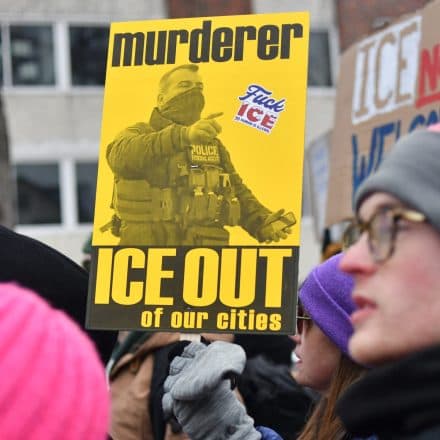
Government Ordered to Turn Over Files on ICE Agent Who Killed Renee Good
Federal prosecutors in Minnesota are being forced to turn over critical information on the shooting of Renee Good by Immigration and Customs Enforcement officer Jonathan Ross in relation to a separate case involving Ross. Prosecutors have until May 1 to provide a slew of records, including Ross’s personnel file, to a magistrate judge to review and determine which files should be released. The materials could shine light on the killing of Good, an observer who died after Ross shot her during a January 7 confrontation amid a monthslong immigration crackdown in Minneapolis. The order came in response to a motion from the defense attorneys for Roberto Carlos Muñoz-Guatemala, a man who Ross attempted to apprehend in a separate confrontation in June. After Ross broke a window in Muñoz-Guatemala’s car and fired his Taser, Muñoz-Guatemala drove away and was later convicted of dragging Ross with his car. Muñoz-Guatemala’s defense attorney Eric Newmark praised the ruling as key to defending the rights of his client, but also important for public understanding of what transpired in the shooting of Good. “My client is entitled to a full hearing and to review these documents to determine whether there’s any basis for a new trial,” Newmark told The Intercept. “Ultimately, we’re seeking dismissal of the charges against my client. This information is important because it will help me provide a full and complete defense.” Beyond mounting an argument for a new trial or a reduced sentence, Newmark said the information could provide crucial information on Good’s death to Minnesotans hungry for answers. “As Minnesotans, we’re frustrated with the apparent lack of a full investigation, the lack of prosecution, and the lack of federal cooperation with local authorities,” Newmark said. In addition to Ross’s personnel and training file, the order issued Thursday in Minnesota federal court by Judge Jeffrey M. Bryan commands prosecutors to turn over records of statements Ross made in the 60 minutes before and during his shooting of Good; records of statements by Ross and other federal officials; witness statements regarding the Good killing; medical records pertaining to Ross’s fitness for duty; cell data that might have been extracted from Ross’s phone; body-worn camera footage of the incident; and more. Muñoz-Guatemala’s case rose to prominence in January when Ross’s identity as the shooter of Renee Good came to light, in part because both incidents involved Ross confronting a civilian in a car. Ross, a deportation officer based in the ICE field office in St. Paul, was attempting to detain Muñoz-Guatemala during a traffic stop on June 17, when Muñoz-Guatemala attempted to drive away. In the process, he dragged Ross, who had his arm thrust into the window, according to court records. On December 12, a jury found Muñoz-Guatemala guilty of one count of assault on a federal officer. After Ross’s killing of Good was revealed, Muñoz-Guatemala’s attorney Eric Newmark submitted a request for post-conviction discovery, arguing that the facts of the Good case could be grounds for a new trial or support a lesser sentence for his client. Related Bill Ackman Gave $10,000 to Jonathan Ross GoFundMe Created by User Linked to Nazi Salute Image “Even if this Court ultimately determines that Defendant is not entitled to a new trial based on newly discovered evidence, he must still be sentenced,” Newmark wrote. “Given the recklessness of Ross’ decision to step in front of Good’s vehicle, the violence he showed by continuing to shoot at a vehicle that was passing harmlessly by, and the extreme callousness he displayed after it should have been clear that he either killed Good or injured her terribly, it would be reasonable to assume he presented similar danger to Defendant in June of 2025. However, without the full investigative file, Defendant cannot make that conclusion.” If prosecutors comply with the order, the materials will not immediately be made public. The materials will go first to a magistrate judge who will determine their relevance to the defense team’s case and perform any necessary redactions before handing it over to the defense. At that point, Muñoz-Guatemala’s team would be able to review the material and use it as needed to mount a bid for a new trial or to present as mitigating factors warranting a reduced sentence. Barring a protective order sealing the information, whatever materials submitted as mitigation by the defense could then become a matter of public record. “This judge is effectively doing the investigation that the United States has turned its back on,” said Shauna Kieffer, a defense attorney in Minneapolis. But Kieffer, who is not party to the case, expressed reservations about premature celebration of the transparency the order could provide. “I think because this order is so thoughtful and it’s legally sound, that I think there’s a strong chance that the government will dismiss this case if they’re forced to go forward with complying with the order,” she said. In a statement to The Intercept, Rep. Becca Balint, D-Vt., joined the calls for transparency. “I am glad to see this case finally moving into discovery, but let’s be honest—it should never have taken this long to get here,” said Rep. Becca Balint, D-Vt. “Renée Good’s family has been forced to wait for answers while DHS and ICE closed ranks. That’s not how justice works in a healthy democracy. Her family deserves full transparency and accountability, and Americans need to see our government protect them and not just those in power.” Spokespersons for the Minnesota U.S. Attorney’s office and the Hennepin County District Attorney’s office did not immediately respond to a request for comment. This is a developing story. The post Government Ordered to Turn Over Files on ICE Agent Who Killed Renee Good appeared first on The Intercept.
Government Ordered to Turn Over Files on ICE Agent Who Killed Renee Good
Federal prosecutors in Minnesota are being forced to turn over critical information on the shooting of Renee Good by Immigration and Customs Enforcement officer Jonathan Ross in relation to a separate case involving Ross. Prosecutors have until May 1 to provide a slew of records, including Ross’s personnel file, to a magistrate judge to review and determine which files should be released. The materials could shine light on the killing of Good, an observer who died after Ross shot her during a January 7 confrontation amid a monthslong immigration crackdown in Minneapolis. The order came in response to a motion from the defense attorneys for Roberto Carlos Muñoz-Guatemala, a man who Ross attempted to apprehend in a separate confrontation in June. After Ross broke a window in Muñoz-Guatemala’s car and fired his Taser, Muñoz-Guatemala drove away and was later convicted of dragging Ross with his car. Muñoz-Guatemala’s defense attorney Eric Newmark praised the ruling as key to defending the rights of his client, but also important for public understanding of what transpired in the shooting of Good. “My client is entitled to a full hearing and to review these documents to determine whether there’s any basis for a new trial,” Newmark told The Intercept. “Ultimately, we’re seeking dismissal of the charges against my client. This information is important because it will help me provide a full and complete defense.” Beyond mounting an argument for a new trial or a reduced sentence, Newmark said the information could provide crucial information on Good’s death to Minnesotans hungry for answers. “As Minnesotans, we’re frustrated with the apparent lack of a full investigation, the lack of prosecution, and the lack of federal cooperation with local authorities,” Newmark said. In addition to Ross’s personnel and training file, the order issued Thursday in Minnesota federal court by Judge Jeffrey M. Bryan commands prosecutors to turn over records of statements Ross made in the 60 minutes before and during his shooting of Good; records of statements by Ross and other federal officials; witness statements regarding the Good killing; medical records pertaining to Ross’s fitness for duty; cell data that might have been extracted from Ross’s phone; body-worn camera footage of the incident; and more. Muñoz-Guatemala’s case rose to prominence in January when Ross’s identity as the shooter of Renee Good came to light, in part because both incidents involved Ross confronting a civilian in a car. Ross, a deportation officer based in the ICE field office in St. Paul, was attempting to detain Muñoz-Guatemala during a traffic stop on June 17, when Muñoz-Guatemala attempted to drive away. In the process, he dragged Ross, who had his arm thrust into the window, according to court records. On December 12, a jury found Muñoz-Guatemala guilty of one count of assault on a federal officer. After Ross’s killing of Good was revealed, Muñoz-Guatemala’s attorney Eric Newmark submitted a request for post-conviction discovery, arguing that the facts of the Good case could be grounds for a new trial or support a lesser sentence for his client. Related Bill Ackman Gave $10,000 to Jonathan Ross GoFundMe Created by User Linked to Nazi Salute Image “Even if this Court ultimately determines that Defendant is not entitled to a new trial based on newly discovered evidence, he must still be sentenced,” Newmark wrote. “Given the recklessness of Ross’ decision to step in front of Good’s vehicle, the violence he showed by continuing to shoot at a vehicle that was passing harmlessly by, and the extreme callousness he displayed after it should have been clear that he either killed Good or injured her terribly, it would be reasonable to assume he presented similar danger to Defendant in June of 2025. However, without the full investigative file, Defendant cannot make that conclusion.” If prosecutors comply with the order, the materials will not immediately be made public. The materials will go first to a magistrate judge who will determine their relevance to the defense team’s case and perform any necessary redactions before handing it over to the defense. At that point, Muñoz-Guatemala’s team would be able to review the material and use it as needed to mount a bid for a new trial or to present as mitigating factors warranting a reduced sentence. Barring a protective order sealing the information, whatever materials submitted as mitigation by the defense could then become a matter of public record. “This judge is effectively doing the investigation that the United States has turned its back on,” said Shauna Kieffer, a defense attorney in Minneapolis. But Kieffer, who is not party to the case, expressed reservations about premature celebration of the transparency the order could provide. “I think because this order is so thoughtful and it’s legally sound, that I think there’s a strong chance that the government will dismiss this case if they’re forced to go forward with complying with the order,” she said. In a statement to The Intercept, Rep. Becca Balint, D-Vt., joined the calls for transparency. “I am glad to see this case finally moving into discovery, but let’s be honest—it should never have taken this long to get here,” said Rep. Becca Balint, D-Vt. “Renée Good’s family has been forced to wait for answers while DHS and ICE closed ranks. That’s not how justice works in a healthy democracy. Her family deserves full transparency and accountability, and Americans need to see our government protect them and not just those in power.” Spokespersons for the Minnesota U.S. Attorney’s office and the Hennepin County District Attorney’s office did not immediately respond to a request for comment. This is a developing story. The post Government Ordered to Turn Over Files on ICE Agent Who Killed Renee Good appeared first on The Intercept.

Iranian Women Elected to Office in U.S. Reject Trump’s Iran War
A group of Iranian American women in elected office and civic life released a letter Tuesday calling for an immediate end to the U.S.–Israeli war on Iran as the deadline for President Donald Trump’s macabre threat to kill “a whole civilization” loomed. “We believe democracy cannot be delivered through missiles, and freedom cannot emerge from destruction and more death of innocent lives,” they said in the previously unreported letter. The signers included Rep. Yassamin Ansari of Arizona, the first Iranian American Democrat elected to Congress. Women have been at the forefront of demonstrations against the Iranian government in recent years, including the “Woman, Life, Freedom” protests of 2022 that were met with a deadly crackdown. The international protest movement was set off by the Iranian government’s killing of 22-year-old Mahsa Amini for allegedly failing to wear the mandatory headscarf properly. Related “Liberate Their Bodies From Their Souls”: The Lies That Sell the Iran War The Iranian government’s suppression of that protest and another anti-government protest wave earlier this year have been cited as justification for the war that Trump and Israeli Prime Minister Benjamin Netanyahu launched in February. “Remember the great women march,” Trump said at an April 6 press conference at the Pentagon, going on to describe government snipers suppressing protests by shooting demonstrators. In a speech justifying last June’s Israeli-led war against Iran, Israeli Prime Minister Benjamin Netanyahu invoked the Women, Life, Freedom movement by name in Farsi. The Iranian American women who signed the letter, however, said that the war is only encouraging further crackdowns. “The Iranian people must not become casualties of geopolitical rivalry or instruments of foreign agendas,” the signatories wrote. “We refuse the false choice between repression at home and devastation from abroad. Both deny Iranians the right to determine their own future.” Trump has given mixed signals as to whether he hopes to pursue regime change in the conflict. The Iranian diaspora is deeply divided over the war, but a recent poll suggests Iranian Americans may be turning against it. Related With Trump Threatening Genocide in Iran, Military Must Disobey His Orders, Former Pentagon Officials Say Despite the polarized exile politics, many groups responded with horror to Trump’s threat that a “whole civilization will die tonight” if Iran does not reopen the Strait of Hormuz. He has also threatened to destroy civilian infrastructure such as bridges and power plants, which would be a war crime; the U.S. and Israel have already launched scores of attacks targeting civilian sites across the country. Ansari, the letter’s most prominent signer, said Monday that she plans to file articles of impeachment against Defense Secretary Pete Hegseth for “repeated war crimes,” including the bombing of a school that killed scores of young girls. “As the daughter of Iranian immigrants who fled the brutal Islamic Republic, and the first Iranian-American Democrat elected to Congress, I stand in strong opposition to this illegal war,” Ansari said in a statement. “Iranians deserve freedom and democracy. That cannot be delivered through bombs and destruction of civilian infrastructure. Iran’s future must be determined by Iranians alone — free from war and authoritarian rule.” The 14 signers of the letter included women serving as city councilmembers, state legislators, and Democratic Party delegates. The post Iranian Women Elected to Office in U.S. Reject Trump’s Iran War appeared first on The Intercept.

Democrats Might Save Mike Johnson’s Push to Give Trump Domestic Spying Power
Thanks to opposition from inside his own party, House Speaker Mike Johnson, R-La., was forced to delay a vote on President Donald Trump’s request to extend a major domestic spying law — but Democrats could ride to the rescue. Johnson decided to delay a vote on the Foreign Intelligence Surveillance Act that had been scheduled for this week, Politico reported Friday. The move gives critics of the law more time to push for reforms, including a requirement that federal agents get a warrant before searching for information on Americans. If the bill ultimately advances to the House floor, however, some top Democrats — including the ranking member of the House Intelligence Committee, Rep. Jim Himes of Connecticut — are already lobbying colleagues to vote for Trump’s request. Others, including members of the Congressional Progressive Caucus, are pushing back. Advocates say Democrats have a rare chance to push through added safeguards. If they want to. The internal debate among both Democrats and Republicans is a rerun of a clash two years ago over FISA — only this time, Trump’s reelection and the war on Iran have raised the stakes. The spying law expires next month. With Republicans split, advocates say Democrats have a rare chance to push through added safeguards. If they want to. Figures from the Democratic establishment have often been ambivalent or openly hostile to reforming the law, one of the most controversial pieces of post-9/11 legislation and a focus of Edward Snowden’s disclosures. “Evidence of Misuse”? Johnson initially seemed poised to push through a vote on the law this week — but reports emerged last Friday that he had delayed the vote until the middle of April. That delay came in the face of skepticism about extending FISA without reforms from hard-liners in Johnson’s own party, such House Freedom Caucus Chair Andy Harris, R-Md. Section 702 of FISA allows employees of the FBI and other agencies to search for information on U.S. citizens and residents among spy data that is collected abroad. Congress has passed a series of partial reforms intended to curb widespread abuses of the law by the FBI. During fiery debate over the law in 2024, Johnson managed to narrowly get the bill through the House by agreeing to a two-year extension. He also teamed up with then-President Joe Biden to pressure members to defeat by a single vote reformers’ most highly sought-after amendment, a provision that would have forced federal agents to go to a judge before searching for information about Americans. The vote this year is shaping up to be as much of a nail-biter, and it appears that Johnson may need Democrats to lend an assist. Rep. Thomas Massie, R-Ky., says that he will vote against extending the law without reforms, which means that Johnson can only afford to lose one other GOP member. Himes, who is leading the push to get Democrats to pass a “clean” renewal of Section 702, said in a letter to his party colleagues last week that he understood why they might have concerns about the Trump administration having access to that powerful spying tool. Still, he urged them to vote for reauthorization if the bill makes it to a final floor vote. Related Federal Agents Are Intimidating Legal Observers at Their Homes: “They Know Where You Live” “If I saw any evidence that Trump administration officials were directing the intelligence community to use Section 702 for illegal or improper purposes, such as to persecute, surveil, or harass Americans,” he said, “I would urge a ‘no’ vote on reauthorization, even though I recognize the program’s unparalleled national security value. I have not seen evidence of misuse, despite being on the lookout for any hint of it.” One House staffer who asked for anonymity to speak freely said they were surprised that Himes has not pushed for concessions from Johnson — on FISA or other legislation — in exchange for Democratic support. That support could be especially crucial if Johnson struggles to pass a procedural vehicle, known as a rule, to get the bill onto the House floor for a final vote. House Minority Leader Hakeem Jeffries, D-N.Y., said during a press conference last Thursday that his entire caucus would oppose proceeding to a vote under a rule, which is standard practice for the opposition party in the House. “Jim Himes is emerging as arguably the most important actor in this fight.” Jeffries left open the possibility, however, that Democrats could freely cross party lines to support bringing the bill to the floor under a suspension of the rules, which would require support from a two-thirds majority of House members. “Jim Himes is emerging as arguably the most important actor in this fight,” said Sean Vitka, executive director of the left-leaning group Demand Progress, which supports further reforms to FISA. “The most significant question at the moment is: Will he be able to marshal enough Democrats to go with his play? And that ultimately is a question of whether or not members of Congress think people are looking.” “Times Have Changed” On the opposite side of the debate from Himes, House Judiciary Committee Ranking Member Jamie Raskin, D-Md., sent a letter to Democrats Thursday urging them to oppose a “clean” reauthorization of the surveillance bill. Under pressure from the Biden administration and to the disappointment of privacy advocates, Raskin voted in favor of the legislation two years ago. He said in his letter this week that “times have changed.” “The safeguards put in place in 2024 have been badly eroded by the Trump Administration,” he wrote. “The ‘clean’ extension favored by President Trump and Stephen Miller leaves the Trump Administration in charge of policing its own abuses of this authority — and what could go wrong with that?” Raskin did not directly condition support for the bill on adding a warrant requirement, the longtime holy grail of privacy advocates. In a letter Thursday, more than 90 civil rights and progressive groups including the American Civil Liberties Union, Demand Progress, and Indivisible called on Congress to require the government to obtain a warrant before searching for communications about Americans. Related FBI’s Warrantless Search Ruled Unconstitutional in a Blow to Government Spying They also highlighted a relatively new issue: the data-broker loophole. Under current law, intelligence and law enforcement agencies have been able to skirt civil liberties protections by buying information from data brokers that could include location data, search histories, and transaction records of Americans. FBI Director Kash Patel testified during a Senate hearing Wednesday that the agency was gleaning “valuable intelligence” from such data. Advocates hope that in addition to a warrant requirement, Democrats could use their leverage in the surveillance bill debate to close the data-broker loophole. Dems in Disarray Some Democrats who helped doom a warrant requirement last time have yet to signal how they will vote this time around. Related Dan Goldman Supported Warrantless Spying on Americans. Now His Primary Opponent Is Hitting Him for It. Rep. Dan Goldman, D-N.Y., gave a passionate defense of the domestic spying bill on the House floor in 2024. His primary opponent, former New York City Comptroller Brad Lander, has already attacked him over the issue. Patel and CIA Director John Ratcliffe gave a closed briefing to House members about the law on Wednesday. Speaking to The Intercept after that meeting, Goldman said he was still deciding whether to support a clean reauthorization. “From my perspective, I’m going to need more data and information and need to have some way of verifying the information that they are providing, because I have no faith that this administration is doing anything by the law,” Goldman said. Another Democrat who voted against a warrant requirement in 2024 and now faces a primary challenge from the left, Rep. Steve Cohen, D-Tenn., said he also has yet to decide. “There are threats to the country, and then there are threats for the country from this administration,” Cohen said. “It’s kind of a balancing act.” “Fake” Deadline Advocates pushing for added reforms would have to guide them through both the House and Senate before the April 20 expiration of the current law. Related Counterterror Director Used Hamas Attack to Justify Mass Surveillance Program Renewal The ongoing conflict with Iran is adding to the pressure, with Trump’s supporters arguing that it makes passage of a “clean” reauthorization more important. One supporter of a warrant requirement, House Judiciary Committee Chair Jim Jordan, R-Ohio, said this week that he now supports a clean reauthorization. “We have been at this for 10 years,” Jordan told reporters Wednesday. “There has been huge improvement based on the reforms we have done over the last decade, and this is a temporary extension, a short-term extension at the time we have this military operation going on in Iran.” Reform advocates, however, have argued that the pending deadline is not as pressing as it seems. If the law expires next month, intelligence agencies may still be able to force tech companies to hand over communications under existing authorizations from a special surveillance court that do not expire for months. “We have time to get this right,” Raskin said in his letter. “Opposing ‘clean’ reauthorization does not mean Section 702 suddenly turns off in April. FISA explicitly allows existing certifications to continue past a sunset. The government is in court right now making sure that Section 702 surveillance extends well into next year, no matter what.” The post Democrats Might Save Mike Johnson’s Push to Give Trump Domestic Spying Power appeared first on The Intercept.
Democrats Might Save Mike Johnson’s Push to Give Trump Domestic Spying Power
Thanks to opposition from inside his own party, House Speaker Mike Johnson, R-La., was forced to delay a vote on President Donald Trump’s request to extend a major domestic spying law — but Democrats could ride to the rescue. Johnson decided to delay a vote on the Foreign Intelligence Surveillance Act that had been scheduled for this week, Politico reported Friday. The move gives critics of the law more time to push for reforms, including a requirement that federal agents get a warrant before searching for information on Americans. If the bill ultimately advances to the House floor, however, some top Democrats — including the ranking member of the House Intelligence Committee, Rep. Jim Himes of Connecticut — are already lobbying colleagues to vote for Trump’s request. Others, including members of the Congressional Progressive Caucus, are pushing back. Advocates say Democrats have a rare chance to push through added safeguards. If they want to. The internal debate among both Democrats and Republicans is a rerun of a clash two years ago over FISA — only this time, Trump’s reelection and the war on Iran have raised the stakes. The spying law expires next month. With Republicans split, advocates say Democrats have a rare chance to push through added safeguards. If they want to. Figures from the Democratic establishment have often been ambivalent or openly hostile to reforming the law, one of the most controversial pieces of post-9/11 legislation and a focus of Edward Snowden’s disclosures. “Evidence of Misuse”? Johnson initially seemed poised to push through a vote on the law this week — but reports emerged last Friday that he had delayed the vote until the middle of April. That delay came in the face of skepticism about extending FISA without reforms from hard-liners in Johnson’s own party, such House Freedom Caucus Chair Andy Harris, R-Md. Section 702 of FISA allows employees of the FBI and other agencies to search for information on U.S. citizens and residents among spy data that is collected abroad. Congress has passed a series of partial reforms intended to curb widespread abuses of the law by the FBI. During fiery debate over the law in 2024, Johnson managed to narrowly get the bill through the House by agreeing to a two-year extension. He also teamed up with then-President Joe Biden to pressure members to defeat by a single vote reformers’ most highly sought-after amendment, a provision that would have forced federal agents to go to a judge before searching for information about Americans. The vote this year is shaping up to be as much of a nail-biter, and it appears that Johnson may need Democrats to lend an assist. Rep. Thomas Massie, R-Ky., says that he will vote against extending the law without reforms, which means that Johnson can only afford to lose one other GOP member. Himes, who is leading the push to get Democrats to pass a “clean” renewal of Section 702, said in a letter to his party colleagues last week that he understood why they might have concerns about the Trump administration having access to that powerful spying tool. Still, he urged them to vote for reauthorization if the bill makes it to a final floor vote. Related Federal Agents Are Intimidating Legal Observers at Their Homes: “They Know Where You Live” “If I saw any evidence that Trump administration officials were directing the intelligence community to use Section 702 for illegal or improper purposes, such as to persecute, surveil, or harass Americans,” he said, “I would urge a ‘no’ vote on reauthorization, even though I recognize the program’s unparalleled national security value. I have not seen evidence of misuse, despite being on the lookout for any hint of it.” One House staffer who asked for anonymity to speak freely said they were surprised that Himes has not pushed for concessions from Johnson — on FISA or other legislation — in exchange for Democratic support. That support could be especially crucial if Johnson struggles to pass a procedural vehicle, known as a rule, to get the bill onto the House floor for a final vote. House Minority Leader Hakeem Jeffries, D-N.Y., said during a press conference last Thursday that his entire caucus would oppose proceeding to a vote under a rule, which is standard practice for the opposition party in the House. “Jim Himes is emerging as arguably the most important actor in this fight.” Jeffries left open the possibility, however, that Democrats could freely cross party lines to support bringing the bill to the floor under a suspension of the rules, which would require support from a two-thirds majority of House members. “Jim Himes is emerging as arguably the most important actor in this fight,” said Sean Vitka, executive director of the left-leaning group Demand Progress, which supports further reforms to FISA. “The most significant question at the moment is: Will he be able to marshal enough Democrats to go with his play? And that ultimately is a question of whether or not members of Congress think people are looking.” “Times Have Changed” On the opposite side of the debate from Himes, House Judiciary Committee Ranking Member Jamie Raskin, D-Md., sent a letter to Democrats Thursday urging them to oppose a “clean” reauthorization of the surveillance bill. Under pressure from the Biden administration and to the disappointment of privacy advocates, Raskin voted in favor of the legislation two years ago. He said in his letter this week that “times have changed.” “The safeguards put in place in 2024 have been badly eroded by the Trump Administration,” he wrote. “The ‘clean’ extension favored by President Trump and Stephen Miller leaves the Trump Administration in charge of policing its own abuses of this authority — and what could go wrong with that?” Raskin did not directly condition support for the bill on adding a warrant requirement, the longtime holy grail of privacy advocates. In a letter Thursday, more than 90 civil rights and progressive groups including the American Civil Liberties Union, Demand Progress, and Indivisible called on Congress to require the government to obtain a warrant before searching for communications about Americans. Related FBI’s Warrantless Search Ruled Unconstitutional in a Blow to Government Spying They also highlighted a relatively new issue: the data-broker loophole. Under current law, intelligence and law enforcement agencies have been able to skirt civil liberties protections by buying information from data brokers that could include location data, search histories, and transaction records of Americans. FBI Director Kash Patel testified during a Senate hearing Wednesday that the agency was gleaning “valuable intelligence” from such data. Advocates hope that in addition to a warrant requirement, Democrats could use their leverage in the surveillance bill debate to close the data-broker loophole. Dems in Disarray Some Democrats who helped doom a warrant requirement last time have yet to signal how they will vote this time around. Related Dan Goldman Supported Warrantless Spying on Americans. Now His Primary Opponent Is Hitting Him for It. Rep. Dan Goldman, D-N.Y., gave a passionate defense of the domestic spying bill on the House floor in 2024. His primary opponent, former New York City Comptroller Brad Lander, has already attacked him over the issue. Patel and CIA Director John Ratcliffe gave a closed briefing to House members about the law on Wednesday. Speaking to The Intercept after that meeting, Goldman said he was still deciding whether to support a clean reauthorization. “From my perspective, I’m going to need more data and information and need to have some way of verifying the information that they are providing, because I have no faith that this administration is doing anything by the law,” Goldman said. Another Democrat who voted against a warrant requirement in 2024 and now faces a primary challenge from the left, Rep. Steve Cohen, D-Tenn., said he also has yet to decide. “There are threats to the country, and then there are threats for the country from this administration,” Cohen said. “It’s kind of a balancing act.” “Fake” Deadline Advocates pushing for added reforms would have to guide them through both the House and Senate before the April 20 expiration of the current law. Related Counterterror Director Used Hamas Attack to Justify Mass Surveillance Program Renewal The ongoing conflict with Iran is adding to the pressure, with Trump’s supporters arguing that it makes passage of a “clean” reauthorization more important. One supporter of a warrant requirement, House Judiciary Committee Chair Jim Jordan, R-Ohio, said this week that he now supports a clean reauthorization. “We have been at this for 10 years,” Jordan told reporters Wednesday. “There has been huge improvement based on the reforms we have done over the last decade, and this is a temporary extension, a short-term extension at the time we have this military operation going on in Iran.” Reform advocates, however, have argued that the pending deadline is not as pressing as it seems. If the law expires next month, intelligence agencies may still be able to force tech companies to hand over communications under existing authorizations from a special surveillance court that do not expire for months. “We have time to get this right,” Raskin said in his letter. “Opposing ‘clean’ reauthorization does not mean Section 702 suddenly turns off in April. FISA explicitly allows existing certifications to continue past a sunset. The government is in court right now making sure that Section 702 surveillance extends well into next year, no matter what.” The post Democrats Might Save Mike Johnson’s Push to Give Trump Domestic Spying Power appeared first on The Intercept.
Democrats Might Save Mike Johnson’s Push to Give Trump Domestic Spying Power
Thanks to opposition from inside his own party, House Speaker Mike Johnson, R-La., was forced to delay a vote on President Donald Trump’s request to extend a major domestic spying law — but Democrats could ride to the rescue. Johnson decided to delay a vote on the Foreign Intelligence Surveillance Act that had been scheduled for this week, Politico reported Friday. The move gives critics of the law more time to push for reforms, including a requirement that federal agents get a warrant before searching for information on Americans. If the bill ultimately advances to the House floor, however, some top Democrats — including the ranking member of the House Intelligence Committee, Rep. Jim Himes of Connecticut — are already lobbying colleagues to vote for Trump’s request. Others, including members of the Congressional Progressive Caucus, are pushing back. Advocates say Democrats have a rare chance to push through added safeguards. If they want to. The internal debate among both Democrats and Republicans is a rerun of a clash two years ago over FISA — only this time, Trump’s reelection and the war on Iran have raised the stakes. The spying law expires next month. With Republicans split, advocates say Democrats have a rare chance to push through added safeguards. If they want to. Figures from the Democratic establishment have often been ambivalent or openly hostile to reforming the law, one of the most controversial pieces of post-9/11 legislation and a focus of Edward Snowden’s disclosures. “Evidence of Misuse”? Johnson initially seemed poised to push through a vote on the law this week — but reports emerged last Friday that he had delayed the vote until the middle of April. That delay came in the face of skepticism about extending FISA without reforms from hard-liners in Johnson’s own party, such House Freedom Caucus Chair Andy Harris, R-Md. Section 702 of FISA allows employees of the FBI and other agencies to search for information on U.S. citizens and residents among spy data that is collected abroad. Congress has passed a series of partial reforms intended to curb widespread abuses of the law by the FBI. During fiery debate over the law in 2024, Johnson managed to narrowly get the bill through the House by agreeing to a two-year extension. He also teamed up with then-President Joe Biden to pressure members to defeat by a single vote reformers’ most highly sought-after amendment, a provision that would have forced federal agents to go to a judge before searching for information about Americans. The vote this year is shaping up to be as much of a nail-biter, and it appears that Johnson may need Democrats to lend an assist. Rep. Thomas Massie, R-Ky., says that he will vote against extending the law without reforms, which means that Johnson can only afford to lose one other GOP member. Himes, who is leading the push to get Democrats to pass a “clean” renewal of Section 702, said in a letter to his party colleagues last week that he understood why they might have concerns about the Trump administration having access to that powerful spying tool. Still, he urged them to vote for reauthorization if the bill makes it to a final floor vote. Related Federal Agents Are Intimidating Legal Observers at Their Homes: “They Know Where You Live” “If I saw any evidence that Trump administration officials were directing the intelligence community to use Section 702 for illegal or improper purposes, such as to persecute, surveil, or harass Americans,” he said, “I would urge a ‘no’ vote on reauthorization, even though I recognize the program’s unparalleled national security value. I have not seen evidence of misuse, despite being on the lookout for any hint of it.” One House staffer who asked for anonymity to speak freely said they were surprised that Himes has not pushed for concessions from Johnson — on FISA or other legislation — in exchange for Democratic support. That support could be especially crucial if Johnson struggles to pass a procedural vehicle, known as a rule, to get the bill onto the House floor for a final vote. House Minority Leader Hakeem Jeffries, D-N.Y., said during a press conference last Thursday that his entire caucus would oppose proceeding to a vote under a rule, which is standard practice for the opposition party in the House. “Jim Himes is emerging as arguably the most important actor in this fight.” Jeffries left open the possibility, however, that Democrats could freely cross party lines to support bringing the bill to the floor under a suspension of the rules, which would require support from a two-thirds majority of House members. “Jim Himes is emerging as arguably the most important actor in this fight,” said Sean Vitka, executive director of the left-leaning group Demand Progress, which supports further reforms to FISA. “The most significant question at the moment is: Will he be able to marshal enough Democrats to go with his play? And that ultimately is a question of whether or not members of Congress think people are looking.” “Times Have Changed” On the opposite side of the debate from Himes, House Judiciary Committee Ranking Member Jamie Raskin, D-Md., sent a letter to Democrats Thursday urging them to oppose a “clean” reauthorization of the surveillance bill. Under pressure from the Biden administration and to the disappointment of privacy advocates, Raskin voted in favor of the legislation two years ago. He said in his letter this week that “times have changed.” “The safeguards put in place in 2024 have been badly eroded by the Trump Administration,” he wrote. “The ‘clean’ extension favored by President Trump and Stephen Miller leaves the Trump Administration in charge of policing its own abuses of this authority — and what could go wrong with that?” Raskin did not directly condition support for the bill on adding a warrant requirement, the longtime holy grail of privacy advocates. In a letter Thursday, more than 90 civil rights and progressive groups including the American Civil Liberties Union, Demand Progress, and Indivisible called on Congress to require the government to obtain a warrant before searching for communications about Americans. Related FBI’s Warrantless Search Ruled Unconstitutional in a Blow to Government Spying They also highlighted a relatively new issue: the data-broker loophole. Under current law, intelligence and law enforcement agencies have been able to skirt civil liberties protections by buying information from data brokers that could include location data, search histories, and transaction records of Americans. FBI Director Kash Patel testified during a Senate hearing Wednesday that the agency was gleaning “valuable intelligence” from such data. Advocates hope that in addition to a warrant requirement, Democrats could use their leverage in the surveillance bill debate to close the data-broker loophole. Dems in Disarray Some Democrats who helped doom a warrant requirement last time have yet to signal how they will vote this time around. Related Dan Goldman Supported Warrantless Spying on Americans. Now His Primary Opponent Is Hitting Him for It. Rep. Dan Goldman, D-N.Y., gave a passionate defense of the domestic spying bill on the House floor in 2024. His primary opponent, former New York City Comptroller Brad Lander, has already attacked him over the issue. Patel and CIA Director John Ratcliffe gave a closed briefing to House members about the law on Wednesday. Speaking to The Intercept after that meeting, Goldman said he was still deciding whether to support a clean reauthorization. “From my perspective, I’m going to need more data and information and need to have some way of verifying the information that they are providing, because I have no faith that this administration is doing anything by the law,” Goldman said. Another Democrat who voted against a warrant requirement in 2024 and now faces a primary challenge from the left, Rep. Steve Cohen, D-Tenn., said he also has yet to decide. “There are threats to the country, and then there are threats for the country from this administration,” Cohen said. “It’s kind of a balancing act.” “Fake” Deadline Advocates pushing for added reforms would have to guide them through both the House and Senate before the April 20 expiration of the current law. Related Counterterror Director Used Hamas Attack to Justify Mass Surveillance Program Renewal The ongoing conflict with Iran is adding to the pressure, with Trump’s supporters arguing that it makes passage of a “clean” reauthorization more important. One supporter of a warrant requirement, House Judiciary Committee Chair Jim Jordan, R-Ohio, said this week that he now supports a clean reauthorization. “We have been at this for 10 years,” Jordan told reporters Wednesday. “There has been huge improvement based on the reforms we have done over the last decade, and this is a temporary extension, a short-term extension at the time we have this military operation going on in Iran.” Reform advocates, however, have argued that the pending deadline is not as pressing as it seems. If the law expires next month, intelligence agencies may still be able to force tech companies to hand over communications under existing authorizations from a special surveillance court that do not expire for months. “We have time to get this right,” Raskin said in his letter. “Opposing ‘clean’ reauthorization does not mean Section 702 suddenly turns off in April. FISA explicitly allows existing certifications to continue past a sunset. The government is in court right now making sure that Section 702 surveillance extends well into next year, no matter what.” The post Democrats Might Save Mike Johnson’s Push to Give Trump Domestic Spying Power appeared first on The Intercept.
Democrats Might Save Mike Johnson’s Push to Give Trump Domestic Spying Power
Thanks to opposition from inside his own party, House Speaker Mike Johnson, R-La., was forced to delay a vote on President Donald Trump’s request to extend a major domestic spying law — but Democrats could ride to the rescue. Johnson decided to delay a vote on the Foreign Intelligence Surveillance Act that had been scheduled for this week, Politico reported Friday. The move gives critics of the law more time to push for reforms, including a requirement that federal agents get a warrant before searching for information on Americans. If the bill ultimately advances to the House floor, however, some top Democrats — including the ranking member of the House Intelligence Committee, Rep. Jim Himes of Connecticut — are already lobbying colleagues to vote for Trump’s request. Others, including members of the Congressional Progressive Caucus, are pushing back. Advocates say Democrats have a rare chance to push through added safeguards. If they want to. The internal debate among both Democrats and Republicans is a rerun of a clash two years ago over FISA — only this time, Trump’s reelection and the war on Iran have raised the stakes. The spying law expires next month. With Republicans split, advocates say Democrats have a rare chance to push through added safeguards. If they want to. Figures from the Democratic establishment have often been ambivalent or openly hostile to reforming the law, one of the most controversial pieces of post-9/11 legislation and a focus of Edward Snowden’s disclosures. “Evidence of Misuse”? Johnson initially seemed poised to push through a vote on the law this week — but reports emerged last Friday that he had delayed the vote until the middle of April. That delay came in the face of skepticism about extending FISA without reforms from hard-liners in Johnson’s own party, such House Freedom Caucus Chair Andy Harris, R-Md. Section 702 of FISA allows employees of the FBI and other agencies to search for information on U.S. citizens and residents among spy data that is collected abroad. Congress has passed a series of partial reforms intended to curb widespread abuses of the law by the FBI. During fiery debate over the law in 2024, Johnson managed to narrowly get the bill through the House by agreeing to a two-year extension. He also teamed up with then-President Joe Biden to pressure members to defeat by a single vote reformers’ most highly sought-after amendment, a provision that would have forced federal agents to go to a judge before searching for information about Americans. The vote this year is shaping up to be as much of a nail-biter, and it appears that Johnson may need Democrats to lend an assist. Rep. Thomas Massie, R-Ky., says that he will vote against extending the law without reforms, which means that Johnson can only afford to lose one other GOP member. Himes, who is leading the push to get Democrats to pass a “clean” renewal of Section 702, said in a letter to his party colleagues last week that he understood why they might have concerns about the Trump administration having access to that powerful spying tool. Still, he urged them to vote for reauthorization if the bill makes it to a final floor vote. Related Federal Agents Are Intimidating Legal Observers at Their Homes: “They Know Where You Live” “If I saw any evidence that Trump administration officials were directing the intelligence community to use Section 702 for illegal or improper purposes, such as to persecute, surveil, or harass Americans,” he said, “I would urge a ‘no’ vote on reauthorization, even though I recognize the program’s unparalleled national security value. I have not seen evidence of misuse, despite being on the lookout for any hint of it.” One House staffer who asked for anonymity to speak freely said they were surprised that Himes has not pushed for concessions from Johnson — on FISA or other legislation — in exchange for Democratic support. That support could be especially crucial if Johnson struggles to pass a procedural vehicle, known as a rule, to get the bill onto the House floor for a final vote. House Minority Leader Hakeem Jeffries, D-N.Y., said during a press conference last Thursday that his entire caucus would oppose proceeding to a vote under a rule, which is standard practice for the opposition party in the House. “Jim Himes is emerging as arguably the most important actor in this fight.” Jeffries left open the possibility, however, that Democrats could freely cross party lines to support bringing the bill to the floor under a suspension of the rules, which would require support from a two-thirds majority of House members. “Jim Himes is emerging as arguably the most important actor in this fight,” said Sean Vitka, executive director of the left-leaning group Demand Progress, which supports further reforms to FISA. “The most significant question at the moment is: Will he be able to marshal enough Democrats to go with his play? And that ultimately is a question of whether or not members of Congress think people are looking.” “Times Have Changed” On the opposite side of the debate from Himes, House Judiciary Committee Ranking Member Jamie Raskin, D-Md., sent a letter to Democrats Thursday urging them to oppose a “clean” reauthorization of the surveillance bill. Under pressure from the Biden administration and to the disappointment of privacy advocates, Raskin voted in favor of the legislation two years ago. He said in his letter this week that “times have changed.” “The safeguards put in place in 2024 have been badly eroded by the Trump Administration,” he wrote. “The ‘clean’ extension favored by President Trump and Stephen Miller leaves the Trump Administration in charge of policing its own abuses of this authority — and what could go wrong with that?” Raskin did not directly condition support for the bill on adding a warrant requirement, the longtime holy grail of privacy advocates. In a letter Thursday, more than 90 civil rights and progressive groups including the American Civil Liberties Union, Demand Progress, and Indivisible called on Congress to require the government to obtain a warrant before searching for communications about Americans. Related FBI’s Warrantless Search Ruled Unconstitutional in a Blow to Government Spying They also highlighted a relatively new issue: the data-broker loophole. Under current law, intelligence and law enforcement agencies have been able to skirt civil liberties protections by buying information from data brokers that could include location data, search histories, and transaction records of Americans. FBI Director Kash Patel testified during a Senate hearing Wednesday that the agency was gleaning “valuable intelligence” from such data. Advocates hope that in addition to a warrant requirement, Democrats could use their leverage in the surveillance bill debate to close the data-broker loophole. Dems in Disarray Some Democrats who helped doom a warrant requirement last time have yet to signal how they will vote this time around. Related Dan Goldman Supported Warrantless Spying on Americans. Now His Primary Opponent Is Hitting Him for It. Rep. Dan Goldman, D-N.Y., gave a passionate defense of the domestic spying bill on the House floor in 2024. His primary opponent, former New York City Comptroller Brad Lander, has already attacked him over the issue. Patel and CIA Director John Ratcliffe gave a closed briefing to House members about the law on Wednesday. Speaking to The Intercept after that meeting, Goldman said he was still deciding whether to support a clean reauthorization. “From my perspective, I’m going to need more data and information and need to have some way of verifying the information that they are providing, because I have no faith that this administration is doing anything by the law,” Goldman said. Another Democrat who voted against a warrant requirement in 2024 and now faces a primary challenge from the left, Rep. Steve Cohen, D-Tenn., said he also has yet to decide. “There are threats to the country, and then there are threats for the country from this administration,” Cohen said. “It’s kind of a balancing act.” “Fake” Deadline Advocates pushing for added reforms would have to guide them through both the House and Senate before the April 20 expiration of the current law. Related Counterterror Director Used Hamas Attack to Justify Mass Surveillance Program Renewal The ongoing conflict with Iran is adding to the pressure, with Trump’s supporters arguing that it makes passage of a “clean” reauthorization more important. One supporter of a warrant requirement, House Judiciary Committee Chair Jim Jordan, R-Ohio, said this week that he now supports a clean reauthorization. “We have been at this for 10 years,” Jordan told reporters Wednesday. “There has been huge improvement based on the reforms we have done over the last decade, and this is a temporary extension, a short-term extension at the time we have this military operation going on in Iran.” Reform advocates, however, have argued that the pending deadline is not as pressing as it seems. If the law expires next month, intelligence agencies may still be able to force tech companies to hand over communications under existing authorizations from a special surveillance court that do not expire for months. “We have time to get this right,” Raskin said in his letter. “Opposing ‘clean’ reauthorization does not mean Section 702 suddenly turns off in April. FISA explicitly allows existing certifications to continue past a sunset. The government is in court right now making sure that Section 702 surveillance extends well into next year, no matter what.” The post Democrats Might Save Mike Johnson’s Push to Give Trump Domestic Spying Power appeared first on The Intercept.