St. Vincent Tribune – St. Vincent & Caribbean News, Culture & Economy
stvincenttribune.com
9 stories credited to St. Vincent Tribune – St. Vincent & Caribbean News, Culture & Economy
Latest story Apr 22, 2026 · on ChamberLight since Apr 2026
A story can appear as several articles (copies of the same piece), so counts of stories and of articles differ.
Scores for St. Vincent Tribune – St. Vincent & Caribbean News, Culture & Economy
Writing quality not enough rated stories yet: 5 of 10. How it is measured
Scores last checked Sep 25, 2026.
Stories ChamberLight collected, by month
Stories credited to St. Vincent Tribune – St. Vincent & Caribbean News, Culture & Economy, by publication date. ChamberLight collects articles that mention the officials it tracks, so this shows its own coverage of this source, not how much the source publishes.
- Stories from St. Vincent Tribune – St. Vincent & Caribbean News, Culture & Economy
- Shaded: ChamberLight collected no stories, or almost none, from any outlet (a gap in its collection, not in the outlet’s publishing)
Show as a table
| Month | Stories | All outlets |
|---|---|---|
| April 2026 | 9 | 3,361 |
| May 2026 | 0 | none collected |
| June 2026 | 0 | none collected |
| July 2026 | 0 | none collected |
| August 2026 | 0 | 1 (collection gap) |
| September 2026 | 0 | 1,320 |
Top topics
Share of this source’s stories tagged with each topic. A story can carry several topics, so the shares do not add up to 100%.
- Ethics/Corruption7
78% of 9 stories · 58% across all outlets
- Foreign Policy4
44% of 9 stories · 29% across all outlets
- Immigration4
44% of 9 stories · 13% across all outlets
- Budget/Spending3
33% of 9 stories · 31% across all outlets
- Criminal Justice3
33% of 9 stories · 19% across all outlets
- Defense/Military3
33% of 9 stories · 25% across all outlets
- Voting Rights2
22% of 9 stories · 19% across all outlets
The thin mark on each bar is the topic’s share across all outlets.
Who they cover
Party of the officials these stories are mainly about, across all 17 officials named. A story counts once for each official it is mainly about, so the split is over 24 story–official pairs, from 9 stories.
- Republican58% · 14 pairs
- Democrat38% · 9 pairs
- Party not recorded4% · 1 pair
Most covered
Stories mainly about each official, and their share of the source’s 9 stories.
- 1Donald TrumpR5 stories · 56%
- 2Charles SchumerD2 stories · 22%
- 3John ThuneR2 stories · 22%
- 4Thomas MassieR2 stories · 22%
- 5Alexandria Ocasio-CortezD1 story · 11%
- 6Anna Paulina Luna–1 story · 11%
- 7Ayanna PressleyD1 story · 11%
- 8Eric SwalwellD1 story · 11%
- 9James RischR1 story · 11%
- 10Jeanne ShaheenD1 story · 11%
+ 7 other officials (7 story–official pairs)
Article tone
ChamberLight’s article analysis assigns each story a tone toward the official it covers. It describes the coverage of that official, not St. Vincent Tribune – St. Vincent & Caribbean News, Culture & Economy’s stance, and reader votes do not change it. 9 stories.
- Good Look
- 2 (22%)
- Mixed
- 6 (67%)
- Informational
- 0 (0%)
- Bad Look
- 1 (11%)
Challenges to these scores
No one has challenged a score on this page yet. Anyone can; editors publish every outcome here.
Articles served from stvincenttribune.com
24
Trump calls for Republicans to unify around budget reconciliation push
United States President Donald Trump has called on Republican lawmakers to push through legislation to fund immigration enforcement through a process known as budget reconciliation. That procedure would allow them to sidestep opposition from the Democratic Party, which has refused to approve such spending until immigration practices are reformed. list of 3 items list 1 of 3US Homeland Security shutdown to stretch on, despite Senate passing funding list 2 of 3Trump seeks historic $1.5 trillion for military in Congress budget request list 3 of 3House Republicans shoot down bill that would pay federal airport workers end of list In a social media post on Wednesday, Trump said that conservatives must “unify” behind the reconciliation push to end the current deadlock. “Senate Majority Leader John Thune, and Senator Lindsey Graham, have taken a critical first step to passing another Reconciliation Bill to fund our Great Border Patrol and ICE [Immigration and Customs Enforcement] Agents,” Trump wrote. “Republicans must stick together and UNIFY to get this done, and to keep America safe — something which the Democrats don’t care about.” A partial government shutdown has affected the Department of Homeland Security (DHS) since mid-February, with previous efforts to break the impasse proving unsuccessful. DHS oversees multiple agencies, including the Transportation Safety Administration (TSA) and the Federal Emergency Management Agency (FEMA). But the opposition has been focused on blocking funding for two agencies in particular: ICE and Customs and Border Protection (CBP). Democrats have refused to support further spending for those agencies without reforms, following the fatal shootings of Alex Pretti and Renee Nicole Good by federal agents in January, during an immigration crackdown in Minneapolis. Advertisement Such reforms would include requirements for immigration agents to clearly identify themselves and avoid racial profiling. Republicans, however, have rejected those demands. The right-wing party holds a small majority in both the House of Representatives and Senate, and it is now seeking to use budget reconciliation to bypass the Democratic opposition. Budget reconciliation is a fast-track process wherein Congressional committees are tasked with crafting legislation to meet certain spending targets. Those bills are then allowed to pass the 100-seat Senate with a simple majority, rather than the 60 votes ordinarily needed to bypass a filibuster, but they must abide by certain limitations. On Tuesday, in a vote of 52 to 46, the Senate approved a motion to start a budget reconciliation process that paves the way for funding ICE and CBP through budget reconciliation. Senator Lindsey Graham called the vote a “significant step” in a social media post, adding that the effort would aim to “fully fund Border Patrol and ICE for the rest of the Trump presidency!” “It’s not my preference,” Republican Senate Majority Leader John Thune said on Tuesday. “But it is reality.” Democratic Senate Minority Leader Chuck Schumer called the effort a “partisan sideshow” that would direct money towards immigration enforcement, “without putting any restraints on these rogue agencies’ rampant violence in our streets”. Budget reconciliation was previously used by Republican lawmakers to pass Trump’s landmark tax and spending package without any Democratic votes last year.
Trump calls for Republicans to unify around budget reconciliation push
United States President Donald Trump has called on Republican lawmakers to push through legislation to fund immigration enforcement through a process known as budget reconciliation. That procedure would allow them to sidestep opposition from the Democratic Party, which has refused to approve such spending until immigration practices are reformed. list of 3 items list 1 of 3US Homeland Security shutdown to stretch on, despite Senate passing funding list 2 of 3Trump seeks historic $1.5 trillion for military in Congress budget request list 3 of 3House Republicans shoot down bill that would pay federal airport workers end of list In a social media post on Wednesday, Trump said that conservatives must “unify” behind the reconciliation push to end the current deadlock. “Senate Majority Leader John Thune, and Senator Lindsey Graham, have taken a critical first step to passing another Reconciliation Bill to fund our Great Border Patrol and ICE [Immigration and Customs Enforcement] Agents,” Trump wrote. “Republicans must stick together and UNIFY to get this done, and to keep America safe — something which the Democrats don’t care about.” A partial government shutdown has affected the Department of Homeland Security (DHS) since mid-February, with previous efforts to break the impasse proving unsuccessful. DHS oversees multiple agencies, including the Transportation Safety Administration (TSA) and the Federal Emergency Management Agency (FEMA). But the opposition has been focused on blocking funding for two agencies in particular: ICE and Customs and Border Protection (CBP). Democrats have refused to support further spending for those agencies without reforms, following the fatal shootings of Alex Pretti and Renee Nicole Good by federal agents in January, during an immigration crackdown in Minneapolis. Advertisement Such reforms would include requirements for immigration agents to clearly identify themselves and avoid racial profiling. Republicans, however, have rejected those demands. The right-wing party holds a small majority in both the House of Representatives and Senate, and it is now seeking to use budget reconciliation to bypass the Democratic opposition. Budget reconciliation is a fast-track process wherein Congressional committees are tasked with crafting legislation to meet certain spending targets. Those bills are then allowed to pass the 100-seat Senate with a simple majority, rather than the 60 votes ordinarily needed to bypass a filibuster, but they must abide by certain limitations. On Tuesday, in a vote of 52 to 46, the Senate approved a motion to start a budget reconciliation process that paves the way for funding ICE and CBP through budget reconciliation. Senator Lindsey Graham called the vote a “significant step” in a social media post, adding that the effort would aim to “fully fund Border Patrol and ICE for the rest of the Trump presidency!” “It’s not my preference,” Republican Senate Majority Leader John Thune said on Tuesday. “But it is reality.” Democratic Senate Minority Leader Chuck Schumer called the effort a “partisan sideshow” that would direct money towards immigration enforcement, “without putting any restraints on these rogue agencies’ rampant violence in our streets”. Budget reconciliation was previously used by Republican lawmakers to pass Trump’s landmark tax and spending package without any Democratic votes last year.
Trump calls for Republicans to unify around budget reconciliation push
United States President Donald Trump has called on Republican lawmakers to push through legislation to fund immigration enforcement through a process known as budget reconciliation. That procedure would allow them to sidestep opposition from the Democratic Party, which has refused to approve such spending until immigration practices are reformed. list of 3 items list 1 of 3US Homeland Security shutdown to stretch on, despite Senate passing funding list 2 of 3Trump seeks historic $1.5 trillion for military in Congress budget request list 3 of 3House Republicans shoot down bill that would pay federal airport workers end of list In a social media post on Wednesday, Trump said that conservatives must “unify” behind the reconciliation push to end the current deadlock. “Senate Majority Leader John Thune, and Senator Lindsey Graham, have taken a critical first step to passing another Reconciliation Bill to fund our Great Border Patrol and ICE [Immigration and Customs Enforcement] Agents,” Trump wrote. “Republicans must stick together and UNIFY to get this done, and to keep America safe — something which the Democrats don’t care about.” A partial government shutdown has affected the Department of Homeland Security (DHS) since mid-February, with previous efforts to break the impasse proving unsuccessful. DHS oversees multiple agencies, including the Transportation Safety Administration (TSA) and the Federal Emergency Management Agency (FEMA). But the opposition has been focused on blocking funding for two agencies in particular: ICE and Customs and Border Protection (CBP). Democrats have refused to support further spending for those agencies without reforms, following the fatal shootings of Alex Pretti and Renee Nicole Good by federal agents in January, during an immigration crackdown in Minneapolis. Advertisement Such reforms would include requirements for immigration agents to clearly identify themselves and avoid racial profiling. Republicans, however, have rejected those demands. The right-wing party holds a small majority in both the House of Representatives and Senate, and it is now seeking to use budget reconciliation to bypass the Democratic opposition. Budget reconciliation is a fast-track process wherein Congressional committees are tasked with crafting legislation to meet certain spending targets. Those bills are then allowed to pass the 100-seat Senate with a simple majority, rather than the 60 votes ordinarily needed to bypass a filibuster, but they must abide by certain limitations. On Tuesday, in a vote of 52 to 46, the Senate approved a motion to start a budget reconciliation process that paves the way for funding ICE and CBP through budget reconciliation. Senator Lindsey Graham called the vote a “significant step” in a social media post, adding that the effort would aim to “fully fund Border Patrol and ICE for the rest of the Trump presidency!” “It’s not my preference,” Republican Senate Majority Leader John Thune said on Tuesday. “But it is reality.” Democratic Senate Minority Leader Chuck Schumer called the effort a “partisan sideshow” that would direct money towards immigration enforcement, “without putting any restraints on these rogue agencies’ rampant violence in our streets”. Budget reconciliation was previously used by Republican lawmakers to pass Trump’s landmark tax and spending package without any Democratic votes last year.
Trump calls for Republicans to unify around budget reconciliation push
United States President Donald Trump has called on Republican lawmakers to push through legislation to fund immigration enforcement through a process known as budget reconciliation. That procedure would allow them to sidestep opposition from the Democratic Party, which has refused to approve such spending until immigration practices are reformed. list of 3 items list 1 of 3US Homeland Security shutdown to stretch on, despite Senate passing funding list 2 of 3Trump seeks historic $1.5 trillion for military in Congress budget request list 3 of 3House Republicans shoot down bill that would pay federal airport workers end of list In a social media post on Wednesday, Trump said that conservatives must “unify” behind the reconciliation push to end the current deadlock. “Senate Majority Leader John Thune, and Senator Lindsey Graham, have taken a critical first step to passing another Reconciliation Bill to fund our Great Border Patrol and ICE [Immigration and Customs Enforcement] Agents,” Trump wrote. “Republicans must stick together and UNIFY to get this done, and to keep America safe — something which the Democrats don’t care about.” A partial government shutdown has affected the Department of Homeland Security (DHS) since mid-February, with previous efforts to break the impasse proving unsuccessful. DHS oversees multiple agencies, including the Transportation Safety Administration (TSA) and the Federal Emergency Management Agency (FEMA). But the opposition has been focused on blocking funding for two agencies in particular: ICE and Customs and Border Protection (CBP). Democrats have refused to support further spending for those agencies without reforms, following the fatal shootings of Alex Pretti and Renee Nicole Good by federal agents in January, during an immigration crackdown in Minneapolis. Advertisement Such reforms would include requirements for immigration agents to clearly identify themselves and avoid racial profiling. Republicans, however, have rejected those demands. The right-wing party holds a small majority in both the House of Representatives and Senate, and it is now seeking to use budget reconciliation to bypass the Democratic opposition. Budget reconciliation is a fast-track process wherein Congressional committees are tasked with crafting legislation to meet certain spending targets. Those bills are then allowed to pass the 100-seat Senate with a simple majority, rather than the 60 votes ordinarily needed to bypass a filibuster, but they must abide by certain limitations. On Tuesday, in a vote of 52 to 46, the Senate approved a motion to start a budget reconciliation process that paves the way for funding ICE and CBP through budget reconciliation. Senator Lindsey Graham called the vote a “significant step” in a social media post, adding that the effort would aim to “fully fund Border Patrol and ICE for the rest of the Trump presidency!” “It’s not my preference,” Republican Senate Majority Leader John Thune said on Tuesday. “But it is reality.” Democratic Senate Minority Leader Chuck Schumer called the effort a “partisan sideshow” that would direct money towards immigration enforcement, “without putting any restraints on these rogue agencies’ rampant violence in our streets”. Budget reconciliation was previously used by Republican lawmakers to pass Trump’s landmark tax and spending package without any Democratic votes last year.
US Congress temporarily extends controversial surveillance power under FISA
News|Privacy The United States Congress has temporarily extended a controversial surveillance law which allows federal intelligence agencies to collect the data of foreigners, including their contacts with US citizens. The move allows a provision of the Foreign Intelligence Surveillance Act (FISA) to continue until April 30. The short-term extension was passed by the House of Representatives and approved by the Senate on Friday. list of 3 items list 1 of 3Former FBI chief Robert Mueller, known for Trump investigation, dead at 81 list 2 of 3US lawmakers push for pause in data centres until AI safeguards in place list 3 of 3‘My phone is a brick’: Russians scramble for information as data blocked end of list The patch comes after President Donald Trump’s efforts to secure a more lasting extension broke down. Section 702 of FISA allows the National Security Agency (NSA) and other intelligence services to collect data from foreigners outside of the country. That could include their interactions with US citizens, a prospect that has alarmed rights advocates. Collecting such data, which can include correspondence on email and telecommunications platforms, typically requires a warrant approved by a court. The process has been described by critics as a “backdoor search” that circumvents existing privacy laws. Speaking after Friday’s vote, Senate Majority Leader John Thune said there was still some openness to reforming the law. “We’ve got to pivot and figure out what can pass, and we’re in the process of figuring out how to do that here,” he told reporters. Supporters of reform, who stretch across party lines, have long sought to repeal or amend Section 702. While FISA was initially passed in 1978, Section 702 was added as an amendment in 2008. The addition came amid the US’s “global war on terror”. But during its approval, revelations emerged that the administration of former US President George W Bush had already used the tactics Section 702 legalised. Supporters, including Trump, maintain that reforming the provision would lead to a lapse in national security. Advertisement “I have spoken with many in our Military who say FISA is necessary in order to protect our Troops overseas, as well as our people here at home, from the threat of Foreign Terror Attacks,” Trump wrote in a Truth Social post on Wednesday. He has pushed for the law to be extended for 18 months without changes. That effort initially appeared on track in the House but was ultimately scuttled by pushback from within Trump’s own Republican Party. Among the detractors was Republican Congressman Thomas Massie, who has been a regular critic of Trump. “I will be voting NO on final passage of the FISA 702 Reauthorization Bill if it does not include a warrant provision and other reforms to protect US citizens’ right to privacy,” he wrote ahead of the House vote.
US Congress temporarily extends controversial surveillance power under FISA
News|Privacy The United States Congress has temporarily extended a controversial surveillance law which allows federal intelligence agencies to collect the data of foreigners, including their contacts with US citizens. The move allows a provision of the Foreign Intelligence Surveillance Act (FISA) to continue until April 30. The short-term extension was passed by the House of Representatives and approved by the Senate on Friday. list of 3 items list 1 of 3Former FBI chief Robert Mueller, known for Trump investigation, dead at 81 list 2 of 3US lawmakers push for pause in data centres until AI safeguards in place list 3 of 3‘My phone is a brick’: Russians scramble for information as data blocked end of list The patch comes after President Donald Trump’s efforts to secure a more lasting extension broke down. Section 702 of FISA allows the National Security Agency (NSA) and other intelligence services to collect data from foreigners outside of the country. That could include their interactions with US citizens, a prospect that has alarmed rights advocates. Collecting such data, which can include correspondence on email and telecommunications platforms, typically requires a warrant approved by a court. The process has been described by critics as a “backdoor search” that circumvents existing privacy laws. Speaking after Friday’s vote, Senate Majority Leader John Thune said there was still some openness to reforming the law. “We’ve got to pivot and figure out what can pass, and we’re in the process of figuring out how to do that here,” he told reporters. Supporters of reform, who stretch across party lines, have long sought to repeal or amend Section 702. While FISA was initially passed in 1978, Section 702 was added as an amendment in 2008. The addition came amid the US’s “global war on terror”. But during its approval, revelations emerged that the administration of former US President George W Bush had already used the tactics Section 702 legalised. Supporters, including Trump, maintain that reforming the provision would lead to a lapse in national security. Advertisement “I have spoken with many in our Military who say FISA is necessary in order to protect our Troops overseas, as well as our people here at home, from the threat of Foreign Terror Attacks,” Trump wrote in a Truth Social post on Wednesday. He has pushed for the law to be extended for 18 months without changes. That effort initially appeared on track in the House but was ultimately scuttled by pushback from within Trump’s own Republican Party. Among the detractors was Republican Congressman Thomas Massie, who has been a regular critic of Trump. “I will be voting NO on final passage of the FISA 702 Reauthorization Bill if it does not include a warrant provision and other reforms to protect US citizens’ right to privacy,” he wrote ahead of the House vote.
US Congress temporarily extends controversial surveillance power under FISA
News|Privacy The United States Congress has temporarily extended a controversial surveillance law which allows federal intelligence agencies to collect the data of foreigners, including their contacts with US citizens. The move allows a provision of the Foreign Intelligence Surveillance Act (FISA) to continue until April 30. The short-term extension was passed by the House of Representatives and approved by the Senate on Friday. list of 3 items list 1 of 3Former FBI chief Robert Mueller, known for Trump investigation, dead at 81 list 2 of 3US lawmakers push for pause in data centres until AI safeguards in place list 3 of 3‘My phone is a brick’: Russians scramble for information as data blocked end of list The patch comes after President Donald Trump’s efforts to secure a more lasting extension broke down. Section 702 of FISA allows the National Security Agency (NSA) and other intelligence services to collect data from foreigners outside of the country. That could include their interactions with US citizens, a prospect that has alarmed rights advocates. Collecting such data, which can include correspondence on email and telecommunications platforms, typically requires a warrant approved by a court. The process has been described by critics as a “backdoor search” that circumvents existing privacy laws. Speaking after Friday’s vote, Senate Majority Leader John Thune said there was still some openness to reforming the law. “We’ve got to pivot and figure out what can pass, and we’re in the process of figuring out how to do that here,” he told reporters. Supporters of reform, who stretch across party lines, have long sought to repeal or amend Section 702. While FISA was initially passed in 1978, Section 702 was added as an amendment in 2008. The addition came amid the US’s “global war on terror”. But during its approval, revelations emerged that the administration of former US President George W Bush had already used the tactics Section 702 legalised. Supporters, including Trump, maintain that reforming the provision would lead to a lapse in national security. Advertisement “I have spoken with many in our Military who say FISA is necessary in order to protect our Troops overseas, as well as our people here at home, from the threat of Foreign Terror Attacks,” Trump wrote in a Truth Social post on Wednesday. He has pushed for the law to be extended for 18 months without changes. That effort initially appeared on track in the House but was ultimately scuttled by pushback from within Trump’s own Republican Party. Among the detractors was Republican Congressman Thomas Massie, who has been a regular critic of Trump. “I will be voting NO on final passage of the FISA 702 Reauthorization Bill if it does not include a warrant provision and other reforms to protect US citizens’ right to privacy,” he wrote ahead of the House vote.

AOC, Boebert join calls for sexual misconduct accountability in Congress
Lawmakers from across the political spectrum have called for more accountability for sexual misconduct in Congress this week, after two US representatives resigned amid a deluge of accusations. Underscoring the bipartisan nature of the calls, both Democratic Alexandria Ocasio-Cortez, a high-profile progressive, and Republican Lauren Boebert, a standardbearer of US President Donald Trump’s Make America Great Again (MAGA) movement, were among those calling for higher scrutiny and punishment for those accused of sexual misconduct. list of 3 items list 1 of 3Melania Trump denies ‘relationship’ with Jeffrey Epstein list 2 of 3Democrats in US slam Pam Bondi for refusing to appear for Epstein hearing list 3 of 3US judge dismisses Trump’s $10bn lawsuit against WSJ over Epstein story end of list On Monday, both Eric Swalwell, a Democrat from California, and Tony Gonzales, a Republican from Texas, announced their resignations amid sexual misconduct allegations. Two representatives, Republican Anna Paulina Luna and Democrat Teresa Leger Fernandez, told CBS News earlier this week that they were preparing to introduce resolutions to expel both Swalwell and Gonzales. They credited the pressure campaign with both men’s decisions to voluntarily leave the chamber, saying they were willing to replicate the tactic against other members of Congress facing sexual misconduct and ethics investigations. What have Ocasio-Cortez and Boebert said? The issue has represented a rare area of bipartisan cooperation in the US Congress, which has remained deeply polarised in recent years. Republicans currently control 218 seats to 213 controlled by Democrats in the chamber. Underlining the broad unity on the issue have been statements from Ocasio-Cortez and Boebert, who represent the leftward and rightward flanks of their parties, respectively, and have long been portrayed by their critics as firebrands. Advertisement Ocasio-Cortez called the resignations “an important turning point”. She said the “abuse of power should never be accepted, and above all, in public office. And so, I think this is an important resetting point for the institution.” “But I don’t think our work is done.” Going further, Ocasio-Cortez on Wednesday named Republican Cory Mills, who remains under investigation by the House Ethics Committee for sexual misconduct and campaign finance, as the next lawmaker who should resign. “I’m glad that Eric Swalwell is leaving. I’m glad that Tony Gonzales is leaving. Frankly, I think Cory Mills should be on that list, as well,” she said. Boebert, meanwhile, said in a post on X that she was pursuing efforts to strip Swalwell and Gonzales of their federal pensions. In another video, she urged those facing harassment in Congress to speak to her directly. “If your boss is mistreating you, or someone else in the office, tell somebody – come to my office. If you want to remain anonymous, remain anonymous,” she said. “Let one of us loudmouths get it out there for you.” What were the allegations against Swalwell and Gonzalez? Five women had publicly accused Swalwell of sexual abuse, the most recent going public on Tuesday. Lonna Drewes said the lawmaker had drugged and raped her in 2018. Another woman, identified as a former staffer, had previously told CNN that Swalwell raped her in a New York City hotel in 2024. Three other women told US news outlets that they had received inappropriate messages from Swalwell. Swalwell has pointed to “mistakes in judgment” but has denied taking part in any sexual abuse. He has criticised his fellow lawmakers for moving to expel him without “due process”, while his lawyer has maintained that the allegations against him are politically motivated. A day before resigning from Congress, he announced he was also dropping out of the California gubernatorial race, in which polls showed him as a frontrunner. Gonzales had admitted to having an affair with a staff member in 2024. The woman subsequently committed suicide. The House code of conduct prohibits lawmakers from having sexual relationships with staff members. Despite the admission, Gonzales had resisted calls to resign for months. What comes next? Several lawmakers have used the resignation to highlight a culture of silence in Congress regarding the conduct of their colleagues. Speaking to The Associated Press news agency, Jackie Speier, a Democrat from California, condemned the tendency for Congress to “basically look the other way”. She called on both Republican and Democratic leadership to “really tighten the rules and create a safe environment for these women to report”. Advertisement Some have likened the calls for greater accountability to the bipartisan push to compel the administration of US President Donald Trump to release investigative documents related to billionaire financier Jeffrey Epstein. The White House initially resisted the calls, but Trump eventually signed legislation passed by both the House and the Senate that required the Department of Justice to release the files. Speaking to CBS News, Luna and Leger Fernandez, the lawmakers who led the push against Swalwell and Gonzales, said they were also scrutinising Republican Mills and Democrat Sheila Cherfilus-McCormick, who has been charged with illegally diverting federal funds to her campaign. Cherfilus-McCormick has not been accused of any sexual misconduct. Leger Fernandez said they hoped to combat a culture of impunity. “We are going to hold men accountable, and we will not let women continue to be silenced,” she said.
AOC, Boebert join calls for sexual misconduct accountability in Congress
Lawmakers from across the political spectrum have called for more accountability for sexual misconduct in Congress this week, after two US representatives resigned amid a deluge of accusations. Underscoring the bipartisan nature of the calls, both Democratic Alexandria Ocasio-Cortez, a high-profile progressive, and Republican Lauren Boebert, a standardbearer of US President Donald Trump’s Make America Great Again (MAGA) movement, were among those calling for higher scrutiny and punishment for those accused of sexual misconduct. list of 3 items list 1 of 3Melania Trump denies ‘relationship’ with Jeffrey Epstein list 2 of 3Democrats in US slam Pam Bondi for refusing to appear for Epstein hearing list 3 of 3US judge dismisses Trump’s $10bn lawsuit against WSJ over Epstein story end of list On Monday, both Eric Swalwell, a Democrat from California, and Tony Gonzales, a Republican from Texas, announced their resignations amid sexual misconduct allegations. Two representatives, Republican Anna Paulina Luna and Democrat Teresa Leger Fernandez, told CBS News earlier this week that they were preparing to introduce resolutions to expel both Swalwell and Gonzales. They credited the pressure campaign with both men’s decisions to voluntarily leave the chamber, saying they were willing to replicate the tactic against other members of Congress facing sexual misconduct and ethics investigations. What have Ocasio-Cortez and Boebert said? The issue has represented a rare area of bipartisan cooperation in the US Congress, which has remained deeply polarised in recent years. Republicans currently control 218 seats to 213 controlled by Democrats in the chamber. Underlining the broad unity on the issue have been statements from Ocasio-Cortez and Boebert, who represent the leftward and rightward flanks of their parties, respectively, and have long been portrayed by their critics as firebrands. Advertisement Ocasio-Cortez called the resignations “an important turning point”. She said the “abuse of power should never be accepted, and above all, in public office. And so, I think this is an important resetting point for the institution.” “But I don’t think our work is done.” Going further, Ocasio-Cortez on Wednesday named Republican Cory Mills, who remains under investigation by the House Ethics Committee for sexual misconduct and campaign finance, as the next lawmaker who should resign. “I’m glad that Eric Swalwell is leaving. I’m glad that Tony Gonzales is leaving. Frankly, I think Cory Mills should be on that list, as well,” she said. Boebert, meanwhile, said in a post on X that she was pursuing efforts to strip Swalwell and Gonzales of their federal pensions. In another video, she urged those facing harassment in Congress to speak to her directly. “If your boss is mistreating you, or someone else in the office, tell somebody – come to my office. If you want to remain anonymous, remain anonymous,” she said. “Let one of us loudmouths get it out there for you.” What were the allegations against Swalwell and Gonzalez? Five women had publicly accused Swalwell of sexual abuse, the most recent going public on Tuesday. Lonna Drewes said the lawmaker had drugged and raped her in 2018. Another woman, identified as a former staffer, had previously told CNN that Swalwell raped her in a New York City hotel in 2024. Three other women told US news outlets that they had received inappropriate messages from Swalwell. Swalwell has pointed to “mistakes in judgment” but has denied taking part in any sexual abuse. He has criticised his fellow lawmakers for moving to expel him without “due process”, while his lawyer has maintained that the allegations against him are politically motivated. A day before resigning from Congress, he announced he was also dropping out of the California gubernatorial race, in which polls showed him as a frontrunner. Gonzales had admitted to having an affair with a staff member in 2024. The woman subsequently committed suicide. The House code of conduct prohibits lawmakers from having sexual relationships with staff members. Despite the admission, Gonzales had resisted calls to resign for months. What comes next? Several lawmakers have used the resignation to highlight a culture of silence in Congress regarding the conduct of their colleagues. Speaking to The Associated Press news agency, Jackie Speier, a Democrat from California, condemned the tendency for Congress to “basically look the other way”. She called on both Republican and Democratic leadership to “really tighten the rules and create a safe environment for these women to report”. Advertisement Some have likened the calls for greater accountability to the bipartisan push to compel the administration of US President Donald Trump to release investigative documents related to billionaire financier Jeffrey Epstein. The White House initially resisted the calls, but Trump eventually signed legislation passed by both the House and the Senate that required the Department of Justice to release the files. Speaking to CBS News, Luna and Leger Fernandez, the lawmakers who led the push against Swalwell and Gonzales, said they were also scrutinising Republican Mills and Democrat Sheila Cherfilus-McCormick, who has been charged with illegally diverting federal funds to her campaign. Cherfilus-McCormick has not been accused of any sexual misconduct. Leger Fernandez said they hoped to combat a culture of impunity. “We are going to hold men accountable, and we will not let women continue to be silenced,” she said.
AOC, Boebert join calls for sexual misconduct accountability in Congress
Lawmakers from across the political spectrum have called for more accountability for sexual misconduct in Congress this week, after two US representatives resigned amid a deluge of accusations. Underscoring the bipartisan nature of the calls, both Democratic Alexandria Ocasio-Cortez, a high-profile progressive, and Republican Lauren Boebert, a standardbearer of US President Donald Trump’s Make America Great Again (MAGA) movement, were among those calling for higher scrutiny and punishment for those accused of sexual misconduct. list of 3 items list 1 of 3Melania Trump denies ‘relationship’ with Jeffrey Epstein list 2 of 3Democrats in US slam Pam Bondi for refusing to appear for Epstein hearing list 3 of 3US judge dismisses Trump’s $10bn lawsuit against WSJ over Epstein story end of list On Monday, both Eric Swalwell, a Democrat from California, and Tony Gonzales, a Republican from Texas, announced their resignations amid sexual misconduct allegations. Two representatives, Republican Anna Paulina Luna and Democrat Teresa Leger Fernandez, told CBS News earlier this week that they were preparing to introduce resolutions to expel both Swalwell and Gonzales. They credited the pressure campaign with both men’s decisions to voluntarily leave the chamber, saying they were willing to replicate the tactic against other members of Congress facing sexual misconduct and ethics investigations. What have Ocasio-Cortez and Boebert said? The issue has represented a rare area of bipartisan cooperation in the US Congress, which has remained deeply polarised in recent years. Republicans currently control 218 seats to 213 controlled by Democrats in the chamber. Underlining the broad unity on the issue have been statements from Ocasio-Cortez and Boebert, who represent the leftward and rightward flanks of their parties, respectively, and have long been portrayed by their critics as firebrands. Advertisement Ocasio-Cortez called the resignations “an important turning point”. She said the “abuse of power should never be accepted, and above all, in public office. And so, I think this is an important resetting point for the institution.” “But I don’t think our work is done.” Going further, Ocasio-Cortez on Wednesday named Republican Cory Mills, who remains under investigation by the House Ethics Committee for sexual misconduct and campaign finance, as the next lawmaker who should resign. “I’m glad that Eric Swalwell is leaving. I’m glad that Tony Gonzales is leaving. Frankly, I think Cory Mills should be on that list, as well,” she said. Boebert, meanwhile, said in a post on X that she was pursuing efforts to strip Swalwell and Gonzales of their federal pensions. In another video, she urged those facing harassment in Congress to speak to her directly. “If your boss is mistreating you, or someone else in the office, tell somebody – come to my office. If you want to remain anonymous, remain anonymous,” she said. “Let one of us loudmouths get it out there for you.” What were the allegations against Swalwell and Gonzalez? Five women had publicly accused Swalwell of sexual abuse, the most recent going public on Tuesday. Lonna Drewes said the lawmaker had drugged and raped her in 2018. Another woman, identified as a former staffer, had previously told CNN that Swalwell raped her in a New York City hotel in 2024. Three other women told US news outlets that they had received inappropriate messages from Swalwell. Swalwell has pointed to “mistakes in judgment” but has denied taking part in any sexual abuse. He has criticised his fellow lawmakers for moving to expel him without “due process”, while his lawyer has maintained that the allegations against him are politically motivated. A day before resigning from Congress, he announced he was also dropping out of the California gubernatorial race, in which polls showed him as a frontrunner. Gonzales had admitted to having an affair with a staff member in 2024. The woman subsequently committed suicide. The House code of conduct prohibits lawmakers from having sexual relationships with staff members. Despite the admission, Gonzales had resisted calls to resign for months. What comes next? Several lawmakers have used the resignation to highlight a culture of silence in Congress regarding the conduct of their colleagues. Speaking to The Associated Press news agency, Jackie Speier, a Democrat from California, condemned the tendency for Congress to “basically look the other way”. She called on both Republican and Democratic leadership to “really tighten the rules and create a safe environment for these women to report”. Advertisement Some have likened the calls for greater accountability to the bipartisan push to compel the administration of US President Donald Trump to release investigative documents related to billionaire financier Jeffrey Epstein. The White House initially resisted the calls, but Trump eventually signed legislation passed by both the House and the Senate that required the Department of Justice to release the files. Speaking to CBS News, Luna and Leger Fernandez, the lawmakers who led the push against Swalwell and Gonzales, said they were also scrutinising Republican Mills and Democrat Sheila Cherfilus-McCormick, who has been charged with illegally diverting federal funds to her campaign. Cherfilus-McCormick has not been accused of any sexual misconduct. Leger Fernandez said they hoped to combat a culture of impunity. “We are going to hold men accountable, and we will not let women continue to be silenced,” she said.
AOC, Boebert join calls for sexual misconduct accountability in Congress
Lawmakers from across the political spectrum have called for more accountability for sexual misconduct in Congress this week, after two US representatives resigned amid a deluge of accusations. Underscoring the bipartisan nature of the calls, both Democratic Alexandria Ocasio-Cortez, a high-profile progressive, and Republican Lauren Boebert, a standardbearer of US President Donald Trump’s Make America Great Again (MAGA) movement, were among those calling for higher scrutiny and punishment for those accused of sexual misconduct. list of 3 items list 1 of 3Melania Trump denies ‘relationship’ with Jeffrey Epstein list 2 of 3Democrats in US slam Pam Bondi for refusing to appear for Epstein hearing list 3 of 3US judge dismisses Trump’s $10bn lawsuit against WSJ over Epstein story end of list On Monday, both Eric Swalwell, a Democrat from California, and Tony Gonzales, a Republican from Texas, announced their resignations amid sexual misconduct allegations. Two representatives, Republican Anna Paulina Luna and Democrat Teresa Leger Fernandez, told CBS News earlier this week that they were preparing to introduce resolutions to expel both Swalwell and Gonzales. They credited the pressure campaign with both men’s decisions to voluntarily leave the chamber, saying they were willing to replicate the tactic against other members of Congress facing sexual misconduct and ethics investigations. What have Ocasio-Cortez and Boebert said? The issue has represented a rare area of bipartisan cooperation in the US Congress, which has remained deeply polarised in recent years. Republicans currently control 218 seats to 213 controlled by Democrats in the chamber. Underlining the broad unity on the issue have been statements from Ocasio-Cortez and Boebert, who represent the leftward and rightward flanks of their parties, respectively, and have long been portrayed by their critics as firebrands. Advertisement Ocasio-Cortez called the resignations “an important turning point”. She said the “abuse of power should never be accepted, and above all, in public office. And so, I think this is an important resetting point for the institution.” “But I don’t think our work is done.” Going further, Ocasio-Cortez on Wednesday named Republican Cory Mills, who remains under investigation by the House Ethics Committee for sexual misconduct and campaign finance, as the next lawmaker who should resign. “I’m glad that Eric Swalwell is leaving. I’m glad that Tony Gonzales is leaving. Frankly, I think Cory Mills should be on that list, as well,” she said. Boebert, meanwhile, said in a post on X that she was pursuing efforts to strip Swalwell and Gonzales of their federal pensions. In another video, she urged those facing harassment in Congress to speak to her directly. “If your boss is mistreating you, or someone else in the office, tell somebody – come to my office. If you want to remain anonymous, remain anonymous,” she said. “Let one of us loudmouths get it out there for you.” What were the allegations against Swalwell and Gonzalez? Five women had publicly accused Swalwell of sexual abuse, the most recent going public on Tuesday. Lonna Drewes said the lawmaker had drugged and raped her in 2018. Another woman, identified as a former staffer, had previously told CNN that Swalwell raped her in a New York City hotel in 2024. Three other women told US news outlets that they had received inappropriate messages from Swalwell. Swalwell has pointed to “mistakes in judgment” but has denied taking part in any sexual abuse. He has criticised his fellow lawmakers for moving to expel him without “due process”, while his lawyer has maintained that the allegations against him are politically motivated. A day before resigning from Congress, he announced he was also dropping out of the California gubernatorial race, in which polls showed him as a frontrunner. Gonzales had admitted to having an affair with a staff member in 2024. The woman subsequently committed suicide. The House code of conduct prohibits lawmakers from having sexual relationships with staff members. Despite the admission, Gonzales had resisted calls to resign for months. What comes next? Several lawmakers have used the resignation to highlight a culture of silence in Congress regarding the conduct of their colleagues. Speaking to The Associated Press news agency, Jackie Speier, a Democrat from California, condemned the tendency for Congress to “basically look the other way”. She called on both Republican and Democratic leadership to “really tighten the rules and create a safe environment for these women to report”. Advertisement Some have likened the calls for greater accountability to the bipartisan push to compel the administration of US President Donald Trump to release investigative documents related to billionaire financier Jeffrey Epstein. The White House initially resisted the calls, but Trump eventually signed legislation passed by both the House and the Senate that required the Department of Justice to release the files. Speaking to CBS News, Luna and Leger Fernandez, the lawmakers who led the push against Swalwell and Gonzales, said they were also scrutinising Republican Mills and Democrat Sheila Cherfilus-McCormick, who has been charged with illegally diverting federal funds to her campaign. Cherfilus-McCormick has not been accused of any sexual misconduct. Leger Fernandez said they hoped to combat a culture of impunity. “We are going to hold men accountable, and we will not let women continue to be silenced,” she said.

US House votes to extend temporary protections for Haitians in Trump rebuke
The United States House of Representatives has voted to extend temporary immigration protections for some 350,000 Haitians living in the country, in a break with President Donald Trump. Ten Republicans joined the Democratic majority in Thursday’s vote, which passed by a margin of 224 to 204. list of 3 items list 1 of 3At least 70 killed, 30 wounded in Haiti gang attack, rights group says list 2 of 3Trump administration nixes temporary immigration protections for Haitians list 3 of 3Trump administration to suspend immigrant visa processing for 75 countries end of list The bill would allow Haitians already in the US to keep their Temporary Protected Status (TPS) for three additional years, due to violence and instability in the Caribbean country. The measure will now proceed to the US Senate, where it faces uncertain prospects. If it passed, Trump would almost certainly veto the bill. “This is a monumental victory in a long-fought battle to protect the safety, dignity, and humanity of our Haitian neighbors,” Democratic Representative Ayanna Pressley, the co-chair of the House Haiti Caucus, said in a statement. “Democrats and Republicans alike have come together to support our Haitian neighbors not just because this is good, commonsense policy, but because it is the right, humane thing to do.” The bill advanced on Thursday through a bipartisan discharge petition, a legislative tool that allows lawmakers to bypass the House’s Republican leadership and force a vote. But the bill’s progress tees up a potential clash with the White House. Trump and his officials have repeatedly attempted to roll back temporary immigration protections on the basis that previous administrations had exceeded their authority in granting extensions. The push comes as part of Trump’s wider effort to restrict immigration into the US. Advertisement TPS is designed to shield foreign nationals who are already in the country from deportation. It is granted when their countries of origin are facing temporarily unsafe conditions, including natural disasters and conflicts. It also confers temporary work authorisation to successful applicants. Last year, the Trump administration made several efforts to end TPS for Haitians, citing US “national interests”. In June, for instance, it said the designation would expire in August. Then, in November, it renewed its intentions to end the programme, calling the move a “vote of confidence” in Haiti’s government. The Caribbean nation has suffered from high levels of violence and political instability since the assassination of President Jovenel Moise in 2021. The period following his death saw powerful gangs expand their influence on the island, seizing control of much of the capital of Port-au-Prince. The State Department has previously warned US citizens not to travel to Haiti “due to the risk of crime, terrorism, kidnapping, unrest, and limited health care”. Advocacy groups have warned that the fear of deportation has become a strain on Haitian migrants living in the US. They called on Congress to act to protect the vulnerable group. “We are asking: Where will you be? On the right side of history? Or continuing to cause trauma to people who are asking for nothing other than safety and protection?” asked Guerline Jozef, the executive director of the Haitian Bridge Alliance, during a news conference outside of the Capitol. This month, the US Supreme Court is set to consider a fast-track case weighing the administration’s request to move forward with the revocation of deportation protections for Haitians and Syrians.
US House votes to extend temporary protections for Haitians in Trump rebuke
The United States House of Representatives has voted to extend temporary immigration protections for some 350,000 Haitians living in the country, in a break with President Donald Trump. Ten Republicans joined the Democratic majority in Thursday’s vote, which passed by a margin of 224 to 204. list of 3 items list 1 of 3At least 70 killed, 30 wounded in Haiti gang attack, rights group says list 2 of 3Trump administration nixes temporary immigration protections for Haitians list 3 of 3Trump administration to suspend immigrant visa processing for 75 countries end of list The bill would allow Haitians already in the US to keep their Temporary Protected Status (TPS) for three additional years, due to violence and instability in the Caribbean country. The measure will now proceed to the US Senate, where it faces uncertain prospects. If it passed, Trump would almost certainly veto the bill. “This is a monumental victory in a long-fought battle to protect the safety, dignity, and humanity of our Haitian neighbors,” Democratic Representative Ayanna Pressley, the co-chair of the House Haiti Caucus, said in a statement. “Democrats and Republicans alike have come together to support our Haitian neighbors not just because this is good, commonsense policy, but because it is the right, humane thing to do.” The bill advanced on Thursday through a bipartisan discharge petition, a legislative tool that allows lawmakers to bypass the House’s Republican leadership and force a vote. But the bill’s progress tees up a potential clash with the White House. Trump and his officials have repeatedly attempted to roll back temporary immigration protections on the basis that previous administrations had exceeded their authority in granting extensions. The push comes as part of Trump’s wider effort to restrict immigration into the US. Advertisement TPS is designed to shield foreign nationals who are already in the country from deportation. It is granted when their countries of origin are facing temporarily unsafe conditions, including natural disasters and conflicts. It also confers temporary work authorisation to successful applicants. Last year, the Trump administration made several efforts to end TPS for Haitians, citing US “national interests”. In June, for instance, it said the designation would expire in August. Then, in November, it renewed its intentions to end the programme, calling the move a “vote of confidence” in Haiti’s government. The Caribbean nation has suffered from high levels of violence and political instability since the assassination of President Jovenel Moise in 2021. The period following his death saw powerful gangs expand their influence on the island, seizing control of much of the capital of Port-au-Prince. The State Department has previously warned US citizens not to travel to Haiti “due to the risk of crime, terrorism, kidnapping, unrest, and limited health care”. Advocacy groups have warned that the fear of deportation has become a strain on Haitian migrants living in the US. They called on Congress to act to protect the vulnerable group. “We are asking: Where will you be? On the right side of history? Or continuing to cause trauma to people who are asking for nothing other than safety and protection?” asked Guerline Jozef, the executive director of the Haitian Bridge Alliance, during a news conference outside of the Capitol. This month, the US Supreme Court is set to consider a fast-track case weighing the administration’s request to move forward with the revocation of deportation protections for Haitians and Syrians.

US House votes down latest effort to curtail Trump’s power to wage Iran war
Washington, DC – The latest effort to curtail United States President Donald Trump’s power to wage war with Iran has failed in the House of Representatives by a slim margin. Only a single vote on Thursday separated the yeas and nays, with 213 in favour and 214 against the latest war powers resolution. list of 3 items list 1 of 3Ceasefire in Lebanon ‘as important’ as in Iran, Ghalibaf says list 2 of 3Why the Iran war did not go according to US plans list 3 of 3Pentagon chief Hegseth warns Iran blockade to last ‘as long as takes’ end of list The House vote did show increased consolidation among Democrats, signalling the increasingly entrenched view that the president is acting beyond his constitutional authority. Three members of the party who had opposed a similar resolution in March — Juan Vargas, Greg Landsman and Henry Cuellar — this time supported the bill. Only one Republican, the resolution’s co-sponsor Thomas Massie, voted to pass the resolution, while one Democrat, Jared Golden, voted against it. A second Republican, Warren Davidson, who had supported reining in Trump’s power during last month’s vote, voted “present” as a way of not taking a position. Republican Nancy Mace, who has increasingly questioned the war and its high price tag, also did not vote on Thursday. The House defeat came a day after a similar resolution failed in the US Senate, by a vote of 52 to 47, mostly along party lines. The twin votes have underscored Republicans’ continued wariness about constraining Trump’s war against Iran and his overall military involvement abroad. Following Thursday’s failed vote, Democrats accused Republicans of giving unchecked power to Trump, who joined Israel in initiating strikes against Iran on February 28. The war has continued over the six weeks since, with ceasefire negotiations underway. Advertisement “Servicemembers have been killed, gas prices are soaring, and the US in a worse position than before,” Representative Bill Foster, a Democrat, said in a post on the social media platform X. “Congress cannot abdicate its power as a co-equal branch of government and let this rogue President continue to unilaterally wage war.” Under the US Constitution, only Congress can declare war, although presidents may conduct military actions in instances of immediate self-defence. The Trump administration has maintained that Iran’s actions since the 1979 Iranian Revolution constitute such a threat. Critics, however, have argued that the US and Israeli attack on Iran was unprovoked, thereby violating international law. Speaking ahead of the vote, Republican Brian Mast decried the latest resolution as “crazy”, pointing to a two-week pause in fighting reached last week, which currently extends through April 22. Mast also called it “hypocrisy” for Democrats to oppose Trump’s war in Iran, pointing to overseas strikes under Democratic presidents in countries like Yemen. “When Joe Biden was responding to merchant marine vessels being attacked, it was okay. No war power needed,” Mast said. Ceasefire negotiations over the Iran war are ongoing. The US and Iran have since signalled they are open to another round of talks in Pakistan, after initial negotiations over the weekend failed to yield a breakthrough. There has been movement on at least one major obstacle: Iran’s insistence that the current ceasefire must also apply to Israel’s ongoing invasion of Lebanon. On Thursday, Trump announced a 10-day pause in the fighting in Lebanon. The deal had been struck between the governments of Lebanon and Israel, but it was not immediately clear if Hezbollah, an Iran-backed group, had signed on to the plan. Others issues, including control of the Strait of Hormuz and the future of Iran’s nuclear programme, remain unresolved. There were also indications that the US was preparing to re-start military operations, should the ceasefire with Iran fail to hold. Pentagon chief Pete Hegseth said on Thursday the US was ready to resume attacks on Iran’s energy facilities, but that the Trump administration preferred to diplomacy. “Our forces are maximally postured to restart combat operations, should this new Iranian regime choose poorly and not agree to a deal,” he told reporters. In a statement responding to the House vote, the anti-war group Demand Progress criticised both Republicans and Democrats for failing to pass the war powers resolution. Advertisement “Congress has once again failed to uphold its constitutional responsibility by refusing to block this unauthorized and dangerous war,” its senior policy advisor Cavan Kharrazian wrote. The group also questioned why lawmakers did not hold a vote last week, after Trump threatened widespread destruction in Iran shortly before the ceasefire was announced. The president had written at the time on social media, “A whole civilization will die tonight.” “We urge members of Congress, Democrats and Republicans alike, to support sustained diplomatic efforts to resolve this conflict,” Kharrazian added. “The American people overwhelmingly reject this war and want a diplomatic end to it.”
US Senate rejects another war powers resolution to limit Trump on Iran
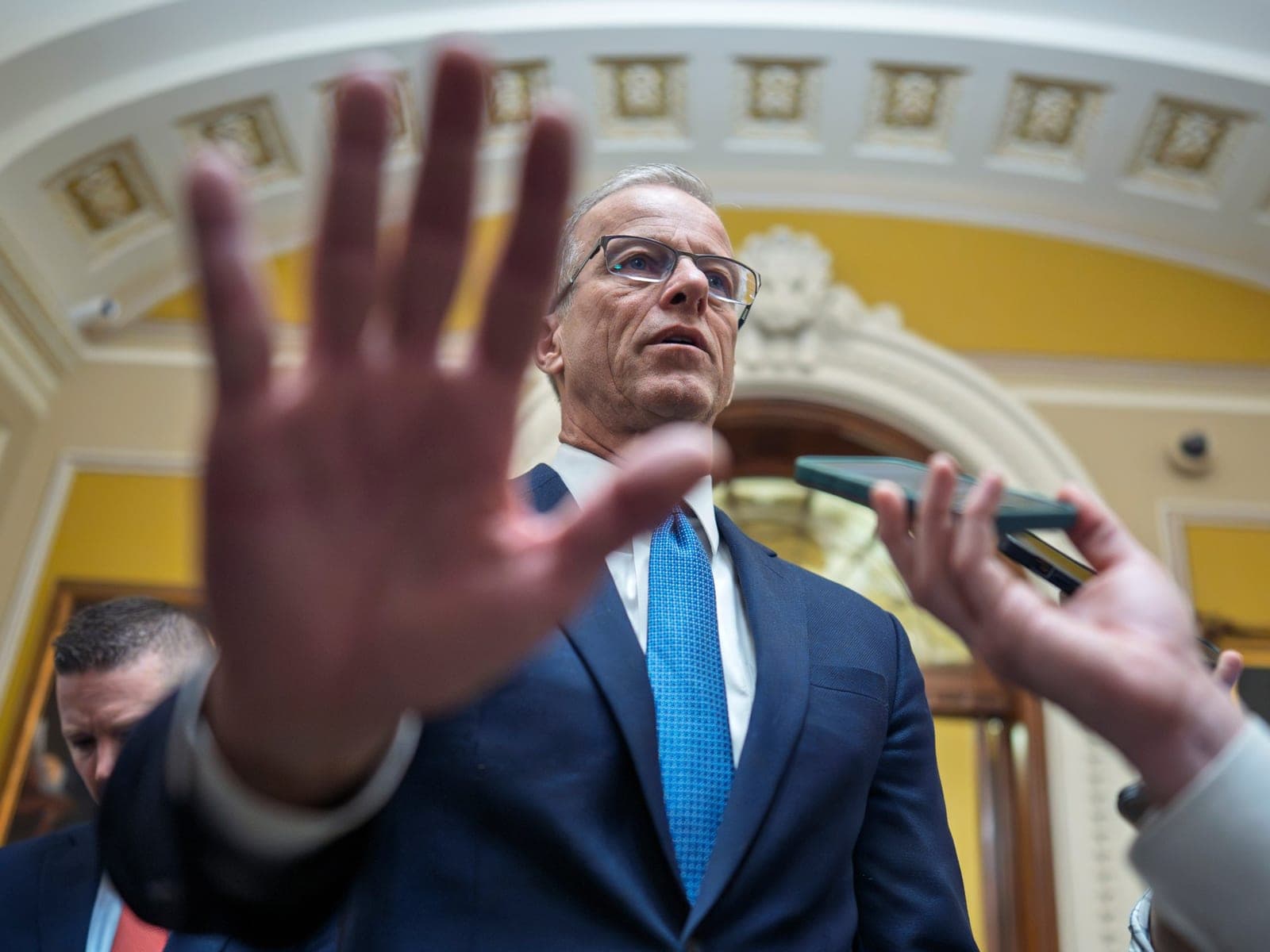
Washington, DC – A resolution to rein in US President Donald Trump’s authority to wage war with Iran has failed for the fourth time in the US Senate, where lawmakers have pledged to introduce the measure weekly. The vote was the first since the US and Iran agreed to a two-week ceasefire last week. Subsequent talks in Islamabad, Pakistan, failed to yield a more lasting agreement, although both sides have signalled they are open to a second round. list of 3 items list 1 of 3Iran says $270bn war loss must be compensated, as fresh talks with US loom list 2 of 3Iran war day 47: What’s happening in Lebanon, Tehran and the Middle East? list 3 of 3US sending 10,000 more troops to Middle East despite Iran ceasefire end of list Prior to the fighting pause, US President Donald Trump had repeatedly threatened to strike civilian infrastructure in Iran. His threat on April 7 that a “whole civilisation will die tonight”, just hours before an agreement had been reached, stoked further calls for Congress to constrain Trump on the war. As with past votes, the resolution on Wednesday failed mostly along party lines, 47-53, with one Republican, Rand Paul, voting in favour and one Democrat, John Fetterman, voting against. Supporters of the resolution have maintained that Trump acted outside of constitutional authority in launching the war alongside Israel on February 28. The US Constitution reserves the decision to go to war for Congress, with presidents only able to unilaterally launch operations in instances of immediate self-defence. The Trump administration, meanwhile, has offered a carousel of explanations for going to war, including arguing that the totality of Iran’s actions since the Islamic revolution in 1979 represented an imminent threat to the US. Speaking before Wednesday’s vote, US Senator Chris Murphy called the conflict a “bungled, mismanaged war” that has failed to achieve several of the administration’s stated goals. Advertisement He further decried a lack of transparency from the Trump administration and oversight from Republicans in Congress. “We should not fail to note how extraordinary it is that our Senate Republican leadership has declined to do any oversight of a war that is costing billions of dollars every week, that has already led to the loss of over a dozen American lives, that has erupted a regional war throughout the Middle East, and is literally melting down economies all over the world,” Murphy said. Senator Jim Risch, a Republican, maintained Trump was acting within his authority as president, dismissing the measure as “a same old, same old”. “It says President Trump: ‘Put your tail between your legs and run.’ That’s what this resolution says,” he said. “Not only does [Trump] have the right to do this, he has the duty to do this. He took an oath to defend the people of the United States of America,” he said. The US House of Representatives was expected to vote on its own resolution this week, with passage in the chamber considered more plausible, particularly given growing wariness of the war among some Republicans. The success of the resolution in either chamber would be largely symbolic. Even if it passed both the House and the Senate, it could be vetoed by Trump. Both chambers would then need a likely insurmountable two-thirds vote to overcome the veto. However, lawmakers could face a larger test at the end of April, when the war hits its 60-day mark. Under the War Powers Act of 1973, the US Congress must authorise the military action at that point or approve a 30-day extension. Otherwise, Trump would be legally required to begin withdrawing forces. On Wednesday, US Central Command (CENTCOM) said that no ships entering or exiting Iranian ports had successfully crossed the US blockade in the Strait of Hormuz over the last 48 hours. CENTCOM said that nine vessels had complied with US military commands to turn around. In a separate statement, the US Navy said it was warning ships that “vessels will be boarded for interdiction and seizure transiting to or from Iranian ports”. US Treasury Secretary Scott Bessent, meanwhile, said Washington was preparing a new raft of actions that would be the “financial equivalent” of military attacks. The US had lifted some sanctions on Iran amid the war to lower soaring global energy prices. Speaking to reporters, White House spokesperson Karoline Leavitt said the Trump administration had not formally requested an extension of the two-week ceasefire, which is set to end next week. She struck an optimistic tone on the prospect of a second round of US-Iran talks in Islamabad. Advertisement “At this moment, we remain very much engaged in these negotiations, in these talks,” she said. Meanwhile, Iran’s state-owned television channel reported that a high-level Pakistani delegation had arrived in Tehran to coordinate a new round of talks. Still, Major-General Ali Abdollahi, the commander of the Khatam al-Anbiya Central Headquarters of the Islamic Revolutionary Guard Corps (IRGC), warned that the ongoing naval blockade could end the fragile pause in fighting. “If the aggressor and terrorist US seeks to continue its illegal action of imposing a naval blockade in the region and to create insecurity for Iran’s commercial vessels and oil tankers, this action by the US will constitute a prelude to a violation of the ceasefire,” he said.
US Senate rejects another war powers resolution to limit Trump on Iran
Washington, DC – A resolution to rein in US President Donald Trump’s authority to wage war with Iran has failed for the fourth time in the US Senate, where lawmakers have pledged to introduce the measure weekly. The vote was the first since the US and Iran agreed to a two-week ceasefire last week. Subsequent talks in Islamabad, Pakistan, failed to yield a more lasting agreement, although both sides have signalled they are open to a second round. list of 3 items list 1 of 3Iran says $270bn war loss must be compensated, as fresh talks with US loom list 2 of 3Iran war day 47: What’s happening in Lebanon, Tehran and the Middle East? list 3 of 3US sending 10,000 more troops to Middle East despite Iran ceasefire end of list Prior to the fighting pause, US President Donald Trump had repeatedly threatened to strike civilian infrastructure in Iran. His threat on April 7 that a “whole civilisation will die tonight”, just hours before an agreement had been reached, stoked further calls for Congress to constrain Trump on the war. As with past votes, the resolution on Wednesday failed mostly along party lines, 47-53, with one Republican, Rand Paul, voting in favour and one Democrat, John Fetterman, voting against. Supporters of the resolution have maintained that Trump acted outside of constitutional authority in launching the war alongside Israel on February 28. The US Constitution reserves the decision to go to war for Congress, with presidents only able to unilaterally launch operations in instances of immediate self-defence. The Trump administration, meanwhile, has offered a carousel of explanations for going to war, including arguing that the totality of Iran’s actions since the Islamic revolution in 1979 represented an imminent threat to the US. Speaking before Wednesday’s vote, US Senator Chris Murphy called the conflict a “bungled, mismanaged war” that has failed to achieve several of the administration’s stated goals. Advertisement He further decried a lack of transparency from the Trump administration and oversight from Republicans in Congress. “We should not fail to note how extraordinary it is that our Senate Republican leadership has declined to do any oversight of a war that is costing billions of dollars every week, that has already led to the loss of over a dozen American lives, that has erupted a regional war throughout the Middle East, and is literally melting down economies all over the world,” Murphy said. Senator Jim Risch, a Republican, maintained Trump was acting within his authority as president, dismissing the measure as “a same old, same old”. “It says President Trump: ‘Put your tail between your legs and run.’ That’s what this resolution says,” he said. “Not only does [Trump] have the right to do this, he has the duty to do this. He took an oath to defend the people of the United States of America,” he said. The US House of Representatives was expected to vote on its own resolution this week, with passage in the chamber considered more plausible, particularly given growing wariness of the war among some Republicans. The success of the resolution in either chamber would be largely symbolic. Even if it passed both the House and the Senate, it could be vetoed by Trump. Both chambers would then need a likely insurmountable two-thirds vote to overcome the veto. However, lawmakers could face a larger test at the end of April, when the war hits its 60-day mark. Under the War Powers Act of 1973, the US Congress must authorise the military action at that point or approve a 30-day extension. Otherwise, Trump would be legally required to begin withdrawing forces. On Wednesday, US Central Command (CENTCOM) said that no ships entering or exiting Iranian ports had successfully crossed the US blockade in the Strait of Hormuz over the last 48 hours. CENTCOM said that nine vessels had complied with US military commands to turn around. In a separate statement, the US Navy said it was warning ships that “vessels will be boarded for interdiction and seizure transiting to or from Iranian ports”. US Treasury Secretary Scott Bessent, meanwhile, said Washington was preparing a new raft of actions that would be the “financial equivalent” of military attacks. The US had lifted some sanctions on Iran amid the war to lower soaring global energy prices. Speaking to reporters, White House spokesperson Karoline Leavitt said the Trump administration had not formally requested an extension of the two-week ceasefire, which is set to end next week. She struck an optimistic tone on the prospect of a second round of US-Iran talks in Islamabad. Advertisement “At this moment, we remain very much engaged in these negotiations, in these talks,” she said. Meanwhile, Iran’s state-owned television channel reported that a high-level Pakistani delegation had arrived in Tehran to coordinate a new round of talks. Still, Major-General Ali Abdollahi, the commander of the Khatam al-Anbiya Central Headquarters of the Islamic Revolutionary Guard Corps (IRGC), warned that the ongoing naval blockade could end the fragile pause in fighting. “If the aggressor and terrorist US seeks to continue its illegal action of imposing a naval blockade in the region and to create insecurity for Iran’s commercial vessels and oil tankers, this action by the US will constitute a prelude to a violation of the ceasefire,” he said.
US Senate rejects another war powers resolution to limit Trump on Iran
Washington, DC – A resolution to rein in US President Donald Trump’s authority to wage war with Iran has failed for the fourth time in the US Senate, where lawmakers have pledged to introduce the measure weekly. The vote was the first since the US and Iran agreed to a two-week ceasefire last week. Subsequent talks in Islamabad, Pakistan, failed to yield a more lasting agreement, although both sides have signalled they are open to a second round. list of 3 items list 1 of 3Iran says $270bn war loss must be compensated, as fresh talks with US loom list 2 of 3Iran war day 47: What’s happening in Lebanon, Tehran and the Middle East? list 3 of 3US sending 10,000 more troops to Middle East despite Iran ceasefire end of list Prior to the fighting pause, US President Donald Trump had repeatedly threatened to strike civilian infrastructure in Iran. His threat on April 7 that a “whole civilisation will die tonight”, just hours before an agreement had been reached, stoked further calls for Congress to constrain Trump on the war. As with past votes, the resolution on Wednesday failed mostly along party lines, 47-53, with one Republican, Rand Paul, voting in favour and one Democrat, John Fetterman, voting against. Supporters of the resolution have maintained that Trump acted outside of constitutional authority in launching the war alongside Israel on February 28. The US Constitution reserves the decision to go to war for Congress, with presidents only able to unilaterally launch operations in instances of immediate self-defence. The Trump administration, meanwhile, has offered a carousel of explanations for going to war, including arguing that the totality of Iran’s actions since the Islamic revolution in 1979 represented an imminent threat to the US. Speaking before Wednesday’s vote, US Senator Chris Murphy called the conflict a “bungled, mismanaged war” that has failed to achieve several of the administration’s stated goals. Advertisement He further decried a lack of transparency from the Trump administration and oversight from Republicans in Congress. “We should not fail to note how extraordinary it is that our Senate Republican leadership has declined to do any oversight of a war that is costing billions of dollars every week, that has already led to the loss of over a dozen American lives, that has erupted a regional war throughout the Middle East, and is literally melting down economies all over the world,” Murphy said. Senator Jim Risch, a Republican, maintained Trump was acting within his authority as president, dismissing the measure as “a same old, same old”. “It says President Trump: ‘Put your tail between your legs and run.’ That’s what this resolution says,” he said. “Not only does [Trump] have the right to do this, he has the duty to do this. He took an oath to defend the people of the United States of America,” he said. The US House of Representatives was expected to vote on its own resolution this week, with passage in the chamber considered more plausible, particularly given growing wariness of the war among some Republicans. The success of the resolution in either chamber would be largely symbolic. Even if it passed both the House and the Senate, it could be vetoed by Trump. Both chambers would then need a likely insurmountable two-thirds vote to overcome the veto. However, lawmakers could face a larger test at the end of April, when the war hits its 60-day mark. Under the War Powers Act of 1973, the US Congress must authorise the military action at that point or approve a 30-day extension. Otherwise, Trump would be legally required to begin withdrawing forces. On Wednesday, US Central Command (CENTCOM) said that no ships entering or exiting Iranian ports had successfully crossed the US blockade in the Strait of Hormuz over the last 48 hours. CENTCOM said that nine vessels had complied with US military commands to turn around. In a separate statement, the US Navy said it was warning ships that “vessels will be boarded for interdiction and seizure transiting to or from Iranian ports”. US Treasury Secretary Scott Bessent, meanwhile, said Washington was preparing a new raft of actions that would be the “financial equivalent” of military attacks. The US had lifted some sanctions on Iran amid the war to lower soaring global energy prices. Speaking to reporters, White House spokesperson Karoline Leavitt said the Trump administration had not formally requested an extension of the two-week ceasefire, which is set to end next week. She struck an optimistic tone on the prospect of a second round of US-Iran talks in Islamabad. Advertisement “At this moment, we remain very much engaged in these negotiations, in these talks,” she said. Meanwhile, Iran’s state-owned television channel reported that a high-level Pakistani delegation had arrived in Tehran to coordinate a new round of talks. Still, Major-General Ali Abdollahi, the commander of the Khatam al-Anbiya Central Headquarters of the Islamic Revolutionary Guard Corps (IRGC), warned that the ongoing naval blockade could end the fragile pause in fighting. “If the aggressor and terrorist US seeks to continue its illegal action of imposing a naval blockade in the region and to create insecurity for Iran’s commercial vessels and oil tankers, this action by the US will constitute a prelude to a violation of the ceasefire,” he said.
US Senate rejects another war powers resolution to limit Trump on Iran
Washington, DC – A resolution to rein in US President Donald Trump’s authority to wage war with Iran has failed for the fourth time in the US Senate, where lawmakers have pledged to introduce the measure weekly. The vote was the first since the US and Iran agreed to a two-week ceasefire last week. Subsequent talks in Islamabad, Pakistan, failed to yield a more lasting agreement, although both sides have signalled they are open to a second round. list of 3 items list 1 of 3Iran says $270bn war loss must be compensated, as fresh talks with US loom list 2 of 3Iran war day 47: What’s happening in Lebanon, Tehran and the Middle East? list 3 of 3US sending 10,000 more troops to Middle East despite Iran ceasefire end of list Prior to the fighting pause, US President Donald Trump had repeatedly threatened to strike civilian infrastructure in Iran. His threat on April 7 that a “whole civilisation will die tonight”, just hours before an agreement had been reached, stoked further calls for Congress to constrain Trump on the war. As with past votes, the resolution on Wednesday failed mostly along party lines, 47-53, with one Republican, Rand Paul, voting in favour and one Democrat, John Fetterman, voting against. Supporters of the resolution have maintained that Trump acted outside of constitutional authority in launching the war alongside Israel on February 28. The US Constitution reserves the decision to go to war for Congress, with presidents only able to unilaterally launch operations in instances of immediate self-defence. The Trump administration, meanwhile, has offered a carousel of explanations for going to war, including arguing that the totality of Iran’s actions since the Islamic revolution in 1979 represented an imminent threat to the US. Speaking before Wednesday’s vote, US Senator Chris Murphy called the conflict a “bungled, mismanaged war” that has failed to achieve several of the administration’s stated goals. Advertisement He further decried a lack of transparency from the Trump administration and oversight from Republicans in Congress. “We should not fail to note how extraordinary it is that our Senate Republican leadership has declined to do any oversight of a war that is costing billions of dollars every week, that has already led to the loss of over a dozen American lives, that has erupted a regional war throughout the Middle East, and is literally melting down economies all over the world,” Murphy said. Senator Jim Risch, a Republican, maintained Trump was acting within his authority as president, dismissing the measure as “a same old, same old”. “It says President Trump: ‘Put your tail between your legs and run.’ That’s what this resolution says,” he said. “Not only does [Trump] have the right to do this, he has the duty to do this. He took an oath to defend the people of the United States of America,” he said. The US House of Representatives was expected to vote on its own resolution this week, with passage in the chamber considered more plausible, particularly given growing wariness of the war among some Republicans. The success of the resolution in either chamber would be largely symbolic. Even if it passed both the House and the Senate, it could be vetoed by Trump. Both chambers would then need a likely insurmountable two-thirds vote to overcome the veto. However, lawmakers could face a larger test at the end of April, when the war hits its 60-day mark. Under the War Powers Act of 1973, the US Congress must authorise the military action at that point or approve a 30-day extension. Otherwise, Trump would be legally required to begin withdrawing forces. On Wednesday, US Central Command (CENTCOM) said that no ships entering or exiting Iranian ports had successfully crossed the US blockade in the Strait of Hormuz over the last 48 hours. CENTCOM said that nine vessels had complied with US military commands to turn around. In a separate statement, the US Navy said it was warning ships that “vessels will be boarded for interdiction and seizure transiting to or from Iranian ports”. US Treasury Secretary Scott Bessent, meanwhile, said Washington was preparing a new raft of actions that would be the “financial equivalent” of military attacks. The US had lifted some sanctions on Iran amid the war to lower soaring global energy prices. Speaking to reporters, White House spokesperson Karoline Leavitt said the Trump administration had not formally requested an extension of the two-week ceasefire, which is set to end next week. She struck an optimistic tone on the prospect of a second round of US-Iran talks in Islamabad. Advertisement “At this moment, we remain very much engaged in these negotiations, in these talks,” she said. Meanwhile, Iran’s state-owned television channel reported that a high-level Pakistani delegation had arrived in Tehran to coordinate a new round of talks. Still, Major-General Ali Abdollahi, the commander of the Khatam al-Anbiya Central Headquarters of the Islamic Revolutionary Guard Corps (IRGC), warned that the ongoing naval blockade could end the fragile pause in fighting. “If the aggressor and terrorist US seeks to continue its illegal action of imposing a naval blockade in the region and to create insecurity for Iran’s commercial vessels and oil tankers, this action by the US will constitute a prelude to a violation of the ceasefire,” he said.