11 stories credited to The New Arab
Latest story Apr 18, 2026 · on ChamberLight since Apr 2026
A story can appear as several articles (copies of the same piece), so counts of stories and of articles differ.
Scores for The New Arab
Originality
11 stories · updated Sep 24, 2026
Writing quality not enough rated stories yet: 4 of 10. How it is measured
Scores last checked Sep 24, 2026.
Stories ChamberLight collected, by month
Stories credited to The New Arab, by publication date. ChamberLight collects articles that mention the officials it tracks, so this shows its own coverage of this source, not how much the source publishes.
- Stories from The New Arab
- Shaded: ChamberLight collected no stories, or almost none, from any outlet (a gap in its collection, not in the outlet’s publishing)
Show as a table
| Month | Stories | All outlets |
|---|---|---|
| September 2025 | 1 | 42 |
| October 2025 | 0 | 50 |
| November 2025 | 0 | 79 |
| December 2025 | 0 | 27 |
| January 2026 | 0 | 87 |
| February 2026 | 1 | 180 |
| March 2026 | 1 | 1,094 |
| April 2026 | 8 | 4,537 |
| May 2026 | 0 | none collected |
| June 2026 | 0 | none collected |
| July 2026 | 0 | none collected |
| August 2026 | 0 | 1 (collection gap) |
| September 2026 | 0 | 598 |
Top topics
Share of this source’s stories tagged with each topic. A story can carry several topics, so the shares do not add up to 100%.
- Foreign Policy11
100% of 11 stories · 30% across all outlets
- Defense/Military10
91% of 11 stories · 26% across all outlets
- Ethics/Corruption6
55% of 11 stories · 62% across all outlets
- Budget/Spending3
27% of 11 stories · 33% across all outlets
- Criminal Justice1
9% of 11 stories · 20% across all outlets
- Healthcare1
9% of 11 stories · 8% across all outlets
- Voting Rights1
9% of 11 stories · 20% across all outlets
The thin mark on each bar is the topic’s share across all outlets.
Who they cover
Party of the officials these stories are mainly about, across all 16 officials named. A story counts once for each official it is mainly about, so the split is over 25 story–official pairs, from 11 stories.
- Republican52% · 13 pairs
- Democrat44% · 11 pairs
- Party not recorded4% · 1 pair
Most covered
Stories mainly about each official, and their share of the source’s 11 stories.
- 1Donald TrumpR8 stories · 73%
- 2Hakeem JeffriesD2 stories · 18%
- 3Yassamin AnsariD2 stories · 18%
- 4Charles SchumerD1 story · 9%
- 5Glenn GrothmanR1 story · 9%
- 6Gregory MeeksD1 story · 9%
- 7Jamie RaskinD1 story · 9%
- 8Jeanne ShaheenD1 story · 9%
- 9Marco RubioR1 story · 9%
- 10Marjorie Taylor Greene–1 story · 9%
+ 6 other officials (6 story–official pairs)
Article tone
ChamberLight’s article analysis assigns each story a tone toward the official it covers. It describes the coverage of that official, not The New Arab’s stance, and reader votes do not change it. 11 stories.
- Good Look
- 1 (9%)
- Mixed
- 9 (82%)
- Informational
- 0 (0%)
- Bad Look
- 1 (9%)
Challenges to these scores
No one has challenged a score on this page yet. Anyone can; editors publish every outcome here.
Articles served from newarab.com
25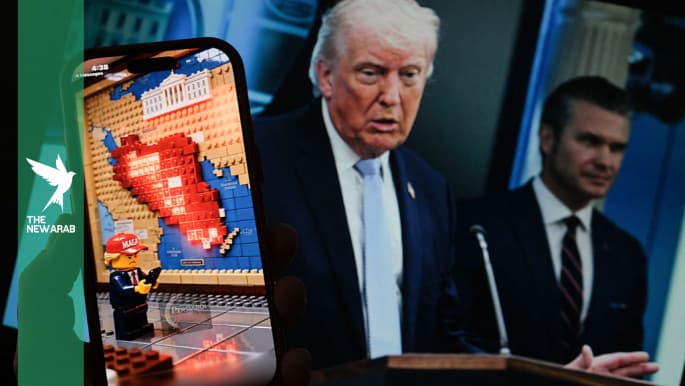
Trump and Hegseth American nutter-o-cracy gets Iran sanity check
Spare a thought for Lindsey Graham. The long-time Senator from South Carolina, whose overwhelming desire to bomb Iran can only be understood as the sublimation of a more libidinal desire, is learning one of life’s harshest lessons: sometimes there is nothing worse than getting exactly what one wants. A month after the initial assault that killed its Supreme Leader, Iran has emerged remarkably well off in the war against the US and Israel. Though it has not secured a decisive win, Iran at least has the superior hand going into the negotiations in Pakistan. This was, of course, never supposed to happen. The idea that Iran could pose any meaningful resistance to the US military in an actual confrontation does not seem to have occurred to this administration. American foreign policy, at least as it is presented to the public, has long been predicated on the notion of a hostile world full of evil, irrational actors who require occasional thumping with a big stick to keep them in check. The US never has competitors with interests at odds with its own, only a rotating cast of madmen. Iran has, for decades, held a special place in the rogues’ gallery of the US’ enemies. I remember growing up in the States, my father, with his Reagan-era political science degree, speaking derisively about “the Mullahs.” I remember cable news pundits painting a picture of black-clad death cultists, bent on building The Bomb, animated purely by their hatred of Israel and America. This Iran was possessed by an ur-evil, unable to be reasoned with, a somehow permanent, imminent threat. The distance between this projection and the held beliefs of the man calling the shots has widened and narrowed with administrations. Trump’s strength, historically, has been his ability to spout the line while tacitly acknowledging, in his overriding need to be seen as a deal maker, that his adversaries are rational agents with material motives. But here he has blundered. High off their string of unchallenged war crimes in Gaza, Lebanon, Venezuela, and Cuba, it is increasingly clear that there was a full belief that cutting off the head would result in the collapse of any Iranian resistance. Instead, Iran steadily applied pressure through a series of horizontal and vertical escalations, making support for the US costly to its neighbours, and holding a knife at the throat of the global economy at the Strait of Hormuz. Each passing week revealed the extent of Trump’s failure to plan. His trademark capriciousness, typically deployed to destabilise his opponents, has smacked both of desperation and market manipulation as of late. He claimed, week after week, that the war was won. As soon as he declared Iran was unable to defend itself, a new volley of missiles would rain down on Tel Aviv. His final bluff that a “whole civilisation [would] die” if Iran did not open the Strait of Hormuz was terrifying only insofar as we all knew that he knew that we knew he had been humiliated. By that point, talk of liberating the people of Iran had long evaporated. Instead of the expected grass-roots regime change, numerous pro-government protests filled Tehran’s Revolution Square. After just a week, even the Iranian monarchists at my local leisure centre were flagging. “Not like this. Not like this.” As it turns out, slaughtering nearly 200 school children does not win hearts and minds. If the Iranian people have rallied and their government has largely coalesced in the face of this existential threat, the cracks in the MAGA coalition have never been more apparent. The growing number of disenchanted former true believers — Tucker Carlson, Candace Owens, and Marjorie Taylor Greene — have all been taking shots at the president, now from outside the tent. Alex Jones called for the president to be removed from office using the 25th Amendment. Even among those who are supportive, there is no unifying logic underpinning the war. Instead, a pack of competing motivations is contributing to a spasmodic, faltering campaign. The neocons, or those who have managed to ride out America First, were happy to take this opportunity at regime change to secure US interests in the region, even if it seems Israel may have provided the push. The Polymarket profiteers are trying to line their pockets with their insider knowledge. The clash-of-civilisations crowd has been keen to strike at the heart of Islamic resistance to the West. For the Christian Zionists, this war represents just another stepping stone on the path to sweet Armageddon. And then there is whatever is happening with Pete Hegseth. The “secretary of war” fancies himself something of a crusader of antiquity, tattooed with “Deus Vult” (God wills it), a massive Jerusalem cross, and kafir in Arabic. Hegseth’s confirmation was mired with controversy surrounding his treatment of women and his penchant for a drink, but it is his infusion of Christian nationalism into the US armed forces that has been the subject of scrutiny during the war against Iran. Despite the relative recency of his religious awakening (many such cases), he has thrown himself into his role as a warrior for God. Long before he joined the administration, Hegseth has been psyching himself up for a confrontation with Iran and guiding Trump towards intervention. In 2020, he said, “I don’t care about Iranian cultural sites,” when it came to strikes on the country because, as he told it, Iran would destroy every American cultural site and build a mosque on them. Now in the cabinet, he has started monthly Christian worship services at the Pentagon, where he has prayed for “overwhelming violence of action against those who deserve no mercy.” He recently dismissed the army’s top chaplain, Major General William Green, as part of a purge that has seen the removal of almost two dozen top brass, and has ordered military chaplains to remove their rank insignia, instead displaying signifiers of their respective faiths. Brooks Potteiger, Hegseth’s chosen spiritual advisor, reportedly told top brass in a sermon, “If our Lord is sovereign even over the sparrow’s fallings, you can be assured that he is sovereign over everything else that falls in this world, including Tomahawk and Minuteman missiles.” Presumably, this includes Tomahawks that fall on schoolgirls. And yet, for all this bravado, the war is not going well for Hegseth and Trump. Not even John Bolton is confident in the venture, let alone God. Trump’s behaviour following the collapse of the negotiations in Islamabad has only become more erratic. He has implemented a naval blockade on Iranian ports and the Strait of Hormuz on top of Iran’s selective closure. If the plan is to pressure Iran via China, he seems to be forgetting that there is another international shipping chokepoint bordering part of Iran’s forward defence. In the early hours of Monday morning, he attacked the Pope for his anti-war statements and shared an AI-generated image of himself as Jesus on his social media platform. The net result is that Trump’s global sway has greatly diminished. Iran’s neighbours are likely wondering how much protection alignment with the US affords them. Europe is staring down a cost-of-living crisis. And as gas prices surge past $4/gallon, Americans may have to start asking themselves whether the real theocratic threat to their way of living was at home the whole time. Alex Foley is a researcher and painter living in Brighton, UK. They have a background in molecular biology of health and disease. They are the co-founder of the Accountability Archive, a web tool preserving fragile digital evidence of pro-genocidal rhetoric from power holders. Follow them on X: @foleywoley Have questions or comments? Email us at: editorial-english@newarab.com Opinions expressed in this article remain those of the author and do not necessarily represent those of The New Arab, its editorial board or staff.
Trump and Hegseth American nutter-o-cracy gets Iran sanity check
Spare a thought for Lindsey Graham. The long-time Senator from South Carolina, whose overwhelming desire to bomb Iran can only be understood as the sublimation of a more libidinal desire, is learning one of life’s harshest lessons: sometimes there is nothing worse than getting exactly what one wants. A month after the initial assault that killed its Supreme Leader, Iran has emerged remarkably well off in the war against the US and Israel. Though it has not secured a decisive win, Iran at least has the superior hand going into the negotiations in Pakistan. This was, of course, never supposed to happen. The idea that Iran could pose any meaningful resistance to the US military in an actual confrontation does not seem to have occurred to this administration. American foreign policy, at least as it is presented to the public, has long been predicated on the notion of a hostile world full of evil, irrational actors who require occasional thumping with a big stick to keep them in check. The US never has competitors with interests at odds with its own, only a rotating cast of madmen. Iran has, for decades, held a special place in the rogues’ gallery of the US’ enemies. I remember growing up in the States, my father, with his Reagan-era political science degree, speaking derisively about “the Mullahs.” I remember cable news pundits painting a picture of black-clad death cultists, bent on building The Bomb, animated purely by their hatred of Israel and America. This Iran was possessed by an ur-evil, unable to be reasoned with, a somehow permanent, imminent threat. The distance between this projection and the held beliefs of the man calling the shots has widened and narrowed with administrations. Trump’s strength, historically, has been his ability to spout the line while tacitly acknowledging, in his overriding need to be seen as a deal maker, that his adversaries are rational agents with material motives. But here he has blundered. High off their string of unchallenged war crimes in Gaza, Lebanon, Venezuela, and Cuba, it is increasingly clear that there was a full belief that cutting off the head would result in the collapse of any Iranian resistance. Instead, Iran steadily applied pressure through a series of horizontal and vertical escalations, making support for the US costly to its neighbours, and holding a knife at the throat of the global economy at the Strait of Hormuz. Each passing week revealed the extent of Trump’s failure to plan. His trademark capriciousness, typically deployed to destabilise his opponents, has smacked both of desperation and market manipulation as of late. He claimed, week after week, that the war was won. As soon as he declared Iran was unable to defend itself, a new volley of missiles would rain down on Tel Aviv. His final bluff that a “whole civilisation [would] die” if Iran did not open the Strait of Hormuz was terrifying only insofar as we all knew that he knew that we knew he had been humiliated. By that point, talk of liberating the people of Iran had long evaporated. Instead of the expected grass-roots regime change, numerous pro-government protests filled Tehran’s Revolution Square. After just a week, even the Iranian monarchists at my local leisure centre were flagging. “Not like this. Not like this.” As it turns out, slaughtering nearly 200 school children does not win hearts and minds. If the Iranian people have rallied and their government has largely coalesced in the face of this existential threat, the cracks in the MAGA coalition have never been more apparent. The growing number of disenchanted former true believers — Tucker Carlson, Candace Owens, and Marjorie Taylor Greene — have all been taking shots at the president, now from outside the tent. Alex Jones called for the president to be removed from office using the 25th Amendment. Even among those who are supportive, there is no unifying logic underpinning the war. Instead, a pack of competing motivations is contributing to a spasmodic, faltering campaign. The neocons, or those who have managed to ride out America First, were happy to take this opportunity at regime change to secure US interests in the region, even if it seems Israel may have provided the push. The Polymarket profiteers are trying to line their pockets with their insider knowledge. The clash-of-civilisations crowd has been keen to strike at the heart of Islamic resistance to the West. For the Christian Zionists, this war represents just another stepping stone on the path to sweet Armageddon. And then there is whatever is happening with Pete Hegseth. The “secretary of war” fancies himself something of a crusader of antiquity, tattooed with “Deus Vult” (God wills it), a massive Jerusalem cross, and kafir in Arabic. Hegseth’s confirmation was mired with controversy surrounding his treatment of women and his penchant for a drink, but it is his infusion of Christian nationalism into the US armed forces that has been the subject of scrutiny during the war against Iran. Despite the relative recency of his religious awakening (many such cases), he has thrown himself into his role as a warrior for God. Long before he joined the administration, Hegseth has been psyching himself up for a confrontation with Iran and guiding Trump towards intervention. In 2020, he said, “I don’t care about Iranian cultural sites,” when it came to strikes on the country because, as he told it, Iran would destroy every American cultural site and build a mosque on them. Now in the cabinet, he has started monthly Christian worship services at the Pentagon, where he has prayed for “overwhelming violence of action against those who deserve no mercy.” He recently dismissed the army’s top chaplain, Major General William Green, as part of a purge that has seen the removal of almost two dozen top brass, and has ordered military chaplains to remove their rank insignia, instead displaying signifiers of their respective faiths. Brooks Potteiger, Hegseth’s chosen spiritual advisor, reportedly told top brass in a sermon, “If our Lord is sovereign even over the sparrow’s fallings, you can be assured that he is sovereign over everything else that falls in this world, including Tomahawk and Minuteman missiles.” Presumably, this includes Tomahawks that fall on schoolgirls. And yet, for all this bravado, the war is not going well for Hegseth and Trump. Not even John Bolton is confident in the venture, let alone God. Trump’s behaviour following the collapse of the negotiations in Islamabad has only become more erratic. He has implemented a naval blockade on Iranian ports and the Strait of Hormuz on top of Iran’s selective closure. If the plan is to pressure Iran via China, he seems to be forgetting that there is another international shipping chokepoint bordering part of Iran’s forward defence. In the early hours of Monday morning, he attacked the Pope for his anti-war statements and shared an AI-generated image of himself as Jesus on his social media platform. The net result is that Trump’s global sway has greatly diminished. Iran’s neighbours are likely wondering how much protection alignment with the US affords them. Europe is staring down a cost-of-living crisis. And as gas prices surge past $4/gallon, Americans may have to start asking themselves whether the real theocratic threat to their way of living was at home the whole time. Alex Foley is a researcher and painter living in Brighton, UK. They have a background in molecular biology of health and disease. They are the co-founder of the Accountability Archive, a web tool preserving fragile digital evidence of pro-genocidal rhetoric from power holders. Follow them on X: @foleywoley Have questions or comments? Email us at: editorial-english@newarab.com Opinions expressed in this article remain those of the author and do not necessarily represent those of The New Arab, its editorial board or staff.
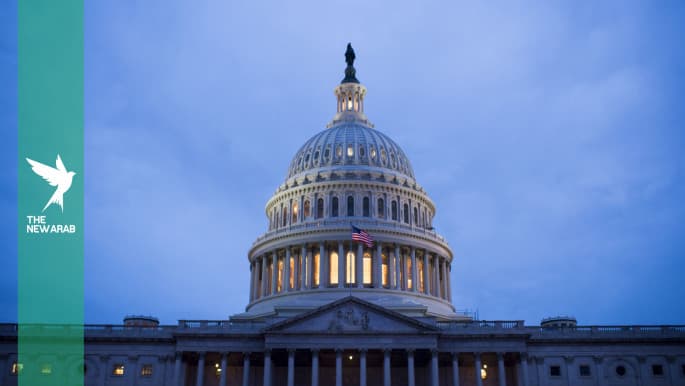
US House rejects bid to curb Trump's Iran war powers
The US House of Representatives on Thursday rejected an effort to curb President Donald Trump's authority to wage war in Iran, another setback in Democrats' campaign to force Congress back into decisions over military action in the Middle East. The vote, held after Democrats forced the issue onto the floor, came as unease over the six-week conflict continued to spread on Capitol Hill, with lawmakers wary of rising costs, an unclear endgame and the risk of a wider war. The measure would have required Trump to end US military operations against Tehran unless Congress explicitly approved them, invoking the 1973 War Powers Resolution that limits presidential freedom to conduct prolonged hostilities without lawmakers' consent. It was largely party-line vote, although one of Trump's Republicans supported the resolution and another abstained, while a Democrat voted against it. Democrats argue that Trump launched the conflict jointly with Israel on February 28 without the congressional authorisation required by the constitution, which gives Congress sole power to declare war. "We are standing at the edge of a cliff, and Congress must act before this president pushes us off. Every day we delay, we inch closer to a conflict with no exit ramp," Gregory Meeks, the top Democrat on the Foreign Affairs Committee, said ahead of the vote. The defeat came despite Democrats narrowing the margin from a previous failed House vote in March, when a similar resolution lost by seven votes. But in the end, Republican support remained too thin. Trump has so far retained broad backing from his party, despite frustration among some lawmakers over the administration's refusal to publicly detail the financial and military burden of the war. At congressional hearings on Wednesday and Thursday, White House budget director Russ Vought declined to estimate the taxpayer cost, and would not confirm an estimate by the Senate Budget Committee's top Democrat Jeff Merkley that the figure was around $50 billion so far. Democrats insist failed war powers votes are still valuable because they force lawmakers to go on the record. The House vote came a day after the Senate again rejected its own war powers effort, though Democratic leaders in both chambers have vowed to keep bringing the issue back. "The reality is this war costing the American people, taxpayers, billions of dollars a day, at the same time when Republicans are ripping healthcare away from the American people," said Democratic House Minority Leader Hakeem Jeffries.
US House rejects bid to curb Trump's Iran war powers
The US House of Representatives on Thursday rejected an effort to curb President Donald Trump's authority to wage war in Iran, another setback in Democrats' campaign to force Congress back into decisions over military action in the Middle East. The vote, held after Democrats forced the issue onto the floor, came as unease over the six-week conflict continued to spread on Capitol Hill, with lawmakers wary of rising costs, an unclear endgame and the risk of a wider war. The measure would have required Trump to end US military operations against Tehran unless Congress explicitly approved them, invoking the 1973 War Powers Resolution that limits presidential freedom to conduct prolonged hostilities without lawmakers' consent. It was largely party-line vote, although one of Trump's Republicans supported the resolution and another abstained, while a Democrat voted against it. Democrats argue that Trump launched the conflict jointly with Israel on February 28 without the congressional authorisation required by the constitution, which gives Congress sole power to declare war. "We are standing at the edge of a cliff, and Congress must act before this president pushes us off. Every day we delay, we inch closer to a conflict with no exit ramp," Gregory Meeks, the top Democrat on the Foreign Affairs Committee, said ahead of the vote. The defeat came despite Democrats narrowing the margin from a previous failed House vote in March, when a similar resolution lost by seven votes. But in the end, Republican support remained too thin. Trump has so far retained broad backing from his party, despite frustration among some lawmakers over the administration's refusal to publicly detail the financial and military burden of the war. At congressional hearings on Wednesday and Thursday, White House budget director Russ Vought declined to estimate the taxpayer cost, and would not confirm an estimate by the Senate Budget Committee's top Democrat Jeff Merkley that the figure was around $50 billion so far. Democrats insist failed war powers votes are still valuable because they force lawmakers to go on the record. The House vote came a day after the Senate again rejected its own war powers effort, though Democratic leaders in both chambers have vowed to keep bringing the issue back. "The reality is this war costing the American people, taxpayers, billions of dollars a day, at the same time when Republicans are ripping healthcare away from the American people," said Democratic House Minority Leader Hakeem Jeffries.
US House rejects bid to curb Trump's Iran war powers
The US House of Representatives on Thursday rejected an effort to curb President Donald Trump's authority to wage war in Iran, another setback in Democrats' campaign to force Congress back into decisions over military action in the Middle East. The vote, held after Democrats forced the issue onto the floor, came as unease over the six-week conflict continued to spread on Capitol Hill, with lawmakers wary of rising costs, an unclear endgame and the risk of a wider war. The measure would have required Trump to end US military operations against Tehran unless Congress explicitly approved them, invoking the 1973 War Powers Resolution that limits presidential freedom to conduct prolonged hostilities without lawmakers' consent. It was largely party-line vote, although one of Trump's Republicans supported the resolution and another abstained, while a Democrat voted against it. Democrats argue that Trump launched the conflict jointly with Israel on February 28 without the congressional authorisation required by the constitution, which gives Congress sole power to declare war. "We are standing at the edge of a cliff, and Congress must act before this president pushes us off. Every day we delay, we inch closer to a conflict with no exit ramp," Gregory Meeks, the top Democrat on the Foreign Affairs Committee, said ahead of the vote. The defeat came despite Democrats narrowing the margin from a previous failed House vote in March, when a similar resolution lost by seven votes. But in the end, Republican support remained too thin. Trump has so far retained broad backing from his party, despite frustration among some lawmakers over the administration's refusal to publicly detail the financial and military burden of the war. At congressional hearings on Wednesday and Thursday, White House budget director Russ Vought declined to estimate the taxpayer cost, and would not confirm an estimate by the Senate Budget Committee's top Democrat Jeff Merkley that the figure was around $50 billion so far. Democrats insist failed war powers votes are still valuable because they force lawmakers to go on the record. The House vote came a day after the Senate again rejected its own war powers effort, though Democratic leaders in both chambers have vowed to keep bringing the issue back. "The reality is this war costing the American people, taxpayers, billions of dollars a day, at the same time when Republicans are ripping healthcare away from the American people," said Democratic House Minority Leader Hakeem Jeffries.

White House offers no hint of war cost, seeks military funding
White House budget director Russell Vought said on Wednesday he could not estimate the cost of the Iran war, as he defended President Donald Trump's request for a massive $1.5 trillion annual military budget against bipartisan criticism from U.S. lawmakers who cited the Pentagon's historic lack of financial accountability. "We're not ready to come to you with a request. We're still working on it. We're working through to figure out what's needed," Vought told a hearing of the House of Representatives Budget Committee. "I don't have a ballpark." The cost of the war with Iran, which Trump began alongside Israel on February 28, has remained an open question on Capitol Hill. An initial $200 billion request for additional funding for the war met with stiff opposition in Congress last month. Vought appeared before the panel to discuss Trump's proposed budget for fiscal year 2027, with its $500 billion increase in military spending and 10% reduction for non-defense programs. The request is intended to reflect Republican priorities heading into the November midterm elections, in which Trump's Republicans hope to retain control over the House of Representatives and the Senate but face growing public concern about the cost of living, energy prices and the U.S.-Israeli war with Iran. 'Never passed an audit' Democrats took issue with Vought's assertions that healthcare, education and low-income energy assistance programs were marred by fraud. "I'm so glad you asked about fraud, because you are coming back to ask for a $1.5 trillion budget for the Department of Defense," Democratic Representative Pramila Jayapal of Washington state told the budget director. "The Department of Defense is the only federal agency that has never passed an audit ... But you're not going after any of that." Vought said the administration is pursuing "inefficiencies" at the Pentagon. "I don't think you're doing enough," said Republican Representative Glenn Grothman, who called for a Pentagon audit to be completed before Congress votes on defense spending. "There is so much arrogance in that agency," added Grothman, of Wisconsin. "They just say we don't have to do it on audit. We're so damn important. We don't care what Congress thinks." Vought promoted Trump's budget proposal for the fiscal year beginning October 1 as aimed at reducing spending. He promoted Trump's 2025 tax-cut-and-spending package known as the "One Big Beautiful Bill Act" as an initiative that achieved $2 trillion in mandatory savings through cuts to Medicaid health coverage and food assistance to low-income families. That bill, which extended 2017 tax cuts, will add $4.7 trillion to U.S. deficits over the next decade, while reduced immigration will add another $500 billion, according to the nonpartisan Congressional Budget Office.
White House offers no hint of war cost, seeks military funding
White House budget director Russell Vought said on Wednesday he could not estimate the cost of the Iran war, as he defended President Donald Trump's request for a massive $1.5 trillion annual military budget against bipartisan criticism from U.S. lawmakers who cited the Pentagon's historic lack of financial accountability. "We're not ready to come to you with a request. We're still working on it. We're working through to figure out what's needed," Vought told a hearing of the House of Representatives Budget Committee. "I don't have a ballpark." The cost of the war with Iran, which Trump began alongside Israel on February 28, has remained an open question on Capitol Hill. An initial $200 billion request for additional funding for the war met with stiff opposition in Congress last month. Vought appeared before the panel to discuss Trump's proposed budget for fiscal year 2027, with its $500 billion increase in military spending and 10% reduction for non-defense programs. The request is intended to reflect Republican priorities heading into the November midterm elections, in which Trump's Republicans hope to retain control over the House of Representatives and the Senate but face growing public concern about the cost of living, energy prices and the U.S.-Israeli war with Iran. 'Never passed an audit' Democrats took issue with Vought's assertions that healthcare, education and low-income energy assistance programs were marred by fraud. "I'm so glad you asked about fraud, because you are coming back to ask for a $1.5 trillion budget for the Department of Defense," Democratic Representative Pramila Jayapal of Washington state told the budget director. "The Department of Defense is the only federal agency that has never passed an audit ... But you're not going after any of that." Vought said the administration is pursuing "inefficiencies" at the Pentagon. "I don't think you're doing enough," said Republican Representative Glenn Grothman, who called for a Pentagon audit to be completed before Congress votes on defense spending. "There is so much arrogance in that agency," added Grothman, of Wisconsin. "They just say we don't have to do it on audit. We're so damn important. We don't care what Congress thinks." Vought promoted Trump's budget proposal for the fiscal year beginning October 1 as aimed at reducing spending. He promoted Trump's 2025 tax-cut-and-spending package known as the "One Big Beautiful Bill Act" as an initiative that achieved $2 trillion in mandatory savings through cuts to Medicaid health coverage and food assistance to low-income families. That bill, which extended 2017 tax cuts, will add $4.7 trillion to U.S. deficits over the next decade, while reduced immigration will add another $500 billion, according to the nonpartisan Congressional Budget Office.
White House offers no hint of war cost, seeks military funding
White House budget director Russell Vought said on Wednesday he could not estimate the cost of the Iran war, as he defended President Donald Trump's request for a massive $1.5 trillion annual military budget against bipartisan criticism from U.S. lawmakers who cited the Pentagon's historic lack of financial accountability. "We're not ready to come to you with a request. We're still working on it. We're working through to figure out what's needed," Vought told a hearing of the House of Representatives Budget Committee. "I don't have a ballpark." The cost of the war with Iran, which Trump began alongside Israel on February 28, has remained an open question on Capitol Hill. An initial $200 billion request for additional funding for the war met with stiff opposition in Congress last month. Vought appeared before the panel to discuss Trump's proposed budget for fiscal year 2027, with its $500 billion increase in military spending and 10% reduction for non-defense programs. The request is intended to reflect Republican priorities heading into the November midterm elections, in which Trump's Republicans hope to retain control over the House of Representatives and the Senate but face growing public concern about the cost of living, energy prices and the U.S.-Israeli war with Iran. 'Never passed an audit' Democrats took issue with Vought's assertions that healthcare, education and low-income energy assistance programs were marred by fraud. "I'm so glad you asked about fraud, because you are coming back to ask for a $1.5 trillion budget for the Department of Defense," Democratic Representative Pramila Jayapal of Washington state told the budget director. "The Department of Defense is the only federal agency that has never passed an audit ... But you're not going after any of that." Vought said the administration is pursuing "inefficiencies" at the Pentagon. "I don't think you're doing enough," said Republican Representative Glenn Grothman, who called for a Pentagon audit to be completed before Congress votes on defense spending. "There is so much arrogance in that agency," added Grothman, of Wisconsin. "They just say we don't have to do it on audit. We're so damn important. We don't care what Congress thinks." Vought promoted Trump's budget proposal for the fiscal year beginning October 1 as aimed at reducing spending. He promoted Trump's 2025 tax-cut-and-spending package known as the "One Big Beautiful Bill Act" as an initiative that achieved $2 trillion in mandatory savings through cuts to Medicaid health coverage and food assistance to low-income families. That bill, which extended 2017 tax cuts, will add $4.7 trillion to U.S. deficits over the next decade, while reduced immigration will add another $500 billion, according to the nonpartisan Congressional Budget Office.
White House offers no hint of war cost, seeks military funding
White House budget director Russell Vought said on Wednesday he could not estimate the cost of the Iran war, as he defended President Donald Trump's request for a massive $1.5 trillion annual military budget against bipartisan criticism from U.S. lawmakers who cited the Pentagon's historic lack of financial accountability. "We're not ready to come to you with a request. We're still working on it. We're working through to figure out what's needed," Vought told a hearing of the House of Representatives Budget Committee. "I don't have a ballpark." The cost of the war with Iran, which Trump began alongside Israel on February 28, has remained an open question on Capitol Hill. An initial $200 billion request for additional funding for the war met with stiff opposition in Congress last month. Vought appeared before the panel to discuss Trump's proposed budget for fiscal year 2027, with its $500 billion increase in military spending and 10% reduction for non-defense programs. The request is intended to reflect Republican priorities heading into the November midterm elections, in which Trump's Republicans hope to retain control over the House of Representatives and the Senate but face growing public concern about the cost of living, energy prices and the U.S.-Israeli war with Iran. 'Never passed an audit' Democrats took issue with Vought's assertions that healthcare, education and low-income energy assistance programs were marred by fraud. "I'm so glad you asked about fraud, because you are coming back to ask for a $1.5 trillion budget for the Department of Defense," Democratic Representative Pramila Jayapal of Washington state told the budget director. "The Department of Defense is the only federal agency that has never passed an audit ... But you're not going after any of that." Vought said the administration is pursuing "inefficiencies" at the Pentagon. "I don't think you're doing enough," said Republican Representative Glenn Grothman, who called for a Pentagon audit to be completed before Congress votes on defense spending. "There is so much arrogance in that agency," added Grothman, of Wisconsin. "They just say we don't have to do it on audit. We're so damn important. We don't care what Congress thinks." Vought promoted Trump's budget proposal for the fiscal year beginning October 1 as aimed at reducing spending. He promoted Trump's 2025 tax-cut-and-spending package known as the "One Big Beautiful Bill Act" as an initiative that achieved $2 trillion in mandatory savings through cuts to Medicaid health coverage and food assistance to low-income families. That bill, which extended 2017 tax cuts, will add $4.7 trillion to U.S. deficits over the next decade, while reduced immigration will add another $500 billion, according to the nonpartisan Congressional Budget Office.
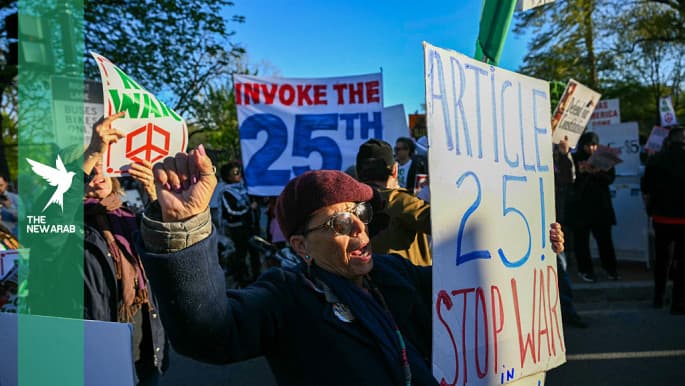
What is the 25th Amendment, and how can it end Trump's era?
The past month has seen a growing chorus of public figures urging for US President Donald Trump to be removed from office, including some prominent Republicans. Though there have long been left-wing critics of the president who would like to see him gone, the calls for his removal are now becoming mainstream after an increased frequency in memory lapses and recent social media posts in which he threatened to annihilate Iran and another in which he shared a picture of himself appearing to represent Jesus. On Tuesday, Democrats introduced a bill with 50 co-sponsors to use the 25th Amendment to evaluate Trump's fitness to remain in office. This is the first major official step toward pushing for Trump’s removal from office, following weeks of increased talk of invoking the 25th Amendment by a largely left-leaning movement comprising Democratic politicians and organisations, though, given its momentum, this could soon change. "Public trust in Donald Trump's ability to meet the duties of his office has dropped to unprecedented lows as he threatens to destroy entire civilisations, unleashes chaos in the Middle East while violating Congressional war powers, aggressively insults the Pope of the Catholic Church and sends out artistic renderings online likening himself to Jesus Christ," said Representative Jamie Raskin of Maryland, who introduced the bill. "We are at a dangerous precipice, and it is now a matter of national security for Congress to fulfil its responsibilities under the 25th Amendment to protect the American people from an increasingly volatile and unstable situation," Raskin added. Also this week, in an unprecedented move, the National Association for the Advancement of Colored People (NAACP) called for Trump's removal. What is the 25th Amendment? The 25th Amendment of the US Constitution sets a framework for the vice president to become president if the president dies, resigns, is unable to fulfil his constitutional duties, becomes incapacitated or is removed from office by impeachment. This includes a transfer of power when the president is incapacitated (e.g., while undergoing surgery). Why now? The growing calls to remove Trump from office follow recent social media posts that go beyond Trump's typical inflammatory rhetoric. "We're going to hit them extremely hard over the next two to three weeks; we’re going to bring them back to the Stone Age where they belong," Trump wrote in a Truth Social post on 1 April. On 7 April, Trump warned that a "whole civilisation will die tonight" if Iran didn't meet his demands, leading to backlash from prominent Republicans, including former Congresswoman Marjorie Taylor Greene and former Fox News host Tucker Carlson. This was followed by Pope Leo XIV calling for peace and criticising the "delusion of omnipotence" that he suggested was fueling the war. He also said that "God does not bless any conflict." This week, Trump shared an image that appeared to depict himself as Jesus. This led to further backlash and calls for his removal, including from prominent Republicans. He has also referred to Pope Leo XIV as a radical leftist and said that the Pope was soft on crime. Why is this significant? Since the 25th Amendment was adopted in 1967, it has been invoked in only a handful of cases, such as medical emergencies in which the president was temporarily incapacitated. The move by members to invoke the 25th Amendment to push for the president's removal is highly unusual. Given the Republican majority in Congress, they are unlikely to succeed, as this would require a two-thirds vote. Nevertheless, this move comes at a time when Trump's approval ratings are at record lows, and Republicans are expected to face significant losses in the 2026 midterms.
What is the 25th Amendment, and how can it end Trump's era?
The past month has seen a growing chorus of public figures urging for US President Donald Trump to be removed from office, including some prominent Republicans. Though there have long been left-wing critics of the president who would like to see him gone, the calls for his removal are now becoming mainstream after an increased frequency in memory lapses and recent social media posts in which he threatened to annihilate Iran and another in which he shared a picture of himself appearing to represent Jesus. On Tuesday, Democrats introduced a bill with 50 co-sponsors to use the 25th Amendment to evaluate Trump's fitness to remain in office. This is the first major official step toward pushing for Trump’s removal from office, following weeks of increased talk of invoking the 25th Amendment by a largely left-leaning movement comprising Democratic politicians and organisations, though, given its momentum, this could soon change. "Public trust in Donald Trump's ability to meet the duties of his office has dropped to unprecedented lows as he threatens to destroy entire civilisations, unleashes chaos in the Middle East while violating Congressional war powers, aggressively insults the Pope of the Catholic Church and sends out artistic renderings online likening himself to Jesus Christ," said Representative Jamie Raskin of Maryland, who introduced the bill. "We are at a dangerous precipice, and it is now a matter of national security for Congress to fulfil its responsibilities under the 25th Amendment to protect the American people from an increasingly volatile and unstable situation," Raskin added. Also this week, in an unprecedented move, the National Association for the Advancement of Colored People (NAACP) called for Trump's removal. What is the 25th Amendment? The 25th Amendment of the US Constitution sets a framework for the vice president to become president if the president dies, resigns, is unable to fulfil his constitutional duties, becomes incapacitated or is removed from office by impeachment. This includes a transfer of power when the president is incapacitated (e.g., while undergoing surgery). Why now? The growing calls to remove Trump from office follow recent social media posts that go beyond Trump's typical inflammatory rhetoric. "We're going to hit them extremely hard over the next two to three weeks; we’re going to bring them back to the Stone Age where they belong," Trump wrote in a Truth Social post on 1 April. On 7 April, Trump warned that a "whole civilisation will die tonight" if Iran didn't meet his demands, leading to backlash from prominent Republicans, including former Congresswoman Marjorie Taylor Greene and former Fox News host Tucker Carlson. This was followed by Pope Leo XIV calling for peace and criticising the "delusion of omnipotence" that he suggested was fueling the war. He also said that "God does not bless any conflict." This week, Trump shared an image that appeared to depict himself as Jesus. This led to further backlash and calls for his removal, including from prominent Republicans. He has also referred to Pope Leo XIV as a radical leftist and said that the Pope was soft on crime. Why is this significant? Since the 25th Amendment was adopted in 1967, it has been invoked in only a handful of cases, such as medical emergencies in which the president was temporarily incapacitated. The move by members to invoke the 25th Amendment to push for the president's removal is highly unusual. Given the Republican majority in Congress, they are unlikely to succeed, as this would require a two-thirds vote. Nevertheless, this move comes at a time when Trump's approval ratings are at record lows, and Republicans are expected to face significant losses in the 2026 midterms.
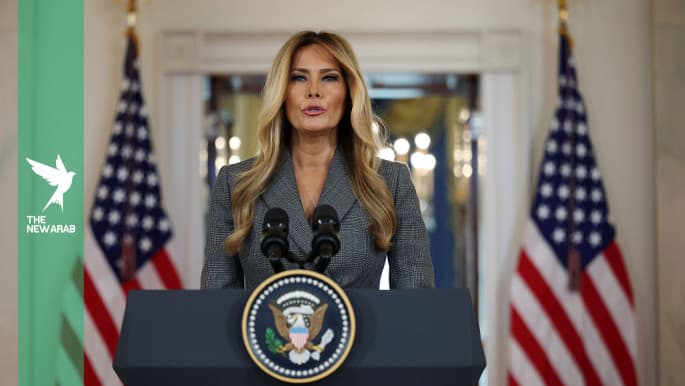
Melania Trump blasts 'lies' linking her to Epstein
US First Lady Melania Trump made a surprise statement on Thursday denying any knowledge of Jeffrey Epstein's abuse, or that she herself was a victim of the convicted sex offender. The 55-year-old's rare on-camera remarks at the White House came out of the blue, in an extraordinary intervention in a scandal that has long haunted her husband President Donald Trump. "The lies linking me with the disgraceful Jeffrey Epstein need to end today," she said. "The individuals lying about me are devoid of ethical standards, humility and respect." It was not clear why the Slovenian-born former model decided to give the public statement, and she did not detail any specific allegations about her and the late, convicted sex offender. Melania and Donald Trump had previously been photographed with Epstein, but she said that she had met her husband independently two years prior to meeting Epstein. "I am not Epstein's victim. Epstein did not introduce me to Donald Trump," Melania Trump said. She said "fake images and statements about Epstein and me" had been circulating on social media "for years now. Be cautious about what you believe: these images and stories are completely false." The first lady also urged Congress to hold a public hearing for survivors of Epstein's abuse to "give these victims their opportunity to testify under oath." But some Epstein survivors and their families, including the brother of Epstein's main accuser, Virginia Giuffre, called the speech a "deflection of responsibility." "First Lady Melania Trump is now shifting the burden onto survivors under political conditions that protect those with power" including "the Trump Administration, which has still not fully complied with the Epstein Files Transparency Act," according to a joint statement posted on social media. Two of Epstein's accusers, sisters Maria and Annie Farmer told US media in a separate statement: "We can't speak for other survivors, but what we want is accountability, transparency and justice." The sisters called for the release of "the remaining records held by the Department of Justice - including my complete FBI records from 1996." Epstein died in federal custody in 2019 while awaiting trial on sex trafficking charges involving minors, but the scandal has repeatedly overshadowed Trump's second presidency. 'Epstein's abuse' The US Justice Department has, over the past year, released huge tranches of files related to Epstein. Trump, 79, has also denied any link to Epstein's crimes. One widely-seen picture in the files showed Donald and Melania Trump at their Mar-a-Lago resort in Florida, along with Epstein and his accomplice Ghislaine Maxwell. "I have never had any knowledge of Epstein's abuse of his victims. I was never involved in any capacity. I was not a participant. Was never on Epstein's plane, and never visited his private island," Melania Trump said. "I have never been legally accused or convicted of a crime in connection with Epstein sex trafficking, abuse of minors and other repulsive behaviour." Democrat Suhas Subramanyam, who sits on the congressional committee probing Epstein, called on Melania Trump to "testify under oath." Speculation ran riot on social media about why the US first lady had decided to put the Epstein scandal back in the headlines after weeks of relative quiet. It comes just two days after her husband announced a ceasefire in the US-Israeli war on Iran, which critics say has left the crucial Strait of Hormuz still largely shuttered by Tehran. Melania Trump has long been an elusive and often mysterious presence at the White House, who only rarely gives public remarks of the kind she delivered on Thursday. Donald Trump told MS Now that he didn't "know anything about" the statement ahead of time. The last time the first lady was seen with her husband was at an Easter Egg Roll with hundreds of children on Monday.

Democrats ramp up calls to remove Trump over his Iran threats
President Donald Trump’s threats to wipe out Iran, "a whole civilisation," ended the restraint that Democrats have largely exercised when it comes to discussions about removing him from office in his second term. By the dozens, Democrats said Trump should no longer serve in the White House, either through the impeachment process or the 25th Amendment, which allows the vice president and the Cabinet to declare that a president is no longer able to perform the job. While Trump later pulled back on his threat and agreed to a two-week ceasefire with Iran, the episode highlighted growing demands for Democrats to oppose the Republican president in the strongest possible terms. Calls about Iran flooded into congressional offices, lawmakers said. The breadth of the Democratic pushback underscored the gravity of Trump’s apocalyptic threat to a country of more than 91 million people. It also raised the domestic political stakes for a conflict that is far from over. The Trump administration faces mounting calls to testify about the war and justify its requests for hundreds of billions of dollars in new military spending. "A commander in chief who is truly in control would have never got into this colossal mess to begin with," said Senate Democratic leader Chuck Schumer at a news conference on Wednesday in New York. In the near term, both Schumer and House Democratic leader Hakeem Jeffries are shying away from impeachment, instead urging Republicans to join them in passing legislation that would require Trump to obtain congressional approval before carrying out further attacks on Iran. Any attempt to remove Trump from office is unlikely to succeed while Republicans control Congress. House Democrats plan to use a brief session on Thursday to call for the swift passage of war powers legislation, but Republican leadership is expected to block the effort. "We will continue to apply maximum pressure on Republicans to put patriotic duty over party loyalty and join Democrats in stopping the madness," Jeffries said in a letter to Democratic members on Wednesday. At the White House, press secretary Karoline Leavitt defended Trump’s rhetoric as effective. "I think it was a very, very strong threat from the president of the United States that led the Iranian regime to cave to their knees and ask for a ceasefire and agree to reopening the Strait of Hormuz," she said at a press briefing. Callers jam congressional phone lines As they press their case against Trump, Democrats are responding to concerns from their base and constituents. Congressional offices were inundated with phone calls and emails this week, largely from people alarmed by the president’s rhetoric. In the House, the office of Representative Suzan DelBene, Democrat of Washington, received a "ton" of calls and emails on Monday and Tuesday, mostly about Iran but also about impeaching Trump or removing him via the 25th Amendment, said an aide who was not authorised to discuss internal matters and spoke on condition of anonymity. When staff in her district office took a break on Tuesday, they returned to 75 voicemails about Iran an hour later, the aide said. "My office phones have not stopped ringing," said Representative Maxine Dexter, Democrat of Oregon, at a press conference in Portland, urging colleagues to return to Washington immediately. Dexter’s office received 257 calls on Tuesday, more than it had ever logged in a 24-hour period since her team began keeping records. The groundswell appeared to be organic rather than part of an organised campaign to pressure lawmakers into action. While outside groups have circulated discussion points, including legal details around invoking the 25th Amendment, there has been no coordinated effort to flood congressional offices with a unified message, said a Democratic strategist familiar with the situation who spoke on condition of anonymity. It was simply the "horror" of Trump’s remarks, the strategist said, and the scale of his threats that appeared to have driven the mobilisation. On the political right, several prominent figures, including former Representative Marjorie Taylor Greene of Georgia, also suggested Trump should be removed from office via the 25th Amendment. Will Democrats pursue impeachment? Democrats impeached Trump twice during his first term, but he was acquitted both times. They have largely avoided such debates for the past 16 months, focusing instead on cost-of-living issues rather than opposing a president who narrowly won the popular vote. That changed after Trump’s threat on Tuesday morning to wipe out "an entire civilisation". "Whether by his Cabinet or Congress, the President must be removed from office. We are playing with the brink," said Representative Alexandria Ocasio-Cortez of New York on social media. Calls for Trump’s removal continued even after he announced the ceasefire. "Temporary ceasefire or not, Trump already committed an impeachable offence. Congress needs to get back to work and remove him from office before he does more damage to our country and the world," said Representative Seth Moulton of Massachusetts, a veteran of the Iraq war. Republicans hold the majority in the House and have already blocked two previous attempts to impeach Trump in his second term. They may have to do so again, as Representative John Larson of Connecticut has filed a resolution containing 13 articles of impeachment against Trump. In June, 128 Democrats joined all Republicans in voting to table a resolution introduced by Representative Al Green of Texas to impeach Trump for abuse of power after he launched military strikes on Iran without seeking prior authorisation from Congress. A second impeachment resolution from Green in December resulted in a 237–140 vote, but there were signs of shifting sentiment, with 47 Democrats voting "present" rather than opposing it outright. Jeffries and other leaders said the groundwork for impeachment had not been sufficiently prepared and chose to focus on economic issues. It remains unclear how Jeffries will respond to renewed calls for impeachment. Democratic leaders are scheduled to hold a call on Friday with members of the House Judiciary Committee focusing on "Trump administration accountability and the 25th Amendment". Some Democrats have also turned their attention to Defence Secretary Pete Hegseth, saying he should also be removed from office. Hegseth has defended US actions against Iran, claiming that American and Israeli forces had achieved a "capital V military victory" and that Iran no longer posed a significant threat to US forces or the region. Representative Yassamin Ansari, whose family fled Iran for the United States, was among those calling for Hegseth’s removal. She said she was "momentarily relieved" that civilians in Iran would not face widespread destruction. "We need urgent action for the sake of our national security and the safety and security of the rest of the world," Ansari said.
Democrats ramp up calls to remove Trump over his Iran threats
President Donald Trump’s threats to wipe out Iran, "a whole civilisation," ended the restraint that Democrats have largely exercised when it comes to discussions about removing him from office in his second term. By the dozens, Democrats said Trump should no longer serve in the White House, either through the impeachment process or the 25th Amendment, which allows the vice president and the Cabinet to declare that a president is no longer able to perform the job. While Trump later pulled back on his threat and agreed to a two-week ceasefire with Iran, the episode highlighted growing demands for Democrats to oppose the Republican president in the strongest possible terms. Calls about Iran flooded into congressional offices, lawmakers said. The breadth of the Democratic pushback underscored the gravity of Trump’s apocalyptic threat to a country of more than 91 million people. It also raised the domestic political stakes for a conflict that is far from over. The Trump administration faces mounting calls to testify about the war and justify its requests for hundreds of billions of dollars in new military spending. "A commander in chief who is truly in control would have never got into this colossal mess to begin with," said Senate Democratic leader Chuck Schumer at a news conference on Wednesday in New York. In the near term, both Schumer and House Democratic leader Hakeem Jeffries are shying away from impeachment, instead urging Republicans to join them in passing legislation that would require Trump to obtain congressional approval before carrying out further attacks on Iran. Any attempt to remove Trump from office is unlikely to succeed while Republicans control Congress. House Democrats plan to use a brief session on Thursday to call for the swift passage of war powers legislation, but Republican leadership is expected to block the effort. "We will continue to apply maximum pressure on Republicans to put patriotic duty over party loyalty and join Democrats in stopping the madness," Jeffries said in a letter to Democratic members on Wednesday. At the White House, press secretary Karoline Leavitt defended Trump’s rhetoric as effective. "I think it was a very, very strong threat from the president of the United States that led the Iranian regime to cave to their knees and ask for a ceasefire and agree to reopening the Strait of Hormuz," she said at a press briefing. Callers jam congressional phone lines As they press their case against Trump, Democrats are responding to concerns from their base and constituents. Congressional offices were inundated with phone calls and emails this week, largely from people alarmed by the president’s rhetoric. In the House, the office of Representative Suzan DelBene, Democrat of Washington, received a "ton" of calls and emails on Monday and Tuesday, mostly about Iran but also about impeaching Trump or removing him via the 25th Amendment, said an aide who was not authorised to discuss internal matters and spoke on condition of anonymity. When staff in her district office took a break on Tuesday, they returned to 75 voicemails about Iran an hour later, the aide said. "My office phones have not stopped ringing," said Representative Maxine Dexter, Democrat of Oregon, at a press conference in Portland, urging colleagues to return to Washington immediately. Dexter’s office received 257 calls on Tuesday, more than it had ever logged in a 24-hour period since her team began keeping records. The groundswell appeared to be organic rather than part of an organised campaign to pressure lawmakers into action. While outside groups have circulated discussion points, including legal details around invoking the 25th Amendment, there has been no coordinated effort to flood congressional offices with a unified message, said a Democratic strategist familiar with the situation who spoke on condition of anonymity. It was simply the "horror" of Trump’s remarks, the strategist said, and the scale of his threats that appeared to have driven the mobilisation. On the political right, several prominent figures, including former Representative Marjorie Taylor Greene of Georgia, also suggested Trump should be removed from office via the 25th Amendment. Will Democrats pursue impeachment? Democrats impeached Trump twice during his first term, but he was acquitted both times. They have largely avoided such debates for the past 16 months, focusing instead on cost-of-living issues rather than opposing a president who narrowly won the popular vote. That changed after Trump’s threat on Tuesday morning to wipe out "an entire civilisation". "Whether by his Cabinet or Congress, the President must be removed from office. We are playing with the brink," said Representative Alexandria Ocasio-Cortez of New York on social media. Calls for Trump’s removal continued even after he announced the ceasefire. "Temporary ceasefire or not, Trump already committed an impeachable offence. Congress needs to get back to work and remove him from office before he does more damage to our country and the world," said Representative Seth Moulton of Massachusetts, a veteran of the Iraq war. Republicans hold the majority in the House and have already blocked two previous attempts to impeach Trump in his second term. They may have to do so again, as Representative John Larson of Connecticut has filed a resolution containing 13 articles of impeachment against Trump. In June, 128 Democrats joined all Republicans in voting to table a resolution introduced by Representative Al Green of Texas to impeach Trump for abuse of power after he launched military strikes on Iran without seeking prior authorisation from Congress. A second impeachment resolution from Green in December resulted in a 237–140 vote, but there were signs of shifting sentiment, with 47 Democrats voting "present" rather than opposing it outright. Jeffries and other leaders said the groundwork for impeachment had not been sufficiently prepared and chose to focus on economic issues. It remains unclear how Jeffries will respond to renewed calls for impeachment. Democratic leaders are scheduled to hold a call on Friday with members of the House Judiciary Committee focusing on "Trump administration accountability and the 25th Amendment". Some Democrats have also turned their attention to Defence Secretary Pete Hegseth, saying he should also be removed from office. Hegseth has defended US actions against Iran, claiming that American and Israeli forces had achieved a "capital V military victory" and that Iran no longer posed a significant threat to US forces or the region. Representative Yassamin Ansari, whose family fled Iran for the United States, was among those calling for Hegseth’s removal. She said she was "momentarily relieved" that civilians in Iran would not face widespread destruction. "We need urgent action for the sake of our national security and the safety and security of the rest of the world," Ansari said.
Democrats ramp up calls to remove Trump over his Iran threats
President Donald Trump’s threats to wipe out Iran, "a whole civilisation," ended the restraint that Democrats have largely exercised when it comes to discussions about removing him from office in his second term. By the dozens, Democrats said Trump should no longer serve in the White House, either through the impeachment process or the 25th Amendment, which allows the vice president and the Cabinet to declare that a president is no longer able to perform the job. While Trump later pulled back on his threat and agreed to a two-week ceasefire with Iran, the episode highlighted growing demands for Democrats to oppose the Republican president in the strongest possible terms. Calls about Iran flooded into congressional offices, lawmakers said. The breadth of the Democratic pushback underscored the gravity of Trump’s apocalyptic threat to a country of more than 91 million people. It also raised the domestic political stakes for a conflict that is far from over. The Trump administration faces mounting calls to testify about the war and justify its requests for hundreds of billions of dollars in new military spending. "A commander in chief who is truly in control would have never got into this colossal mess to begin with," said Senate Democratic leader Chuck Schumer at a news conference on Wednesday in New York. In the near term, both Schumer and House Democratic leader Hakeem Jeffries are shying away from impeachment, instead urging Republicans to join them in passing legislation that would require Trump to obtain congressional approval before carrying out further attacks on Iran. Any attempt to remove Trump from office is unlikely to succeed while Republicans control Congress. House Democrats plan to use a brief session on Thursday to call for the swift passage of war powers legislation, but Republican leadership is expected to block the effort. "We will continue to apply maximum pressure on Republicans to put patriotic duty over party loyalty and join Democrats in stopping the madness," Jeffries said in a letter to Democratic members on Wednesday. At the White House, press secretary Karoline Leavitt defended Trump’s rhetoric as effective. "I think it was a very, very strong threat from the president of the United States that led the Iranian regime to cave to their knees and ask for a ceasefire and agree to reopening the Strait of Hormuz," she said at a press briefing. Callers jam congressional phone lines As they press their case against Trump, Democrats are responding to concerns from their base and constituents. Congressional offices were inundated with phone calls and emails this week, largely from people alarmed by the president’s rhetoric. In the House, the office of Representative Suzan DelBene, Democrat of Washington, received a "ton" of calls and emails on Monday and Tuesday, mostly about Iran but also about impeaching Trump or removing him via the 25th Amendment, said an aide who was not authorised to discuss internal matters and spoke on condition of anonymity. When staff in her district office took a break on Tuesday, they returned to 75 voicemails about Iran an hour later, the aide said. "My office phones have not stopped ringing," said Representative Maxine Dexter, Democrat of Oregon, at a press conference in Portland, urging colleagues to return to Washington immediately. Dexter’s office received 257 calls on Tuesday, more than it had ever logged in a 24-hour period since her team began keeping records. The groundswell appeared to be organic rather than part of an organised campaign to pressure lawmakers into action. While outside groups have circulated discussion points, including legal details around invoking the 25th Amendment, there has been no coordinated effort to flood congressional offices with a unified message, said a Democratic strategist familiar with the situation who spoke on condition of anonymity. It was simply the "horror" of Trump’s remarks, the strategist said, and the scale of his threats that appeared to have driven the mobilisation. On the political right, several prominent figures, including former Representative Marjorie Taylor Greene of Georgia, also suggested Trump should be removed from office via the 25th Amendment. Will Democrats pursue impeachment? Democrats impeached Trump twice during his first term, but he was acquitted both times. They have largely avoided such debates for the past 16 months, focusing instead on cost-of-living issues rather than opposing a president who narrowly won the popular vote. That changed after Trump’s threat on Tuesday morning to wipe out "an entire civilisation". "Whether by his Cabinet or Congress, the President must be removed from office. We are playing with the brink," said Representative Alexandria Ocasio-Cortez of New York on social media. Calls for Trump’s removal continued even after he announced the ceasefire. "Temporary ceasefire or not, Trump already committed an impeachable offence. Congress needs to get back to work and remove him from office before he does more damage to our country and the world," said Representative Seth Moulton of Massachusetts, a veteran of the Iraq war. Republicans hold the majority in the House and have already blocked two previous attempts to impeach Trump in his second term. They may have to do so again, as Representative John Larson of Connecticut has filed a resolution containing 13 articles of impeachment against Trump. In June, 128 Democrats joined all Republicans in voting to table a resolution introduced by Representative Al Green of Texas to impeach Trump for abuse of power after he launched military strikes on Iran without seeking prior authorisation from Congress. A second impeachment resolution from Green in December resulted in a 237–140 vote, but there were signs of shifting sentiment, with 47 Democrats voting "present" rather than opposing it outright. Jeffries and other leaders said the groundwork for impeachment had not been sufficiently prepared and chose to focus on economic issues. It remains unclear how Jeffries will respond to renewed calls for impeachment. Democratic leaders are scheduled to hold a call on Friday with members of the House Judiciary Committee focusing on "Trump administration accountability and the 25th Amendment". Some Democrats have also turned their attention to Defence Secretary Pete Hegseth, saying he should also be removed from office. Hegseth has defended US actions against Iran, claiming that American and Israeli forces had achieved a "capital V military victory" and that Iran no longer posed a significant threat to US forces or the region. Representative Yassamin Ansari, whose family fled Iran for the United States, was among those calling for Hegseth’s removal. She said she was "momentarily relieved" that civilians in Iran would not face widespread destruction. "We need urgent action for the sake of our national security and the safety and security of the rest of the world," Ansari said.
US lawmaker pushes to impeach Hegseth over Iran war
US Representative Yassamin Ansari said she intends to introduce articles of impeachment against Defence Secretary Pete Hegseth over what she described as war crimes linked to his handling of the war against Iran. "Trump is escalating a devastating, illegal war, threatening massive war crimes and targeting civilian infrastructure in Iran", the Arizona Democrat said on Monday, adding that Hegseth is "complicit". Ansari’s announcement follows recent remarks by the US president suggesting that "the entire country [of Iran] could be taken out in one night, and that night might be tomorrow night", referring to a deadline announced on his Truth Social platform set to expire at 8pm ET on Tuesday. Lawmakers, including Ansari, argue that threats to target civilian infrastructure, such as bridges and power plants, would, if carried out, violate the law of armed conflict under the Geneva Conventions, which prohibit indiscriminate attacks on civilians and civilian sites. Ansari, the child of Iranian immigrants, warned that "threatening them with annihilation is a monstrous war crime" that ultimately harms civilians while serving the interests of the Iranian regime. She called for Hegseth’s impeachment on the grounds of "repeatedly violating his oath of office and the Constitution", citing what she described as a disregard for Congress and the alleged targeting of civilian infrastructure in Iran, including water desalination plants, hospitals, schools, and bridges. Labelling him the "chief enabler of this illegal war", Ansari also denounced what she called the defence secretary's "reckless endangerment of US servicemembers and repeated war crimes". She referenced the bombing of a girls’ school in Minab on the first day of the war, 28 February, which killed more than 170 people, most of them children. A New York Times investigation published on 11 March suggested the school may have been mistakenly targeted by the US due to outdated coordinates provided to the Department of Defence. Ansari is not the first lawmaker to push for Hegseth's impeachment. In December 2025, Representative Shri Tanedar filed articles of impeachment accusing him of "murder and conspiracy to murder" over deadly strikes on alleged narco-boats in the Caribbean. Other Democrats, including Senator Chris Murphy, have also raised concerns that the administration’s rhetoric could amount to war crimes. Ansari further questioned the legality of the war itself, stating: "Only Congress has the power to declare war, not a rogue president or his lackeys". She also urged the cabinet to invoke the 25th Amendment, which allows for the transfer of power if a president is deemed unfit to serve. Recent polls indicate Hegseth is among the least popular members of the cabinet following the departures of Homeland Security Secretary Kristi Noem and Attorney General Pam Bondi. A successful impeachment would require a two-thirds majority in the Senate. With Republicans controlling both chambers of Congress, analysts say Ansari’s effort is unlikely to succeed. It also appears improbable that the cabinet, which is largely composed of loyalists, would move to invoke the 25th Amendment. Historically, the House of Representatives has removed only two secretaries in 1878 and 2024, both times of which the Senate acquitted the conviction.

Iran top university struck as war cripples healthcare system
Iran's renowned Sharif University of Technology in Tehran was targeted by an Israeli-US strike in the early hours of Monday, hitting and damaging its data centre, as well as the compound’s mosque and laboratories, state media reported. The data centre supports Iran’s artificial intelligence platform as well as other digital services. Israel said it would be attacking alleged military infrastructure within Iranian academic institutions, claiming they are used by the Iranian army and the Islamic Revolutionary Guard Corps. The university is among Iran’s most prestigious, and is considered to be the country’s answer to the Massachusetts Institute of Technology (MIT) in the US. Iranian First Vice President Mohammad Reza Aref said in a post on the X platform that Sharif University of Technology was attacked by a "bunker-buster bomb," which reflects "the madness and ignorance of US President Donald Trump". No casualties have been reported. University President Masoud Tajrishi, in a video message from the scene of the attack, said: "This morning, the enemy attacked one of the university's buildings, which unfortunately resulted in damage to the structure." He added that "Sharif University is a scientific institution whose mission is to disseminate culture and advance science, but it has suffered damage as a result of what he described as the brutality of this country's enemies." He stated that Iranian forces "will provide the necessary response on the ground" to this attack, noting that reconstruction work will take place within the university, and that the country will continue its scientific research "to demonstrate to future generations a global scientific power." The attack has also been condemned by Foreign Minister Abbas Araghchi, who vowed that "the aggressors will witness our might," in a post on X. Yassamin Ansari, a US House of Representatives member from Arizona, also criticised the incident. Ansari, who is Iranian-American, said on X: "Sharif University is Iran’s MIT. They’ve produced a huge number of engineers who’ve gone on to Silicon Valley and founded some of the most successful American tech companies. Why are we bombing a university in a city of 10 million people?" The university was founded in 1966 during the reign of Shah Mohammad Reza Pahlavi, under the name Aryamehr University of Technology, before it was renamed to its current name, following the 1979 Islamic Revolution. Among the university's alumni are Maryam Mirzakhani, a prominent mathematician and professor who became the first woman to be awarded the Fields Medal - the most prestigious in mathematics - in 2014. Notable graduates are former footballer Ali Daei, the Iranian national team’s former captain and all-time top scorer, as well as Ali Larijani, the former secretary of Iran’s Supreme National Council. Larijani was killed on 17 March in a US-Israeli strike. Healthcare services crippled amid war Numerous Iranian healthcare services have also sustained significant damage amid the ongoing US and Israeli assault on the country, crippling services needed to treat those wounded by attacks. At least 216 health centres, 54 emergency medical centres, and 46 medical units have been damaged, according to the country’s Ministry of Health. Eight hospitals in the capital, Tehran, have also been evacuated, while 41 ambulances have also been damaged. The Iranian Health Ministry says that 2,076 people have been killed by US and Israeli strikes since the start of the war on 28 February, although Iranian human rights groups based abroad have given higher death tolls. From Sunday to Monday, over 34 people were killed in US-Israeli strikes across the country. The ministry said among the injured from strikes were 4,721 women, 1,917 children under the age of 18, and 68 children under the age of two. The ministry further reported that 32,533 injured individuals received medical care and were discharged from hospitals, while 480 patients remain hospitalised. Approximately 1,200 surgical procedures have been performed on those wounded. Many of Iran’s healthcare workers have been killed and sustained injuries amid the war. At least 117 have been wounded since late February while performing duties, while at least 24 have been killed.
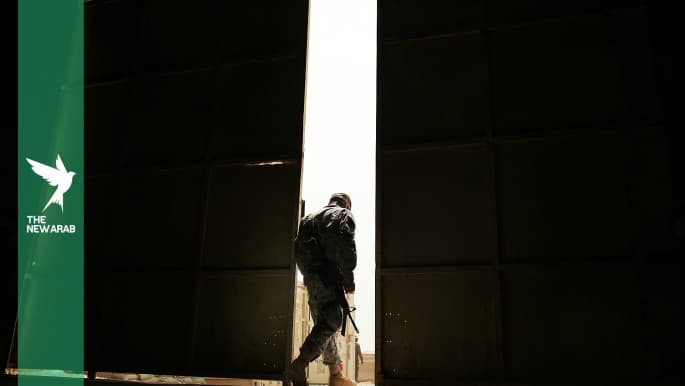
What would ground troops in Iran mean for the US?
The first two weeks of the joint US-Israel war on Iran has been one fought primarily from the air, something that has not directly affected the lives of most Americans, but that could change if a ground invasion were to be launched. Boots on the ground would bring home the war in a way that Americans haven't experienced since the 2003 invasion of Iraq. US casualties quickly led to a drop in support of the war, which, like the Vietnam War, became synonymous with US military overreach and misadventure. "With boots on the ground, it would be over for the Trump administration," David Frank, a professor of rhetoric and political communication at the University of Oregon, told The New Arab. He was referring to the November 2026 midterm election, in which Democrats are expected to win back the House and possibly the Senate, which would essentially make Donald Trump a lame duck president with congressional checks on his power. "The Vietnam War ended when people saw body bags coming home," he said. Around two weeks into the war, at least 11 US military members have died and 140 have been wounded. A recent New York Times poll found that 41 percent of Americans support the conflict, making it the most unpopular foreign war in modern US history. Far more Americans oppose a ground invasion of Iran - around 74 percent, according to a Quinnipiac University poll in early March. A ground invasion might sound premature at this point, however, there have been indications this could be a real possibility. A classified hearing on Tuesday left several Senate Democrats unhappy with what they saw as a lack of transparency or a coherent plan for the war in Iran, which they worry could mean ground troops being deployed. "We seem to be on a path toward deploying American troops on the ground in Iran to accomplish any of the potential objectives here," Richard Blumenthal of Connecticut, told reporters after the meeting. Ohannes Geukjian, associate professor of political studies and conflict resolution at the American University of Beirut, told TNA that for now he doesn't expect US ground forces in Iran, although there is a possibility of limited special operations, depending on the situation with the Kurds. "Currently, sending ground troops is unlikely. It may become likely if the Kurdish and other minorities mobilise,” a possibility that has been suggested by the US administration. In addition to the question of ground troops, some have raised concerns over the possibility of a military draft, a policy that ended with the Vietnam War due to public pressure. Earlier this week, White House press secretary Karoline Leavitt refused to rule out a military draft or a ground invasion in Iran, leading to widespread criticism from both parties. Longtime Trump supporter-turned-opponent Marjorie Taylor Greene has been warning that the Republicans could lose the midterms over the war in Iran, particularly if it escalates to a ground invasion or a draft. "It would be a disaster if we continue to not learn from history," said Frank. "There’s no plan for the day after."
What would ground troops in Iran mean for the US?
The first two weeks of the joint US-Israel war on Iran has been one fought primarily from the air, something that has not directly affected the lives of most Americans, but that could change if a ground invasion were to be launched. Boots on the ground would bring home the war in a way that Americans haven't experienced since the 2003 invasion of Iraq. US casualties quickly led to a drop in support of the war, which, like the Vietnam War, became synonymous with US military overreach and misadventure. "With boots on the ground, it would be over for the Trump administration," David Frank, a professor of rhetoric and political communication at the University of Oregon, told The New Arab. He was referring to the November 2026 midterm election, in which Democrats are expected to win back the House and possibly the Senate, which would essentially make Donald Trump a lame duck president with congressional checks on his power. "The Vietnam War ended when people saw body bags coming home," he said. Around two weeks into the war, at least 11 US military members have died and 140 have been wounded. A recent New York Times poll found that 41 percent of Americans support the conflict, making it the most unpopular foreign war in modern US history. Far more Americans oppose a ground invasion of Iran - around 74 percent, according to a Quinnipiac University poll in early March. A ground invasion might sound premature at this point, however, there have been indications this could be a real possibility. A classified hearing on Tuesday left several Senate Democrats unhappy with what they saw as a lack of transparency or a coherent plan for the war in Iran, which they worry could mean ground troops being deployed. "We seem to be on a path toward deploying American troops on the ground in Iran to accomplish any of the potential objectives here," Richard Blumenthal of Connecticut, told reporters after the meeting. Ohannes Geukjian, associate professor of political studies and conflict resolution at the American University of Beirut, told TNA that for now he doesn't expect US ground forces in Iran, although there is a possibility of limited special operations, depending on the situation with the Kurds. "Currently, sending ground troops is unlikely. It may become likely if the Kurdish and other minorities mobilise,” a possibility that has been suggested by the US administration. In addition to the question of ground troops, some have raised concerns over the possibility of a military draft, a policy that ended with the Vietnam War due to public pressure. Earlier this week, White House press secretary Karoline Leavitt refused to rule out a military draft or a ground invasion in Iran, leading to widespread criticism from both parties. Longtime Trump supporter-turned-opponent Marjorie Taylor Greene has been warning that the Republicans could lose the midterms over the war in Iran, particularly if it escalates to a ground invasion or a draft. "It would be a disaster if we continue to not learn from history," said Frank. "There’s no plan for the day after."
What would ground troops in Iran mean for the US?
The first two weeks of the joint US-Israel war on Iran has been one fought primarily from the air, something that has not directly affected the lives of most Americans, but that could change if a ground invasion were to be launched. Boots on the ground would bring home the war in a way that Americans haven't experienced since the 2003 invasion of Iraq. US casualties quickly led to a drop in support of the war, which, like the Vietnam War, became synonymous with US military overreach and misadventure. "With boots on the ground, it would be over for the Trump administration," David Frank, a professor of rhetoric and political communication at the University of Oregon, told The New Arab. He was referring to the November 2026 midterm election, in which Democrats are expected to win back the House and possibly the Senate, which would essentially make Donald Trump a lame duck president with congressional checks on his power. "The Vietnam War ended when people saw body bags coming home," he said. Around two weeks into the war, at least 11 US military members have died and 140 have been wounded. A recent New York Times poll found that 41 percent of Americans support the conflict, making it the most unpopular foreign war in modern US history. Far more Americans oppose a ground invasion of Iran - around 74 percent, according to a Quinnipiac University poll in early March. A ground invasion might sound premature at this point, however, there have been indications this could be a real possibility. A classified hearing on Tuesday left several Senate Democrats unhappy with what they saw as a lack of transparency or a coherent plan for the war in Iran, which they worry could mean ground troops being deployed. "We seem to be on a path toward deploying American troops on the ground in Iran to accomplish any of the potential objectives here," Richard Blumenthal of Connecticut, told reporters after the meeting. Ohannes Geukjian, associate professor of political studies and conflict resolution at the American University of Beirut, told TNA that for now he doesn't expect US ground forces in Iran, although there is a possibility of limited special operations, depending on the situation with the Kurds. "Currently, sending ground troops is unlikely. It may become likely if the Kurdish and other minorities mobilise,” a possibility that has been suggested by the US administration. In addition to the question of ground troops, some have raised concerns over the possibility of a military draft, a policy that ended with the Vietnam War due to public pressure. Earlier this week, White House press secretary Karoline Leavitt refused to rule out a military draft or a ground invasion in Iran, leading to widespread criticism from both parties. Longtime Trump supporter-turned-opponent Marjorie Taylor Greene has been warning that the Republicans could lose the midterms over the war in Iran, particularly if it escalates to a ground invasion or a draft. "It would be a disaster if we continue to not learn from history," said Frank. "There’s no plan for the day after."