41 stories credited to MS NOW
1 story on ms.now credited to other publishers
Latest story Sep 24, 2026 · on ChamberLight since Apr 2026
A story can appear as several articles (copies of the same piece), so counts of stories and of articles differ.
Scores for MS NOW
Political lean
38 stories · 95% range 28–35 · updated Sep 25, 2026
Originality
41 stories · updated Sep 24, 2026
Writing quality 78 of 100: the average rating of 39 stories, each rated on its own (separate from credibility). How it is measured
Scores last checked Sep 25, 2026.
Stories ChamberLight collected, by month
Stories credited to MS NOW, by publication date. ChamberLight collects articles that mention the officials it tracks, so this shows its own coverage of this source, not how much the source publishes.
- Stories from MS NOW
- Shaded: ChamberLight collected no stories, or almost none, from any outlet (a gap in its collection, not in the outlet’s publishing)
Show as a table
| Month | Stories | All outlets |
|---|---|---|
| March 2026 | 2 | 425 |
| April 2026 | 35 | 4,537 |
| May 2026 | 0 | none collected |
| June 2026 | 0 | none collected |
| July 2026 | 0 | none collected |
| August 2026 | 0 | 1 (collection gap) |
| September 2026 | 0 | 598 |
Top topics
Share of this source’s stories tagged with each topic. A story can carry several topics, so the shares do not add up to 100%.
- Ethics/Corruption28
68% of 41 stories · 57% across all outlets
- Budget/Spending18
44% of 41 stories · 31% across all outlets
- Foreign Policy15
37% of 41 stories · 28% across all outlets
- Criminal Justice12
29% of 41 stories · 19% across all outlets
- Defense/Military12
29% of 41 stories · 24% across all outlets
- Voting Rights9
22% of 41 stories · 18% across all outlets
- Immigration4
10% of 41 stories · 12% across all outlets
- Economy3
7% of 41 stories · 24% across all outlets
The thin mark on each bar is the topic’s share across all outlets.
Who they cover
Party of the officials these stories are mainly about, across all 62 officials named. A story counts once for each official it is mainly about, so the split is over 89 story–official pairs, from 41 stories.
- Republican56% · 50 pairs
- Democrat37% · 33 pairs
- Party not recorded7% · 6 pairs
Most covered
Stories mainly about each official, and their share of the source’s 41 stories.
- 1Donald TrumpR15 stories · 37%
- 2Eric SwalwellD3 stories · 7%
- 3Gregory MeeksD3 stories · 7%
- 4Tony GonzalesR3 stories · 7%
- 5J. VanceR2 stories · 5%
- 6John FettermanD2 stories · 5%
- 7Markwayne MullinR2 stories · 5%
- 8Mike JohnsonR2 stories · 5%
- 9Richard BlumenthalD2 stories · 5%
- 10Robert F. Kennedy Jr.R2 stories · 5%
+ 52 other officials (53 story–official pairs)
Article tone
ChamberLight’s article analysis assigns each story a tone toward the official it covers. It describes the coverage of that official, not MS NOW’s stance, and reader votes do not change it. 41 stories.
- Good Look
- 7 (17%)
- Mixed
- 19 (46%)
- Informational
- 0 (0%)
- Bad Look
- 15 (37%)
Related sources
Lean 95% range 26–34 · updated Sep 24, 2026
Similar lean · 3 shared topics
Lean 95% range 30–40 · updated Sep 25, 2026
Similar lean · 3 shared topics
Lean 95% range 25–29 · updated Sep 25, 2026
Similar lean · 3 shared topics
Lean 95% range 29–44 · updated Sep 25, 2026
Similar lean · 3 shared topics
Lean 95% range 17–35 · updated Sep 25, 2026
Similar lean · 3 shared topics
Lean 95% range 19–32 · updated Sep 25, 2026
Similar lean · 3 shared topics
Challenges to these scores
No one has challenged a score on this page yet. Anyone can; editors publish every outcome here.
Articles served from ms.now
96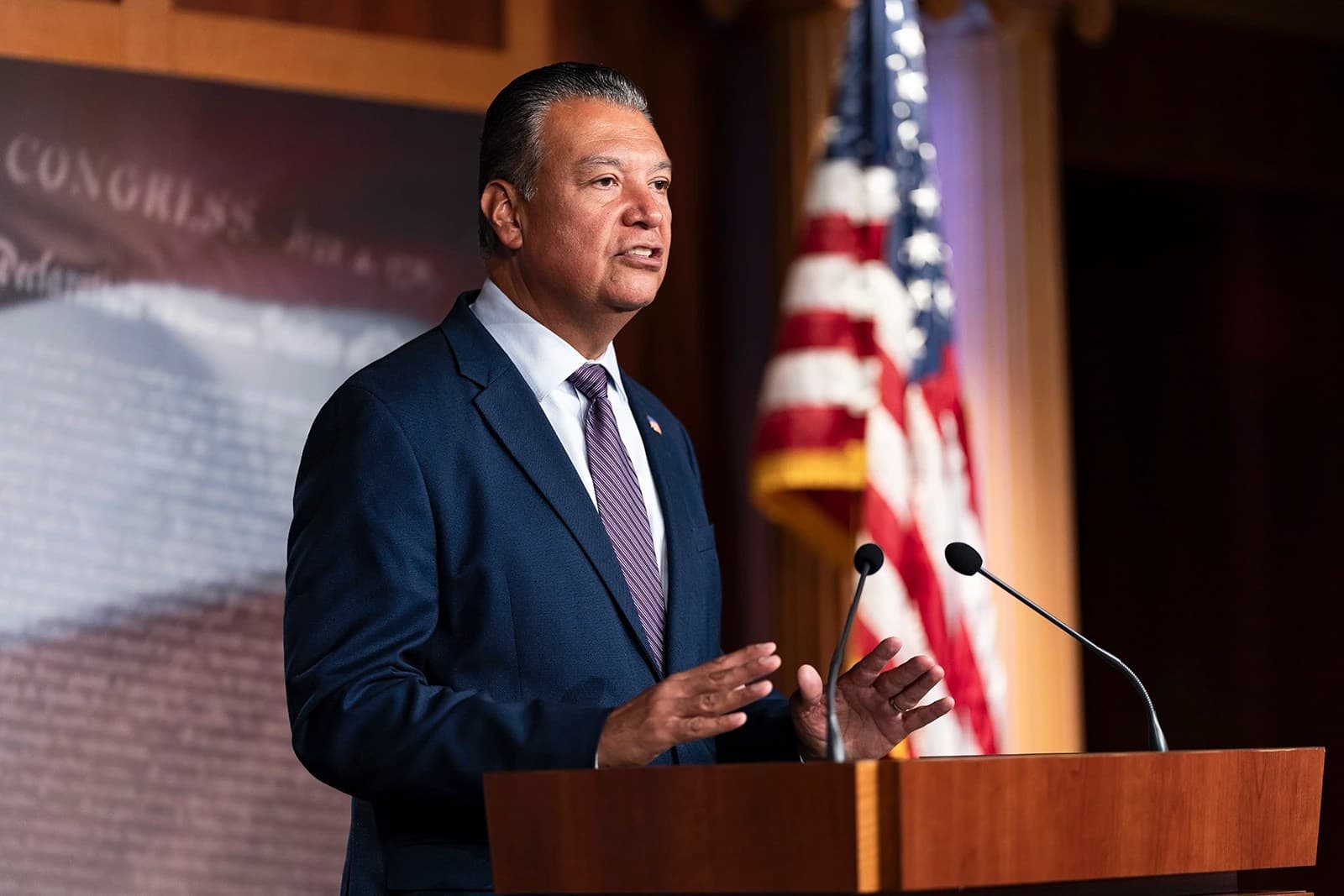
Democrat challenges GOP colleagues on ICE: ‘Join our legislation’
Sen. Alex Padilla called on Republicans to stop paying lip service to voters’ concerns about immigration enforcement and to join Democrats in reining in Trump. The post Democrat challenges GOP colleagues on ICE: ‘Join our legislation’ appeared first on MS NOW.
GOP senators say they want to end the Iran war. They keep refusing to rein in Trump.
As the midterms approach, a number of Republicans have said they want to end the war in Iran. More than 200 days after the war started, they refuse to make Trump come to Congress for an authorization. The post GOP senators say they want to end the Iran war. They keep refusing to rein in Trump. appeared first on MS NOW.
GOP senators say they want to end the Iran war. They keep refusing to rein in Trump.
As the midterms approach, a number of Republicans have said they want to end the war in Iran. More than 200 days after the war started, they refuse to make Trump come to Congress for an authorization. The post GOP senators say they want to end the Iran war. They keep refusing to rein in Trump. appeared first on MS NOW.

Iraq War veteran Rep. Pat Ryan accuses Hegseth of a ‘blatant, unprecedented cover-up’
Ryan told MS NOW the reported omissions of service members’ deaths from the Pentagon’s public database evoke “the worst days of the Vietnam era.” The post Iraq War veteran Rep. Pat Ryan accuses Hegseth of a ‘blatant, unprecedented cover-up’ appeared first on MS NOW.

Some GOP senators balk at Russian oligarch paying for Trump Jr.’s wedding party
“A Russian oligarch paid for a lavish wedding after-party for Donald Trump Jr., which to me just stinks,” Utah’s John Curtis said. “It’s corruption.” The post Some GOP senators balk at Russian oligarch paying for Trump Jr.’s wedding party appeared first on MS NOW.

Republicans are suddenly having some regrets over the redistricting war
Ten months after President Donald Trump pressed Texas Republicans to redraw their congressional map to help secure more GOP seats in the midterms, the nationwide redistricting war could end up yielding either a small GOP advantage or, as it stands now, a small Democratic gain. With Virginia voters opting to redraw their maps Tuesday, Democrats are on course to pick up four seats in the commonwealth, as long as the maps survive legal challenges. A circuit judge on Wednesday blocked the state from certifying the congressional map, ruling that the voter referendum was unconstitutional. Virginia’s Democratic Attorney General, Jay Jones, has already vowed to file an appeal. Play With no evidence, Trump claims Virginia redistricting vote was rigged April 22, 2026 / 09:42 While the new map will have to survive legal challenges, Democrats may have mitigated the impact of GOP gains in other states that redrew their maps — like Texas, North Carolina and Ohio — when you add in Democratic pickups in California from that state’s new map. The whole exercise raises an important question: Was this push to redraw maps in the middle of the decennial process really worth it? When MS NOW asked Rep. Richard Hudson, R-N.C. — the chairman of the House GOP’s campaign arm — that question, he didn’t exactly offer a ringing endorsement of the redistricting war. “Not for me to decide that,” Hudson said. “Wasn’t my decision.” Other Republicans were decidedly more blunt, with some suggesting they wished Republicans hadn’t started this fight. Rep. Pete Sessions, R-Texas — a former head of the National Republican Congressional Committee himself — made it clear he wasn’t thrilled to see his state shake up its map, telling MS NOW, “No one cared to listen to the delegation.” Asked if he wished the president hadn’t requested that Texas redraw its maps given what followed, Sessions left it at, “The president will live with the results.” And Rep. Jay Obernolte, R-Calif., told Politico on Wednesday that “it was a mistake to go down this road.” “The problem is, at the end of the day, whatever party wins, we all have to govern,” he said. “It’s harder to do when we’ve eroded our constituents’ trust in our democracy and the fairness of our elections — which is what mid-cycle redistricting does.” The national redistricting fight kicked off last summer, when Trump demanded that Republicans in the Texas statehouse redraw their congressional lines to help pick up an additional five seats in the U.S. House of Representatives — in a pinkish state where the map was already gerrymandered in the GOP’s favor, 25-13. Republicans in Texas eventually complied with the president’s demands, drawing a map where the intended breakdown is 30-8, in a state where Kamala Harris won 42% of the vote in 2024. Play Democrats gain edge over Trump’s national redistricting push in Virginia April 22, 2026 / 11:59 California — where the map was already gerrymandered in Democrats’ favor, 43-9 — decided to retaliate. After putting the question to voters, the state voted to redraw the maps further in the Democrats’ favor, with the intention of picking up another five seats. Soon after, other states got into the game, looking to undo the effect of California’s redistricting effort. But on Tuesday, Virginia Democrats succeeded in passing a voter referendum to redraw its lines, with the intended breakdown being 10 Democratic House seats and one Republican. While Florida may still get in on the battle and functionally give Republicans a slight advantage on the mid-decade redistricting battle, Democrats appear to be winning the gerrymandering game — at least for the moment. And that fact has vulnerable Republicans wondering whether either party should have gone down this road. Rep. Mike Lawler, R-N.Y., told MS NOW that he doesn’t believe “this tit-for-tat is especially beneficial to anybody in the end.” “When everything is said and done, it’ll probably be a net wash,” he said. Rep. Brian Fitzpatrick, R-Pa., argued the math of which party comes out ahead is “irrelevant,” because mid-decade redistricting like this is “terrible policy.” “We should be un-gerrymandering every district, not gerrymandering every district in America,” he said. “It’s crazy.” And Senate Minority Leader John Thune, R-S.D., said these are the “kinds of outcomes you’re going to run into” when “you go down the path of starting to do these things mid-decade.” “States are, depending on who’s in power, going to try and work the maps to their advantage,” he said. Some Republicans shied away from casting any blame on the president for setting this gerrymandering battle in motion. Instead, many accused Democrats of starting this fight — specifically pointing to a previous redistricting feud in New York during the 2022 and 2024 elections cycles. Rep. John McGuire of Virginia — who called the results of Tuesday’s election in Virginia “illegal and unconstitutional” — told MS NOW, “It did not start in Texas. It started in New York, by Democrats.” Lawler echoed that sentiment, arguing that because the 2022 congressional map in New York “wasn’t good enough” for Democratic leaders, “they filed a lawsuit, came back, and won four seats as a result” in 2024. Play Jeffries on GOP gerrymandering: ‘We’re going to continue to fight back’ April 13, 2026 / 04:20 Many of the lessons either party will learn from this exercise will depend on Florida, where state lawmakers are set to meet next week to consider their potential new map. But illustrating the unease among Republicans about redistricting, not all GOP lawmakers in the Florida delegation are cheering on an effort to squeeze out more Republican seats, which could weaken a number of their districts and leave many susceptible to a Democratic challenger — particularly in a wave election. Rep. Maria Salazar, R-Fla., who represents parts of Miami, said she likes her current district as it is. “I think I’m doing well,” she said. “I’m representing them well, I think.” But she remained deferential to Florida Gov. Ron DeSantis. “If the governor of the state of Florida and the legislature believes differently, who am I to say?” Still, in an interview with Politico last month, Rep. Greg Steube, R-Fla., urged caution. “I think the legislature needs to be very cognizant of the fact that if they get too aggressive,” he said, “you could put incumbent members at risk.” Earlier this week, Rep. Darrell Issa, R-Calif., was asked by NOTUS what he thought of the redistricting war. Issa, a longtime Republican who decided not to run in 2018 as a blue wave gathered over the midterms during Trump’s first term, came back to Congress in 2021. With his purple-ish district turned blue during this latest redistricting, Issa is one of the GOP casualties of the gerrymandering war. He looked at running in Texas, in one of the new districts Republicans had drawn, but ultimately decided he wouldn’t seek another term in Congress. “There’s the obvious question of, is it ever a mistake to start a war?” Issa said Tuesday, before the Virginia vote. “I don’t know.” Congressional Democrats, for their part, are dismissing Republican complaints that the 10 to 1 map in Virginia is unfair — even as some grapple with their own disdain for gerrymandering. Rep. James Walkinshaw, D-Va., who backed the creation of a bipartisan redistricting commission in Virginia in 2020, told MS NOW that he’s reached the conclusion that the GOP is “only going to join us in supporting non-partisan redistricting when they learn that — best case — they’re going to fight to a draw.” So far, Walkinshaw said, Republicans have concluded that “gerrymandering is in their interest politically, that’s why they oppose our national ban on partisan gerrymandering. We’ve got to show them that it’s no longer in their interest.” And Rep. Alexandria Ocasio-Cortez’s reaction to the GOP complaints was to mimic a baby. “Wah wah wah,” the New York Democrat said. “Democrats have attempted and asked Republicans for 10 years to ban partisan gerrymandering, and for 10 years, Republicans have said no,” Ocasio-Cortez said. “Republicans have fought for partisan gerrymanders across the United States of America, and these are the rules that they have set.” Jack Fitzpatrick and Nora McKee contributed to this report. The post Republicans are suddenly having some regrets over the redistricting war appeared first on MS NOW.
Republicans are suddenly having some regrets over the redistricting war
Ten months after President Donald Trump pressed Texas Republicans to redraw their congressional map to help secure more GOP seats in the midterms, the nationwide redistricting war could end up yielding either a small GOP advantage or, as it stands now, a small Democratic gain. With Virginia voters opting to redraw their maps Tuesday, Democrats are on course to pick up four seats in the commonwealth, as long as the maps survive legal challenges. A circuit judge on Wednesday blocked the state from certifying the congressional map, ruling that the voter referendum was unconstitutional. Virginia’s Democratic Attorney General, Jay Jones, has already vowed to file an appeal. Play With no evidence, Trump claims Virginia redistricting vote was rigged April 22, 2026 / 09:42 While the new map will have to survive legal challenges, Democrats may have mitigated the impact of GOP gains in other states that redrew their maps — like Texas, North Carolina and Ohio — when you add in Democratic pickups in California from that state’s new map. The whole exercise raises an important question: Was this push to redraw maps in the middle of the decennial process really worth it? When MS NOW asked Rep. Richard Hudson, R-N.C. — the chairman of the House GOP’s campaign arm — that question, he didn’t exactly offer a ringing endorsement of the redistricting war. “Not for me to decide that,” Hudson said. “Wasn’t my decision.” Other Republicans were decidedly more blunt, with some suggesting they wished Republicans hadn’t started this fight. Rep. Pete Sessions, R-Texas — a former head of the National Republican Congressional Committee himself — made it clear he wasn’t thrilled to see his state shake up its map, telling MS NOW, “No one cared to listen to the delegation.” Asked if he wished the president hadn’t requested that Texas redraw its maps given what followed, Sessions left it at, “The president will live with the results.” And Rep. Jay Obernolte, R-Calif., told Politico on Wednesday that “it was a mistake to go down this road.” “The problem is, at the end of the day, whatever party wins, we all have to govern,” he said. “It’s harder to do when we’ve eroded our constituents’ trust in our democracy and the fairness of our elections — which is what mid-cycle redistricting does.” The national redistricting fight kicked off last summer, when Trump demanded that Republicans in the Texas statehouse redraw their congressional lines to help pick up an additional five seats in the U.S. House of Representatives — in a pinkish state where the map was already gerrymandered in the GOP’s favor, 25-13. Republicans in Texas eventually complied with the president’s demands, drawing a map where the intended breakdown is 30-8, in a state where Kamala Harris won 42% of the vote in 2024. Play Democrats gain edge over Trump’s national redistricting push in Virginia April 22, 2026 / 11:59 California — where the map was already gerrymandered in Democrats’ favor, 43-9 — decided to retaliate. After putting the question to voters, the state voted to redraw the maps further in the Democrats’ favor, with the intention of picking up another five seats. Soon after, other states got into the game, looking to undo the effect of California’s redistricting effort. But on Tuesday, Virginia Democrats succeeded in passing a voter referendum to redraw its lines, with the intended breakdown being 10 Democratic House seats and one Republican. While Florida may still get in on the battle and functionally give Republicans a slight advantage on the mid-decade redistricting battle, Democrats appear to be winning the gerrymandering game — at least for the moment. And that fact has vulnerable Republicans wondering whether either party should have gone down this road. Rep. Mike Lawler, R-N.Y., told MS NOW that he doesn’t believe “this tit-for-tat is especially beneficial to anybody in the end.” “When everything is said and done, it’ll probably be a net wash,” he said. Rep. Brian Fitzpatrick, R-Pa., argued the math of which party comes out ahead is “irrelevant,” because mid-decade redistricting like this is “terrible policy.” “We should be un-gerrymandering every district, not gerrymandering every district in America,” he said. “It’s crazy.” And Senate Minority Leader John Thune, R-S.D., said these are the “kinds of outcomes you’re going to run into” when “you go down the path of starting to do these things mid-decade.” “States are, depending on who’s in power, going to try and work the maps to their advantage,” he said. Some Republicans shied away from casting any blame on the president for setting this gerrymandering battle in motion. Instead, many accused Democrats of starting this fight — specifically pointing to a previous redistricting feud in New York during the 2022 and 2024 elections cycles. Rep. John McGuire of Virginia — who called the results of Tuesday’s election in Virginia “illegal and unconstitutional” — told MS NOW, “It did not start in Texas. It started in New York, by Democrats.” Lawler echoed that sentiment, arguing that because the 2022 congressional map in New York “wasn’t good enough” for Democratic leaders, “they filed a lawsuit, came back, and won four seats as a result” in 2024. Play Jeffries on GOP gerrymandering: ‘We’re going to continue to fight back’ April 13, 2026 / 04:20 Many of the lessons either party will learn from this exercise will depend on Florida, where state lawmakers are set to meet next week to consider their potential new map. But illustrating the unease among Republicans about redistricting, not all GOP lawmakers in the Florida delegation are cheering on an effort to squeeze out more Republican seats, which could weaken a number of their districts and leave many susceptible to a Democratic challenger — particularly in a wave election. Rep. Maria Salazar, R-Fla., who represents parts of Miami, said she likes her current district as it is. “I think I’m doing well,” she said. “I’m representing them well, I think.” But she remained deferential to Florida Gov. Ron DeSantis. “If the governor of the state of Florida and the legislature believes differently, who am I to say?” Still, in an interview with Politico last month, Rep. Greg Steube, R-Fla., urged caution. “I think the legislature needs to be very cognizant of the fact that if they get too aggressive,” he said, “you could put incumbent members at risk.” Earlier this week, Rep. Darrell Issa, R-Calif., was asked by NOTUS what he thought of the redistricting war. Issa, a longtime Republican who decided not to run in 2018 as a blue wave gathered over the midterms during Trump’s first term, came back to Congress in 2021. With his purple-ish district turned blue during this latest redistricting, Issa is one of the GOP casualties of the gerrymandering war. He looked at running in Texas, in one of the new districts Republicans had drawn, but ultimately decided he wouldn’t seek another term in Congress. “There’s the obvious question of, is it ever a mistake to start a war?” Issa said Tuesday, before the Virginia vote. “I don’t know.” Congressional Democrats, for their part, are dismissing Republican complaints that the 10 to 1 map in Virginia is unfair — even as some grapple with their own disdain for gerrymandering. Rep. James Walkinshaw, D-Va., who backed the creation of a bipartisan redistricting commission in Virginia in 2020, told MS NOW that he’s reached the conclusion that the GOP is “only going to join us in supporting non-partisan redistricting when they learn that — best case — they’re going to fight to a draw.” So far, Walkinshaw said, Republicans have concluded that “gerrymandering is in their interest politically, that’s why they oppose our national ban on partisan gerrymandering. We’ve got to show them that it’s no longer in their interest.” And Rep. Alexandria Ocasio-Cortez’s reaction to the GOP complaints was to mimic a baby. “Wah wah wah,” the New York Democrat said. “Democrats have attempted and asked Republicans for 10 years to ban partisan gerrymandering, and for 10 years, Republicans have said no,” Ocasio-Cortez said. “Republicans have fought for partisan gerrymanders across the United States of America, and these are the rules that they have set.” Jack Fitzpatrick and Nora McKee contributed to this report. The post Republicans are suddenly having some regrets over the redistricting war appeared first on MS NOW.
Republicans are suddenly having some regrets over the redistricting war
Ten months after President Donald Trump pressed Texas Republicans to redraw their congressional map to help secure more GOP seats in the midterms, the nationwide redistricting war could end up yielding either a small GOP advantage or, as it stands now, a small Democratic gain. With Virginia voters opting to redraw their maps Tuesday, Democrats are on course to pick up four seats in the commonwealth, as long as the maps survive legal challenges. A circuit judge on Wednesday blocked the state from certifying the congressional map, ruling that the voter referendum was unconstitutional. Virginia’s Democratic Attorney General, Jay Jones, has already vowed to file an appeal. Play With no evidence, Trump claims Virginia redistricting vote was rigged April 22, 2026 / 09:42 While the new map will have to survive legal challenges, Democrats may have mitigated the impact of GOP gains in other states that redrew their maps — like Texas, North Carolina and Ohio — when you add in Democratic pickups in California from that state’s new map. The whole exercise raises an important question: Was this push to redraw maps in the middle of the decennial process really worth it? When MS NOW asked Rep. Richard Hudson, R-N.C. — the chairman of the House GOP’s campaign arm — that question, he didn’t exactly offer a ringing endorsement of the redistricting war. “Not for me to decide that,” Hudson said. “Wasn’t my decision.” Other Republicans were decidedly more blunt, with some suggesting they wished Republicans hadn’t started this fight. Rep. Pete Sessions, R-Texas — a former head of the National Republican Congressional Committee himself — made it clear he wasn’t thrilled to see his state shake up its map, telling MS NOW, “No one cared to listen to the delegation.” Asked if he wished the president hadn’t requested that Texas redraw its maps given what followed, Sessions left it at, “The president will live with the results.” And Rep. Jay Obernolte, R-Calif., told Politico on Wednesday that “it was a mistake to go down this road.” “The problem is, at the end of the day, whatever party wins, we all have to govern,” he said. “It’s harder to do when we’ve eroded our constituents’ trust in our democracy and the fairness of our elections — which is what mid-cycle redistricting does.” The national redistricting fight kicked off last summer, when Trump demanded that Republicans in the Texas statehouse redraw their congressional lines to help pick up an additional five seats in the U.S. House of Representatives — in a pinkish state where the map was already gerrymandered in the GOP’s favor, 25-13. Republicans in Texas eventually complied with the president’s demands, drawing a map where the intended breakdown is 30-8, in a state where Kamala Harris won 42% of the vote in 2024. Play Democrats gain edge over Trump’s national redistricting push in Virginia April 22, 2026 / 11:59 California — where the map was already gerrymandered in Democrats’ favor, 43-9 — decided to retaliate. After putting the question to voters, the state voted to redraw the maps further in the Democrats’ favor, with the intention of picking up another five seats. Soon after, other states got into the game, looking to undo the effect of California’s redistricting effort. But on Tuesday, Virginia Democrats succeeded in passing a voter referendum to redraw its lines, with the intended breakdown being 10 Democratic House seats and one Republican. While Florida may still get in on the battle and functionally give Republicans a slight advantage on the mid-decade redistricting battle, Democrats appear to be winning the gerrymandering game — at least for the moment. And that fact has vulnerable Republicans wondering whether either party should have gone down this road. Rep. Mike Lawler, R-N.Y., told MS NOW that he doesn’t believe “this tit-for-tat is especially beneficial to anybody in the end.” “When everything is said and done, it’ll probably be a net wash,” he said. Rep. Brian Fitzpatrick, R-Pa., argued the math of which party comes out ahead is “irrelevant,” because mid-decade redistricting like this is “terrible policy.” “We should be un-gerrymandering every district, not gerrymandering every district in America,” he said. “It’s crazy.” And Senate Minority Leader John Thune, R-S.D., said these are the “kinds of outcomes you’re going to run into” when “you go down the path of starting to do these things mid-decade.” “States are, depending on who’s in power, going to try and work the maps to their advantage,” he said. Some Republicans shied away from casting any blame on the president for setting this gerrymandering battle in motion. Instead, many accused Democrats of starting this fight — specifically pointing to a previous redistricting feud in New York during the 2022 and 2024 elections cycles. Rep. John McGuire of Virginia — who called the results of Tuesday’s election in Virginia “illegal and unconstitutional” — told MS NOW, “It did not start in Texas. It started in New York, by Democrats.” Lawler echoed that sentiment, arguing that because the 2022 congressional map in New York “wasn’t good enough” for Democratic leaders, “they filed a lawsuit, came back, and won four seats as a result” in 2024. Play Jeffries on GOP gerrymandering: ‘We’re going to continue to fight back’ April 13, 2026 / 04:20 Many of the lessons either party will learn from this exercise will depend on Florida, where state lawmakers are set to meet next week to consider their potential new map. But illustrating the unease among Republicans about redistricting, not all GOP lawmakers in the Florida delegation are cheering on an effort to squeeze out more Republican seats, which could weaken a number of their districts and leave many susceptible to a Democratic challenger — particularly in a wave election. Rep. Maria Salazar, R-Fla., who represents parts of Miami, said she likes her current district as it is. “I think I’m doing well,” she said. “I’m representing them well, I think.” But she remained deferential to Florida Gov. Ron DeSantis. “If the governor of the state of Florida and the legislature believes differently, who am I to say?” Still, in an interview with Politico last month, Rep. Greg Steube, R-Fla., urged caution. “I think the legislature needs to be very cognizant of the fact that if they get too aggressive,” he said, “you could put incumbent members at risk.” Earlier this week, Rep. Darrell Issa, R-Calif., was asked by NOTUS what he thought of the redistricting war. Issa, a longtime Republican who decided not to run in 2018 as a blue wave gathered over the midterms during Trump’s first term, came back to Congress in 2021. With his purple-ish district turned blue during this latest redistricting, Issa is one of the GOP casualties of the gerrymandering war. He looked at running in Texas, in one of the new districts Republicans had drawn, but ultimately decided he wouldn’t seek another term in Congress. “There’s the obvious question of, is it ever a mistake to start a war?” Issa said Tuesday, before the Virginia vote. “I don’t know.” Congressional Democrats, for their part, are dismissing Republican complaints that the 10 to 1 map in Virginia is unfair — even as some grapple with their own disdain for gerrymandering. Rep. James Walkinshaw, D-Va., who backed the creation of a bipartisan redistricting commission in Virginia in 2020, told MS NOW that he’s reached the conclusion that the GOP is “only going to join us in supporting non-partisan redistricting when they learn that — best case — they’re going to fight to a draw.” So far, Walkinshaw said, Republicans have concluded that “gerrymandering is in their interest politically, that’s why they oppose our national ban on partisan gerrymandering. We’ve got to show them that it’s no longer in their interest.” And Rep. Alexandria Ocasio-Cortez’s reaction to the GOP complaints was to mimic a baby. “Wah wah wah,” the New York Democrat said. “Democrats have attempted and asked Republicans for 10 years to ban partisan gerrymandering, and for 10 years, Republicans have said no,” Ocasio-Cortez said. “Republicans have fought for partisan gerrymanders across the United States of America, and these are the rules that they have set.” Jack Fitzpatrick and Nora McKee contributed to this report. The post Republicans are suddenly having some regrets over the redistricting war appeared first on MS NOW.
Senate Democrats push back against DOJ resistance in Tom Homan probe
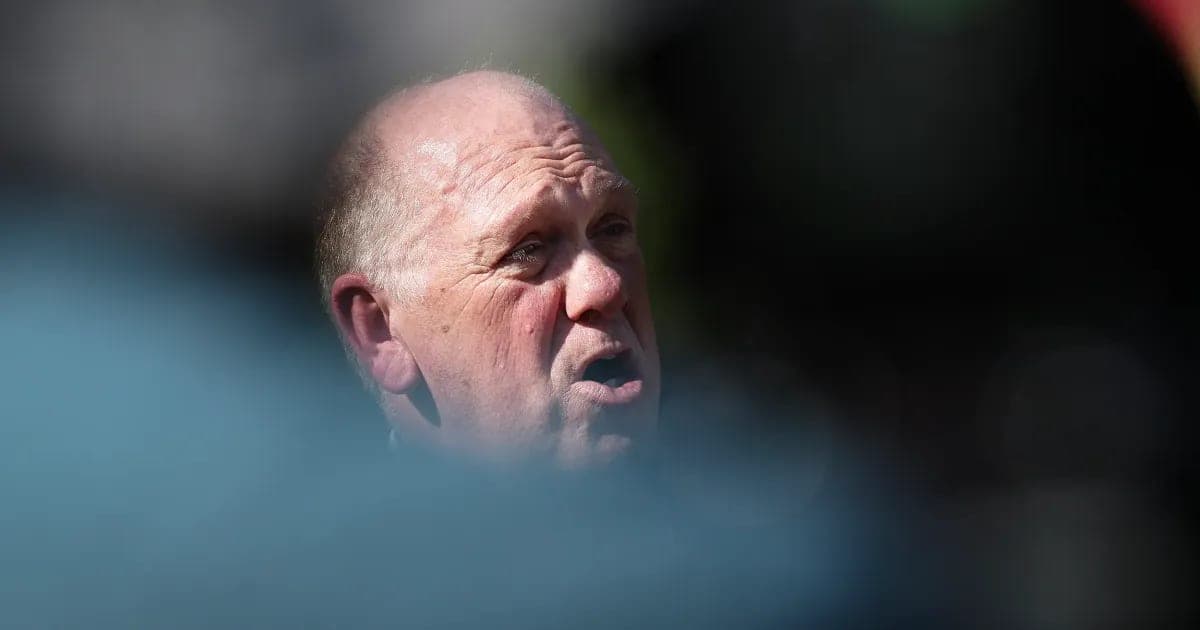
MS NOW was first to report in September on an undercover FBI operation in which Tom Homan was recorded accepting $50,000 in cash in 2024 after indicating he could help the agents, who were posing as business executives, win government contracts in a second Trump administration. FBI and Justice Department officials planned to wait to see whether Homan would deliver on his alleged promise, but the case ultimately stalled after Donald Trump began his second presidential term and made Homan the White House border czar. Trump appointees officially closed the investigation seven months ago. The search for answers on Capitol Hill, however, is ongoing. Democratic Sen. Jacky Rosen of Nevada, for example, has pushed the DOJ’s inspector general to conduct a “robust investigation” into the bribery probe and the department’s handling of the case to “ensure Mr. Homan’s fitness for the job.” Three Democratic senators — Sheldon Whitehouse of Rhode Island, Richard Blumenthal of Connecticut and Adam Schiff of California, each of whom serves on the Senate Judiciary Committee — have pursued a different course. As MaddowBlog was first to report in November, the senators filed a Freedom of Information Act request with the DOJ’s Criminal Division, demanding a variety of details related to the case. The trouble with FOIA requests, however, is they tend to take a very long time to generate meaningful responses. And so, Whitehouse, Blumenthal and Schiff, taking advantage of the procedural rules, asked for expedited processing of their request, pointing to a specific provision of the law: FOIA requests for records are handled quickly if they deal with “a matter of widespread and exceptional media interest in which there exists possible questions about the government’s integrity which affect public confidence.” Not surprisingly, the senators made the case that this applies to the Homan controversy. The DOJ’s Office of Information Policy, which handles FOIA requests, nevertheless rejected the senators’ request, telling them it “determined that your request for expedited processing should be denied” — effectively concluding that an expedited review was unwarranted because the Homan controversy isn’t “a matter of widespread and exceptional media interest.” Whitehouse, Blumenthal and Schiff are now pushing back, telling the DOJ office in a letter sent late last week: Here, the government’s decision to close a corruption investigation into a high-ranking White House official who was caught taking bribe money from undercover officers spawned a deluge of media coverage, reflecting widespread and exceptional media interest. And Homan’s reported acceptance of the $50,000 bribe from undercover agents, the inability of Homan or any other government official to account for that money, the lack of clarity on whether Homan paid taxes on it or declared it on his required financial disclosures, and the abrupt closure of the investigation once Homan became a White House official all raise questions about the government’s integrity that affect public confidence. Challenging the DOJ’s findings, the Democratic lawmakers added that the controversy is “undoubtedly” a matter of widespread media interest, “as reflected in the in-depth and intense coverage of Homan’s undercover sting beginning last fall,” which “more than satisfies” the legal requirement. It’s important to emphasize the DOJ hasn’t formally denied the senators’ request for the relevant documents; it has denied their request to address the matter quickly. That said, the Democrats believe the law is on their side for an expedited review, and additional resistance would open the door to a potential lawsuit. For his part, Homan sat down with Fox News’ Laura Ingraham shortly after MS NOW broke the story last September, and the host offered him an opportunity to deny the allegations. The White House border czar insisted he “did nothing illegal,” but it was hard not to notice that he carefully avoided the underlying question of whether he accepted $50,000 in cash in a Cava bag. In January, Homan also appeared on NBC News’ “Meet the Press,” and when host Kristen Welker asked, “Where is that $50,000? Did you keep it or did you return it?” the border czar said he “didn’t take $50,000 from anybody.” Pressed further on whether there was $50,000 in the bag and whether he returned it, Homan said he was “not addressing” the matter, adding, “I will not answer any more of these questions.” MS NOW’s Ken Dilanian explained online after the controversy first broke, “To settle this, it would be great if the White House would release the case files and any FBI recordings of Homan’s meetings with undercover agents posing as businessmen.” To date, that hasn’t happened. This post updates our related earlier coverage. The post Senate Democrats push back against DOJ resistance in Tom Homan probe appeared first on MS NOW.
Senate Democrats push back against DOJ resistance in Tom Homan probe
MS NOW was first to report in September on an undercover FBI operation in which Tom Homan was recorded accepting $50,000 in cash in 2024 after indicating he could help the agents, who were posing as business executives, win government contracts in a second Trump administration. FBI and Justice Department officials planned to wait to see whether Homan would deliver on his alleged promise, but the case ultimately stalled after Donald Trump began his second presidential term and made Homan the White House border czar. Trump appointees officially closed the investigation seven months ago. The search for answers on Capitol Hill, however, is ongoing. Democratic Sen. Jacky Rosen of Nevada, for example, has pushed the DOJ’s inspector general to conduct a “robust investigation” into the bribery probe and the department’s handling of the case to “ensure Mr. Homan’s fitness for the job.” Three Democratic senators — Sheldon Whitehouse of Rhode Island, Richard Blumenthal of Connecticut and Adam Schiff of California, each of whom serves on the Senate Judiciary Committee — have pursued a different course. As MaddowBlog was first to report in November, the senators filed a Freedom of Information Act request with the DOJ’s Criminal Division, demanding a variety of details related to the case. The trouble with FOIA requests, however, is they tend to take a very long time to generate meaningful responses. And so, Whitehouse, Blumenthal and Schiff, taking advantage of the procedural rules, asked for expedited processing of their request, pointing to a specific provision of the law: FOIA requests for records are handled quickly if they deal with “a matter of widespread and exceptional media interest in which there exists possible questions about the government’s integrity which affect public confidence.” Not surprisingly, the senators made the case that this applies to the Homan controversy. The DOJ’s Office of Information Policy, which handles FOIA requests, nevertheless rejected the senators’ request, telling them it “determined that your request for expedited processing should be denied” — effectively concluding that an expedited review was unwarranted because the Homan controversy isn’t “a matter of widespread and exceptional media interest.” Whitehouse, Blumenthal and Schiff are now pushing back, telling the DOJ office in a letter sent late last week: Here, the government’s decision to close a corruption investigation into a high-ranking White House official who was caught taking bribe money from undercover officers spawned a deluge of media coverage, reflecting widespread and exceptional media interest. And Homan’s reported acceptance of the $50,000 bribe from undercover agents, the inability of Homan or any other government official to account for that money, the lack of clarity on whether Homan paid taxes on it or declared it on his required financial disclosures, and the abrupt closure of the investigation once Homan became a White House official all raise questions about the government’s integrity that affect public confidence. Challenging the DOJ’s findings, the Democratic lawmakers added that the controversy is “undoubtedly” a matter of widespread media interest, “as reflected in the in-depth and intense coverage of Homan’s undercover sting beginning last fall,” which “more than satisfies” the legal requirement. It’s important to emphasize the DOJ hasn’t formally denied the senators’ request for the relevant documents; it has denied their request to address the matter quickly. That said, the Democrats believe the law is on their side for an expedited review, and additional resistance would open the door to a potential lawsuit. For his part, Homan sat down with Fox News’ Laura Ingraham shortly after MS NOW broke the story last September, and the host offered him an opportunity to deny the allegations. The White House border czar insisted he “did nothing illegal,” but it was hard not to notice that he carefully avoided the underlying question of whether he accepted $50,000 in cash in a Cava bag. In January, Homan also appeared on NBC News’ “Meet the Press,” and when host Kristen Welker asked, “Where is that $50,000? Did you keep it or did you return it?” the border czar said he “didn’t take $50,000 from anybody.” Pressed further on whether there was $50,000 in the bag and whether he returned it, Homan said he was “not addressing” the matter, adding, “I will not answer any more of these questions.” MS NOW’s Ken Dilanian explained online after the controversy first broke, “To settle this, it would be great if the White House would release the case files and any FBI recordings of Homan’s meetings with undercover agents posing as businessmen.” To date, that hasn’t happened. This post updates our related earlier coverage. The post Senate Democrats push back against DOJ resistance in Tom Homan probe appeared first on MS NOW.
Senate Democrats push back against DOJ resistance in Tom Homan probe
MS NOW was first to report in September on an undercover FBI operation in which Tom Homan was recorded accepting $50,000 in cash in 2024 after indicating he could help the agents, who were posing as business executives, win government contracts in a second Trump administration. FBI and Justice Department officials planned to wait to see whether Homan would deliver on his alleged promise, but the case ultimately stalled after Donald Trump began his second presidential term and made Homan the White House border czar. Trump appointees officially closed the investigation seven months ago. The search for answers on Capitol Hill, however, is ongoing. Democratic Sen. Jacky Rosen of Nevada, for example, has pushed the DOJ’s inspector general to conduct a “robust investigation” into the bribery probe and the department’s handling of the case to “ensure Mr. Homan’s fitness for the job.” Three Democratic senators — Sheldon Whitehouse of Rhode Island, Richard Blumenthal of Connecticut and Adam Schiff of California, each of whom serves on the Senate Judiciary Committee — have pursued a different course. As MaddowBlog was first to report in November, the senators filed a Freedom of Information Act request with the DOJ’s Criminal Division, demanding a variety of details related to the case. The trouble with FOIA requests, however, is they tend to take a very long time to generate meaningful responses. And so, Whitehouse, Blumenthal and Schiff, taking advantage of the procedural rules, asked for expedited processing of their request, pointing to a specific provision of the law: FOIA requests for records are handled quickly if they deal with “a matter of widespread and exceptional media interest in which there exists possible questions about the government’s integrity which affect public confidence.” Not surprisingly, the senators made the case that this applies to the Homan controversy. The DOJ’s Office of Information Policy, which handles FOIA requests, nevertheless rejected the senators’ request, telling them it “determined that your request for expedited processing should be denied” — effectively concluding that an expedited review was unwarranted because the Homan controversy isn’t “a matter of widespread and exceptional media interest.” Whitehouse, Blumenthal and Schiff are now pushing back, telling the DOJ office in a letter sent late last week: Here, the government’s decision to close a corruption investigation into a high-ranking White House official who was caught taking bribe money from undercover officers spawned a deluge of media coverage, reflecting widespread and exceptional media interest. And Homan’s reported acceptance of the $50,000 bribe from undercover agents, the inability of Homan or any other government official to account for that money, the lack of clarity on whether Homan paid taxes on it or declared it on his required financial disclosures, and the abrupt closure of the investigation once Homan became a White House official all raise questions about the government’s integrity that affect public confidence. Challenging the DOJ’s findings, the Democratic lawmakers added that the controversy is “undoubtedly” a matter of widespread media interest, “as reflected in the in-depth and intense coverage of Homan’s undercover sting beginning last fall,” which “more than satisfies” the legal requirement. It’s important to emphasize the DOJ hasn’t formally denied the senators’ request for the relevant documents; it has denied their request to address the matter quickly. That said, the Democrats believe the law is on their side for an expedited review, and additional resistance would open the door to a potential lawsuit. For his part, Homan sat down with Fox News’ Laura Ingraham shortly after MS NOW broke the story last September, and the host offered him an opportunity to deny the allegations. The White House border czar insisted he “did nothing illegal,” but it was hard not to notice that he carefully avoided the underlying question of whether he accepted $50,000 in cash in a Cava bag. In January, Homan also appeared on NBC News’ “Meet the Press,” and when host Kristen Welker asked, “Where is that $50,000? Did you keep it or did you return it?” the border czar said he “didn’t take $50,000 from anybody.” Pressed further on whether there was $50,000 in the bag and whether he returned it, Homan said he was “not addressing” the matter, adding, “I will not answer any more of these questions.” MS NOW’s Ken Dilanian explained online after the controversy first broke, “To settle this, it would be great if the White House would release the case files and any FBI recordings of Homan’s meetings with undercover agents posing as businessmen.” To date, that hasn’t happened. This post updates our related earlier coverage. The post Senate Democrats push back against DOJ resistance in Tom Homan probe appeared first on MS NOW.

RFK Jr. tries and fails to defend cuts to NIH research and preschool programs
During Health and Human Services Secretary Robert F. Kennedy Jr.’s latest trip to Capitol Hill, he ostensibly made himself available to answer questions about his department’s proposed budget, which went about as well as expected. There was one part of the beleaguered secretary’s pitch, however, that stood out for me. Democratic Rep. Lizzie Fletcher of Texas, for example, pressed Kennedy on proposed cuts to the National Institutes of Health’s budget and the adverse consequences of such a move. He replied, “I don’t want to cut NIH programs, [White House Budget Director] Russ Vought doesn’t want to cut NIH programs; but we have a $39 trillion debt … and so we’re making cuts that are painful. Some of those are going to be at NIH.” Also on Tuesday, Democratic Sen. Patty Murray of Washington pressed Kennedy on budget issues, noting the White House proposed slashing funding for preschool programs by $315 million. “We’re asking about this because we have a $39 trillion debt that somebody else ran up, not this president,” Kennedy replied. PATTY MURRAY: What happened to childcare in this budget?RFK Jr: Ok, let's talk about childcare then instead of the warMURRAY: Just so it's clear, the president is requesting $1.5t in defense which cuts our non-defense incredibly RFK Jr: It's not my department — Aaron Rupar (@atrupar.com) 2026-04-21T19:33:17.116Z At this point, it’s tempting to try to explain to Kennedy that Trump added nearly $8 trillion to the national debt during his first term, and he added an additional $1.8 trillion during the first year of his second term. For the HHS secretary to suggest “somebody else” ran up the debt was obviously foolish. But even putting that aside, it was hard not to wonder whether Kennedy appreciated the larger context surrounding his testimony. Right around the same time the HHS secretary was defending “painful” cuts, other Trump administration officials, who are apparently far less concerned about the $39 trillion national debt, proposed an additional $441 billion in new spending for the Pentagon, as part of a $1.5 trillion fiscal 2026 budget request for the military, during an unnecessary war that’s costing tens of billions of dollars. Simultaneously, Senate Republicans on Tuesday also advanced a proposal to spend an additional $70 billion on immigration enforcement through the remainder of Trump’s term. In other words, Trump, Kennedy and their colleagues don’t have to slash investments in priorities such as medical research and preschool programs — funding totals that would represent a tiny fraction of the $1.5 trillion the administration wants to spend on the military — in order to address the national debt. They’re choosing to do so, as part of a budget that makes no meaningful effort to address the national debt at all. Kennedy should’ve known this before showing up on Capitol Hill for budget hearings. The fact that he displayed such ignorance anyway spoke volumes. The post RFK Jr. tries and fails to defend cuts to NIH research and preschool programs appeared first on MS NOW.
Trump administration withholds Iran war costs but wants historic $441 billion more for Defense
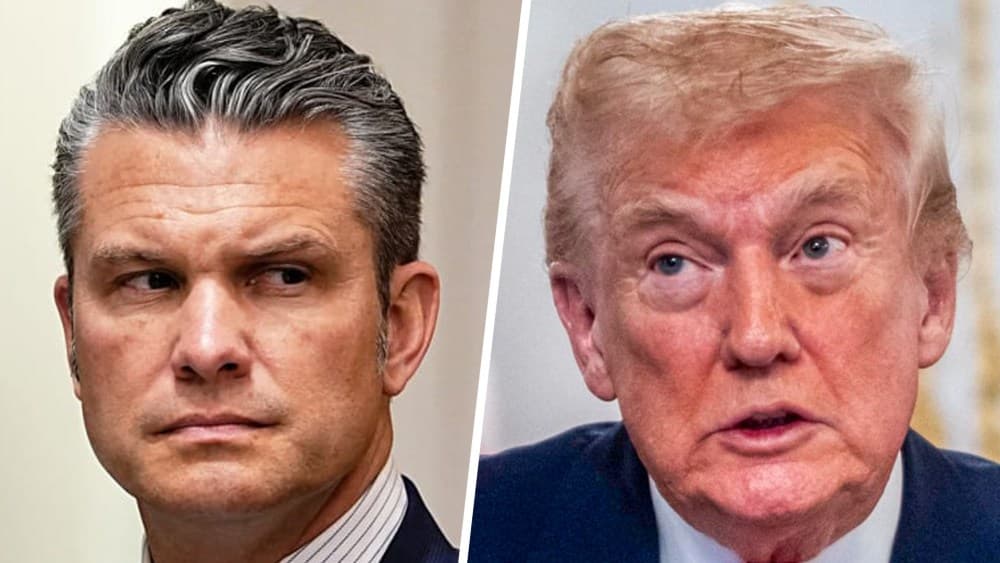
The Trump administration has requested the largest year-over-year increase in defense spending since World War II while declining to disclose how much it has spent on the war with Iran. Administration officials have said those costs will be included in a separate, future funding request to Congress. The historic spending increase request comes after the administration has failed over the last six weeks to provide information to lawmakers on how much it has spent on its war with Iran, two members of Congress and a congressional official told MS NOW. They also said the damage to U.S. military bases from Iranian missiles and drone attacks is far more extensive than the administration has publicly revealed. “Members of the Senate are frustrated beyond words and increasingly furious about the stonewalling.” Sen. Richard Blumenthal, D-Conn. As part of its proposed $1.5 trillion fiscal 2026 budget request, administration officials created a new defense spending category called “presidential priorities,” such as President Donald Trump’s “Golden Dome” missile defense system, the effectiveness of which has been questioned by some experts. The request for a historic spending increase comes as Democrats have said members of both chambers of Congress have grown exasperated by a lack of information regarding the conduct and cost of the United States’ war with Iran. “Members of the Senate are frustrated beyond words and increasingly furious about the stonewalling,” Sen. Richard Blumenthal, D-Conn., a member of the Senate Armed Services Committee, told MS NOW. Rep. Adam Smith, D-Wash., the ranking Democrat on the House Armed Services Committee, said the same frustration exists in the House. “We have received no information on the cost of the war,” Smith told MS NOW. “We keep asking. They keep ignoring us.” The Pentagon did not immediately respond to MS NOW’s request for comment on the criticism from Democrats. The new budget also includes a request for $74 billion in U.S. drone spending, triple the amount the Pentagon currently spends. It also includes $30 billion to replace depleted critical munitions, such as missile interceptor systems that use missiles, which cost millions of dollars each. “It’s critical that we innovate as we look at the drones,” Lt. Gen. Steven P. Whitney, joint staff director of force structure, resources and assessment, said at a Pentagon press conference where the budget request was announced. “This evolution in technology is in a timeframe of weeks, not the typical years that we see with our defense production.” A recent estimate by congressional staffers put the current cost of the Iran war at roughly $50 billion, citing munitions fired, operation and maintenance and damage to U.S. facilities and hardware, according to a congressional official, who spoke on condition of anonymity. The officials said Iranian drone and missile attacks have done “vastly more damage” to U.S. equipment and bases, for example, than what has been publicly reported. Jules Hurst, the acting Pentagon comptroller, said at the Pentagon press conference that rebuilding U.S. bases in the region would also be a separate funding request to Congress. “We have to make sure we understand what we want to construct in the future,” he said. “We might change how we build bases in the Middle East based on this conflict.” Some publicly disclosed accounts of damaged or destroyed U.S. aircraft provide a glimpse into the price tag (based on costs adjusted for inflation to 2026 dollars) for lost planes. The cost of a KC-135 aerial refueling jet, two of which crashed in a refueling accident, is between $75 million and $80 million each. The cost of an F-15E Strike Eagle fighter jet, one of which was shot down by Iranian forces earlier this month, would be roughly $63 million today. Two MC-130J aircraft, which each cost at least $100 million, were lost in the rescue mission for a U.S. air crew member who was shot down over Iran. And the cost to build an E3-Sentry (AWACS) aerial radar plane, at least one of which was destroyed at an Air Force base in Saudi Arabia, was $270 million in 1998. Due to their age, however, the U.S. military is replacing them with a newer E-7 model that costs upward of $700 million apiece. Play ‘Little strategy’ from Trump on translating military accomplishments into something ‘durable’: Boot April 21, 2026 / 11:56 “Obviously, Democrats are frustrated, and so are Republicans,” the official said. “No one in Congress has been briefed in any significant way.” In a closed-door briefing with lawmakers on March 10, Defense Department officials told members of Congress that the first six days of the war cost over $11 billion. Earlier this month, The Washington Post reported the administration planned to ask Congress for $80 billion to $100 billion in supplemental funding to cover the cost of the war. Last week, in testimony before the House and Senate, White House Budget Director Russell Vought declined to give estimates for the cost of the war. “We’re not ready to come to you with a request. We’re still working on it,” he told a hearing of the House Budget Committee last Wednesday. “We’re working through to figure out what’s needed.” Asked by senators for a general cost range last Thursday, Vought said, “I’m not going to give you a range because I don’t want to be inaccurate.” Blumenthal said he agreed the damage to U.S. bases and equipment is more extensive than the Pentagon has disclosed and that senators on both sides of the aisle are frustrated by the lack of information. “There has been vastly more damage to American equipment and bases than the DOD has made public,” Blumenthal told MS NOW. “I also believe that the costs have been underestimated generally.” The post Trump administration withholds Iran war costs but wants historic $441 billion more for Defense appeared first on MS NOW.
Trump administration withholds Iran war costs but wants historic $441 billion more for Defense
The Trump administration has requested the largest year-over-year increase in defense spending since World War II while declining to disclose how much it has spent on the war with Iran. Administration officials have said those costs will be included in a separate, future funding request to Congress. The historic spending increase request comes after the administration has failed over the last six weeks to provide information to lawmakers on how much it has spent on its war with Iran, two members of Congress and a congressional official told MS NOW. They also said the damage to U.S. military bases from Iranian missiles and drone attacks is far more extensive than the administration has publicly revealed. “Members of the Senate are frustrated beyond words and increasingly furious about the stonewalling.” Sen. Richard Blumenthal, D-Conn. As part of its proposed $1.5 trillion fiscal 2026 budget request, administration officials created a new defense spending category called “presidential priorities,” such as President Donald Trump’s “Golden Dome” missile defense system, the effectiveness of which has been questioned by some experts. The request for a historic spending increase comes as Democrats have said members of both chambers of Congress have grown exasperated by a lack of information regarding the conduct and cost of the United States’ war with Iran. “Members of the Senate are frustrated beyond words and increasingly furious about the stonewalling,” Sen. Richard Blumenthal, D-Conn., a member of the Senate Armed Services Committee, told MS NOW. Rep. Adam Smith, D-Wash., the ranking Democrat on the House Armed Services Committee, said the same frustration exists in the House. “We have received no information on the cost of the war,” Smith told MS NOW. “We keep asking. They keep ignoring us.” The Pentagon did not immediately respond to MS NOW’s request for comment on the criticism from Democrats. The new budget also includes a request for $74 billion in U.S. drone spending, triple the amount the Pentagon currently spends. It also includes $30 billion to replace depleted critical munitions, such as missile interceptor systems that use missiles, which cost millions of dollars each. “It’s critical that we innovate as we look at the drones,” Lt. Gen. Steven P. Whitney, joint staff director of force structure, resources and assessment, said at a Pentagon press conference where the budget request was announced. “This evolution in technology is in a timeframe of weeks, not the typical years that we see with our defense production.” A recent estimate by congressional staffers put the current cost of the Iran war at roughly $50 billion, citing munitions fired, operation and maintenance and damage to U.S. facilities and hardware, according to a congressional official, who spoke on condition of anonymity. The officials said Iranian drone and missile attacks have done “vastly more damage” to U.S. equipment and bases, for example, than what has been publicly reported. Jules Hurst, the acting Pentagon comptroller, said at the Pentagon press conference that rebuilding U.S. bases in the region would also be a separate funding request to Congress. “We have to make sure we understand what we want to construct in the future,” he said. “We might change how we build bases in the Middle East based on this conflict.” Some publicly disclosed accounts of damaged or destroyed U.S. aircraft provide a glimpse into the price tag (based on costs adjusted for inflation to 2026 dollars) for lost planes. The cost of a KC-135 aerial refueling jet, two of which crashed in a refueling accident, is between $75 million and $80 million each. The cost of an F-15E Strike Eagle fighter jet, one of which was shot down by Iranian forces earlier this month, would be roughly $63 million today. Two MC-130J aircraft, which each cost at least $100 million, were lost in the rescue mission for a U.S. air crew member who was shot down over Iran. And the cost to build an E3-Sentry (AWACS) aerial radar plane, at least one of which was destroyed at an Air Force base in Saudi Arabia, was $270 million in 1998. Due to their age, however, the U.S. military is replacing them with a newer E-7 model that costs upward of $700 million apiece. Play ‘Little strategy’ from Trump on translating military accomplishments into something ‘durable’: Boot April 21, 2026 / 11:56 “Obviously, Democrats are frustrated, and so are Republicans,” the official said. “No one in Congress has been briefed in any significant way.” In a closed-door briefing with lawmakers on March 10, Defense Department officials told members of Congress that the first six days of the war cost over $11 billion. Earlier this month, The Washington Post reported the administration planned to ask Congress for $80 billion to $100 billion in supplemental funding to cover the cost of the war. Last week, in testimony before the House and Senate, White House Budget Director Russell Vought declined to give estimates for the cost of the war. “We’re not ready to come to you with a request. We’re still working on it,” he told a hearing of the House Budget Committee last Wednesday. “We’re working through to figure out what’s needed.” Asked by senators for a general cost range last Thursday, Vought said, “I’m not going to give you a range because I don’t want to be inaccurate.” Blumenthal said he agreed the damage to U.S. bases and equipment is more extensive than the Pentagon has disclosed and that senators on both sides of the aisle are frustrated by the lack of information. “There has been vastly more damage to American equipment and bases than the DOD has made public,” Blumenthal told MS NOW. “I also believe that the costs have been underestimated generally.” The post Trump administration withholds Iran war costs but wants historic $441 billion more for Defense appeared first on MS NOW.
Trump administration withholds Iran war costs but wants historic $441 billion more for Defense
The Trump administration has requested the largest year-over-year increase in defense spending since World War II while declining to disclose how much it has spent on the war with Iran. Administration officials have said those costs will be included in a separate, future funding request to Congress. The historic spending increase request comes after the administration has failed over the last six weeks to provide information to lawmakers on how much it has spent on its war with Iran, two members of Congress and a congressional official told MS NOW. They also said the damage to U.S. military bases from Iranian missiles and drone attacks is far more extensive than the administration has publicly revealed. “Members of the Senate are frustrated beyond words and increasingly furious about the stonewalling.” Sen. Richard Blumenthal, D-Conn. As part of its proposed $1.5 trillion fiscal 2026 budget request, administration officials created a new defense spending category called “presidential priorities,” such as President Donald Trump’s “Golden Dome” missile defense system, the effectiveness of which has been questioned by some experts. The request for a historic spending increase comes as Democrats have said members of both chambers of Congress have grown exasperated by a lack of information regarding the conduct and cost of the United States’ war with Iran. “Members of the Senate are frustrated beyond words and increasingly furious about the stonewalling,” Sen. Richard Blumenthal, D-Conn., a member of the Senate Armed Services Committee, told MS NOW. Rep. Adam Smith, D-Wash., the ranking Democrat on the House Armed Services Committee, said the same frustration exists in the House. “We have received no information on the cost of the war,” Smith told MS NOW. “We keep asking. They keep ignoring us.” The Pentagon did not immediately respond to MS NOW’s request for comment on the criticism from Democrats. The new budget also includes a request for $74 billion in U.S. drone spending, triple the amount the Pentagon currently spends. It also includes $30 billion to replace depleted critical munitions, such as missile interceptor systems that use missiles, which cost millions of dollars each. “It’s critical that we innovate as we look at the drones,” Lt. Gen. Steven P. Whitney, joint staff director of force structure, resources and assessment, said at a Pentagon press conference where the budget request was announced. “This evolution in technology is in a timeframe of weeks, not the typical years that we see with our defense production.” A recent estimate by congressional staffers put the current cost of the Iran war at roughly $50 billion, citing munitions fired, operation and maintenance and damage to U.S. facilities and hardware, according to a congressional official, who spoke on condition of anonymity. The officials said Iranian drone and missile attacks have done “vastly more damage” to U.S. equipment and bases, for example, than what has been publicly reported. Jules Hurst, the acting Pentagon comptroller, said at the Pentagon press conference that rebuilding U.S. bases in the region would also be a separate funding request to Congress. “We have to make sure we understand what we want to construct in the future,” he said. “We might change how we build bases in the Middle East based on this conflict.” Some publicly disclosed accounts of damaged or destroyed U.S. aircraft provide a glimpse into the price tag (based on costs adjusted for inflation to 2026 dollars) for lost planes. The cost of a KC-135 aerial refueling jet, two of which crashed in a refueling accident, is between $75 million and $80 million each. The cost of an F-15E Strike Eagle fighter jet, one of which was shot down by Iranian forces earlier this month, would be roughly $63 million today. Two MC-130J aircraft, which each cost at least $100 million, were lost in the rescue mission for a U.S. air crew member who was shot down over Iran. And the cost to build an E3-Sentry (AWACS) aerial radar plane, at least one of which was destroyed at an Air Force base in Saudi Arabia, was $270 million in 1998. Due to their age, however, the U.S. military is replacing them with a newer E-7 model that costs upward of $700 million apiece. Play ‘Little strategy’ from Trump on translating military accomplishments into something ‘durable’: Boot April 21, 2026 / 11:56 “Obviously, Democrats are frustrated, and so are Republicans,” the official said. “No one in Congress has been briefed in any significant way.” In a closed-door briefing with lawmakers on March 10, Defense Department officials told members of Congress that the first six days of the war cost over $11 billion. Earlier this month, The Washington Post reported the administration planned to ask Congress for $80 billion to $100 billion in supplemental funding to cover the cost of the war. Last week, in testimony before the House and Senate, White House Budget Director Russell Vought declined to give estimates for the cost of the war. “We’re not ready to come to you with a request. We’re still working on it,” he told a hearing of the House Budget Committee last Wednesday. “We’re working through to figure out what’s needed.” Asked by senators for a general cost range last Thursday, Vought said, “I’m not going to give you a range because I don’t want to be inaccurate.” Blumenthal said he agreed the damage to U.S. bases and equipment is more extensive than the Pentagon has disclosed and that senators on both sides of the aisle are frustrated by the lack of information. “There has been vastly more damage to American equipment and bases than the DOD has made public,” Blumenthal told MS NOW. “I also believe that the costs have been underestimated generally.” The post Trump administration withholds Iran war costs but wants historic $441 billion more for Defense appeared first on MS NOW.

Tuesday’s Mini-Report, 4.21.26
Today’s edition of quick hits. * A ceasefire extension: “Trump says the U.S. has been asked by Pakistani leaders ‘to hold’ planned attacks on critical infrastructure until Iranian leaders ‘can come up with a unified proposal,’ according to a statement posted to Truth Social. His ceasefire has been extended for a sixth time until, as Trump said in his post, ‘such time as their proposal is submitted, and discussions are concluded, one way or the other.’” * The White House’s tough talk hasn’t exactly pushed Iranians to the table: “Vice President JD Vance’s diplomatic trip to Islamabad, where he was expected to press Iranian negotiators for a nuclear deal, has been put on hold after Tehran failed to respond to American negotiating positions, according to a U.S. official with direct knowledge of the situation.” * I look forward to hearing more about this: “The Justice Department on Monday night began withdrawing several subpoenas that had been issued just days prior in a criminal probe of former CIA Director John Brennan and a purported conspiracy by the Obama administration to embarrass President Donald Trump, according to three people familiar with the matter.” * An unusual public request from the ethics panel: “The House Ethics Committee is publicly requesting information from any victims of sexual misconduct by members of Congress and others aware of such incidents, an unusual move that comes during a spate of high-profile cases.” * Keep an eye on this one: “[A]fter a devastating Supreme Court ruling in February that found Trump lacked the legal authority to impose [his] tariffs, the administration is on the hook to pay it all back to American importers — plus interest. On Monday, the Trump administration officially debuted the tariff refund portal to make that happen.” * This lawsuit seemed inevitable: “A former Capitol Police officer who helped fend off the Jan. 6, 2021 attack is suing a right-wing media outlet for accusing her of planting pipe bombs that became a key inflection point in that day’s chaos. Shauni Kerkhoff, 31, accused Blaze Media and two of its former reporters of relying on a faulty ‘gait analysis’ of surveillance footage to wrongly suggest she was the person who planted pipe bombs outside the RNC and DNC the night before the Jan. 6 riot. The false accusations triggered conspiracy theories, threats and an FBI investigation.” * A heartbreaking loss for the “Warner family: Virginia Sen. Mark Warner announced that his daughter, Madison Warner, has died at the age of 36 following ‘a decades-long battle’ with juvenile diabetes. … Warner and his wife, Lisa Collis, asked for privacy in the statement as they ‘navigate this profound loss.’ The couple has two surviving children, Gillian and Eliza.” See you tomorrow. The post Tuesday’s Mini-Report, 4.21.26 appeared first on MS NOW.

Yet another resignation brings fresh shame to one of the worst Congresses ever
By any fair measure, Rep. Sheila Cherfilus-McCormick’s career prospects were not bright. Six months ago, for example, the Florida Democrat was criminally indicted, with federal prosecutors alleging she stole $5 million in federal disaster relief funds to finance her congressional campaign. The Justice Department’s probe ran parallel to a congressional ethics investigation, which concluded last month that Cherfilus-McCormick was guilty of more than 20 violations. Closer to home, the congresswoman was also facing a primary challenge she appeared likely to lose. It was against this backdrop that some House Republicans announced they would move forward with an effort to expel Cherfilus-McCormick. By all accounts, many House Democrats were prepared to abandon her, too. Short on friends and options, the Floridian is walking away. MS NOW reported: Just minutes before a House Ethics hearing on Tuesday, Rep. Sheila Cherfilus-McCormick, D-Fla., announced she will resign from Congress following a two-year investigation from the panel into allegations that she misused federal emergency relief funds. Her resignation takes effect immediately, giving the tiny House Republican majority a little breathing room. (The chamber now stands at 217 Republicans, 213 Democrats and one independent, which is where it stood before last week’s special election in New Jersey.) pic.twitter.com/u1lLBxfrI6 — Congresswoman Sheila Cherfilus-McCormick (@CongresswomanSC) April 21, 2026 If it seems there has been an unusually high number of resignations over the past year or so, it’s not your imagination. Two sitting Republican senators — Ohio’s JD Vance and Florida’s Marco Rubio — resigned to join the Trump administration, as did sitting Republican House member, Florida’s Mike Waltz. Another Democratic House member also resigned after winning a gubernatorial election: New Jersey’s Mikie Sherrill. But the list keeps going. Republican Rep. Matt Gaetz of Florida resigned shortly before the current Congress began, and roughly six months later, Republican Rep. Mark Green of Tennessee also gave up his seat to take an undisclosed job in the private sector. As 2026 got underway, Republican Rep. Marjorie Taylor Greene of Georgia joined the club, shortly after she became eligible for a congressional pension. Last week, the list grew longer when two more incumbents — Democratic Rep. Eric Swalwell of California and Republican Rep. Tony Gonzales of Texas — both resigned in disgrace around the same time. Now, Cherfilus-McCormick has followed them out the door eight days later. For those keeping score, that’s 10 resignations in the current Congress. For those unfamiliar with Capitol Hill, midterm departures are not at all common, and 10 resignations in a year and a half is an unusually large number. It’s also a reflection of one of the most woeful Congresses in recent memory. When the number of resignations easily surpasses the number of major bills passed, that’s just embarrassing. But it’s not the only evidence in the broader indictment of the 119th Congress. This is, after all, a Congress that has voluntarily surrendered many of its responsibilities and prerogatives to the White House, while simultaneously proving itself to be an exceedingly dysfunctional and unproductive institution. About a year ago, former Republican Rep. Fred Upton of Michigan, who served more than three decades on Capitol Hill, told The Washington Post, “I learned ninth-grade civics: You’ve got three equal branches of government. But right now, the Congress is not one of them.” Time will tell what happens in the midterm elections in the fall, but if voters adopt a “throw the bums out” attitude in the fall, no one should be surprised. This post updates our related earlier coverage. The post Yet another resignation brings fresh shame to one of the worst Congresses ever appeared first on MS NOW.
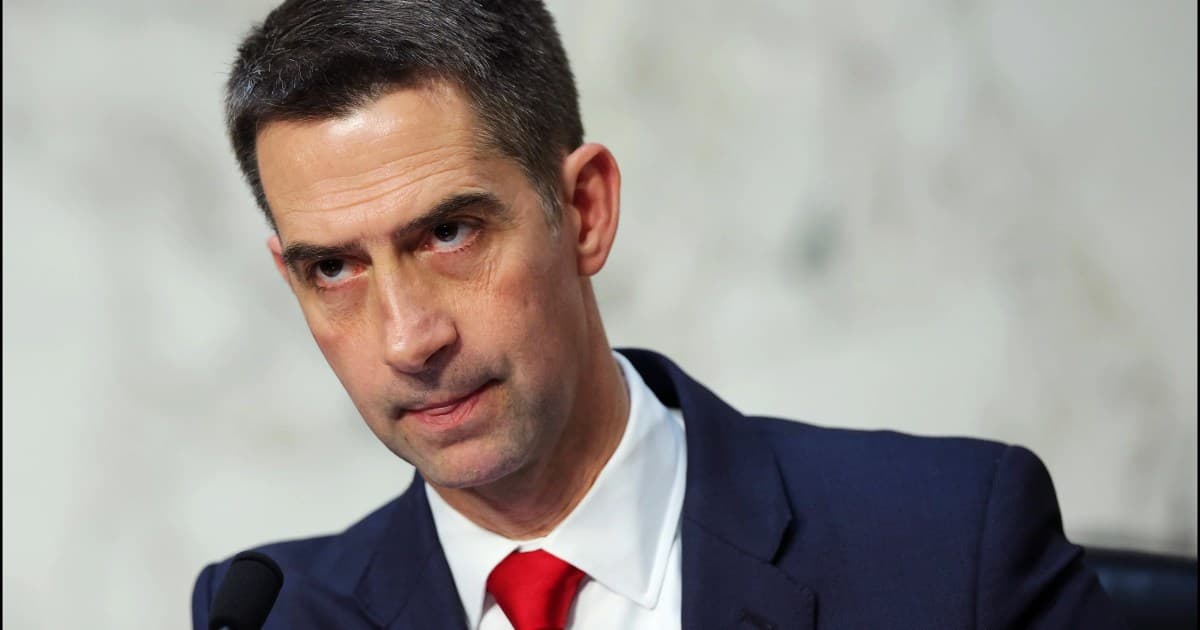
11 years later, the Senate Republicans’ open letter to Iran is relevant anew
As part of a series of online rants, Donald Trump complained on Monday afternoon that congressional Democrats “are doing everything possible to hurt the very strong position we are in with respect to Iran.” The president didn’t refer to any specifics, which wasn’t too surprising, since Democratic lawmakers haven’t had any success in curtailing the White House’s policy. But as the next round of talks with Iranian officials prepares to get underway, it’s worth appreciating the fact that if Democrats were prepared to deliberately try to undermine the administration’s negotiating position, I suppose they could write a letter to Iranian leaders, encouraging them not to trust the United States — which is what Republicans did 11 years ago. Remember this report from The New York Times in March 2015? The fractious debate over a possible nuclear deal with Iran escalated on Monday as 47 Republican senators warned Iran about making an agreement with President Obama, and the White House accused them of undercutting foreign policy. In a rare direct congressional intervention into diplomatic negotiations, the Republicans signed an open letter addressed to ‘leaders of the Islamic Republic of Iran’ declaring that any agreement without legislative approval could be reversed by the next president ‘with the stroke of a pen.’ The letter appeared aimed at unraveling a framework agreement even as negotiators grew close to reaching it. At the time, the international talks among the permanent members of the United Nations Security Council, Germany and Iran had reached a delicate stage, and an agreement over the future of Tehran’s nuclear policy was within sight. But as the seven-nation talks reached a critical stage, Republican Sen. Tom Cotton of Arkansas, just two months into his term in the upper chamber, recruited 46 of his Senate GOP colleagues to write an open letter to Iran, hoping to undermine the historic diplomatic opportunity. As part of an apparent sabotage attempt, the 47 Senate Republicans effectively told Iranian officials not to trust the United States as part of the talks. (Then-Sen. Marco Rubio, a decade before he became secretary of state, was among the signatories. The Florida Republican then turned his role in the fiasco into a fundraising appeal.) The U.S. Senate Historian’s Office explained soon after that it could not find a comparable example in the institution’s history in which “one political party openly tried to deal with a foreign power against a presidential policy, as Republicans have attempted in their open letter to Iran.” The reactions from abroad were even more dramatic: U.S. allies said that the Republicans’ letter actually helped Iran’s negotiating position, further undermining the senators’ own country. The Cotton-led effort was quickly denounced by Democrats, veteran diplomats, editorial boards, pundits of every stripe and even some Republicans, but to date, none of the signatories has expressed regret for their role in the unsuccessful sabotage campaign. As for how Trump and his party might respond if 47 Senate Democrats were to write an open letter to Iran right now, as part of an attempt to undermine talks in Islamabad, one can only imagine the severity of the partisan hysterics. The post 11 years later, the Senate Republicans’ open letter to Iran is relevant anew appeared first on MS NOW.
11 years later, the Senate Republicans’ open letter to Iran is relevant anew
As part of a series of online rants, Donald Trump complained on Monday afternoon that congressional Democrats “are doing everything possible to hurt the very strong position we are in with respect to Iran.” The president didn’t refer to any specifics, which wasn’t too surprising, since Democratic lawmakers haven’t had any success in curtailing the White House’s policy. But as the next round of talks with Iranian officials prepares to get underway, it’s worth appreciating the fact that if Democrats were prepared to deliberately try to undermine the administration’s negotiating position, I suppose they could write a letter to Iranian leaders, encouraging them not to trust the United States — which is what Republicans did 11 years ago. Remember this report from The New York Times in March 2015? The fractious debate over a possible nuclear deal with Iran escalated on Monday as 47 Republican senators warned Iran about making an agreement with President Obama, and the White House accused them of undercutting foreign policy. In a rare direct congressional intervention into diplomatic negotiations, the Republicans signed an open letter addressed to ‘leaders of the Islamic Republic of Iran’ declaring that any agreement without legislative approval could be reversed by the next president ‘with the stroke of a pen.’ The letter appeared aimed at unraveling a framework agreement even as negotiators grew close to reaching it. At the time, the international talks among the permanent members of the United Nations Security Council, Germany and Iran had reached a delicate stage, and an agreement over the future of Tehran’s nuclear policy was within sight. But as the seven-nation talks reached a critical stage, Republican Sen. Tom Cotton of Arkansas, just two months into his term in the upper chamber, recruited 46 of his Senate GOP colleagues to write an open letter to Iran, hoping to undermine the historic diplomatic opportunity. As part of an apparent sabotage attempt, the 47 Senate Republicans effectively told Iranian officials not to trust the United States as part of the talks. (Then-Sen. Marco Rubio, a decade before he became secretary of state, was among the signatories. The Florida Republican then turned his role in the fiasco into a fundraising appeal.) The U.S. Senate Historian’s Office explained soon after that it could not find a comparable example in the institution’s history in which “one political party openly tried to deal with a foreign power against a presidential policy, as Republicans have attempted in their open letter to Iran.” The reactions from abroad were even more dramatic: U.S. allies said that the Republicans’ letter actually helped Iran’s negotiating position, further undermining the senators’ own country. The Cotton-led effort was quickly denounced by Democrats, veteran diplomats, editorial boards, pundits of every stripe and even some Republicans, but to date, none of the signatories has expressed regret for their role in the unsuccessful sabotage campaign. As for how Trump and his party might respond if 47 Senate Democrats were to write an open letter to Iran right now, as part of an attempt to undermine talks in Islamabad, one can only imagine the severity of the partisan hysterics. The post 11 years later, the Senate Republicans’ open letter to Iran is relevant anew appeared first on MS NOW.
11 years later, the Senate Republicans’ open letter to Iran is relevant anew
As part of a series of online rants, Donald Trump complained on Monday afternoon that congressional Democrats “are doing everything possible to hurt the very strong position we are in with respect to Iran.” The president didn’t refer to any specifics, which wasn’t too surprising, since Democratic lawmakers haven’t had any success in curtailing the White House’s policy. But as the next round of talks with Iranian officials prepares to get underway, it’s worth appreciating the fact that if Democrats were prepared to deliberately try to undermine the administration’s negotiating position, I suppose they could write a letter to Iranian leaders, encouraging them not to trust the United States — which is what Republicans did 11 years ago. Remember this report from The New York Times in March 2015? The fractious debate over a possible nuclear deal with Iran escalated on Monday as 47 Republican senators warned Iran about making an agreement with President Obama, and the White House accused them of undercutting foreign policy. In a rare direct congressional intervention into diplomatic negotiations, the Republicans signed an open letter addressed to ‘leaders of the Islamic Republic of Iran’ declaring that any agreement without legislative approval could be reversed by the next president ‘with the stroke of a pen.’ The letter appeared aimed at unraveling a framework agreement even as negotiators grew close to reaching it. At the time, the international talks among the permanent members of the United Nations Security Council, Germany and Iran had reached a delicate stage, and an agreement over the future of Tehran’s nuclear policy was within sight. But as the seven-nation talks reached a critical stage, Republican Sen. Tom Cotton of Arkansas, just two months into his term in the upper chamber, recruited 46 of his Senate GOP colleagues to write an open letter to Iran, hoping to undermine the historic diplomatic opportunity. As part of an apparent sabotage attempt, the 47 Senate Republicans effectively told Iranian officials not to trust the United States as part of the talks. (Then-Sen. Marco Rubio, a decade before he became secretary of state, was among the signatories. The Florida Republican then turned his role in the fiasco into a fundraising appeal.) The U.S. Senate Historian’s Office explained soon after that it could not find a comparable example in the institution’s history in which “one political party openly tried to deal with a foreign power against a presidential policy, as Republicans have attempted in their open letter to Iran.” The reactions from abroad were even more dramatic: U.S. allies said that the Republicans’ letter actually helped Iran’s negotiating position, further undermining the senators’ own country. The Cotton-led effort was quickly denounced by Democrats, veteran diplomats, editorial boards, pundits of every stripe and even some Republicans, but to date, none of the signatories has expressed regret for their role in the unsuccessful sabotage campaign. As for how Trump and his party might respond if 47 Senate Democrats were to write an open letter to Iran right now, as part of an attempt to undermine talks in Islamabad, one can only imagine the severity of the partisan hysterics. The post 11 years later, the Senate Republicans’ open letter to Iran is relevant anew appeared first on MS NOW.