4 stories credited to GV Wire
13 stories on gvwire.com credited to other publishers
Latest story Sep 22, 2026 · on ChamberLight since Apr 2026
A story can appear as several articles (copies of the same piece), so counts of stories and of articles differ.
Scores for GV Wire
Originality
All 2 carry an unconfirmed copying flag, which is not evidence either way.
17 stories · updated Sep 24, 2026
Writing quality not enough rated stories yet: 3 of 10. How it is measured
Scores last checked Sep 25, 2026.
Articles this site reproduces
How provenance is decidedOriginal publishers of articles on gvwire.com
Counted from articles on gvwire.com whose original publisher is verified from the page itself or confirmed by an independent signal.
Stories ChamberLight collected, by month
Stories credited to GV Wire, by publication date. ChamberLight collects articles that mention the officials it tracks, so this shows its own coverage of this source, not how much the source publishes.
- Stories from GV Wire
- Shaded: ChamberLight collected no stories, or almost none, from any outlet (a gap in its collection, not in the outlet’s publishing)
Show as a table
| Month | Stories | All outlets |
|---|---|---|
| April 2026 | 3 | 4,297 |
| May 2026 | 0 | none collected |
| June 2026 | 0 | none collected |
| July 2026 | 0 | none collected |
| August 2026 | 0 | 1 (collection gap) |
| September 2026 | 1 | 598 |
Top topics
Share of this source’s stories tagged with each topic. A story can carry several topics, so the shares do not add up to 100%.
- Ethics/Corruption3
75% of 4 stories · 60% across all outlets
- Criminal Justice2
50% of 4 stories · 20% across all outlets
- Foreign Policy2
50% of 4 stories · 29% across all outlets
- Budget/Spending1
25% of 4 stories · 32% across all outlets
- Defense/Military1
25% of 4 stories · 25% across all outlets
- Infrastructure1
25% of 4 stories · 8% across all outlets
The thin mark on each bar is the topic’s share across all outlets.
Who they cover
Party of the officials these stories are mainly about, across all 7 officials named. A story counts once for each official it is mainly about, so the split is over 8 story–official pairs, from 4 stories.
- Republican63% · 5 pairs
- Democrat25% · 2 pairs
- Party not recorded13% · 1 pair
Most covered
Stories mainly about each official, and their share of the source’s 4 stories.
Article tone
ChamberLight’s article analysis assigns each story a tone toward the official it covers. It describes the coverage of that official, not GV Wire’s stance, and reader votes do not change it. 4 stories.
- Good Look
- 1 (25%)
- Mixed
- 0 (0%)
- Informational
- 1 (25%)
- Bad Look
- 2 (50%)
Challenges to these scores
No one has challenged a score on this page yet. Anyone can; editors publish every outcome here.
Articles served from gvwire.com
47
'I'm Not a Doomer': Sen. Mark Warner Makes the Case for Acting Fast on AI Guardrails
Warner and other legislators believe the U.S. needs to work in partnership with other nations with burgeoning AI industries, including China, to develop controls. The U.S. Congress should pass legislation by the year-end setting AI safety standards, as an immediate first step toward broad guardrail
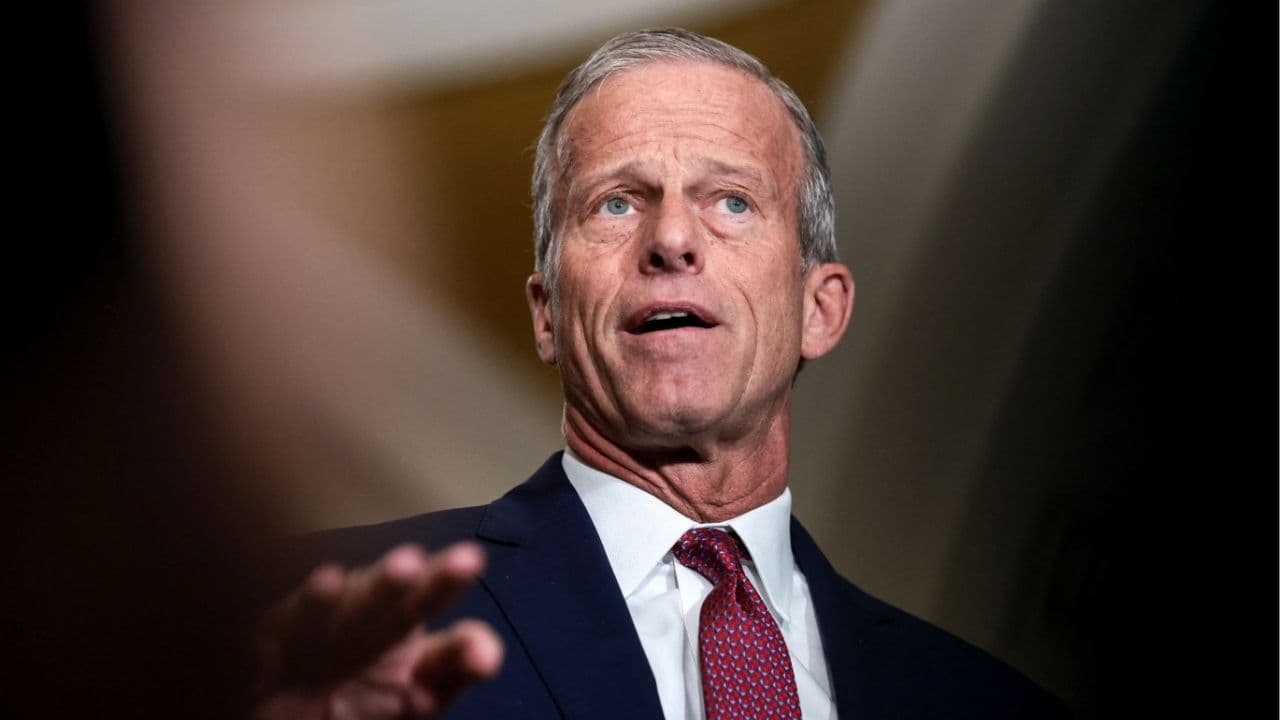
Senate Republicans to Move Forward with Budget Plan for Trump Immigration Enforcement
U.S. Senate Republicans will move forward this week on a budget blueprint that would boost funding for the Immigration and Customs Enforcement and Border Patrol agencies for the next three years, Senate Majority Leader John Thune said on Tuesday. Thune’s comments come as the Republican-controlled Congress aims to end a partial shutdown of the Department of Homeland Security. “The budget resolution before us this week will unlock funding for law enforcement border security at DHS for the next three years,” Thune said in a speech to the Senate. An additional $70 billion sketched out in the budget plan for DHS would be available at least through the end of President Donald Trump’s term in office on Jan. 20, 2029. It was unclear whether the legislation, as it moved through various committees, ultimately would contain cost-savings in other programs or the $70 billion would add to federal budget deficits. Senate Democratic Leader Chuck Schumer attacked the legislation, saying it would “pour” money into “ICE and Border Patrol without putting any restraints on these rogue agencies’ rampant violence in our streets.” Trump has surged ICE and Border Patrol agents into big cities, amid protests and violent encounters with residents. Two U.S. citizens were shot dead early this year in Minneapolis by agents. Funding on Hold Pending New Constraints on ICE, Border Patrol Democrats have been pushing for a series of new constraints on ICE and Border Patrol, which operate under the direction of DHS, before signing off on any additional funds for them. They have argued that ICE and Border Patrol should be subject to the same operational rules as police forces across the United States, including a requirement that judicial warrants be obtained before agents can enter private homes. Negotiations over several weeks between Republicans and Democrats on such changes did not bear fruit, causing partial shutdowns of some DHS agencies. Now, Republicans have opted to end the deadlock and ram the new funding through the Senate using a rarely used procedure that allows some budget-related legislation to bypass Democratic opposition. Most bills need a supermajority of at least 60 votes in the 100-member Senate to advance to passage. Republicans currently control the Senate with a 53-47 majority. If this non-binding budget blueprint passes the Senate and House of Representatives, committees will fill in the details on how the $70 billion would be spent in separate legislation that Trump would have to sign into law before it becomes effective. Most of DHS shut down in mid-February with negotiations over Democratic demands for ICE reforms deadlocked. The Senate has since passed legislation to fund DHS operations other than ICE and CBP. But the measure has stalled in the House, where hardline Republicans have demanded funding for ICE and Border Patrol as well. Since then, Trump signed an emergency order to temporarily pay ICE and Border Patrol salaries. Last year Republicans passed legislation providing around $130 billion in funding for these two agencies, separate from their annual appropriations and the $70 billion now being advanced in Congress. (Reporting by Katharine Jackson, Richard Cowan and David Morgan; Editing by Doina Chiacu, William Maclean and Andrea Ricci) The post Senate Republicans to Move Forward with Budget Plan for Trump Immigration Enforcement appeared first on GV Wire.
Senate Republicans to Move Forward with Budget Plan for Trump Immigration Enforcement
U.S. Senate Republicans will move forward this week on a budget blueprint that would boost funding for the Immigration and Customs Enforcement and Border Patrol agencies for the next three years, Senate Majority Leader John Thune said on Tuesday. Thune’s comments come as the Republican-controlled Congress aims to end a partial shutdown of the Department of Homeland Security. “The budget resolution before us this week will unlock funding for law enforcement border security at DHS for the next three years,” Thune said in a speech to the Senate. An additional $70 billion sketched out in the budget plan for DHS would be available at least through the end of President Donald Trump’s term in office on Jan. 20, 2029. It was unclear whether the legislation, as it moved through various committees, ultimately would contain cost-savings in other programs or the $70 billion would add to federal budget deficits. Senate Democratic Leader Chuck Schumer attacked the legislation, saying it would “pour” money into “ICE and Border Patrol without putting any restraints on these rogue agencies’ rampant violence in our streets.” Trump has surged ICE and Border Patrol agents into big cities, amid protests and violent encounters with residents. Two U.S. citizens were shot dead early this year in Minneapolis by agents. Funding on Hold Pending New Constraints on ICE, Border Patrol Democrats have been pushing for a series of new constraints on ICE and Border Patrol, which operate under the direction of DHS, before signing off on any additional funds for them. They have argued that ICE and Border Patrol should be subject to the same operational rules as police forces across the United States, including a requirement that judicial warrants be obtained before agents can enter private homes. Negotiations over several weeks between Republicans and Democrats on such changes did not bear fruit, causing partial shutdowns of some DHS agencies. Now, Republicans have opted to end the deadlock and ram the new funding through the Senate using a rarely used procedure that allows some budget-related legislation to bypass Democratic opposition. Most bills need a supermajority of at least 60 votes in the 100-member Senate to advance to passage. Republicans currently control the Senate with a 53-47 majority. If this non-binding budget blueprint passes the Senate and House of Representatives, committees will fill in the details on how the $70 billion would be spent in separate legislation that Trump would have to sign into law before it becomes effective. Most of DHS shut down in mid-February with negotiations over Democratic demands for ICE reforms deadlocked. The Senate has since passed legislation to fund DHS operations other than ICE and CBP. But the measure has stalled in the House, where hardline Republicans have demanded funding for ICE and Border Patrol as well. Since then, Trump signed an emergency order to temporarily pay ICE and Border Patrol salaries. Last year Republicans passed legislation providing around $130 billion in funding for these two agencies, separate from their annual appropriations and the $70 billion now being advanced in Congress. (Reporting by Katharine Jackson, Richard Cowan and David Morgan; Editing by Doina Chiacu, William Maclean and Andrea Ricci) The post Senate Republicans to Move Forward with Budget Plan for Trump Immigration Enforcement appeared first on GV Wire.
Senate Republicans to Move Forward with Budget Plan for Trump Immigration Enforcement
U.S. Senate Republicans will move forward this week on a budget blueprint that would boost funding for the Immigration and Customs Enforcement and Border Patrol agencies for the next three years, Senate Majority Leader John Thune said on Tuesday. Thune’s comments come as the Republican-controlled Congress aims to end a partial shutdown of the Department of Homeland Security. “The budget resolution before us this week will unlock funding for law enforcement border security at DHS for the next three years,” Thune said in a speech to the Senate. An additional $70 billion sketched out in the budget plan for DHS would be available at least through the end of President Donald Trump’s term in office on Jan. 20, 2029. It was unclear whether the legislation, as it moved through various committees, ultimately would contain cost-savings in other programs or the $70 billion would add to federal budget deficits. Senate Democratic Leader Chuck Schumer attacked the legislation, saying it would “pour” money into “ICE and Border Patrol without putting any restraints on these rogue agencies’ rampant violence in our streets.” Trump has surged ICE and Border Patrol agents into big cities, amid protests and violent encounters with residents. Two U.S. citizens were shot dead early this year in Minneapolis by agents. Funding on Hold Pending New Constraints on ICE, Border Patrol Democrats have been pushing for a series of new constraints on ICE and Border Patrol, which operate under the direction of DHS, before signing off on any additional funds for them. They have argued that ICE and Border Patrol should be subject to the same operational rules as police forces across the United States, including a requirement that judicial warrants be obtained before agents can enter private homes. Negotiations over several weeks between Republicans and Democrats on such changes did not bear fruit, causing partial shutdowns of some DHS agencies. Now, Republicans have opted to end the deadlock and ram the new funding through the Senate using a rarely used procedure that allows some budget-related legislation to bypass Democratic opposition. Most bills need a supermajority of at least 60 votes in the 100-member Senate to advance to passage. Republicans currently control the Senate with a 53-47 majority. If this non-binding budget blueprint passes the Senate and House of Representatives, committees will fill in the details on how the $70 billion would be spent in separate legislation that Trump would have to sign into law before it becomes effective. Most of DHS shut down in mid-February with negotiations over Democratic demands for ICE reforms deadlocked. The Senate has since passed legislation to fund DHS operations other than ICE and CBP. But the measure has stalled in the House, where hardline Republicans have demanded funding for ICE and Border Patrol as well. Since then, Trump signed an emergency order to temporarily pay ICE and Border Patrol salaries. Last year Republicans passed legislation providing around $130 billion in funding for these two agencies, separate from their annual appropriations and the $70 billion now being advanced in Congress. (Reporting by Katharine Jackson, Richard Cowan and David Morgan; Editing by Doina Chiacu, William Maclean and Andrea Ricci) The post Senate Republicans to Move Forward with Budget Plan for Trump Immigration Enforcement appeared first on GV Wire.

New Jersey Voters Decide Who Will Fill Mikie Sherrill’s House Seat
Polls have closed in northern New Jersey, where voters will choose their next representative in a special election on Thursday that could narrow Republicans’ grip on the U.S. House of Representatives heading into the November midterm elections. Democrat Analilia Mejia, former national political director of Senator Bernie Sanders’ 2020 presidential campaign, is favored over Republican Randolph Township Councilman Joe Hathaway to fill the seat vacated by former U.S. Representative Mikie Sherrill, who was elected governor in November. The special election comes days after two members of Congress – Democratic Representative Eric Swalwell of California and Republican Representative Tony Gonzales of Texas – announced their resignations following separate sexual misconduct allegations and a new member, Republican Representative Clay Fuller of Georgia, was sworn in. Mejia has raised $1.1 million through March 27, according to recent campaign filings, more than double Hathaway’s $525,000. The filings show Mejia entered the final stretch of the campaign with three times as much money in the bank as Hathaway. Mejia, a progressive outsider, won a crowded primary that featured millions of dollars in outside spending from the American Israel Public Affairs Committee’s super PAC. Hathaway ran unopposed for the Republican nomination. Former Vice President Kamala Harris won the district by nearly 9 percentage points in 2024, when Sherrill won reelection by nearly 15 percentage points. Sherrill carried the district by a similar margin in the 2025 gubernatorial election, en route to a 14-point win statewide. Mejia’s Election Would Shrink Republicans’ Majority If Mejia is elected, House Republicans will hold a 217-214 majority with one independent caucusing with Republicans and three vacancies to be filled later this year in Texas and California due to the pair of resignations this week and the death of former Republican Representative Doug LaMalfa. United Democracy Project, the pro-Israel super PAC, has signaled it will spend to elect another Democrat over Mejia in the state’s June 2 primary. The winner of that race will be favored to win a full two-year term in November. But none of the top three candidates who ran against Mejia in the February 5 primary has filed to run against her in June. The three candidates who have filed paperwork are Chatham Borough Councilman Justin Strickland, who won 2% of the vote in February, former Morristown Mayor Donald Cresitello and tech engineer Joseph Lewis. Democrats Have Overperformed in Special Congressional Elections Democratic candidates have overperformed their party’s margins in the 2024 presidential election by an average of 18 points in six special congressional elections this cycle in Florida, Virginia, Arizona, Tennessee and Georgia. A seventh special election in Texas featured two Democrats in a runoff. While the party hasn’t flipped any federal seats this Congress, the consistent overperformance suggests more enthusiasm for Democrats, who have rallied behind an affordability message, charging that President Donald Trump and Republicans in Congress are making life more expensive for Americans. Democrats instigated a record-long government shutdown last year over expiring healthcare subsidies. Congress failed to extend the subsidies, leading to spiking healthcare premiums for millions of Americans. The president has since launched coordinated strikes with Israel against Iran, sparking a foreign conflict that’s affecting voters’ pocketbooks with rising gas prices. Trump’s approval on the economy was just 29% as of a March 20-23 Reuters/Ipsos poll, as Americans have responded negatively to the surge in energy prices. Democrats would need to flip just a handful of seats in November to win control of the House of Representatives for the final two years of Trump’s presidency. The president’s party traditionally suffers losses in the midterms, but Trump has pushed Republican state legislators to redraw congressional districts to buck historical trends. Democratic state legislators have moved to counter Republican gerrymandering by redrawing maps to benefit Democrats in their states. (Reporting by Nolan D. McCaskill; editing by David Gaffen and Nick Zieminski) The post New Jersey Voters Decide Who Will Fill Mikie Sherrill’s House Seat appeared first on GV Wire.
New Jersey Voters Decide Who Will Fill Mikie Sherrill’s House Seat
Polls have closed in northern New Jersey, where voters will choose their next representative in a special election on Thursday that could narrow Republicans’ grip on the U.S. House of Representatives heading into the November midterm elections. Democrat Analilia Mejia, former national political director of Senator Bernie Sanders’ 2020 presidential campaign, is favored over Republican Randolph Township Councilman Joe Hathaway to fill the seat vacated by former U.S. Representative Mikie Sherrill, who was elected governor in November. The special election comes days after two members of Congress – Democratic Representative Eric Swalwell of California and Republican Representative Tony Gonzales of Texas – announced their resignations following separate sexual misconduct allegations and a new member, Republican Representative Clay Fuller of Georgia, was sworn in. Mejia has raised $1.1 million through March 27, according to recent campaign filings, more than double Hathaway’s $525,000. The filings show Mejia entered the final stretch of the campaign with three times as much money in the bank as Hathaway. Mejia, a progressive outsider, won a crowded primary that featured millions of dollars in outside spending from the American Israel Public Affairs Committee’s super PAC. Hathaway ran unopposed for the Republican nomination. Former Vice President Kamala Harris won the district by nearly 9 percentage points in 2024, when Sherrill won reelection by nearly 15 percentage points. Sherrill carried the district by a similar margin in the 2025 gubernatorial election, en route to a 14-point win statewide. Mejia’s Election Would Shrink Republicans’ Majority If Mejia is elected, House Republicans will hold a 217-214 majority with one independent caucusing with Republicans and three vacancies to be filled later this year in Texas and California due to the pair of resignations this week and the death of former Republican Representative Doug LaMalfa. United Democracy Project, the pro-Israel super PAC, has signaled it will spend to elect another Democrat over Mejia in the state’s June 2 primary. The winner of that race will be favored to win a full two-year term in November. But none of the top three candidates who ran against Mejia in the February 5 primary has filed to run against her in June. The three candidates who have filed paperwork are Chatham Borough Councilman Justin Strickland, who won 2% of the vote in February, former Morristown Mayor Donald Cresitello and tech engineer Joseph Lewis. Democrats Have Overperformed in Special Congressional Elections Democratic candidates have overperformed their party’s margins in the 2024 presidential election by an average of 18 points in six special congressional elections this cycle in Florida, Virginia, Arizona, Tennessee and Georgia. A seventh special election in Texas featured two Democrats in a runoff. While the party hasn’t flipped any federal seats this Congress, the consistent overperformance suggests more enthusiasm for Democrats, who have rallied behind an affordability message, charging that President Donald Trump and Republicans in Congress are making life more expensive for Americans. Democrats instigated a record-long government shutdown last year over expiring healthcare subsidies. Congress failed to extend the subsidies, leading to spiking healthcare premiums for millions of Americans. The president has since launched coordinated strikes with Israel against Iran, sparking a foreign conflict that’s affecting voters’ pocketbooks with rising gas prices. Trump’s approval on the economy was just 29% as of a March 20-23 Reuters/Ipsos poll, as Americans have responded negatively to the surge in energy prices. Democrats would need to flip just a handful of seats in November to win control of the House of Representatives for the final two years of Trump’s presidency. The president’s party traditionally suffers losses in the midterms, but Trump has pushed Republican state legislators to redraw congressional districts to buck historical trends. Democratic state legislators have moved to counter Republican gerrymandering by redrawing maps to benefit Democrats in their states. (Reporting by Nolan D. McCaskill; editing by David Gaffen and Nick Zieminski) The post New Jersey Voters Decide Who Will Fill Mikie Sherrill’s House Seat appeared first on GV Wire.
New Jersey Voters Decide Who Will Fill Mikie Sherrill’s House Seat
Polls have closed in northern New Jersey, where voters will choose their next representative in a special election on Thursday that could narrow Republicans’ grip on the U.S. House of Representatives heading into the November midterm elections. Democrat Analilia Mejia, former national political director of Senator Bernie Sanders’ 2020 presidential campaign, is favored over Republican Randolph Township Councilman Joe Hathaway to fill the seat vacated by former U.S. Representative Mikie Sherrill, who was elected governor in November. The special election comes days after two members of Congress – Democratic Representative Eric Swalwell of California and Republican Representative Tony Gonzales of Texas – announced their resignations following separate sexual misconduct allegations and a new member, Republican Representative Clay Fuller of Georgia, was sworn in. Mejia has raised $1.1 million through March 27, according to recent campaign filings, more than double Hathaway’s $525,000. The filings show Mejia entered the final stretch of the campaign with three times as much money in the bank as Hathaway. Mejia, a progressive outsider, won a crowded primary that featured millions of dollars in outside spending from the American Israel Public Affairs Committee’s super PAC. Hathaway ran unopposed for the Republican nomination. Former Vice President Kamala Harris won the district by nearly 9 percentage points in 2024, when Sherrill won reelection by nearly 15 percentage points. Sherrill carried the district by a similar margin in the 2025 gubernatorial election, en route to a 14-point win statewide. Mejia’s Election Would Shrink Republicans’ Majority If Mejia is elected, House Republicans will hold a 217-214 majority with one independent caucusing with Republicans and three vacancies to be filled later this year in Texas and California due to the pair of resignations this week and the death of former Republican Representative Doug LaMalfa. United Democracy Project, the pro-Israel super PAC, has signaled it will spend to elect another Democrat over Mejia in the state’s June 2 primary. The winner of that race will be favored to win a full two-year term in November. But none of the top three candidates who ran against Mejia in the February 5 primary has filed to run against her in June. The three candidates who have filed paperwork are Chatham Borough Councilman Justin Strickland, who won 2% of the vote in February, former Morristown Mayor Donald Cresitello and tech engineer Joseph Lewis. Democrats Have Overperformed in Special Congressional Elections Democratic candidates have overperformed their party’s margins in the 2024 presidential election by an average of 18 points in six special congressional elections this cycle in Florida, Virginia, Arizona, Tennessee and Georgia. A seventh special election in Texas featured two Democrats in a runoff. While the party hasn’t flipped any federal seats this Congress, the consistent overperformance suggests more enthusiasm for Democrats, who have rallied behind an affordability message, charging that President Donald Trump and Republicans in Congress are making life more expensive for Americans. Democrats instigated a record-long government shutdown last year over expiring healthcare subsidies. Congress failed to extend the subsidies, leading to spiking healthcare premiums for millions of Americans. The president has since launched coordinated strikes with Israel against Iran, sparking a foreign conflict that’s affecting voters’ pocketbooks with rising gas prices. Trump’s approval on the economy was just 29% as of a March 20-23 Reuters/Ipsos poll, as Americans have responded negatively to the surge in energy prices. Democrats would need to flip just a handful of seats in November to win control of the House of Representatives for the final two years of Trump’s presidency. The president’s party traditionally suffers losses in the midterms, but Trump has pushed Republican state legislators to redraw congressional districts to buck historical trends. Democratic state legislators have moved to counter Republican gerrymandering by redrawing maps to benefit Democrats in their states. (Reporting by Nolan D. McCaskill; editing by David Gaffen and Nick Zieminski) The post New Jersey Voters Decide Who Will Fill Mikie Sherrill’s House Seat appeared first on GV Wire.
New Jersey Voters Decide Who Will Fill Mikie Sherrill’s House Seat
Polls have closed in northern New Jersey, where voters will choose their next representative in a special election on Thursday that could narrow Republicans’ grip on the U.S. House of Representatives heading into the November midterm elections. Democrat Analilia Mejia, former national political director of Senator Bernie Sanders’ 2020 presidential campaign, is favored over Republican Randolph Township Councilman Joe Hathaway to fill the seat vacated by former U.S. Representative Mikie Sherrill, who was elected governor in November. The special election comes days after two members of Congress – Democratic Representative Eric Swalwell of California and Republican Representative Tony Gonzales of Texas – announced their resignations following separate sexual misconduct allegations and a new member, Republican Representative Clay Fuller of Georgia, was sworn in. Mejia has raised $1.1 million through March 27, according to recent campaign filings, more than double Hathaway’s $525,000. The filings show Mejia entered the final stretch of the campaign with three times as much money in the bank as Hathaway. Mejia, a progressive outsider, won a crowded primary that featured millions of dollars in outside spending from the American Israel Public Affairs Committee’s super PAC. Hathaway ran unopposed for the Republican nomination. Former Vice President Kamala Harris won the district by nearly 9 percentage points in 2024, when Sherrill won reelection by nearly 15 percentage points. Sherrill carried the district by a similar margin in the 2025 gubernatorial election, en route to a 14-point win statewide. Mejia’s Election Would Shrink Republicans’ Majority If Mejia is elected, House Republicans will hold a 217-214 majority with one independent caucusing with Republicans and three vacancies to be filled later this year in Texas and California due to the pair of resignations this week and the death of former Republican Representative Doug LaMalfa. United Democracy Project, the pro-Israel super PAC, has signaled it will spend to elect another Democrat over Mejia in the state’s June 2 primary. The winner of that race will be favored to win a full two-year term in November. But none of the top three candidates who ran against Mejia in the February 5 primary has filed to run against her in June. The three candidates who have filed paperwork are Chatham Borough Councilman Justin Strickland, who won 2% of the vote in February, former Morristown Mayor Donald Cresitello and tech engineer Joseph Lewis. Democrats Have Overperformed in Special Congressional Elections Democratic candidates have overperformed their party’s margins in the 2024 presidential election by an average of 18 points in six special congressional elections this cycle in Florida, Virginia, Arizona, Tennessee and Georgia. A seventh special election in Texas featured two Democrats in a runoff. While the party hasn’t flipped any federal seats this Congress, the consistent overperformance suggests more enthusiasm for Democrats, who have rallied behind an affordability message, charging that President Donald Trump and Republicans in Congress are making life more expensive for Americans. Democrats instigated a record-long government shutdown last year over expiring healthcare subsidies. Congress failed to extend the subsidies, leading to spiking healthcare premiums for millions of Americans. The president has since launched coordinated strikes with Israel against Iran, sparking a foreign conflict that’s affecting voters’ pocketbooks with rising gas prices. Trump’s approval on the economy was just 29% as of a March 20-23 Reuters/Ipsos poll, as Americans have responded negatively to the surge in energy prices. Democrats would need to flip just a handful of seats in November to win control of the House of Representatives for the final two years of Trump’s presidency. The president’s party traditionally suffers losses in the midterms, but Trump has pushed Republican state legislators to redraw congressional districts to buck historical trends. Democratic state legislators have moved to counter Republican gerrymandering by redrawing maps to benefit Democrats in their states. (Reporting by Nolan D. McCaskill; editing by David Gaffen and Nick Zieminski) The post New Jersey Voters Decide Who Will Fill Mikie Sherrill’s House Seat appeared first on GV Wire.

Senate Votes to Allow Mining Near Minnesota Wilderness
WASHINGTON — The Senate voted Thursday to allow mining upstream from Minnesota’s Boundary Waters Canoe Area Wilderness, one of the largest and most visited expanses of federally protected lakes and forests in the United States. By a vote of 50-49, senators passed a resolution that would repeal a moratorium on new mining across more than 225,000 acres of the Superior National Forest, which includes the Boundary Waters. The House already passed the Republican-led measure, which now heads to President Donald Trump, who is expected to sign it into law. The vote was a victory for Twin Metals Minnesota, a subsidiary of Chilean mining giant Antofagasta. The company wants to build a copper and nickel mine about 5 miles southwest of the wilderness area, and the Biden administration complicated its plans by banning mining there until 2043. Environmentalists have fought for years to block the proposed mine, saying it could contaminate the region’s interconnected lakes and streams with heavy metals, sulfuric acid and other toxic substances. Native American tribes fear the runoff from mining could devastate a watershed that they rely on for fishing and wild rice harvesting. Fishing and hunting groups have also been opposed. “The Boundary Waters belong to all Americans,” said Sen. Martin Heinrich, D-N.M., in an impassioned speech before the vote. “The Boundary Waters are our public lands, all of ours. President Teddy Roosevelt, who had the incredible foresight to protect this beautiful place, he had it right when he said, ‘We should see to it that they are preserved for our children and our children’s children forever, with their majestic beauty unmarred.’” Four descendants of President Theodore Roosevelt, who established the Superior National Forest in 1909, urged senators to safeguard the landscape in a rare letter in February. “As T.R. said at the Grand Canyon in 1903, we now reiterate with the Boundary Waters today: ‘Leave it as it is,’” said the letter, which was organized by Ted Roosevelt IV, an investment banker and great-grandson of Theodore Roosevelt. The Boundary Waters’ boreal forests provide crucial habitat for hundreds of species including the black bear, Canada lynx and gray wolf. Its lakes are home to one of the largest concentrations of lake trout in the contiguous United States. Deep underground lies another kind of riches: an estimated 4 billion tons of copper and nickel ore. The area is believed to hold one of the world’s largest undeveloped mineral deposits. The U.S. Forest Service released an environmental assessment in 2022 concluding that the proposed mine posed significant risks, including potential water and soil contamination. A study by Harvard University researchers also found that such contamination could harm the region’s economy by discouraging tourism and outdoor recreation. Senate Republicans introduced the resolution to allow mining in the area under the Congressional Review Act of 1996, which lets lawmakers reverse recent federal regulations with a simple majority vote. Before the vote, many Democrats and legal experts argued that the moratorium on mining was not a regulation, and thus the 1996 law did not apply. Two Republicans, Sen. Thom Tillis of North Carolina and Sen. Susan Collins of Maine, joined Democrats to vote against the resolution. The only senator who did not cast a vote was Josh Hawley, R-Mo. Tillis said in an interview that he objected to such an expansive use of the Congressional Review Act. “I think we are setting a precedent here,” Tillis said, adding, “Some of my colleagues are going to live to regret it.” Kathy Graul, a spokesperson for Twin Metals Minnesota, said in an email that the company was “very appreciative” of the senators who supported the resolution. She rejected the notion that the proposed mine would cause ecological damage, saying it would comply with Minnesota’s strict standards on water quality. The Biden administration, Graul said, “locked out a significant domestic source of critical minerals, which are needed now more than ever.” Copper is a crucial component in countless products, including cellphones, electric vehicles and military aircraft. The United States is heavily reliant on imported copper from Chile, Canada and other countries. Conservationists said they were open to new domestic mining, but not in such a pristine place. “Two things can be true: You can support domestic mining and also oppose this mine, given the location of it,” said Corey Fisher, a former wilderness ranger in the Boundary Waters who is now the public lands director at Trout Unlimited, a conservation group. Sen. Tina Smith, D-Minn., said the move was “the opposite of the ‘America first’ strategy’” promised by Trump. “It’s creating a path for this Chilean mining conglomerate to pollute the Boundary Waters, take the copper and send it to China,” Smith said in a recent interview in her office, which is decorated with a wooden sign from an entrance to the Boundary Waters. Twin Metals has said it hasn’t yet decided where to send the copper extracted in Minnesota for processing. As of last year, China controlled more than half of global copper refining, according to data from Benchmark Mineral Intelligence, a research firm. The fight over whether to allow mining near the Boundary Waters has prompted political whiplash in Washington for more than a decade. The Obama administration began an environmental review of a potential 20-year moratorium on mining in the region in 2016. The first Trump administration called off the review and renewed federal leases critical to Twin Metals’ proposed mine. After President Joe Biden took office, his administration canceled the federal leases in 2022 and then imposed the 20-year ban on mining in much of the Superior National Forest in 2023. The vote Thursday increased the chances that Twin Metals Minnesota would build the mine, though the project still faces other obstacles, including expected legal battles and the need to obtain federal leases and state permits. This article originally appeared in The New York Times. By Maxine Joselow / Tim Gruber c. 2026 The New York Times Company The post Senate Votes to Allow Mining Near Minnesota Wilderness appeared first on GV Wire.
Senate Votes to Allow Mining Near Minnesota Wilderness
WASHINGTON — The Senate voted Thursday to allow mining upstream from Minnesota’s Boundary Waters Canoe Area Wilderness, one of the largest and most visited expanses of federally protected lakes and forests in the United States. By a vote of 50-49, senators passed a resolution that would repeal a moratorium on new mining across more than 225,000 acres of the Superior National Forest, which includes the Boundary Waters. The House already passed the Republican-led measure, which now heads to President Donald Trump, who is expected to sign it into law. The vote was a victory for Twin Metals Minnesota, a subsidiary of Chilean mining giant Antofagasta. The company wants to build a copper and nickel mine about 5 miles southwest of the wilderness area, and the Biden administration complicated its plans by banning mining there until 2043. Environmentalists have fought for years to block the proposed mine, saying it could contaminate the region’s interconnected lakes and streams with heavy metals, sulfuric acid and other toxic substances. Native American tribes fear the runoff from mining could devastate a watershed that they rely on for fishing and wild rice harvesting. Fishing and hunting groups have also been opposed. “The Boundary Waters belong to all Americans,” said Sen. Martin Heinrich, D-N.M., in an impassioned speech before the vote. “The Boundary Waters are our public lands, all of ours. President Teddy Roosevelt, who had the incredible foresight to protect this beautiful place, he had it right when he said, ‘We should see to it that they are preserved for our children and our children’s children forever, with their majestic beauty unmarred.’” Four descendants of President Theodore Roosevelt, who established the Superior National Forest in 1909, urged senators to safeguard the landscape in a rare letter in February. “As T.R. said at the Grand Canyon in 1903, we now reiterate with the Boundary Waters today: ‘Leave it as it is,’” said the letter, which was organized by Ted Roosevelt IV, an investment banker and great-grandson of Theodore Roosevelt. The Boundary Waters’ boreal forests provide crucial habitat for hundreds of species including the black bear, Canada lynx and gray wolf. Its lakes are home to one of the largest concentrations of lake trout in the contiguous United States. Deep underground lies another kind of riches: an estimated 4 billion tons of copper and nickel ore. The area is believed to hold one of the world’s largest undeveloped mineral deposits. The U.S. Forest Service released an environmental assessment in 2022 concluding that the proposed mine posed significant risks, including potential water and soil contamination. A study by Harvard University researchers also found that such contamination could harm the region’s economy by discouraging tourism and outdoor recreation. Senate Republicans introduced the resolution to allow mining in the area under the Congressional Review Act of 1996, which lets lawmakers reverse recent federal regulations with a simple majority vote. Before the vote, many Democrats and legal experts argued that the moratorium on mining was not a regulation, and thus the 1996 law did not apply. Two Republicans, Sen. Thom Tillis of North Carolina and Sen. Susan Collins of Maine, joined Democrats to vote against the resolution. The only senator who did not cast a vote was Josh Hawley, R-Mo. Tillis said in an interview that he objected to such an expansive use of the Congressional Review Act. “I think we are setting a precedent here,” Tillis said, adding, “Some of my colleagues are going to live to regret it.” Kathy Graul, a spokesperson for Twin Metals Minnesota, said in an email that the company was “very appreciative” of the senators who supported the resolution. She rejected the notion that the proposed mine would cause ecological damage, saying it would comply with Minnesota’s strict standards on water quality. The Biden administration, Graul said, “locked out a significant domestic source of critical minerals, which are needed now more than ever.” Copper is a crucial component in countless products, including cellphones, electric vehicles and military aircraft. The United States is heavily reliant on imported copper from Chile, Canada and other countries. Conservationists said they were open to new domestic mining, but not in such a pristine place. “Two things can be true: You can support domestic mining and also oppose this mine, given the location of it,” said Corey Fisher, a former wilderness ranger in the Boundary Waters who is now the public lands director at Trout Unlimited, a conservation group. Sen. Tina Smith, D-Minn., said the move was “the opposite of the ‘America first’ strategy’” promised by Trump. “It’s creating a path for this Chilean mining conglomerate to pollute the Boundary Waters, take the copper and send it to China,” Smith said in a recent interview in her office, which is decorated with a wooden sign from an entrance to the Boundary Waters. Twin Metals has said it hasn’t yet decided where to send the copper extracted in Minnesota for processing. As of last year, China controlled more than half of global copper refining, according to data from Benchmark Mineral Intelligence, a research firm. The fight over whether to allow mining near the Boundary Waters has prompted political whiplash in Washington for more than a decade. The Obama administration began an environmental review of a potential 20-year moratorium on mining in the region in 2016. The first Trump administration called off the review and renewed federal leases critical to Twin Metals’ proposed mine. After President Joe Biden took office, his administration canceled the federal leases in 2022 and then imposed the 20-year ban on mining in much of the Superior National Forest in 2023. The vote Thursday increased the chances that Twin Metals Minnesota would build the mine, though the project still faces other obstacles, including expected legal battles and the need to obtain federal leases and state permits. This article originally appeared in The New York Times. By Maxine Joselow / Tim Gruber c. 2026 The New York Times Company The post Senate Votes to Allow Mining Near Minnesota Wilderness appeared first on GV Wire.
Senate Votes to Allow Mining Near Minnesota Wilderness
WASHINGTON — The Senate voted Thursday to allow mining upstream from Minnesota’s Boundary Waters Canoe Area Wilderness, one of the largest and most visited expanses of federally protected lakes and forests in the United States. By a vote of 50-49, senators passed a resolution that would repeal a moratorium on new mining across more than 225,000 acres of the Superior National Forest, which includes the Boundary Waters. The House already passed the Republican-led measure, which now heads to President Donald Trump, who is expected to sign it into law. The vote was a victory for Twin Metals Minnesota, a subsidiary of Chilean mining giant Antofagasta. The company wants to build a copper and nickel mine about 5 miles southwest of the wilderness area, and the Biden administration complicated its plans by banning mining there until 2043. Environmentalists have fought for years to block the proposed mine, saying it could contaminate the region’s interconnected lakes and streams with heavy metals, sulfuric acid and other toxic substances. Native American tribes fear the runoff from mining could devastate a watershed that they rely on for fishing and wild rice harvesting. Fishing and hunting groups have also been opposed. “The Boundary Waters belong to all Americans,” said Sen. Martin Heinrich, D-N.M., in an impassioned speech before the vote. “The Boundary Waters are our public lands, all of ours. President Teddy Roosevelt, who had the incredible foresight to protect this beautiful place, he had it right when he said, ‘We should see to it that they are preserved for our children and our children’s children forever, with their majestic beauty unmarred.’” Four descendants of President Theodore Roosevelt, who established the Superior National Forest in 1909, urged senators to safeguard the landscape in a rare letter in February. “As T.R. said at the Grand Canyon in 1903, we now reiterate with the Boundary Waters today: ‘Leave it as it is,’” said the letter, which was organized by Ted Roosevelt IV, an investment banker and great-grandson of Theodore Roosevelt. The Boundary Waters’ boreal forests provide crucial habitat for hundreds of species including the black bear, Canada lynx and gray wolf. Its lakes are home to one of the largest concentrations of lake trout in the contiguous United States. Deep underground lies another kind of riches: an estimated 4 billion tons of copper and nickel ore. The area is believed to hold one of the world’s largest undeveloped mineral deposits. The U.S. Forest Service released an environmental assessment in 2022 concluding that the proposed mine posed significant risks, including potential water and soil contamination. A study by Harvard University researchers also found that such contamination could harm the region’s economy by discouraging tourism and outdoor recreation. Senate Republicans introduced the resolution to allow mining in the area under the Congressional Review Act of 1996, which lets lawmakers reverse recent federal regulations with a simple majority vote. Before the vote, many Democrats and legal experts argued that the moratorium on mining was not a regulation, and thus the 1996 law did not apply. Two Republicans, Sen. Thom Tillis of North Carolina and Sen. Susan Collins of Maine, joined Democrats to vote against the resolution. The only senator who did not cast a vote was Josh Hawley, R-Mo. Tillis said in an interview that he objected to such an expansive use of the Congressional Review Act. “I think we are setting a precedent here,” Tillis said, adding, “Some of my colleagues are going to live to regret it.” Kathy Graul, a spokesperson for Twin Metals Minnesota, said in an email that the company was “very appreciative” of the senators who supported the resolution. She rejected the notion that the proposed mine would cause ecological damage, saying it would comply with Minnesota’s strict standards on water quality. The Biden administration, Graul said, “locked out a significant domestic source of critical minerals, which are needed now more than ever.” Copper is a crucial component in countless products, including cellphones, electric vehicles and military aircraft. The United States is heavily reliant on imported copper from Chile, Canada and other countries. Conservationists said they were open to new domestic mining, but not in such a pristine place. “Two things can be true: You can support domestic mining and also oppose this mine, given the location of it,” said Corey Fisher, a former wilderness ranger in the Boundary Waters who is now the public lands director at Trout Unlimited, a conservation group. Sen. Tina Smith, D-Minn., said the move was “the opposite of the ‘America first’ strategy’” promised by Trump. “It’s creating a path for this Chilean mining conglomerate to pollute the Boundary Waters, take the copper and send it to China,” Smith said in a recent interview in her office, which is decorated with a wooden sign from an entrance to the Boundary Waters. Twin Metals has said it hasn’t yet decided where to send the copper extracted in Minnesota for processing. As of last year, China controlled more than half of global copper refining, according to data from Benchmark Mineral Intelligence, a research firm. The fight over whether to allow mining near the Boundary Waters has prompted political whiplash in Washington for more than a decade. The Obama administration began an environmental review of a potential 20-year moratorium on mining in the region in 2016. The first Trump administration called off the review and renewed federal leases critical to Twin Metals’ proposed mine. After President Joe Biden took office, his administration canceled the federal leases in 2022 and then imposed the 20-year ban on mining in much of the Superior National Forest in 2023. The vote Thursday increased the chances that Twin Metals Minnesota would build the mine, though the project still faces other obstacles, including expected legal battles and the need to obtain federal leases and state permits. This article originally appeared in The New York Times. By Maxine Joselow / Tim Gruber c. 2026 The New York Times Company The post Senate Votes to Allow Mining Near Minnesota Wilderness appeared first on GV Wire.
Senate Votes to Allow Mining Near Minnesota Wilderness
WASHINGTON — The Senate voted Thursday to allow mining upstream from Minnesota’s Boundary Waters Canoe Area Wilderness, one of the largest and most visited expanses of federally protected lakes and forests in the United States. By a vote of 50-49, senators passed a resolution that would repeal a moratorium on new mining across more than 225,000 acres of the Superior National Forest, which includes the Boundary Waters. The House already passed the Republican-led measure, which now heads to President Donald Trump, who is expected to sign it into law. The vote was a victory for Twin Metals Minnesota, a subsidiary of Chilean mining giant Antofagasta. The company wants to build a copper and nickel mine about 5 miles southwest of the wilderness area, and the Biden administration complicated its plans by banning mining there until 2043. Environmentalists have fought for years to block the proposed mine, saying it could contaminate the region’s interconnected lakes and streams with heavy metals, sulfuric acid and other toxic substances. Native American tribes fear the runoff from mining could devastate a watershed that they rely on for fishing and wild rice harvesting. Fishing and hunting groups have also been opposed. “The Boundary Waters belong to all Americans,” said Sen. Martin Heinrich, D-N.M., in an impassioned speech before the vote. “The Boundary Waters are our public lands, all of ours. President Teddy Roosevelt, who had the incredible foresight to protect this beautiful place, he had it right when he said, ‘We should see to it that they are preserved for our children and our children’s children forever, with their majestic beauty unmarred.’” Four descendants of President Theodore Roosevelt, who established the Superior National Forest in 1909, urged senators to safeguard the landscape in a rare letter in February. “As T.R. said at the Grand Canyon in 1903, we now reiterate with the Boundary Waters today: ‘Leave it as it is,’” said the letter, which was organized by Ted Roosevelt IV, an investment banker and great-grandson of Theodore Roosevelt. The Boundary Waters’ boreal forests provide crucial habitat for hundreds of species including the black bear, Canada lynx and gray wolf. Its lakes are home to one of the largest concentrations of lake trout in the contiguous United States. Deep underground lies another kind of riches: an estimated 4 billion tons of copper and nickel ore. The area is believed to hold one of the world’s largest undeveloped mineral deposits. The U.S. Forest Service released an environmental assessment in 2022 concluding that the proposed mine posed significant risks, including potential water and soil contamination. A study by Harvard University researchers also found that such contamination could harm the region’s economy by discouraging tourism and outdoor recreation. Senate Republicans introduced the resolution to allow mining in the area under the Congressional Review Act of 1996, which lets lawmakers reverse recent federal regulations with a simple majority vote. Before the vote, many Democrats and legal experts argued that the moratorium on mining was not a regulation, and thus the 1996 law did not apply. Two Republicans, Sen. Thom Tillis of North Carolina and Sen. Susan Collins of Maine, joined Democrats to vote against the resolution. The only senator who did not cast a vote was Josh Hawley, R-Mo. Tillis said in an interview that he objected to such an expansive use of the Congressional Review Act. “I think we are setting a precedent here,” Tillis said, adding, “Some of my colleagues are going to live to regret it.” Kathy Graul, a spokesperson for Twin Metals Minnesota, said in an email that the company was “very appreciative” of the senators who supported the resolution. She rejected the notion that the proposed mine would cause ecological damage, saying it would comply with Minnesota’s strict standards on water quality. The Biden administration, Graul said, “locked out a significant domestic source of critical minerals, which are needed now more than ever.” Copper is a crucial component in countless products, including cellphones, electric vehicles and military aircraft. The United States is heavily reliant on imported copper from Chile, Canada and other countries. Conservationists said they were open to new domestic mining, but not in such a pristine place. “Two things can be true: You can support domestic mining and also oppose this mine, given the location of it,” said Corey Fisher, a former wilderness ranger in the Boundary Waters who is now the public lands director at Trout Unlimited, a conservation group. Sen. Tina Smith, D-Minn., said the move was “the opposite of the ‘America first’ strategy’” promised by Trump. “It’s creating a path for this Chilean mining conglomerate to pollute the Boundary Waters, take the copper and send it to China,” Smith said in a recent interview in her office, which is decorated with a wooden sign from an entrance to the Boundary Waters. Twin Metals has said it hasn’t yet decided where to send the copper extracted in Minnesota for processing. As of last year, China controlled more than half of global copper refining, according to data from Benchmark Mineral Intelligence, a research firm. The fight over whether to allow mining near the Boundary Waters has prompted political whiplash in Washington for more than a decade. The Obama administration began an environmental review of a potential 20-year moratorium on mining in the region in 2016. The first Trump administration called off the review and renewed federal leases critical to Twin Metals’ proposed mine. After President Joe Biden took office, his administration canceled the federal leases in 2022 and then imposed the 20-year ban on mining in much of the Superior National Forest in 2023. The vote Thursday increased the chances that Twin Metals Minnesota would build the mine, though the project still faces other obstacles, including expected legal battles and the need to obtain federal leases and state permits. This article originally appeared in The New York Times. By Maxine Joselow / Tim Gruber c. 2026 The New York Times Company The post Senate Votes to Allow Mining Near Minnesota Wilderness appeared first on GV Wire.

FBI Under Trump Ramps up Probe of Ex-CIA Chief Brennan Over Russia Report, Sources Say
WASHINGTON — The FBI plans to question roughly a half-dozen witnesses in its criminal inquiry into ex-CIA Director John Brennan over a U.S. intelligence assessment that found Russia interfered in the 2016 election to help Donald Trump, said two people familiar with the investigation. The interviews, which have not been previously reported and are expected to include former intelligence officials involved in the 2017 assessment, will delve into the origins of the Trump-Russia inquiry — an issue Trump has long urged that prosecutors pursue, the two sources said. The probe represents a far-reaching effort by Trump’s Justice Department to revisit an investigation whose core conclusions were later affirmed by the Justice Department, a bipartisan Senate committee and a CIA review, fueling critics’ concerns that the Trump administration is using prosecutorial power to target perceived adversaries and re-litigate a central episode of Trump’s first term. Reuters could not determine the specific identities of the people set to be interviewed over the next several weeks. Investigators have already conducted a small number of witness interviews, sources said. The probe is being run by the U.S. Attorney’s Office in Miami and has been under way for months. The sources said it appears to be focusing on congressional testimony Brennan gave in 2023 about the crafting of the assessment. Brennan was told by prosecutors that he is a target of the investigation, his attorney disclosed in a letter in December. A Trump ally, Representative Jim Jordan of Ohio, referred Brennan to the DOJ in October, alleging the former CIA director had made false statements to the House Judiciary Committee during the 2023 testimony. Brennan, a cable news analyst and longtime critic of Trump, has condemned reported investigations into him as politically biased and a misuse of the legal system. His lawyer, in the December letter to the chief District Court judge in Miami, said there was no “legally justifiable basis” for the investigation and accused prosecutors of using improper tactics. Brennan’s attorney declined to comment. A Justice Department spokesperson declined to comment. The FBI did not respond to a request for comment. A Long-Running Dispute Todd Blanche, who assumed the job of acting attorney general this month when he took over the Justice Department from Pam Bondi, helped oversee the investigation as her top deputy and convened meetings with DOJ leaders to review its progress in recent weeks, two law enforcement officials told Reuters. Trump fired Bondi this month amid frustration with the pace and outcome of investigations he demanded. The forthcoming witness interviews were scheduled before Bondi’s ouster on April 2 and do not appear to be a direct reaction to her dismissal, according to the two other sources with knowledge of the probe. The intelligence assessment, issued in January 2017 days before Trump’s first inauguration, concluded that Russian President Vladimir Putin sought to boost the Republican Trump’s candidacy and denigrate his Democratic opponent, Hillary Clinton. Trump has long railed against past investigations into his ties to Moscow as a “hoax” and a politically motivated effort to undermine his first term, which ran from 2017 to 2021. Prosecutors have so far sent at least two batches of subpoenas seeking information about the crafting of the 2017 assessment from a range of former intelligence and law enforcement officials. A prosecution of Brennan based in southern Florida could face legal challenges given that Brennan’s 2023 testimony took place before a House committee in Washington, not in Florida. Judges and grand juries in Washington have been resistant to previous efforts to investigate and prosecute Trump’s targets. The referral from Jordan, the Republican chair of the House Judiciary Committee, alleged Brennan lied to the panel in discussing the so-called Steele dossier, a report by a former British intelligence officer on purported ties between Trump and Russia. The dossier, which was funded by Trump’s political opponents and included unverified rumors, has been the focus of claims by Trump and his allies of political bias in the Russia probe. Brennan has repeatedly said the CIA opposed including the dossier in the intelligence assessment. A summary of its findings was attached to a classified version of the report. (Reporting by Andrew Goudsward and Jana Winter; Editing by Michael Learmonth and Howard Goller) The post FBI Under Trump Ramps up Probe of Ex-CIA Chief Brennan Over Russia Report, Sources Say appeared first on GV Wire.
FBI Under Trump Ramps up Probe of Ex-CIA Chief Brennan Over Russia Report, Sources Say
WASHINGTON — The FBI plans to question roughly a half-dozen witnesses in its criminal inquiry into ex-CIA Director John Brennan over a U.S. intelligence assessment that found Russia interfered in the 2016 election to help Donald Trump, said two people familiar with the investigation. The interviews, which have not been previously reported and are expected to include former intelligence officials involved in the 2017 assessment, will delve into the origins of the Trump-Russia inquiry — an issue Trump has long urged that prosecutors pursue, the two sources said. The probe represents a far-reaching effort by Trump’s Justice Department to revisit an investigation whose core conclusions were later affirmed by the Justice Department, a bipartisan Senate committee and a CIA review, fueling critics’ concerns that the Trump administration is using prosecutorial power to target perceived adversaries and re-litigate a central episode of Trump’s first term. Reuters could not determine the specific identities of the people set to be interviewed over the next several weeks. Investigators have already conducted a small number of witness interviews, sources said. The probe is being run by the U.S. Attorney’s Office in Miami and has been under way for months. The sources said it appears to be focusing on congressional testimony Brennan gave in 2023 about the crafting of the assessment. Brennan was told by prosecutors that he is a target of the investigation, his attorney disclosed in a letter in December. A Trump ally, Representative Jim Jordan of Ohio, referred Brennan to the DOJ in October, alleging the former CIA director had made false statements to the House Judiciary Committee during the 2023 testimony. Brennan, a cable news analyst and longtime critic of Trump, has condemned reported investigations into him as politically biased and a misuse of the legal system. His lawyer, in the December letter to the chief District Court judge in Miami, said there was no “legally justifiable basis” for the investigation and accused prosecutors of using improper tactics. Brennan’s attorney declined to comment. A Justice Department spokesperson declined to comment. The FBI did not respond to a request for comment. A Long-Running Dispute Todd Blanche, who assumed the job of acting attorney general this month when he took over the Justice Department from Pam Bondi, helped oversee the investigation as her top deputy and convened meetings with DOJ leaders to review its progress in recent weeks, two law enforcement officials told Reuters. Trump fired Bondi this month amid frustration with the pace and outcome of investigations he demanded. The forthcoming witness interviews were scheduled before Bondi’s ouster on April 2 and do not appear to be a direct reaction to her dismissal, according to the two other sources with knowledge of the probe. The intelligence assessment, issued in January 2017 days before Trump’s first inauguration, concluded that Russian President Vladimir Putin sought to boost the Republican Trump’s candidacy and denigrate his Democratic opponent, Hillary Clinton. Trump has long railed against past investigations into his ties to Moscow as a “hoax” and a politically motivated effort to undermine his first term, which ran from 2017 to 2021. Prosecutors have so far sent at least two batches of subpoenas seeking information about the crafting of the 2017 assessment from a range of former intelligence and law enforcement officials. A prosecution of Brennan based in southern Florida could face legal challenges given that Brennan’s 2023 testimony took place before a House committee in Washington, not in Florida. Judges and grand juries in Washington have been resistant to previous efforts to investigate and prosecute Trump’s targets. The referral from Jordan, the Republican chair of the House Judiciary Committee, alleged Brennan lied to the panel in discussing the so-called Steele dossier, a report by a former British intelligence officer on purported ties between Trump and Russia. The dossier, which was funded by Trump’s political opponents and included unverified rumors, has been the focus of claims by Trump and his allies of political bias in the Russia probe. Brennan has repeatedly said the CIA opposed including the dossier in the intelligence assessment. A summary of its findings was attached to a classified version of the report. (Reporting by Andrew Goudsward and Jana Winter; Editing by Michael Learmonth and Howard Goller) The post FBI Under Trump Ramps up Probe of Ex-CIA Chief Brennan Over Russia Report, Sources Say appeared first on GV Wire.
FBI Under Trump Ramps up Probe of Ex-CIA Chief Brennan Over Russia Report, Sources Say
WASHINGTON — The FBI plans to question roughly a half-dozen witnesses in its criminal inquiry into ex-CIA Director John Brennan over a U.S. intelligence assessment that found Russia interfered in the 2016 election to help Donald Trump, said two people familiar with the investigation. The interviews, which have not been previously reported and are expected to include former intelligence officials involved in the 2017 assessment, will delve into the origins of the Trump-Russia inquiry — an issue Trump has long urged that prosecutors pursue, the two sources said. The probe represents a far-reaching effort by Trump’s Justice Department to revisit an investigation whose core conclusions were later affirmed by the Justice Department, a bipartisan Senate committee and a CIA review, fueling critics’ concerns that the Trump administration is using prosecutorial power to target perceived adversaries and re-litigate a central episode of Trump’s first term. Reuters could not determine the specific identities of the people set to be interviewed over the next several weeks. Investigators have already conducted a small number of witness interviews, sources said. The probe is being run by the U.S. Attorney’s Office in Miami and has been under way for months. The sources said it appears to be focusing on congressional testimony Brennan gave in 2023 about the crafting of the assessment. Brennan was told by prosecutors that he is a target of the investigation, his attorney disclosed in a letter in December. A Trump ally, Representative Jim Jordan of Ohio, referred Brennan to the DOJ in October, alleging the former CIA director had made false statements to the House Judiciary Committee during the 2023 testimony. Brennan, a cable news analyst and longtime critic of Trump, has condemned reported investigations into him as politically biased and a misuse of the legal system. His lawyer, in the December letter to the chief District Court judge in Miami, said there was no “legally justifiable basis” for the investigation and accused prosecutors of using improper tactics. Brennan’s attorney declined to comment. A Justice Department spokesperson declined to comment. The FBI did not respond to a request for comment. A Long-Running Dispute Todd Blanche, who assumed the job of acting attorney general this month when he took over the Justice Department from Pam Bondi, helped oversee the investigation as her top deputy and convened meetings with DOJ leaders to review its progress in recent weeks, two law enforcement officials told Reuters. Trump fired Bondi this month amid frustration with the pace and outcome of investigations he demanded. The forthcoming witness interviews were scheduled before Bondi’s ouster on April 2 and do not appear to be a direct reaction to her dismissal, according to the two other sources with knowledge of the probe. The intelligence assessment, issued in January 2017 days before Trump’s first inauguration, concluded that Russian President Vladimir Putin sought to boost the Republican Trump’s candidacy and denigrate his Democratic opponent, Hillary Clinton. Trump has long railed against past investigations into his ties to Moscow as a “hoax” and a politically motivated effort to undermine his first term, which ran from 2017 to 2021. Prosecutors have so far sent at least two batches of subpoenas seeking information about the crafting of the 2017 assessment from a range of former intelligence and law enforcement officials. A prosecution of Brennan based in southern Florida could face legal challenges given that Brennan’s 2023 testimony took place before a House committee in Washington, not in Florida. Judges and grand juries in Washington have been resistant to previous efforts to investigate and prosecute Trump’s targets. The referral from Jordan, the Republican chair of the House Judiciary Committee, alleged Brennan lied to the panel in discussing the so-called Steele dossier, a report by a former British intelligence officer on purported ties between Trump and Russia. The dossier, which was funded by Trump’s political opponents and included unverified rumors, has been the focus of claims by Trump and his allies of political bias in the Russia probe. Brennan has repeatedly said the CIA opposed including the dossier in the intelligence assessment. A summary of its findings was attached to a classified version of the report. (Reporting by Andrew Goudsward and Jana Winter; Editing by Michael Learmonth and Howard Goller) The post FBI Under Trump Ramps up Probe of Ex-CIA Chief Brennan Over Russia Report, Sources Say appeared first on GV Wire.
FBI Under Trump Ramps up Probe of Ex-CIA Chief Brennan Over Russia Report, Sources Say
WASHINGTON — The FBI plans to question roughly a half-dozen witnesses in its criminal inquiry into ex-CIA Director John Brennan over a U.S. intelligence assessment that found Russia interfered in the 2016 election to help Donald Trump, said two people familiar with the investigation. The interviews, which have not been previously reported and are expected to include former intelligence officials involved in the 2017 assessment, will delve into the origins of the Trump-Russia inquiry — an issue Trump has long urged that prosecutors pursue, the two sources said. The probe represents a far-reaching effort by Trump’s Justice Department to revisit an investigation whose core conclusions were later affirmed by the Justice Department, a bipartisan Senate committee and a CIA review, fueling critics’ concerns that the Trump administration is using prosecutorial power to target perceived adversaries and re-litigate a central episode of Trump’s first term. Reuters could not determine the specific identities of the people set to be interviewed over the next several weeks. Investigators have already conducted a small number of witness interviews, sources said. The probe is being run by the U.S. Attorney’s Office in Miami and has been under way for months. The sources said it appears to be focusing on congressional testimony Brennan gave in 2023 about the crafting of the assessment. Brennan was told by prosecutors that he is a target of the investigation, his attorney disclosed in a letter in December. A Trump ally, Representative Jim Jordan of Ohio, referred Brennan to the DOJ in October, alleging the former CIA director had made false statements to the House Judiciary Committee during the 2023 testimony. Brennan, a cable news analyst and longtime critic of Trump, has condemned reported investigations into him as politically biased and a misuse of the legal system. His lawyer, in the December letter to the chief District Court judge in Miami, said there was no “legally justifiable basis” for the investigation and accused prosecutors of using improper tactics. Brennan’s attorney declined to comment. A Justice Department spokesperson declined to comment. The FBI did not respond to a request for comment. A Long-Running Dispute Todd Blanche, who assumed the job of acting attorney general this month when he took over the Justice Department from Pam Bondi, helped oversee the investigation as her top deputy and convened meetings with DOJ leaders to review its progress in recent weeks, two law enforcement officials told Reuters. Trump fired Bondi this month amid frustration with the pace and outcome of investigations he demanded. The forthcoming witness interviews were scheduled before Bondi’s ouster on April 2 and do not appear to be a direct reaction to her dismissal, according to the two other sources with knowledge of the probe. The intelligence assessment, issued in January 2017 days before Trump’s first inauguration, concluded that Russian President Vladimir Putin sought to boost the Republican Trump’s candidacy and denigrate his Democratic opponent, Hillary Clinton. Trump has long railed against past investigations into his ties to Moscow as a “hoax” and a politically motivated effort to undermine his first term, which ran from 2017 to 2021. Prosecutors have so far sent at least two batches of subpoenas seeking information about the crafting of the 2017 assessment from a range of former intelligence and law enforcement officials. A prosecution of Brennan based in southern Florida could face legal challenges given that Brennan’s 2023 testimony took place before a House committee in Washington, not in Florida. Judges and grand juries in Washington have been resistant to previous efforts to investigate and prosecute Trump’s targets. The referral from Jordan, the Republican chair of the House Judiciary Committee, alleged Brennan lied to the panel in discussing the so-called Steele dossier, a report by a former British intelligence officer on purported ties between Trump and Russia. The dossier, which was funded by Trump’s political opponents and included unverified rumors, has been the focus of claims by Trump and his allies of political bias in the Russia probe. Brennan has repeatedly said the CIA opposed including the dossier in the intelligence assessment. A summary of its findings was attached to a classified version of the report. (Reporting by Andrew Goudsward and Jana Winter; Editing by Michael Learmonth and Howard Goller) The post FBI Under Trump Ramps up Probe of Ex-CIA Chief Brennan Over Russia Report, Sources Say appeared first on GV Wire.
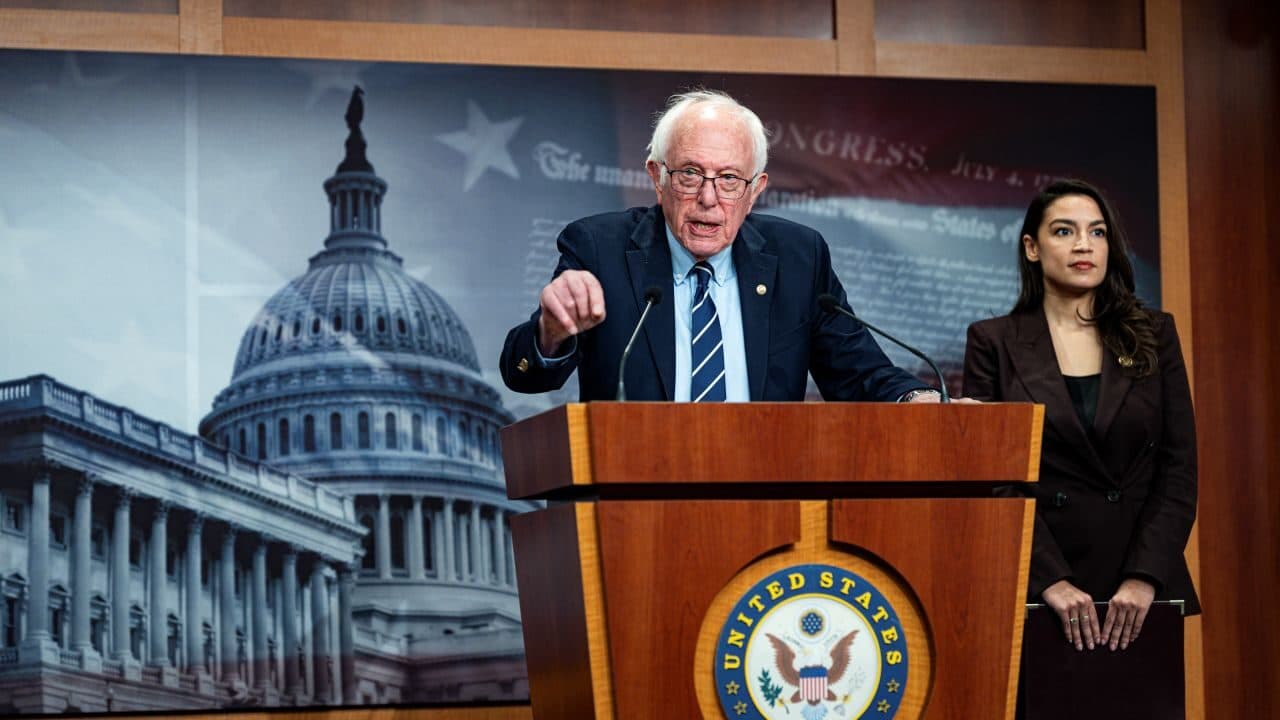
Iran War Deepens Divide Among Democrats Over Arming Israel
WASHINGTON — The Senate on Wednesday blocked a Democratic bid to cancel arms sales to Israel, but the party’s concerns over the war against Iran widened its rift over arming the longtime U.S. ally. “For Netanyahu, Gaza was not enough. Attacking Iran was not enough. Netanyahu is now waging a full-blown war of expansion against Lebanon.” — Sen. Bernie Sanders Progressive senators led by Sen. Bernie Sanders, I-Vt., have long been critical of robust American aid for Israel’s military. But several Democrats who in the past had opposed efforts by Sanders and others to block U.S. arms transfers changed course and registered their disapproval of the sale of armored bulldozers and 12,000 bombs. On Wednesday, 36 Democrats voted to take up a measure that would block the sale of the 1,000-pound bombs, while 40 Democrats voted in favor of a measure to bar the sale of the bulldozers that Israel has used to level entire neighborhoods in the Gaza Strip and Lebanon. Roughly a dozen more Democrats voted for those measures than have voted for similar ones in the past. Republicans voted en masse against taking up the measures. Congress has the power to cancel weapons transfers proposed by the administration, but only if both chambers pass disapproval resolutions and the president signs them, or supermajorities override his veto. Democratic leaders of the effort argued that the Senate must stop the transfer of new weapons to Israel that would support a war that President Donald Trump launched against Iran, in coordination with Prime Minister Benjamin Netanyahu, without congressional authorization and which a majority of Americans oppose. “If we want to rein in a Trump administration that launched an illegal war against Iran, we should also rein in the Netanyahu administration that’s doing exactly the same thing with American taxpayer dollars,” Sen. Chris Van Hollen, D-Md., said ahead of the vote. Democratic Opposition Grows Sanders offered similar resolutions last summer, which Republicans also blocked, and in 2024, with the same outcome. In those cases, about half of Senate Democrats backed his effort. On Wednesday, roughly three-quarters of them did. Among the converts were Sens. Maria Cantwell of Washington; Ruben Gallego and Mark Kelly of Arizona; Alex Padilla and Adam Schiff of California; Elissa Slotkin of Michigan; and Ron Wyden of Oregon. “We oppose actions that further deepen the United States in an unauthorized conflict in Iran — one with no clear strategy, no legal authority, and no defined end,” Padilla and Schiff said in a joint statement. Four Democrats, including Sen. Jack Reed of Rhode Island, the ranking Democrat on the Armed Services Committee, voted to take up the measure blocking the bulldozers, but not the one to block the bombs. The Trump administration had declared an emergency, citing the war in Iran, to bypass Congress and more swiftly transfer the powerful bombs to Israel. The votes came as Israel continued its sweeping military campaign against Lebanon that has killed more than 2,100 people, including civilians and Hezbollah fighters, according to Lebanese authorities. Unchecked US Support for Israel Leads to More Wars: Sanders Sanders criticized Israel for its widespread attacks on civilian centers in Gaza that killed tens of thousands of Palestinians, as well as its blockade of the border that has prevented critical food and medical supplies from reaching residents in the war-torn territory. He also warned that continued unchecked U.S. military support for Israel would lead to more deadly attacks. “For Netanyahu, Gaza was not enough,” Sanders said on the floor. “Attacking Iran was not enough. Netanyahu is now waging a full-blown war of expansion against Lebanon.” Kelly said the joint U.S.-Israeli operation that had widened into a regional war, and led to severe economic fallout, was “not business as usual.” “And it is not making us safer,” he added. “The United States and Israel are fighting a war against Iran without a clear strategy or goal.” Sen. Jim Risch, R-Idaho, the chair of the Foreign Relations Committee, said the measures would “embolden” Iran and “call into question American reliability” in the Middle East. “It would send the message that the United States is prepared to leave our ally Israel vulnerable to further Iranian attacks and put the tens of thousands of Americans living there at risk,” he said. This article originally appeared in The New York Times. — By Megan Mineiro/Tierney L. Cross c.2026 The New York Times Company The post Iran War Deepens Divide Among Democrats Over Arming Israel appeared first on GV Wire.
Iran War Deepens Divide Among Democrats Over Arming Israel
WASHINGTON — The Senate on Wednesday blocked a Democratic bid to cancel arms sales to Israel, but the party’s concerns over the war against Iran widened its rift over arming the longtime U.S. ally. “For Netanyahu, Gaza was not enough. Attacking Iran was not enough. Netanyahu is now waging a full-blown war of expansion against Lebanon.” — Sen. Bernie Sanders Progressive senators led by Sen. Bernie Sanders, I-Vt., have long been critical of robust American aid for Israel’s military. But several Democrats who in the past had opposed efforts by Sanders and others to block U.S. arms transfers changed course and registered their disapproval of the sale of armored bulldozers and 12,000 bombs. On Wednesday, 36 Democrats voted to take up a measure that would block the sale of the 1,000-pound bombs, while 40 Democrats voted in favor of a measure to bar the sale of the bulldozers that Israel has used to level entire neighborhoods in the Gaza Strip and Lebanon. Roughly a dozen more Democrats voted for those measures than have voted for similar ones in the past. Republicans voted en masse against taking up the measures. Congress has the power to cancel weapons transfers proposed by the administration, but only if both chambers pass disapproval resolutions and the president signs them, or supermajorities override his veto. Democratic leaders of the effort argued that the Senate must stop the transfer of new weapons to Israel that would support a war that President Donald Trump launched against Iran, in coordination with Prime Minister Benjamin Netanyahu, without congressional authorization and which a majority of Americans oppose. “If we want to rein in a Trump administration that launched an illegal war against Iran, we should also rein in the Netanyahu administration that’s doing exactly the same thing with American taxpayer dollars,” Sen. Chris Van Hollen, D-Md., said ahead of the vote. Democratic Opposition Grows Sanders offered similar resolutions last summer, which Republicans also blocked, and in 2024, with the same outcome. In those cases, about half of Senate Democrats backed his effort. On Wednesday, roughly three-quarters of them did. Among the converts were Sens. Maria Cantwell of Washington; Ruben Gallego and Mark Kelly of Arizona; Alex Padilla and Adam Schiff of California; Elissa Slotkin of Michigan; and Ron Wyden of Oregon. “We oppose actions that further deepen the United States in an unauthorized conflict in Iran — one with no clear strategy, no legal authority, and no defined end,” Padilla and Schiff said in a joint statement. Four Democrats, including Sen. Jack Reed of Rhode Island, the ranking Democrat on the Armed Services Committee, voted to take up the measure blocking the bulldozers, but not the one to block the bombs. The Trump administration had declared an emergency, citing the war in Iran, to bypass Congress and more swiftly transfer the powerful bombs to Israel. The votes came as Israel continued its sweeping military campaign against Lebanon that has killed more than 2,100 people, including civilians and Hezbollah fighters, according to Lebanese authorities. Unchecked US Support for Israel Leads to More Wars: Sanders Sanders criticized Israel for its widespread attacks on civilian centers in Gaza that killed tens of thousands of Palestinians, as well as its blockade of the border that has prevented critical food and medical supplies from reaching residents in the war-torn territory. He also warned that continued unchecked U.S. military support for Israel would lead to more deadly attacks. “For Netanyahu, Gaza was not enough,” Sanders said on the floor. “Attacking Iran was not enough. Netanyahu is now waging a full-blown war of expansion against Lebanon.” Kelly said the joint U.S.-Israeli operation that had widened into a regional war, and led to severe economic fallout, was “not business as usual.” “And it is not making us safer,” he added. “The United States and Israel are fighting a war against Iran without a clear strategy or goal.” Sen. Jim Risch, R-Idaho, the chair of the Foreign Relations Committee, said the measures would “embolden” Iran and “call into question American reliability” in the Middle East. “It would send the message that the United States is prepared to leave our ally Israel vulnerable to further Iranian attacks and put the tens of thousands of Americans living there at risk,” he said. This article originally appeared in The New York Times. — By Megan Mineiro/Tierney L. Cross c.2026 The New York Times Company The post Iran War Deepens Divide Among Democrats Over Arming Israel appeared first on GV Wire.