6 stories credited to Dallas Express
Latest story Apr 16, 2026 · on ChamberLight since Apr 2026
A story can appear as several articles (copies of the same piece), so counts of stories and of articles differ.
Scores for Dallas Express
Writing quality not enough rated stories yet: 4 of 10. How it is measured
Scores last checked Sep 24, 2026.
Stories ChamberLight collected, by month
Stories credited to Dallas Express, by publication date. ChamberLight collects articles that mention the officials it tracks, so this shows its own coverage of this source, not how much the source publishes.
- Stories from Dallas Express
- Shaded: ChamberLight collected no stories, or almost none, from any outlet (a gap in its collection, not in the outlet’s publishing)
Show as a table
| Month | Stories | All outlets |
|---|---|---|
| March 2026 | 1 | 365 |
| April 2026 | 5 | 4,537 |
| May 2026 | 0 | none collected |
| June 2026 | 0 | none collected |
| July 2026 | 0 | none collected |
| August 2026 | 0 | 1 (collection gap) |
| September 2026 | 0 | 598 |
Top topics
Share of this source’s stories tagged with each topic. A story can carry several topics, so the shares do not add up to 100%.
- Ethics/Corruption5
83% of 6 stories · 62% across all outlets
- Budget/Spending2
33% of 6 stories · 33% across all outlets
- Criminal Justice2
33% of 6 stories · 20% across all outlets
- Defense/Military2
33% of 6 stories · 26% across all outlets
- Economy2
33% of 6 stories · 26% across all outlets
- Technology/Privacy2
33% of 6 stories · 10% across all outlets
- Foreign Policy1
17% of 6 stories · 30% across all outlets
- Housing1
17% of 6 stories · 1% across all outlets
The thin mark on each bar is the topic’s share across all outlets.
Who they cover
Party of the officials these stories are mainly about, across all 11 officials named. A story counts once for each official it is mainly about, so the split is over 11 story–official pairs, from 6 stories.
- Republican64% · 7 pairs
- Democrat27% · 3 pairs
- Party not recorded9% · 1 pair
Most covered
Stories mainly about each official, and their share of the source’s 6 stories.
- 1Donald TrumpR1 story · 17%
- 2Eric SwalwellD1 story · 17%
- 3J. HillR1 story · 17%
- 4Jim JordanR1 story · 17%
- 5John Schlossberg–1 story · 17%
- 6Maxine WatersD1 story · 17%
- 7Mike JohnsonR1 story · 17%
- 8Pete HegsethR1 story · 17%
- 9Ted CruzR1 story · 17%
- 10Tony GonzalesR1 story · 17%
+ 1 other official (1 story–official pair)
Article tone
ChamberLight’s article analysis assigns each story a tone toward the official it covers. It describes the coverage of that official, not Dallas Express’s stance, and reader votes do not change it. 6 stories.
- Good Look
- 0 (0%)
- Mixed
- 4 (67%)
- Informational
- 1 (17%)
- Bad Look
- 1 (17%)
Challenges to these scores
No one has challenged a score on this page yet. Anyone can; editors publish every outcome here.
Articles served from dallasexpress.com
11
What Is FISA 702? Trump Pushes For Clean Extension Of Surveillance Powers
A last-minute push by President Donald Trump for a clean extension of a key surveillance law is intensifying divisions in Congress days before its expiration. On April 15, Trump urged House Republicans to unite behind a clean renewal of Section 702 of the Foreign Intelligence Surveillance Act, escalating a high-stakes debate that has split lawmakers across party lines over national security and civil liberties. Trump posted on social media that he is “…working very hard with our Great Speaker, Mike Johnson, along with Chairman Jim Jordan and Chairman Rick Crawford, to get a clean extension of FISA 702 through the House of Representatives this week,” adding that “Our Military Patriots desperately need FISA 702… It has already prevented MANY such Attacks.” "I am working very hard with our Great Speaker, Mike Johnson, along with Chairman Jim Jordan and Chairman Rick Crawford, to get a clean extension of FISA 702 through the House of Representatives this week…" – President Donald J. Trump pic.twitter.com/p0eM201xGr — The White House (@WhiteHouse) April 14, 2026 What is Section 702? Section 702 of the Foreign Intelligence Surveillance Act (FISA), enacted in 2008, authorizes U.S. intelligence agencies to collect electronic communications (such as emails, texts, and calls) of non-U.S. persons located outside the United States for foreign intelligence purposes, per the Brennan Center for Justice at New York University School of Law. The program targets foreigners abroad but can incidentally collect communications involving Americans when they interact with those targets. It does not require individual court warrants for each foreign target, though the Foreign Intelligence Surveillance Court approves annual procedures. What does a “clean” extension (or clean reauthorization) mean? A “clean” extension means renewing Section 702 for a set period—typically 18 months in the current debate—without adding any new reforms, such as a warrant requirement for searching Americans’ data (“backdoor searches”), stronger oversight rules, or limits on how the government uses commercially purchased data. It simply keeps the existing law in place as-is, avoiding changes demanded by privacy advocates, per the CATO Institute. Trump Urges Clean Renewal of Section 702 as Deadline Looms Trump framed the surveillance authority as essential to counterterrorism and military operations, arguing he was “willing to risk the giving up of my Rights and Privileges as a Citizen” to maintain it. His position marks a notable shift from earlier criticism of FISA authorities following investigations into his 2016 campaign. The push comes as Section 702 is set to expire on April 20, prompting a scramble in Congress and among intelligence officials, who warn of potential national security gaps if the law lapses. Some officials have said the program underpins a majority of items in the President’s daily intelligence briefing and has been used to disrupt terrorist plots, cyberattacks, and drug trafficking operations, according to reporting from National Public Radio. Trump’s call for a clean extension, without added safeguards, is facing resistance from a coalition of lawmakers and advocacy groups who argue the program enables warrantless surveillance of Americans. An email circulated March 1 by Campaign for Liberty, founded by former Texas Congressman Ron Paul, urged supporters to oppose renewal without reforms, stating, “Under FISA Section 702, your data is surreptitiously swept up into a Surveillance State database and used against you by the Deep State.” The group called for a warrant requirement and warned that “we’ve worked TOO hard and come TOO close to winning to back down now!” Civil liberties organizations have echoed those concerns. Section 702 “has allowed the government to evade privacy protections and spy on Americans,” according to an analysis published by the Brennan Center for Justice. The group argued that while the law targets foreigners abroad, it “incidentally” collects large volumes of Americans’ communications and allows agencies to conduct warrantless “backdoor searches.” Documented compliance issues compound these concerns. The Foreign Intelligence Surveillance Court found in 2022 that violations tied to FBI queries of Section 702 data were “persistent and widespread,” while more recent reporting has indicated ongoing issues with tracking such searches. Advocates for reform say requiring a warrant before searching Americans’ data would close what they view as a constitutional loophole. “There’s simply no excuse for any Member of Congress to support a ‘clean’ reauthorization of Section 702,” The Electronic Frontier Foundation said in a recent article. Emerging Tech Risks and Deep Congressional Divide At the same time, some lawmakers are raising new alarms about how emerging technologies could expand surveillance capabilities. The growing use of artificial intelligence to analyze large datasets is “increasing the risk of unconstitutional government overreach,” Senator Cynthia Lummis (R-WY) said in a statement, per Politico. Others, including Sen. Ron Wyden (D-OR), have warned that renewing the law without new guardrails while allowing agencies to purchase and analyze Americans’ data could enable “unprecedented mass surveillance,” according to the same report. Despite these concerns, national security officials continue to press for reauthorization, arguing that any lapse — even temporary — could disrupt intelligence collection. Some communications industry representatives have reportedly warned that their companies may stop cooperating if the law expires, citing legal liability concerns, CNN reported. Section 702 was last renewed in 2024, The Dallas Express reported at the time. The current divide has left congressional leaders navigating three competing factions: those backing Trump’s call for a clean extension, those demanding reforms such as warrant requirements, and those willing to let the authority lapse entirely. With days remaining before the deadline, it remains unclear whether House leadership can secure enough votes to pass any version of the renewal, or whether the long-running fight over surveillance and privacy will once again go down to the wire. The post What Is FISA 702? Trump Pushes For Clean Extension Of Surveillance Powers appeared first on Dallas Express.
What Is FISA 702? Trump Pushes For Clean Extension Of Surveillance Powers
A last-minute push by President Donald Trump for a clean extension of a key surveillance law is intensifying divisions in Congress days before its expiration. On April 15, Trump urged House Republicans to unite behind a clean renewal of Section 702 of the Foreign Intelligence Surveillance Act, escalating a high-stakes debate that has split lawmakers across party lines over national security and civil liberties. Trump posted on social media that he is “…working very hard with our Great Speaker, Mike Johnson, along with Chairman Jim Jordan and Chairman Rick Crawford, to get a clean extension of FISA 702 through the House of Representatives this week,” adding that “Our Military Patriots desperately need FISA 702… It has already prevented MANY such Attacks.” "I am working very hard with our Great Speaker, Mike Johnson, along with Chairman Jim Jordan and Chairman Rick Crawford, to get a clean extension of FISA 702 through the House of Representatives this week…" – President Donald J. Trump pic.twitter.com/p0eM201xGr — The White House (@WhiteHouse) April 14, 2026 What is Section 702? Section 702 of the Foreign Intelligence Surveillance Act (FISA), enacted in 2008, authorizes U.S. intelligence agencies to collect electronic communications (such as emails, texts, and calls) of non-U.S. persons located outside the United States for foreign intelligence purposes, per the Brennan Center for Justice at New York University School of Law. The program targets foreigners abroad but can incidentally collect communications involving Americans when they interact with those targets. It does not require individual court warrants for each foreign target, though the Foreign Intelligence Surveillance Court approves annual procedures. What does a “clean” extension (or clean reauthorization) mean? A “clean” extension means renewing Section 702 for a set period—typically 18 months in the current debate—without adding any new reforms, such as a warrant requirement for searching Americans’ data (“backdoor searches”), stronger oversight rules, or limits on how the government uses commercially purchased data. It simply keeps the existing law in place as-is, avoiding changes demanded by privacy advocates, per the CATO Institute. Trump Urges Clean Renewal of Section 702 as Deadline Looms Trump framed the surveillance authority as essential to counterterrorism and military operations, arguing he was “willing to risk the giving up of my Rights and Privileges as a Citizen” to maintain it. His position marks a notable shift from earlier criticism of FISA authorities following investigations into his 2016 campaign. The push comes as Section 702 is set to expire on April 20, prompting a scramble in Congress and among intelligence officials, who warn of potential national security gaps if the law lapses. Some officials have said the program underpins a majority of items in the President’s daily intelligence briefing and has been used to disrupt terrorist plots, cyberattacks, and drug trafficking operations, according to reporting from National Public Radio. Trump’s call for a clean extension, without added safeguards, is facing resistance from a coalition of lawmakers and advocacy groups who argue the program enables warrantless surveillance of Americans. An email circulated March 1 by Campaign for Liberty, founded by former Texas Congressman Ron Paul, urged supporters to oppose renewal without reforms, stating, “Under FISA Section 702, your data is surreptitiously swept up into a Surveillance State database and used against you by the Deep State.” The group called for a warrant requirement and warned that “we’ve worked TOO hard and come TOO close to winning to back down now!” Civil liberties organizations have echoed those concerns. Section 702 “has allowed the government to evade privacy protections and spy on Americans,” according to an analysis published by the Brennan Center for Justice. The group argued that while the law targets foreigners abroad, it “incidentally” collects large volumes of Americans’ communications and allows agencies to conduct warrantless “backdoor searches.” Documented compliance issues compound these concerns. The Foreign Intelligence Surveillance Court found in 2022 that violations tied to FBI queries of Section 702 data were “persistent and widespread,” while more recent reporting has indicated ongoing issues with tracking such searches. Advocates for reform say requiring a warrant before searching Americans’ data would close what they view as a constitutional loophole. “There’s simply no excuse for any Member of Congress to support a ‘clean’ reauthorization of Section 702,” The Electronic Frontier Foundation said in a recent article. Emerging Tech Risks and Deep Congressional Divide At the same time, some lawmakers are raising new alarms about how emerging technologies could expand surveillance capabilities. The growing use of artificial intelligence to analyze large datasets is “increasing the risk of unconstitutional government overreach,” Senator Cynthia Lummis (R-WY) said in a statement, per Politico. Others, including Sen. Ron Wyden (D-OR), have warned that renewing the law without new guardrails while allowing agencies to purchase and analyze Americans’ data could enable “unprecedented mass surveillance,” according to the same report. Despite these concerns, national security officials continue to press for reauthorization, arguing that any lapse — even temporary — could disrupt intelligence collection. Some communications industry representatives have reportedly warned that their companies may stop cooperating if the law expires, citing legal liability concerns, CNN reported. Section 702 was last renewed in 2024, The Dallas Express reported at the time. The current divide has left congressional leaders navigating three competing factions: those backing Trump’s call for a clean extension, those demanding reforms such as warrant requirements, and those willing to let the authority lapse entirely. With days remaining before the deadline, it remains unclear whether House leadership can secure enough votes to pass any version of the renewal, or whether the long-running fight over surveillance and privacy will once again go down to the wire. The post What Is FISA 702? Trump Pushes For Clean Extension Of Surveillance Powers appeared first on Dallas Express.
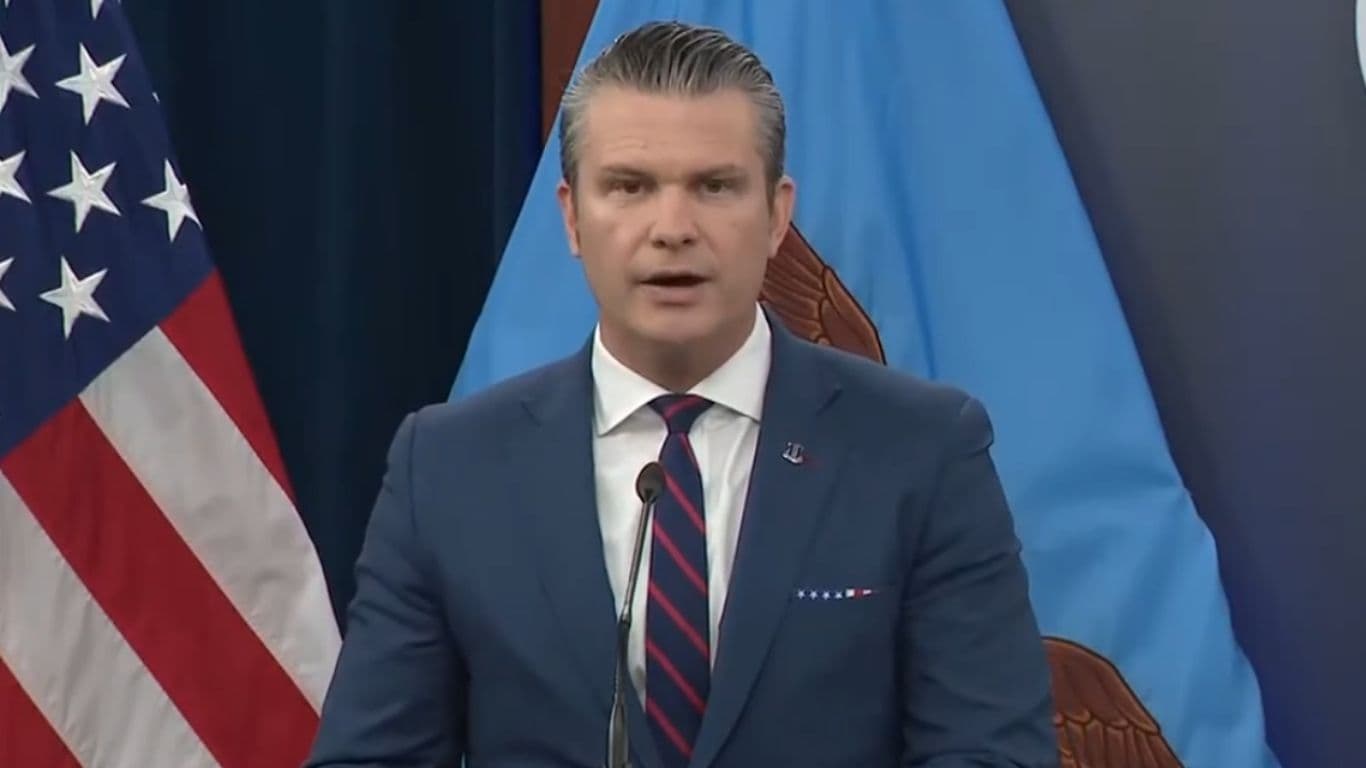
House Democrats File 5 Articles of Impeachment Against Secretary Of War Pete Hegseth
House Democrats plan to introduce five articles of impeachment against Secretary of War Pete Hegseth on Wednesday, accusing him of abuse of power, war crimes, and other serious wrongdoing. The resolution has virtually no chance of passing the Republican-controlled Congress, but it signals that Democrats have coalesced around Hegseth as their top target in President Donald Trump’s Cabinet. The party previously pushed to impeach former Homeland Security Secretary Kristi Noem and former Attorney General Pam Bondi, both of whom were later ousted by Trump. The seven-page measure, first obtained by Axios, focuses primarily on U.S. military operations in Iran, the Signalgate scandal, and Hegseth’s alleged personal misconduct. It is being introduced by Rep. Yassamin Ansari (D-AZ), president of the House Democrats’ freshman class and the first Iranian-American Democrat elected to Congress. Eight Democrats are co-sponsoring: Reps. Steve Cohen of Tennessee, Jasmine Crockett of Texas, Nikema Williams of Georgia, Dina Titus of Nevada, David Min of California, Shri Thanedar of Michigan, Brittany Pettersen of Colorado, and Sarah McBride of Delaware. Article 1 accuses Hegseth of “unauthorized war against Iran and reckless endangerment of United States service members” for launching strikes without congressional approval and signing off on plans that involved “extreme and unnecessary risk” to U.S. personnel, including consideration of ground operations. Article 2 charges him with “violations of the Law of Armed Conflict and targeting of civilians.” It says he “authorized, condoned, or failed to prevent” operations resulting in “large numbers of civilian casualties and the destruction of civilian infrastructure in Iran,” citing the alleged U.S. bombing of a girls’ school in Minab, Iran, and double-tap strikes on alleged Venezuelan drug boats in the Caribbean. It also references Hegseth’s statement that the U.S. will have “no quarter, no mercy for our enemies,” saying the comments raise “serious concerns of violations of the Geneva Conventions.” Article 3 addresses “negligence and reckless handling of sensitive military information” in the Signalgate scandal, in which Atlantic editor Jeff Goldberg was accidentally added to a Signal chat where Hegseth and other officials discussed strikes in Yemen. It says Hegseth “has demonstrated gross negligence” that “placed United States personnel at risk.” Article 4 alleges “obstruction of congressional oversight,” claiming Hegseth failed to provide “timely and complete information regarding military operations” and withheld “material facts relating to civilian casualties and operational conduct in Iran, Venezuela, and other military theaters.” Article 5 accuses him of “conduct bringing disrepute upon the United States and its armed forces.” It says Hegseth “acted in a manner contrary to the public trust” and “shaken public confidence in the integrity and ability” of the Pentagon, citing the administration’s criticism of NATO, rollback of DEI and affirmative action programs, and restrictions on transgender service members. Pentagon press secretary Kingsley Wilson dismissed the resolution as a political stunt. “This is just another Democrat trying to make headlines as the Department of War decisively and overwhelmingly achieved the President’s objectives in Iran,” Wilson said in a statement, adding that Hegseth “will continue to protect the homeland and project peace through strength.” “This is just another charade in an attempt to distract the American people from the major successes we have had here at the Department of War,” Wilson added. The post House Democrats File 5 Articles of Impeachment Against Secretary Of War Pete Hegseth appeared first on Dallas Express.
House Democrats File 5 Articles of Impeachment Against Secretary Of War Pete Hegseth
House Democrats plan to introduce five articles of impeachment against Secretary of War Pete Hegseth on Wednesday, accusing him of abuse of power, war crimes, and other serious wrongdoing. The resolution has virtually no chance of passing the Republican-controlled Congress, but it signals that Democrats have coalesced around Hegseth as their top target in President Donald Trump’s Cabinet. The party previously pushed to impeach former Homeland Security Secretary Kristi Noem and former Attorney General Pam Bondi, both of whom were later ousted by Trump. The seven-page measure, first obtained by Axios, focuses primarily on U.S. military operations in Iran, the Signalgate scandal, and Hegseth’s alleged personal misconduct. It is being introduced by Rep. Yassamin Ansari (D-AZ), president of the House Democrats’ freshman class and the first Iranian-American Democrat elected to Congress. Eight Democrats are co-sponsoring: Reps. Steve Cohen of Tennessee, Jasmine Crockett of Texas, Nikema Williams of Georgia, Dina Titus of Nevada, David Min of California, Shri Thanedar of Michigan, Brittany Pettersen of Colorado, and Sarah McBride of Delaware. Article 1 accuses Hegseth of “unauthorized war against Iran and reckless endangerment of United States service members” for launching strikes without congressional approval and signing off on plans that involved “extreme and unnecessary risk” to U.S. personnel, including consideration of ground operations. Article 2 charges him with “violations of the Law of Armed Conflict and targeting of civilians.” It says he “authorized, condoned, or failed to prevent” operations resulting in “large numbers of civilian casualties and the destruction of civilian infrastructure in Iran,” citing the alleged U.S. bombing of a girls’ school in Minab, Iran, and double-tap strikes on alleged Venezuelan drug boats in the Caribbean. It also references Hegseth’s statement that the U.S. will have “no quarter, no mercy for our enemies,” saying the comments raise “serious concerns of violations of the Geneva Conventions.” Article 3 addresses “negligence and reckless handling of sensitive military information” in the Signalgate scandal, in which Atlantic editor Jeff Goldberg was accidentally added to a Signal chat where Hegseth and other officials discussed strikes in Yemen. It says Hegseth “has demonstrated gross negligence” that “placed United States personnel at risk.” Article 4 alleges “obstruction of congressional oversight,” claiming Hegseth failed to provide “timely and complete information regarding military operations” and withheld “material facts relating to civilian casualties and operational conduct in Iran, Venezuela, and other military theaters.” Article 5 accuses him of “conduct bringing disrepute upon the United States and its armed forces.” It says Hegseth “acted in a manner contrary to the public trust” and “shaken public confidence in the integrity and ability” of the Pentagon, citing the administration’s criticism of NATO, rollback of DEI and affirmative action programs, and restrictions on transgender service members. Pentagon press secretary Kingsley Wilson dismissed the resolution as a political stunt. “This is just another Democrat trying to make headlines as the Department of War decisively and overwhelmingly achieved the President’s objectives in Iran,” Wilson said in a statement, adding that Hegseth “will continue to protect the homeland and project peace through strength.” “This is just another charade in an attempt to distract the American people from the major successes we have had here at the Department of War,” Wilson added. The post House Democrats File 5 Articles of Impeachment Against Secretary Of War Pete Hegseth appeared first on Dallas Express.

“Microscopic Damage” Or Microscopic Scam? JFK’s Grandson Takes On Hertz’s AI
A congressional candidate is urging the Federal Trade Commission (FTC) to investigate Hertz’s use of artificial intelligence to charge customers for vehicle damage automatically. New York Democratic congressional candidate Jack Schlossberg called on the FTC to examine whether the company’s AI-powered vehicle inspection system constitutes an unfair practice. The agency pushed back sharply, stating it does not respond to political demands and declined to comment on any potential investigation. Schlossberg is the only living male heir of former President John F. Kennedy, who previously launched a 2026 congressional campaign in New York, as reported by The Dallas Express. “We do not ‘receive’ demands from political candidates and I am completely unfamiliar with anything that individual has ever said, nor do I have any desire to begin,” FTC Director of Public Affairs Joseph Simonson told The Dallas Express via email. “As per the actual issue at hand, we do not disclose the status or existence of any investigations. Out of curiosity, what did the last administration do on this issue?” Schlossberg Blasts Hertz AI for Detecting “Microscopic Damage” and Overcharging Customers Schlossberg released a video on April 13, 2026, criticizing Hertz’s use of AI scanning technology. In the video, he claimed the system can detect “microscopic damage invisible to the naked human eye” and warned it could be used to “nickel and dime and squeeze consumers.” “The FTC needs to find out whether or not this constitutes an unfair practice and whether or not consumers have a meaningful opportunity to dispute these charges,” Schlossberg said. He added that if he is elected to Congress, he would introduce legislation on the matter. The company has previously said in a press release that the technology—developed in partnership with Israeli firm UVeye—is intended to improve transparency and accuracy in identifying vehicle damage. The system scans cars before and after rentals and automatically generates reports and charges if new damage is detected. More than 97% of vehicles scanned show no billable damage, according to a company statement reported by USA Today, which said the goal is to ensure customers are not charged for damage they did not cause while increasing “transparency, precision, and speed.” Still, concerns about the system are not new. Lawmakers, including Representative Nancy Mace (R-SC), have previously questioned whether fully automated damage assessments, particularly those issued without human review, could create challenges for consumers trying to dispute charges. Reports have described cases in which customers were billed hundreds of dollars for relatively minor damage and had difficulty reaching a human representative. One customer was charged $440 for a wheel scuff and said the system encouraged quick payment by offering limited-time discounts, according to The Drive. Schlossberg’s Hertz AI Complaint Lands Amid Rising FTC Scrutiny of Artificial Intelligence Schlossberg’s call for action comes as federal regulators have increasingly scrutinized artificial intelligence across industries. While the specific Hertz issue did not exist during the prior administration, the FTC took action against companies over AI-related practices through initiatives such as “Operation AI Comply.” That enforcement sweep targeted firms accused of using AI to engage in deceptive or unfair conduct, including misleading claims about AI capabilities and tools that allegedly enabled fraud. Then-FTC Chairwoman Lina Khan also warned that there is “no AI exemption” from existing consumer protection laws and that companies can face penalties for deploying automated systems that harm consumers. In a 2023 joint statement, federal agencies, including the FTC, pledged to monitor AI systems and enforce laws against unfair or deceptive practices, citing risks such as fraud, discrimination, and lack of transparency. While the current administration has reportedly set aside enforcement actions from its predecessor, the FTC continued some actions and, in April 2025, approved a final order requiring a firm to pay $1 million for allegedly misrepresenting the capabilities of its AI products. Whether Hertz’s use of AI scanning technology rises to that level remains unclear, and the FTC indicated it would not publicly confirm or deny any investigation. Hertz did not respond to a request for comment from The Dallas Express. The post “Microscopic Damage” Or Microscopic Scam? JFK’s Grandson Takes On Hertz’s AI appeared first on Dallas Express.
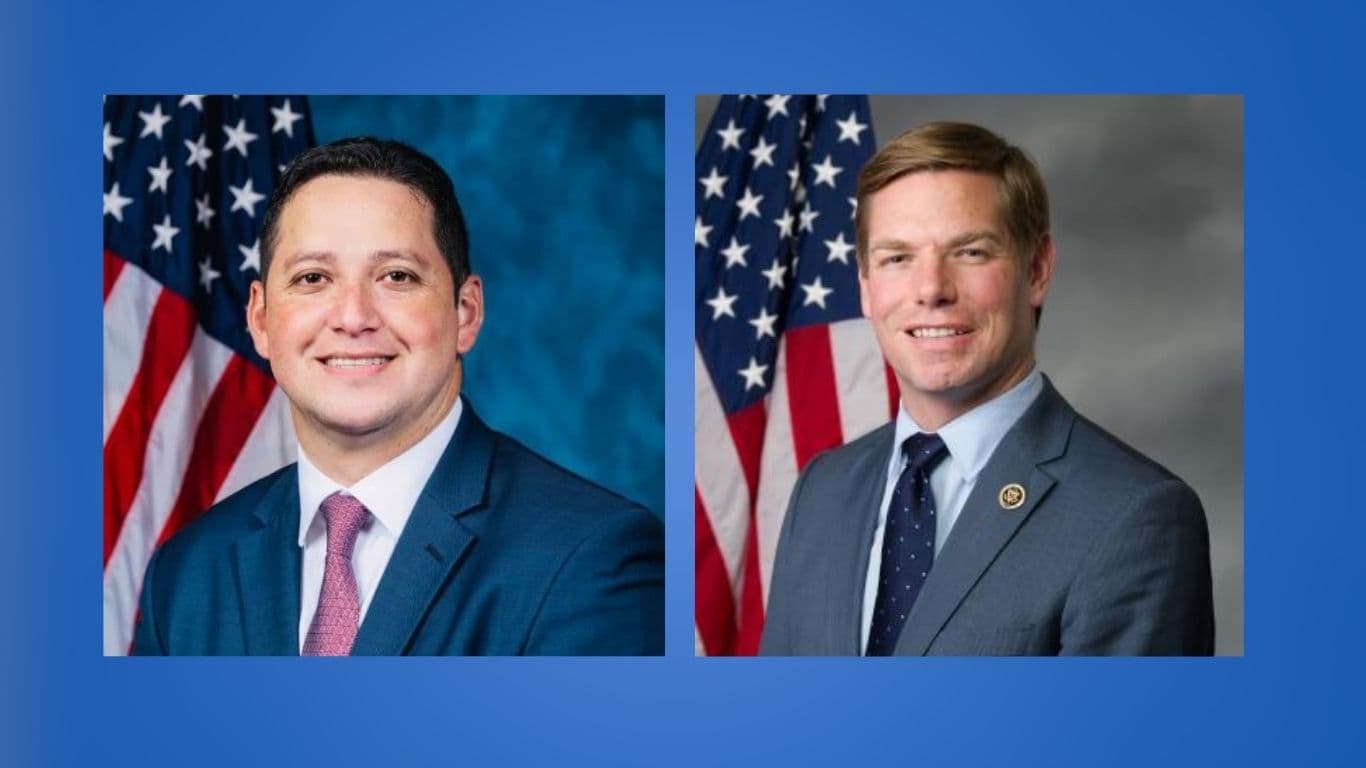
Bipartisan Exodus: Swalwell And Gonzales Resign From Congress Over Sexual Misconduct Allegations
Rep. Tony Gonzales (R-TX) announced on Monday that he would resign from Congress, officially filing his retirement on Tuesday, just days before a potential expulsion vote that could have made him the seventh member ever removed from the House. Gonzales had been under investigation by the House Ethics Committee over a relationship with a former senior aide in his office. He acknowledged an affair with the former staffer, who later died by suicide, as covered by The Dallas Express. Minutes before Gonzales’ announcement, Rep. Eric Swalwell (D-CA) said he would also resign. Both lawmakers had faced mounting pressure from colleagues over separate allegations of sexual misconduct involving former staffers. Swalwell, who dropped his bid for California governor after the allegations surfaced, said in a statement that he took responsibility for mistakes but would fight what he called false claims. “I am deeply sorry to my family, staff, and constituents for mistakes in judgment I’ve made in my past,” Swalwell posted. “I will fight the serious, false allegations made against me. However, I must take responsibility and ownership for the mistakes I did make.” He added, “I am aware of efforts to bring an immediate expulsion vote against me and other members. Expelling anyone in Congress without due process, within days of an allegation being made, is wrong. But it’s also wrong for my constituents to have me distracted from my duties. Therefore, I plan to resign my seat in Congress.” pic.twitter.com/JbKgSORgu4 — Rep. Eric Swalwell (@RepSwalwell) April 13, 2026 Gonzales posted on X: “There is a season for everything and God has a plan for us all. When Congress returns tomorrow, I will file my retirement from office. It has been my privilege to serve the great people of Texas.” There is a season for everything and God has a plan for us all. When Congress returns tomorrow, I will file my retirement from office. It has been my privilege to serve the great people of Texas. — Rep. Tony Gonzales (@RepTonyGonzales) April 13, 2026 The resignations came as the House prepared to return from Easter recess Tuesday with a slim Republican majority of 219-214. House leaders in both parties had privately resisted expulsion votes, which have happened only six times in history, but a bipartisan plan had emerged for dueling resolutions: Rep. Anna Paulina Luna (R-FL), targeting Swalwell, and Rep. Teresa Leger Fernández (D-NM) targeting Gonzales. The goal was to remove one member from each party without shifting the balance of power. Luna had escalated pressure on Tuesday morning, writing on X that she would move forward with an expulsion resolution against Swalwell if he had not formally resigned with the Clerk of the House by 2 p.m. “If Congressman Swalwell has not resigned with the Clerk of the House by 2 PM today, I will continue my resolution regarding his expulsion,” Luna wrote. “His statement about his ‘plan to resign his seat’ is not binding and is wormy. The same goes for Tony.” If Congressman Swalwell has not resigned with the Clerk of the House by 2 PM today, I will continue my resolution regarding his expulsion. His statement about his “plan to resign his seat” is not binding and is wormy. The same goes for Tony. — Rep. Anna Paulina Luna (@RepLuna) April 14, 2026 On Tuesday afternoon, Luna posted on X that she had been notified that Swalwell had officially submitted his resignation to the House Clerk, effective immediately. I have just been notified that Eric Swalwell has officially submitted his resignation to the House Clerk. Effective immediately. — Rep. Anna Paulina Luna (@RepLuna) April 14, 2026 House Speaker Mike Johnson (R-LA) said Tuesday that both men made the right decision. “I do,” Johnson said when asked whether he believes the lawmakers acted appropriately, Fox News reported. “My views have been known about the terrible allegations that were made and obviously the facts that they both admitted to, and I think it was the appropriate thing.” The departures marked a sudden end to a months-long saga. Gonzales had already dropped his reelection bid at the urging of GOP leaders but had remained in office until Monday. Swalwell, first elected in 2013, had faced at least four women’s accusations of sexual misconduct, including claims from a former aide. He has denied the most serious allegations. The post Bipartisan Exodus: Swalwell And Gonzales Resign From Congress Over Sexual Misconduct Allegations appeared first on Dallas Express.
Bipartisan Exodus: Swalwell And Gonzales Resign From Congress Over Sexual Misconduct Allegations
Rep. Tony Gonzales (R-TX) announced on Monday that he would resign from Congress, officially filing his retirement on Tuesday, just days before a potential expulsion vote that could have made him the seventh member ever removed from the House. Gonzales had been under investigation by the House Ethics Committee over a relationship with a former senior aide in his office. He acknowledged an affair with the former staffer, who later died by suicide, as covered by The Dallas Express. Minutes before Gonzales’ announcement, Rep. Eric Swalwell (D-CA) said he would also resign. Both lawmakers had faced mounting pressure from colleagues over separate allegations of sexual misconduct involving former staffers. Swalwell, who dropped his bid for California governor after the allegations surfaced, said in a statement that he took responsibility for mistakes but would fight what he called false claims. “I am deeply sorry to my family, staff, and constituents for mistakes in judgment I’ve made in my past,” Swalwell posted. “I will fight the serious, false allegations made against me. However, I must take responsibility and ownership for the mistakes I did make.” He added, “I am aware of efforts to bring an immediate expulsion vote against me and other members. Expelling anyone in Congress without due process, within days of an allegation being made, is wrong. But it’s also wrong for my constituents to have me distracted from my duties. Therefore, I plan to resign my seat in Congress.” pic.twitter.com/JbKgSORgu4 — Rep. Eric Swalwell (@RepSwalwell) April 13, 2026 Gonzales posted on X: “There is a season for everything and God has a plan for us all. When Congress returns tomorrow, I will file my retirement from office. It has been my privilege to serve the great people of Texas.” There is a season for everything and God has a plan for us all. When Congress returns tomorrow, I will file my retirement from office. It has been my privilege to serve the great people of Texas. — Rep. Tony Gonzales (@RepTonyGonzales) April 13, 2026 The resignations came as the House prepared to return from Easter recess Tuesday with a slim Republican majority of 219-214. House leaders in both parties had privately resisted expulsion votes, which have happened only six times in history, but a bipartisan plan had emerged for dueling resolutions: Rep. Anna Paulina Luna (R-FL), targeting Swalwell, and Rep. Teresa Leger Fernández (D-NM) targeting Gonzales. The goal was to remove one member from each party without shifting the balance of power. Luna had escalated pressure on Tuesday morning, writing on X that she would move forward with an expulsion resolution against Swalwell if he had not formally resigned with the Clerk of the House by 2 p.m. “If Congressman Swalwell has not resigned with the Clerk of the House by 2 PM today, I will continue my resolution regarding his expulsion,” Luna wrote. “His statement about his ‘plan to resign his seat’ is not binding and is wormy. The same goes for Tony.” If Congressman Swalwell has not resigned with the Clerk of the House by 2 PM today, I will continue my resolution regarding his expulsion. His statement about his “plan to resign his seat” is not binding and is wormy. The same goes for Tony. — Rep. Anna Paulina Luna (@RepLuna) April 14, 2026 On Tuesday afternoon, Luna posted on X that she had been notified that Swalwell had officially submitted his resignation to the House Clerk, effective immediately. I have just been notified that Eric Swalwell has officially submitted his resignation to the House Clerk. Effective immediately. — Rep. Anna Paulina Luna (@RepLuna) April 14, 2026 House Speaker Mike Johnson (R-LA) said Tuesday that both men made the right decision. “I do,” Johnson said when asked whether he believes the lawmakers acted appropriately, Fox News reported. “My views have been known about the terrible allegations that were made and obviously the facts that they both admitted to, and I think it was the appropriate thing.” The departures marked a sudden end to a months-long saga. Gonzales had already dropped his reelection bid at the urging of GOP leaders but had remained in office until Monday. Swalwell, first elected in 2013, had faced at least four women’s accusations of sexual misconduct, including claims from a former aide. He has denied the most serious allegations. The post Bipartisan Exodus: Swalwell And Gonzales Resign From Congress Over Sexual Misconduct Allegations appeared first on Dallas Express.

Walz and Ellison Impeachment Hearings Set For April 15: Fraud Scandal Takes Center Stage
The Minnesota House Freedom Caucus announced on Friday that the long-anticipated impeachment hearings against the state’s governor, Tim Walz, and Attorney General Keith Ellison are officially scheduled to begin next week, on April 15, at the State Capitol in St. Paul. The hearings are a major milestone in a months-long effort by Republican lawmakers to hold Walz accountable for what they call “corrupt conduct” and a systemic failure to address billions of dollars in fraud across Minnesota’s social service programs, as covered by The Dallas Express. The Minnesota Freedom Caucus formally filed articles of impeachment against Walz in January, accusing the governor of violating his constitutional oath by engaging in corruption and failing to “faithfully execute state law.” State Reps introduced the articles. Ben Davis, Mike Wiener, and Drew Roach argued that the scale of alleged fraud in Minnesota’s benefit programs represents one of the biggest government failures in history. The Fraud Federal prosecutors have estimated that fraud in Minnesota’s social services programs – primarily Medicaid and other aid programs – since 2018 could total $9 billion or more, as previously reported by The Dallas Express. Much of that money was intended for programs serving children, disabled residents, and families in need. In December of 2025, a group claiming to represent more than 480 current Minnesota Department of Human Services employees publicly accused Walz of ignoring repeated fraud warnings and retaliating against staff who raised any alarms. The employees alleged their concerns were met with “monitoring, threats, repression,” and efforts to discredit any internal reports of fraud. When Walz appeared before the House Oversight and Government Reform Committee in March, Rep. Jim Jordan (R-OH) confronted him directly over the Feeding Our Future scandal – the now-defunct nonprofit at the center of what prosecutors call the largest COVID-era fraud in the country, involving nearly $300 million in stolen funds meant to feed kids. Jordan accused Walz of misrepresenting why payments to the fraud-linked nonprofit were resumed, or “unfrozen,” in 2021. “Either you’re lying, or the court’s lying,” Jordan told Walz when grilling him over the fraud payments, The Dallas Express reported at the time. The committee’s own report, titled “The Cost of Doing Nothing: How Tim Walz and Keith Ellison Fueled Minnesota’s Fraud Explosion,” concluded that both men were aware of the widespread fraud in federally funded programs as early as 2019. If the Republican-led Minnesota House passes the impeachment articles with a simple majority, the process would move to the Democrat-controlled State Senate. There, it would take a two-thirds vote to convict and remove Walz from office. Given how the Senate is split, that outcome seems pretty unlikely – but Republicans could still say the hearings serve as a valuable way to hold him accountable and air out the issues publicly. Notable Impeachments in American History Here’s a look at other prominent politicians in American history who have faced impeachment trials or hearings: Samuel Chase (Supreme Court Justice) — Impeachment trial, 1804–1805; acquitted by the Senate, setting an important precedent against using impeachment to settle political disputes. Andrew Johnson — Impeachment trial, March–May 1868; acquitted by the Senate, with the final votes on May 16 and May 26 falling one vote short of the two-thirds needed to convict. Richard Nixon — House Judiciary Committee impeachment hearings, July–August 1974; resigned the presidency on August 9 before the full House voted. Bill Clinton — Impeachment trial, January–February 1999; acquitted by the Senate on both articles (perjury and obstruction of justice). Rod Blagojevich (IL Governor) — Impeachment trial, January 2009; convicted and removed from office by the Illinois Senate. Donald Trump (First) — Impeachment trial, January–February 2020; acquitted by the Senate on both articles (abuse of power and obstruction of Congress). Donald Trump (Second) — Impeachment trial, February 2021; acquitted by the Senate on the charge of incitement of insurrection. The post Walz and Ellison Impeachment Hearings Set For April 15: Fraud Scandal Takes Center Stage appeared first on Dallas Express.

Big Investors Banned From Buying Homes? What The New Housing Bill Really Means
A sweeping bipartisan housing bill aimed at tackling America’s shortage is advancing in Congress but faces sharp disagreement over whether it will truly boost supply or inadvertently constrain it. The “21st Century ROAD to Housing Act” — combining elements of the House-passed “Housing for the 21st Century Act” sponsored by Rep. French Hill (R-AR) and the Senate version — has passed both chambers in different forms and now moves to a conference committee to reconcile key differences, including controversial limits on large institutional investors in single-family homes. The legislation is a broad policy package designed to address the nation’s housing shortage, with provisions to expand manufactured and modular housing, streamline certain federal regulations, and incentivize local governments to increase housing supply. It does not appropriate new federal funding but instead focuses on regulatory and structural changes. A key provision in the Senate version would restrict large institutional investors, defined as entities controlling 350 or more single-family homes, from purchasing additional single-family properties. While the bill allows exceptions for newly built “build-to-rent” communities, those homes would have to be sold to individual buyers within seven years, a requirement that has become a central point of contention. Supporters argue the bill represents a significant step toward “housing affordability” and fairness in the housing market. “This Congress, the House has passed bipartisan legislation to empower homeowners and renters, strengthen communities, and foster more affordable choices for all Americans,” Hill said in a press release, but he added that lawmakers must “get the details right” as the process continues. Labor groups have also backed the measure. The North America’s Building Trades Unions said in a press release that the bill would help ensure construction workers are paid prevailing wages, which it argued protects workers while addressing housing needs. However, critics across the political spectrum say parts of the Senate bill could have the opposite effect by reducing housing supply. U.S. Sen. Ted Cruz (R-TX) stated that he opposed the legislation, arguing it “falls far short” of lowering housing costs. Cruz pointed to the seven-year resale requirement for build-to-rent homes, warning that it could discourage new rental construction. “Restricting the supply of newly built rental units should not be enshrined in law,” Cruz said, while also raising concerns about expanded federal authority over zoning and regulatory powers granted to federal agencies. Industry groups, including the Mortgage Bankers Association, echoed those concerns in a March 13 letter to Congress, arguing the provision could “take hundreds of thousands of housing units off the market” and lead to renter displacement if property owners are forced to sell. At the same time, some Democrats say the Senate version weakened the original House proposal. Rep. Maxine Waters (D-CA), the top Democrat on the House Financial Services Committee, called for a formal conference committee on March 23, warning that the Senate stripped out key housing and banking provisions and added changes that could “undermine housing production.” Waters said in a statement that the House version included measures to expand homeownership, accelerate manufactured housing construction, and strengthen protections for renters and borrowers, provisions she argues should be restored. “Failure to act… risks squandering a historic opportunity to address America’s housing affordability crisis,” Waters wrote. Policy analysts from the Baker Botts law firm say the bill reflects a broader tension in housing policy: balancing efforts to curb large-scale investor activity with the need to encourage new construction. The Senate bill explicitly avoids overriding local zoning laws, which are often cited as a major barrier to development, potentially limiting the reach of its supply-side incentives. With both chambers having passed different versions and bipartisan support for action on housing, lawmakers now face the challenge of reconciling competing priorities. The post Big Investors Banned From Buying Homes? What The New Housing Bill Really Means appeared first on Dallas Express.
Big Investors Banned From Buying Homes? What The New Housing Bill Really Means
A sweeping bipartisan housing bill aimed at tackling America’s shortage is advancing in Congress but faces sharp disagreement over whether it will truly boost supply or inadvertently constrain it. The “21st Century ROAD to Housing Act” — combining elements of the House-passed “Housing for the 21st Century Act” sponsored by Rep. French Hill (R-AR) and the Senate version — has passed both chambers in different forms and now moves to a conference committee to reconcile key differences, including controversial limits on large institutional investors in single-family homes. The legislation is a broad policy package designed to address the nation’s housing shortage, with provisions to expand manufactured and modular housing, streamline certain federal regulations, and incentivize local governments to increase housing supply. It does not appropriate new federal funding but instead focuses on regulatory and structural changes. A key provision in the Senate version would restrict large institutional investors, defined as entities controlling 350 or more single-family homes, from purchasing additional single-family properties. While the bill allows exceptions for newly built “build-to-rent” communities, those homes would have to be sold to individual buyers within seven years, a requirement that has become a central point of contention. Supporters argue the bill represents a significant step toward “housing affordability” and fairness in the housing market. “This Congress, the House has passed bipartisan legislation to empower homeowners and renters, strengthen communities, and foster more affordable choices for all Americans,” Hill said in a press release, but he added that lawmakers must “get the details right” as the process continues. Labor groups have also backed the measure. The North America’s Building Trades Unions said in a press release that the bill would help ensure construction workers are paid prevailing wages, which it argued protects workers while addressing housing needs. However, critics across the political spectrum say parts of the Senate bill could have the opposite effect by reducing housing supply. U.S. Sen. Ted Cruz (R-TX) stated that he opposed the legislation, arguing it “falls far short” of lowering housing costs. Cruz pointed to the seven-year resale requirement for build-to-rent homes, warning that it could discourage new rental construction. “Restricting the supply of newly built rental units should not be enshrined in law,” Cruz said, while also raising concerns about expanded federal authority over zoning and regulatory powers granted to federal agencies. Industry groups, including the Mortgage Bankers Association, echoed those concerns in a March 13 letter to Congress, arguing the provision could “take hundreds of thousands of housing units off the market” and lead to renter displacement if property owners are forced to sell. At the same time, some Democrats say the Senate version weakened the original House proposal. Rep. Maxine Waters (D-CA), the top Democrat on the House Financial Services Committee, called for a formal conference committee on March 23, warning that the Senate stripped out key housing and banking provisions and added changes that could “undermine housing production.” Waters said in a statement that the House version included measures to expand homeownership, accelerate manufactured housing construction, and strengthen protections for renters and borrowers, provisions she argues should be restored. “Failure to act… risks squandering a historic opportunity to address America’s housing affordability crisis,” Waters wrote. Policy analysts from the Baker Botts law firm say the bill reflects a broader tension in housing policy: balancing efforts to curb large-scale investor activity with the need to encourage new construction. The Senate bill explicitly avoids overriding local zoning laws, which are often cited as a major barrier to development, potentially limiting the reach of its supply-side incentives. With both chambers having passed different versions and bipartisan support for action on housing, lawmakers now face the challenge of reconciling competing priorities. The post Big Investors Banned From Buying Homes? What The New Housing Bill Really Means appeared first on Dallas Express.
Big Investors Banned From Buying Homes? What The New Housing Bill Really Means
A sweeping bipartisan housing bill aimed at tackling America’s shortage is advancing in Congress but faces sharp disagreement over whether it will truly boost supply or inadvertently constrain it. The “21st Century ROAD to Housing Act” — combining elements of the House-passed “Housing for the 21st Century Act” sponsored by Rep. French Hill (R-AR) and the Senate version — has passed both chambers in different forms and now moves to a conference committee to reconcile key differences, including controversial limits on large institutional investors in single-family homes. The legislation is a broad policy package designed to address the nation’s housing shortage, with provisions to expand manufactured and modular housing, streamline certain federal regulations, and incentivize local governments to increase housing supply. It does not appropriate new federal funding but instead focuses on regulatory and structural changes. A key provision in the Senate version would restrict large institutional investors, defined as entities controlling 350 or more single-family homes, from purchasing additional single-family properties. While the bill allows exceptions for newly built “build-to-rent” communities, those homes would have to be sold to individual buyers within seven years, a requirement that has become a central point of contention. Supporters argue the bill represents a significant step toward “housing affordability” and fairness in the housing market. “This Congress, the House has passed bipartisan legislation to empower homeowners and renters, strengthen communities, and foster more affordable choices for all Americans,” Hill said in a press release, but he added that lawmakers must “get the details right” as the process continues. Labor groups have also backed the measure. The North America’s Building Trades Unions said in a press release that the bill would help ensure construction workers are paid prevailing wages, which it argued protects workers while addressing housing needs. However, critics across the political spectrum say parts of the Senate bill could have the opposite effect by reducing housing supply. U.S. Sen. Ted Cruz (R-TX) stated that he opposed the legislation, arguing it “falls far short” of lowering housing costs. Cruz pointed to the seven-year resale requirement for build-to-rent homes, warning that it could discourage new rental construction. “Restricting the supply of newly built rental units should not be enshrined in law,” Cruz said, while also raising concerns about expanded federal authority over zoning and regulatory powers granted to federal agencies. Industry groups, including the Mortgage Bankers Association, echoed those concerns in a March 13 letter to Congress, arguing the provision could “take hundreds of thousands of housing units off the market” and lead to renter displacement if property owners are forced to sell. At the same time, some Democrats say the Senate version weakened the original House proposal. Rep. Maxine Waters (D-CA), the top Democrat on the House Financial Services Committee, called for a formal conference committee on March 23, warning that the Senate stripped out key housing and banking provisions and added changes that could “undermine housing production.” Waters said in a statement that the House version included measures to expand homeownership, accelerate manufactured housing construction, and strengthen protections for renters and borrowers, provisions she argues should be restored. “Failure to act… risks squandering a historic opportunity to address America’s housing affordability crisis,” Waters wrote. Policy analysts from the Baker Botts law firm say the bill reflects a broader tension in housing policy: balancing efforts to curb large-scale investor activity with the need to encourage new construction. The Senate bill explicitly avoids overriding local zoning laws, which are often cited as a major barrier to development, potentially limiting the reach of its supply-side incentives. With both chambers having passed different versions and bipartisan support for action on housing, lawmakers now face the challenge of reconciling competing priorities. The post Big Investors Banned From Buying Homes? What The New Housing Bill Really Means appeared first on Dallas Express.