5 stories credited to Bitcoin Magazine
Latest story Apr 17, 2026 · on ChamberLight since Apr 2026
A story can appear as several articles (copies of the same piece), so counts of stories and of articles differ.
Scores for Bitcoin Magazine
Writing quality not enough rated stories yet: 1 of 10. How it is measured
Scores last checked Sep 24, 2026.
Stories ChamberLight collected, by month
Stories credited to Bitcoin Magazine, by publication date. ChamberLight collects articles that mention the officials it tracks, so this shows its own coverage of this source, not how much the source publishes.
- Stories from Bitcoin Magazine
- Shaded: ChamberLight collected no stories, or almost none, from any outlet (a gap in its collection, not in the outlet’s publishing)
Show as a table
| Month | Stories | All outlets |
|---|---|---|
| February 2026 | 1 | 37 (collection gap) |
| March 2026 | 3 | 1,094 |
| April 2026 | 1 | 4,537 |
| May 2026 | 0 | none collected |
| June 2026 | 0 | none collected |
| July 2026 | 0 | none collected |
| August 2026 | 0 | 1 (collection gap) |
| September 2026 | 0 | 598 |
Top topics
Share of this source’s stories tagged with each topic. A story can carry several topics, so the shares do not add up to 100%.
- Economy5
100% of 5 stories · 26% across all outlets
- Ethics/Corruption3
60% of 5 stories · 62% across all outlets
- Technology/Privacy3
60% of 5 stories · 10% across all outlets
- Foreign Policy2
40% of 5 stories · 30% across all outlets
- Budget/Spending1
20% of 5 stories · 33% across all outlets
- Taxes1
20% of 5 stories · 5% across all outlets
The thin mark on each bar is the topic’s share across all outlets.
Who they cover
Party of the officials these stories are mainly about, across all 5 officials named. A story counts once for each official it is mainly about, so the split is over 7 story–official pairs, from 5 stories.
- Republican71% · 5 pairs
- Democrat29% · 2 pairs
Most covered
Stories mainly about each official, and their share of the source’s 5 stories.
Article tone
ChamberLight’s article analysis assigns each story a tone toward the official it covers. It describes the coverage of that official, not Bitcoin Magazine’s stance, and reader votes do not change it. 5 stories.
- Good Look
- 3 (60%)
- Mixed
- 2 (40%)
- Informational
- 0 (0%)
- Bad Look
- 0 (0%)
Challenges to these scores
No one has challenged a score on this page yet. Anyone can; editors publish every outcome here.
Articles served from bitcoinmagazine.com
7
Congresswoman Sheri Biggs Discloses Up to $250,000 BTC Investment via iShares Bitcoin ETF
Bitcoin Magazine Congresswoman Sheri Biggs Discloses Up to $250,000 BTC Investment via iShares Bitcoin ETF Representative Sheri Biggs of South Carolina has disclosed a purchase of up to $250,000 in Bitcoin exposure via the iShares Bitcoin Trust (IBIT), marking one of the largest single Bitcoin-related buys by a sitting member of Congress. The Periodic Transaction Report filed with the House shows a transaction in the $100,001–$250,000 range executed on March 4, 2026 and reported in mid‑April, in line with disclosure deadlines under the STOCK Act. The trade places Biggs among Congress’s most aggressive adopters of Bitcoin investment products, a cohort that already includes Senator David McCormick and Representative Brandon Gill, who have collectively reported hundreds of thousands of dollars in Bitcoin ETF purchases over the past year. Biggs has previously been identified by crypto advocacy groups as strongly supportive of digital assets, and her latest filing underscores how lawmakers are increasingly gaining direct financial exposure to the sector they help regulate. The move comes as BTC trades below recent highs but remains a central focus of Washington’s ongoing debate over digital asset regulation and potential federal Bitcoin reserve policy. Bitcoin price action Bitcoin price rose sharply above $77,000 today after Iran announced the Strait of Hormuz had been fully reopened under a ceasefire framework, easing fears of a potential supply shock and triggering a broad risk-on move across global markets. Iranian Foreign Minister Abbas Araghchi said the key shipping route is open to all commercial vessels for the duration of a 10-day truce tied to de-escalation efforts involving Israel and Hezbollah in Lebanon. The announcement signaled a temporary stabilization in a region that had been on edge for weeks over escalating tensions and threats to energy flows through one of the world’s most critical maritime chokepoints. President Donald Trump amplified the development on social media, declaring that the “Strait of IRAN is fully open and ready for full passage,” reinforcing expectations that diplomatic momentum could continue. The White House has suggested that broader talks with Tehran remain possible within days, with additional regional meetings under discussion. Markets reacted quickly. Oil prices fell as the geopolitical risk premium unwound, and equities and crypto moved higher in tandem. BTC pushed back into the $76,000–$78,000 range, a zone that has repeatedly acted as resistance since February’s pullback from earlier highs. With liquidity thin and positioning crowded, BTC now sits at a key inflection point where continued geopolitical de-escalation could fuel a breakout above resistance, while renewed tensions risk sending price back toward the low-$70,000 range. This post Congresswoman Sheri Biggs Discloses Up to $250,000 BTC Investment via iShares Bitcoin ETF first appeared on Bitcoin Magazine and is written by Micah Zimmerman.
Congresswoman Sheri Biggs Discloses Up to $250,000 BTC Investment via iShares Bitcoin ETF
Bitcoin Magazine Congresswoman Sheri Biggs Discloses Up to $250,000 BTC Investment via iShares Bitcoin ETF Representative Sheri Biggs of South Carolina has disclosed a purchase of up to $250,000 in Bitcoin exposure via the iShares Bitcoin Trust (IBIT), marking one of the largest single Bitcoin-related buys by a sitting member of Congress. The Periodic Transaction Report filed with the House shows a transaction in the $100,001–$250,000 range executed on March 4, 2026 and reported in mid‑April, in line with disclosure deadlines under the STOCK Act. The trade places Biggs among Congress’s most aggressive adopters of Bitcoin investment products, a cohort that already includes Senator David McCormick and Representative Brandon Gill, who have collectively reported hundreds of thousands of dollars in Bitcoin ETF purchases over the past year. Biggs has previously been identified by crypto advocacy groups as strongly supportive of digital assets, and her latest filing underscores how lawmakers are increasingly gaining direct financial exposure to the sector they help regulate. The move comes as BTC trades below recent highs but remains a central focus of Washington’s ongoing debate over digital asset regulation and potential federal Bitcoin reserve policy. Bitcoin price action Bitcoin price rose sharply above $77,000 today after Iran announced the Strait of Hormuz had been fully reopened under a ceasefire framework, easing fears of a potential supply shock and triggering a broad risk-on move across global markets. Iranian Foreign Minister Abbas Araghchi said the key shipping route is open to all commercial vessels for the duration of a 10-day truce tied to de-escalation efforts involving Israel and Hezbollah in Lebanon. The announcement signaled a temporary stabilization in a region that had been on edge for weeks over escalating tensions and threats to energy flows through one of the world’s most critical maritime chokepoints. President Donald Trump amplified the development on social media, declaring that the “Strait of IRAN is fully open and ready for full passage,” reinforcing expectations that diplomatic momentum could continue. The White House has suggested that broader talks with Tehran remain possible within days, with additional regional meetings under discussion. Markets reacted quickly. Oil prices fell as the geopolitical risk premium unwound, and equities and crypto moved higher in tandem. BTC pushed back into the $76,000–$78,000 range, a zone that has repeatedly acted as resistance since February’s pullback from earlier highs. With liquidity thin and positioning crowded, BTC now sits at a key inflection point where continued geopolitical de-escalation could fuel a breakout above resistance, while renewed tensions risk sending price back toward the low-$70,000 range. This post Congresswoman Sheri Biggs Discloses Up to $250,000 BTC Investment via iShares Bitcoin ETF first appeared on Bitcoin Magazine and is written by Micah Zimmerman.

U.S. Senator Cynthia Lummis Confirmed As A Bitcoin 2026 Speaker
Bitcoin Magazine U.S. Senator Cynthia Lummis Confirmed As A Bitcoin 2026 Speaker U.S. Senator Cynthia Lummis has been officially confirmed as a speaker at Bitcoin 2026. A Republican senator from Wyoming, Lummis currently serves as Chair of the Senate Banking Subcommittee on Digital Assets — a role she was appointed to in January 2025 to lead the Banking Committee’s efforts on digital asset legislation. She has publicly held Bitcoin since 2013 and has spent her Senate tenure focused on establishing a regulatory and legislative framework for digital assets in the United States. Her primary legislative effort has been the BITCOIN Act, formally titled the Boosting Innovation, Technology, and Competitiveness through Optimized Investment Nationwide Act, which she introduced in the U.S. Senate as Chair of the Senate Banking Subcommittee on Digital Assets. The bill authorizes the U.S. Treasury to acquire up to one million Bitcoin over a five-year period to stock a strategic reserve, with a mandatory 20-year holding period, and includes a proof of reserves requirement for quarterly public reporting on total holdings. Alongside the BITCOIN Act, Lummis was a co-sponsor of the 2025 GENIUS Act to regulate stablecoins and introduced legislation for a tax exemption on small Bitcoin transactions. More recently, she predicted the crypto market structure bill should advance out of the Senate Banking Committee by late April 2026, stating the talks have reached necessary compromises to move the legislation forward. Lummis announced in December 2025 that she will not seek reelection in 2026. Her appearance at Bitcoin 2026 comes during the final stretch of her Senate term, with several pieces of legislation she has championed still working through Congress. As recently as February 2026, Lummis pressed Treasury Secretary Scott Bessent on digital asset taxation, including a potential de minimis exemption for small transactions, with Bessent offering to have Treasury’s Office of Tax Policy work with her team on guidance. With her Senate chapter drawing to a close, Bitcoin 2026 offers a meaningful stage for Lummis to address the community that has watched her carry the Bitcoin policy torch in Washington for years. Few lawmakers have shown up to the conference year after year with active legislation in hand — and with the BITCOIN Act, the CLARITY Act, and stablecoin regulation all in motion simultaneously, her appearance in Las Vegas this April promises to be one of the most substantive policy conversations of the event. U.S. SENATOR FROM WYOMING CYNTHIA LUMMIS @SENLUMMIS TO SPEAK AT BITCOIN 2026 "I'm a big proponent of self-custody, of individual wallets, of the sovereignty I have to store my wealth." pic.twitter.com/lIMrwcjXFX — The Bitcoin Conference (@TheBitcoinConf) March 5, 2026 Bitcoin 2026 is Returning to Las Vegas Bitcoin 2026 will take place April 27–29 at The Venetian, Las Vegas, and is expected to be the biggest Bitcoin event of the year. Focused on the future of money, Bitcoin 2026 will bring together Bitcoin builders, investors, miners, policymakers, technologists, and newcomers from around the world. The event will feature a wide range of pass types, including general admission passes designed specifically for those new to Bitcoin, alongside premium passes for professionals, enterprises, and institutions. With multiple stages, immersive experiences, technical workshops, and headline keynotes, Bitcoin 2026 is designed to serve both first-time attendees and long-time Bitcoiners shaping the next era of global adoption. Past Bitcoin Conferences in the U.S. Bitcoin’s flagship conference has scaled dramatically over the past five years: 2021 – Miami: 11,000 attendees 2022 – Miami: 26,000 attendees 2023 – Miami: 15,000 attendees 2024 – Nashville: 22,000 attendees 2025 – Las Vegas: 35,000 attendees Get Your Bitcoin 2026 Pass Bitcoin Magazine readers can save 10% on Bitcoin 2026 tickets using code ‘ARTICLE10‘ at checkout. Stay at The official hotel of Bitcoin 2026, The Venetian, and get a guaranteed low rate plus 15% off your pass. Be in the middle of where the fun is all happening, and where the networking never ends. And don’t forget: Volunteer at Bitcoin 2026 and get Pro Pass access plus exclusive perks. All students ages 13+ can apply for a Student Pass and get free general admission access to Bitcoin 2026. Location: The Venetian, Las Vegas Dates: April 27–29, 2026 For more information and exclusive offers, visit the Bitcoin Conference on X here. Why Attend Bitcoin 2026? Bitcoin 2026 is the definitive gathering for anyone serious about the future of money. With 500+ speakers, multiple world-class stages, and programming spanning Bitcoin fundamentals, open-source development, enterprise adoption, mining, energy, AI, policy, and culture, the conference brings every corner of the Bitcoin ecosystem together under one roof. From headline keynotes on the Nakamoto Stage to deep technical sessions for builders, institutional strategy discussions for enterprises, and beginner-friendly Bitcoin 101 education, Bitcoin 2026 is designed for everyone—from first-time attendees to the leaders shaping Bitcoin’s global adoption. Whether you’re looking to learn, build, invest, network, or influence, Bitcoin 2026 is where Bitcoin’s next chapter is written. Bitcoin 2026 Pass Types: Something for Everyone Bitcoin 2026 offers a range of pass options designed to meet the needs of newcomers, professionals, enterprises, and high-net-worth Bitcoiners alike. Bitcoin 2026 General Admission Pass Ideal for newcomers and those looking to experience the heart of the conference. Limited access on Days 2 & 3 Entry to Main Stage Access to Genesis Stage Full access to the Expo Hall Bitcoin 2026 Pro Pass Designed for professionals, operators, and serious Bitcoin participants. Includes all General Admission features, plus: Full 3-day access, including Pro Day Entry to the Pro Pass Reception Access to Enterprise Hall, Enterprise Stage, and Networking Lounge Conference App networking features Access to the Bitcoin For Corporations Symposium Entry to Compute Village and Energy Stage Complimentary lunch, coffee, tea, and snacks Dedicated registration and check-in Reserved seating at Main Stage Huge savings when you bundle your hotel and Pro Pass Bitcoin 2026 Whale Pass The all-inclusive, premium Bitcoin 2026 experience. Includes all Pro Pass features, plus: Reserved seating at Main Stage All-inclusive gourmet food and beverages Entry to Whale Night and Whale Reception Access to all official after-parties Networking app access to connect with other Whales Premium access to The Deep — an exclusive networking lounge with intimate speaker sessions Complimentary stay at The Venetian when you bundle your whale pass and hotel (use promo code ‘WHALEHOTEL’ here) This is the most immersive way to experience Bitcoin 2026. Bitcoin 2026 After Hours Pass Your ticket to the night. Most deals are done with a drink in your hand. Get exclusive access to 3 official Bitcoin 2026 after-parties across Las Vegas — each with a 2-hour open bar — where the real conversations happen and the best connections are made. Access to 3 official Bitcoin 2026 after-parties 2-hour open bar at each event Evening events across Las Vegas, April 27–29 Network with Bitcoiners, builders, and industry leaders after hours More headline speaker announcements are coming soon. Don’t miss Bitcoin 2026. This post U.S. Senator Cynthia Lummis Confirmed As A Bitcoin 2026 Speaker first appeared on Bitcoin Magazine and is written by Jenna Montgomery.

Kraken Pauses IPO Due to Market Uncertainty: Report
Bitcoin Magazine Kraken Pauses IPO Due to Market Uncertainty: Report Crypto exchange Kraken has suspended its plans for an initial public offering, sources familiar with the matter told CoinDesk. The company’s parent, Payward, had filed a confidential draft S-1 registration statement with the U.S. Securities and Exchange Commission in November 2025. The filing valued Kraken at $20 billion, following an $800 million funding round that included a $200 million investment from Citadel Securities. Kraken had planned to go public this year but now faces a market environment marked by falling crypto prices and weaker trading volumes. The downturn has prompted many digital asset companies to reconsider timing and structure for public listings. Last year saw a surge in crypto IPOs, with at least 11 companies, including Circle, Bullish, and Gemini, raising a combined $14.6 billion. So far in 2026, only crypto custodian BitGo has listed publicly, and its shares have declined 45%, highlighting the risks for new entrants. Kraken has not ruled out a future IPO but appears unlikely to pursue one until market conditions stabilize. A company spokesperson reiterated the November announcement and declined further comment. Kraken’s master account Earlier this month, Kraken secured a master account with the Federal Reserve Bank of Kansas City, making it the first crypto-native firm to access the Fed’s core payment infrastructure. The approval gives Kraken Financial direct entry into Fed payment systems, including Fedwire, a real-time network that handles trillions of dollars in daily transfers. This allows the firm to settle dollar transactions without relying on intermediary banks, streamlining operations for large customers. Kraken’s master account does not provide all traditional banking privileges: it will not earn interest on reserves or access the Fed’s lending facilities. Nonetheless, the move represents a breakthrough for crypto firms, which have historically faced repeated rejections in efforts to connect to the central bank’s payment rails. Sen. Cynthia Lummis of Wyoming called the approval a “watershed milestone” for digital assets. Other firms, including Ripple and Custodia Bank, have applied for master accounts, though approval has been uneven. Kraken’s success is a sign the Fed may explore “skinny” master accounts, granting crypto institutions limited access to payment rails without full bank benefits, signaling cautious but growing acceptance of crypto in mainstream finance Under such a framework, crypto firms could connect to settlement systems while remaining outside certain capital and reserve regimes applied to depository institutions. . This post Kraken Pauses IPO Due to Market Uncertainty: Report first appeared on Bitcoin Magazine and is written by Micah Zimmerman.

Coinbase CPO Rejects Claims of Opposing Bitcoin Tax Relief as Jack Dorsey Demands Clarity from Brian Armstrong
Bitcoin Magazine Coinbase CPO Rejects Claims of Opposing Bitcoin Tax Relief as Jack Dorsey Demands Clarity from Brian Armstrong Coinbase Chief Policy Officer Faryar Shirzad directly denied allegations that the company is lobbying against a proposed de minimis tax exemption for Bitcoin. Responding on X to a post by Bitcoin podcaster Marty Bent, Shirzad wrote: “This is a total lie @MartyBent. We have never and will never lobby against Bitcoin. Ever.” Though multiple people are asking for a public statement from Coinbase CEO Brian Armstrong on the matter. Jack Dorsey of Block specifically called Armstrong out for clarification, saying “hope this is true for de minimis as well. @brian_armstrong?”. The denial comes after Bent reported on March 11 that Coinbase is allegedly telling lawmakers the exemption is unnecessary because “No one is using bitcoin as money. A de-minimis exemption for bitcoin is a hand out that will be DOA.” Bent claimed the company is pushing for stablecoins-only treatment to advance its own business. Bitcoin Policy Institute Managing Director Conner Brown confirmed a related development the same day. “I can confirm that over the past three months there’s been a strong shift on the Hill to limiting the de minimis exemption to stablecoins only,” Brown said. “BPI continues to meet with lawmakers to explain what a strategic blunder this would be for the U.S.” The de minimis tax exemption would eliminate capital-gains taxes and IRS reporting requirements on small Bitcoin transactions, solving a long standing friction for the adoption of bitcoin as currency. Under current law, Bitcoin is treated as property, so every spend — even buying coffee or paying a freelancer — creates a taxable event that requires tracking cost basis and filing paperwork. Legislation backed by Sen. Cynthia Lummis (R-WY) would set a $300-per-transaction threshold with a $5,000 annual cap, aligning routine Bitcoin payments more closely with minor foreign-currency exchanges. Supporters argue the change is essential to remove tax friction that currently discourages everyday use. Without it, compliance burdens make Bitcoin impractical for routine purchases and limit its function as a medium of exchange. Block Inc. has been the most vocal corporate supporter. In November 2025 the company behind Cash App and Square launched its “Bitcoin is Everyday Money” campaign, explicitly calling for the exemption while rolling out Lightning Network tools that let Square merchants accept Bitcoin payments with zero fees through 2027. Lightning Network data published by Bitcoin Magazine directly undercuts claims that Bitcoin sees no use as money. A February 19, 2026 article reported $1.17 billion in monthly volume across 5.22 million transactions in November 2025, according to aggregated figures from River Financial covering more than 50% of network capacity. Average transaction size rose to $223. A June 18, 2025 Bitcoin Magazine report showed the network had reached roughly 1.5 million users and $1.5 billion in trading volume. Block’s own Lightning node produced a 9.7% yield routing actual payments, while Cash App handled one in four outbound Lightning transactions after 7x usage growth. Block Bitcoin product lead Miles Suter summed up the company’s stance: “If Bitcoin just becomes digital gold, we failed the mission. Bitcoin payments validate Bitcoin. They make it real. Bitcoin is money.” The exchange of claims highlights ongoing tensions between crypto focused platforms and companies building payment infrastructure for Bitcoin. With Lightning volume continuing to climb, advocates maintain the exemption would accelerate commercial adoption rather than provide unearned relief. Congress is still weighing the proposal within broader digital-asset tax reform discussions. This post Coinbase CPO Rejects Claims of Opposing Bitcoin Tax Relief as Jack Dorsey Demands Clarity from Brian Armstrong first appeared on Bitcoin Magazine and is written by Juan Galt.
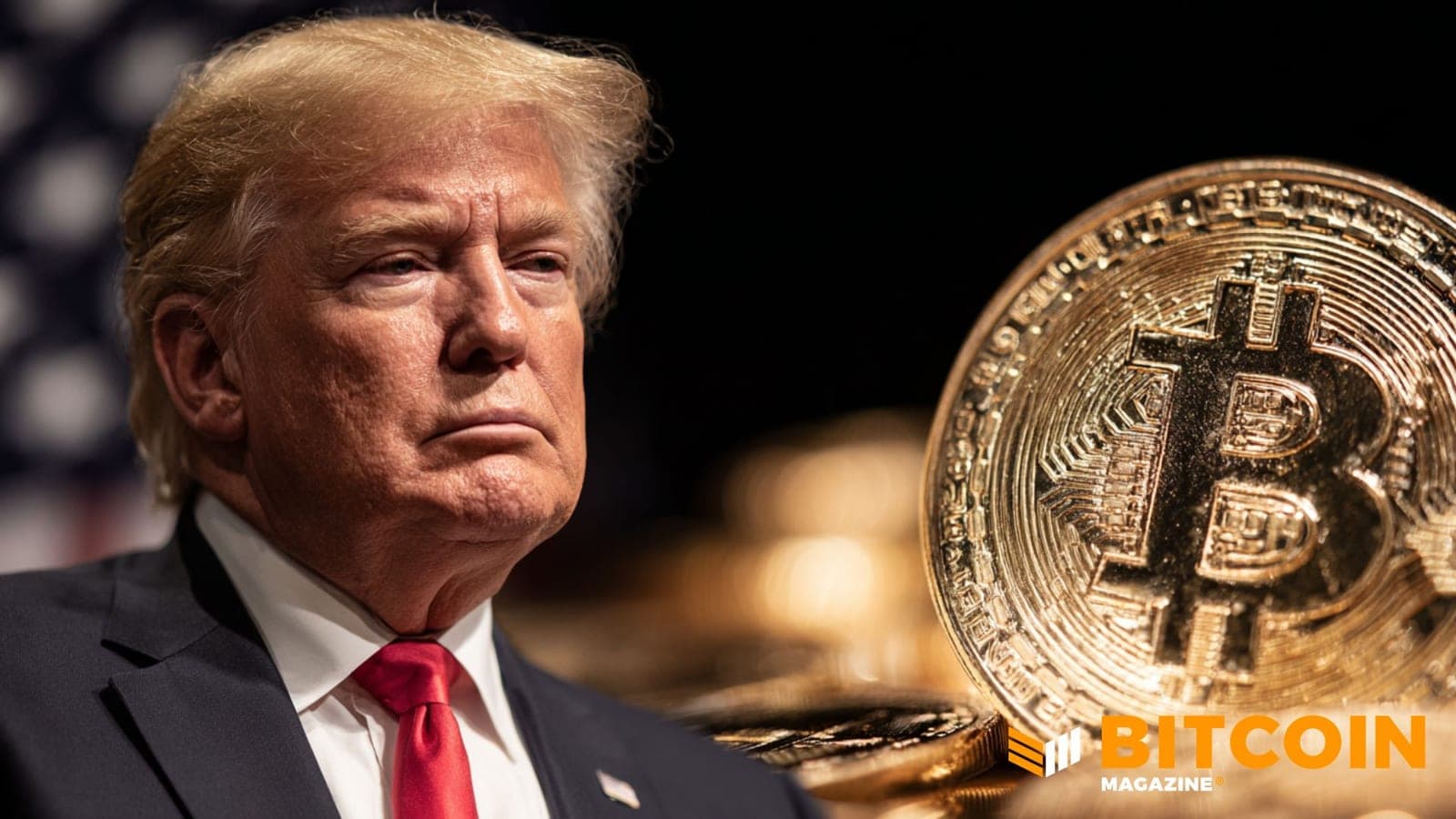
Senate Democrats Press DOJ, Treasury to Probe Binance Over Trump Ties, Iran Sanctions Allegations
Bitcoin Magazine Senate Democrats Press DOJ, Treasury to Probe Binance Over Trump Ties, Iran Sanctions Allegations Eleven Democrats on the U.S. Senate Banking, Housing, and Urban Affairs Committee are pressing the Trump administration to investigate Binance over allegations that the exchange facilitated illicit finance activity tied to Iran and may be violating its 2023 federal settlement. In a letter sent Friday to Attorney General Pam Bondi and Treasury Secretary Scott Bessent, the senators urged the Justice Department and Treasury to conduct a “prompt, comprehensive review” of Binance’s sanctions compliance controls. The lawmakers cited recent media reports alleging that billions of dollars in digital assets flowed through the platform to Iranian entities, including groups linked to terrorism. The letter was led by Sen. Mark Warner and signed by Ranking Member Elizabeth Warren along with Sens. Chris Van Hollen, Jack Reed, Catherine Cortez Masto, Tina Smith, Raphael Warnock, Andy Kim, Ruben Gallego, Lisa Blunt Rochester and Angela Alsobrooks. According to the senators, Binance compliance personnel uncovered evidence last year that roughly $1.7 billion in digital assets had been routed through the exchange to Iranian entities, including the Iran-backed Houthis and the Islamic Revolutionary Guard Corps. In one instance, a Binance vendor allegedly moved $1.2 billion in funds connected to Iran-linked actors. The letter also claims that Iranian users accessed more than 1,500 Binance accounts and that the platform may have been used in efforts by Russian actors to evade sanctions. The lawmakers raised concerns that employees who identified the transactions were dismissed and that Binance has become less responsive to law enforcement requests. They argued that such actions would conflict with the company’s obligations under its 2023 plea agreement and related settlements. In 2023, Binance pleaded guilty to federal charges including violations of U.S. sanctions laws and anti-money laundering failures. The company agreed to pay more than $4 billion in penalties and committed to sweeping reforms under U.S. supervision, including enhanced know-your-customer procedures and sanctions screening. The senators contend that the latest reports call into question whether those reforms have been implemented and maintained. In its settlement with the Treasury’s Office of Foreign Assets Control, Binance committed to implement controls capable of identifying and blocking prohibited transactions. Allowing $1.7 billion in digital assets to move to sanctioned Iranian entities, they wrote, would be inconsistent with that commitment. Binance and President Donald Trump The letter also highlights Binance’s recent business relationships involving President Donald Trump and his family’s crypto ventures. Lawmakers pointed to the exchange’s promotion of USD1, a stablecoin issued by World Liberty Financial, a Trump family-backed project. According to the letter, Binance offered interest incentives for users holding USD1, assisted with technology related to the token and accepted a $2 billion investment tied to it. The senators further referenced Trump’s pardon last fall of Binance founder Changpeng Zhao, who had pleaded guilty to failing to implement an effective anti-money laundering program and served a four-month prison sentence. The lawmakers argued that these connections heighten the need for what they described as a “thorough, impartial” probe. Binance’s dubious ties with Russia Beyond Iran-related concerns, the letter cites Binance’s recent launch of crypto-linked payment cards in parts of the former Soviet Union. The senators warned that similar products have been used to bypass restrictions on the Russian financial system. They also noted the exchange’s partnership with Kyrgyzstan to launch a stablecoin and digital currency initiative, raising questions about exposure to sanctions evasion risks. “These allegations raise grave concerns that poor illicit finance controls at Binance remain a significant threat to national security,” the senators wrote. They warned that weak safeguards at the world’s largest digital asset exchange could allow terrorist groups or sanctions evaders to access the global financial system. A Binance spokesperson disputed the allegations, stating that the company detected and reported suspicious activity and that claims it retaliated against compliance staff are false. The company has said it remains committed to meeting its regulatory obligations under the 2023 agreements. The senators requested a response from Bondi and Bessent by March 13. This post Senate Democrats Press DOJ, Treasury to Probe Binance Over Trump Ties, Iran Sanctions Allegations first appeared on Bitcoin Magazine and is written by Micah Zimmerman.
Senate Democrats Press DOJ, Treasury to Probe Binance Over Trump Ties, Iran Sanctions Allegations
Bitcoin Magazine Senate Democrats Press DOJ, Treasury to Probe Binance Over Trump Ties, Iran Sanctions Allegations Eleven Democrats on the U.S. Senate Banking, Housing, and Urban Affairs Committee are pressing the Trump administration to investigate Binance over allegations that the exchange facilitated illicit finance activity tied to Iran and may be violating its 2023 federal settlement. In a letter sent Friday to Attorney General Pam Bondi and Treasury Secretary Scott Bessent, the senators urged the Justice Department and Treasury to conduct a “prompt, comprehensive review” of Binance’s sanctions compliance controls. The lawmakers cited recent media reports alleging that billions of dollars in digital assets flowed through the platform to Iranian entities, including groups linked to terrorism. The letter was led by Sen. Mark Warner and signed by Ranking Member Elizabeth Warren along with Sens. Chris Van Hollen, Jack Reed, Catherine Cortez Masto, Tina Smith, Raphael Warnock, Andy Kim, Ruben Gallego, Lisa Blunt Rochester and Angela Alsobrooks. According to the senators, Binance compliance personnel uncovered evidence last year that roughly $1.7 billion in digital assets had been routed through the exchange to Iranian entities, including the Iran-backed Houthis and the Islamic Revolutionary Guard Corps. In one instance, a Binance vendor allegedly moved $1.2 billion in funds connected to Iran-linked actors. The letter also claims that Iranian users accessed more than 1,500 Binance accounts and that the platform may have been used in efforts by Russian actors to evade sanctions. The lawmakers raised concerns that employees who identified the transactions were dismissed and that Binance has become less responsive to law enforcement requests. They argued that such actions would conflict with the company’s obligations under its 2023 plea agreement and related settlements. In 2023, Binance pleaded guilty to federal charges including violations of U.S. sanctions laws and anti-money laundering failures. The company agreed to pay more than $4 billion in penalties and committed to sweeping reforms under U.S. supervision, including enhanced know-your-customer procedures and sanctions screening. The senators contend that the latest reports call into question whether those reforms have been implemented and maintained. In its settlement with the Treasury’s Office of Foreign Assets Control, Binance committed to implement controls capable of identifying and blocking prohibited transactions. Allowing $1.7 billion in digital assets to move to sanctioned Iranian entities, they wrote, would be inconsistent with that commitment. Binance and President Donald Trump The letter also highlights Binance’s recent business relationships involving President Donald Trump and his family’s crypto ventures. Lawmakers pointed to the exchange’s promotion of USD1, a stablecoin issued by World Liberty Financial, a Trump family-backed project. According to the letter, Binance offered interest incentives for users holding USD1, assisted with technology related to the token and accepted a $2 billion investment tied to it. The senators further referenced Trump’s pardon last fall of Binance founder Changpeng Zhao, who had pleaded guilty to failing to implement an effective anti-money laundering program and served a four-month prison sentence. The lawmakers argued that these connections heighten the need for what they described as a “thorough, impartial” probe. Binance’s dubious ties with Russia Beyond Iran-related concerns, the letter cites Binance’s recent launch of crypto-linked payment cards in parts of the former Soviet Union. The senators warned that similar products have been used to bypass restrictions on the Russian financial system. They also noted the exchange’s partnership with Kyrgyzstan to launch a stablecoin and digital currency initiative, raising questions about exposure to sanctions evasion risks. “These allegations raise grave concerns that poor illicit finance controls at Binance remain a significant threat to national security,” the senators wrote. They warned that weak safeguards at the world’s largest digital asset exchange could allow terrorist groups or sanctions evaders to access the global financial system. A Binance spokesperson disputed the allegations, stating that the company detected and reported suspicious activity and that claims it retaliated against compliance staff are false. The company has said it remains committed to meeting its regulatory obligations under the 2023 agreements. The senators requested a response from Bondi and Bessent by March 13. This post Senate Democrats Press DOJ, Treasury to Probe Binance Over Trump Ties, Iran Sanctions Allegations first appeared on Bitcoin Magazine and is written by Micah Zimmerman.