9 stories credited to Attack of the Fanboy
Latest story Apr 21, 2026 · on ChamberLight since Apr 2026
A story can appear as several articles (copies of the same piece), so counts of stories and of articles differ.
Scores for Attack of the Fanboy
Writing quality not enough rated stories yet: 9 of 10. How it is measured
Scores last checked Sep 25, 2026.
Stories ChamberLight collected, by month
Stories credited to Attack of the Fanboy, by publication date. ChamberLight collects articles that mention the officials it tracks, so this shows its own coverage of this source, not how much the source publishes.
- Stories from Attack of the Fanboy
- Shaded: ChamberLight collected no stories, or almost none, from any outlet (a gap in its collection, not in the outlet’s publishing)
Show as a table
| Month | Stories | All outlets |
|---|---|---|
| March 2026 | 3 | 1,043 |
| April 2026 | 6 | 4,537 |
| May 2026 | 0 | none collected |
| June 2026 | 0 | none collected |
| July 2026 | 0 | none collected |
| August 2026 | 0 | 1 (collection gap) |
| September 2026 | 0 | 598 |
Top topics
Share of this source’s stories tagged with each topic. A story can carry several topics, so the shares do not add up to 100%.
- Ethics/Corruption8
89% of 9 stories · 57% across all outlets
- Defense/Military5
56% of 9 stories · 24% across all outlets
- Immigration3
33% of 9 stories · 12% across all outlets
- Voting Rights3
33% of 9 stories · 18% across all outlets
- Budget/Spending2
22% of 9 stories · 31% across all outlets
- Criminal Justice2
22% of 9 stories · 19% across all outlets
- Technology/Privacy2
22% of 9 stories · 9% across all outlets
- Foreign Policy1
11% of 9 stories · 28% across all outlets
The thin mark on each bar is the topic’s share across all outlets.
Who they cover
Party of the officials these stories are mainly about, across all 14 officials named. A story counts once for each official it is mainly about, so the split is over 16 story–official pairs, from 9 stories.
- Republican50% · 8 pairs
- Democrat31% · 5 pairs
- Party not recorded19% · 3 pairs
Most covered
Stories mainly about each official, and their share of the source’s 9 stories.
- 1Donald TrumpR2 stories · 22%
- 2John ThuneR2 stories · 22%
- 3Al GreenD1 story · 11%
- 4Charles SchumerD1 story · 11%
- 5Christian MenefeeD1 story · 11%
- 6Henry CuellarD1 story · 11%
- 7Janet Mills–1 story · 11%
- 8John Curtis–1 story · 11%
- 9John FettermanD1 story · 11%
- 10Josh HawleyR1 story · 11%
+ 4 other officials (4 story–official pairs)
Article tone
ChamberLight’s article analysis assigns each story a tone toward the official it covers. It describes the coverage of that official, not Attack of the Fanboy’s stance, and reader votes do not change it. 9 stories.
- Good Look
- 0 (0%)
- Mixed
- 8 (89%)
- Informational
- 1 (11%)
- Bad Look
- 0 (0%)
Challenges to these scores
No one has challenged a score on this page yet. Anyone can; editors publish every outcome here.
Articles served from attackofthefanboy.com
16
Every Pennsylvania Democrat in Congress was asked if Fetterman should run again as a Democrat, not one of them said yes
Not a single Pennsylvania House Democrat in Congress is willing to say on the record that Senator John Fetterman should run for reelection as a Democrat. This highlights just how isolated Fetterman has become from his own party colleagues. While his seat is not up for election until 2028, the lack of support from fellow Pennsylvania Democrats suggests his path forward within the party is looking increasingly difficult. The tension comes from a series of political moves that have left many of his peers frustrated. Fetterman has repeatedly broken ranks to vote for Republican Cabinet picks and has publicly criticized fellow Democrats. According to Punchbowl, his frequent appearances on Fox News have added to speculation about whether he might switch to the GOP or leave the Democratic Party altogether. Although Fetterman has denied any intention of becoming a Republican, the Pennsylvania state GOP chair has said he is watching the situation closely to see if a party switch could happen. His approval among Pennsylvania Democrats has collapsed to historic lows When asked about Fetterman, his House colleagues made their hesitation clear. Representative Brendan Boyle, who has been rumored to be considering a Senate bid in 2028, said, “My focus right now is on 2026, but I would just say I’d be very surprised if he ran in the Democratic primary for the U.S. Senate.” Representative Chris Deluzio, another lawmaker mentioned as a potential 2028 contender, pointed to policy disagreements, noting he and Fetterman have “serious disagreements” about the war in Iran, before adding, “2028 is still a way off.” “Not a single Pennsylvania House Democrat in the delegation will say Fetterman should run for reelection as a Democrat.”@maxpcohen https://t.co/KHAA3dB2WR — Andrew Desiderio (@AndrewDesiderio) April 20, 2026 Other members of the delegation were equally critical or non-committal. Representative Summer Lee, when asked if Fetterman should run for reelection as a Democrat, said, “That’s up to him,” before adding, “At his own peril.” Representative Madeleine Dean said, “My concern is entirely about him and his health, and I’ll let 2028 take care of itself,” and added, “I disagree with many of his votes.” Representative Chrissy Houlahan said, “It’s no secret that I’ve been disappointed with some of his votes and that I’m confused by it,” though she added, “But I’m not responsible for deciding whether he runs again.” This growing frustration within the party comes at a time when House Democrats have been pushing back hard against the current administration. The polling numbers tell a striking story. According to The New Republic, a February Quinnipiac University poll showed that while Fetterman holds a 46% approval rating among all Pennsylvania voters, the breakdown by party is heavily skewed. POLITICO: PA Gov. Josh Shapiro maintained that he and Sen. John Fetterman have a “constructive relationship” on Sunday — but he also declined once more to say whether he’d support Fetterman, should he choose to seek another term. “I think he needs to decide if he’s running, and… pic.twitter.com/xiDm39ptAj — InteractivePolls (@IAPolls2022) February 22, 2026 He currently has a 73% to 18% approval rating among Republicans, but he is underwater with his own party at 22% to 62%. His net approval with Pennsylvania Democrats has dropped 108 points, from a positive 68 in 2023 to a negative 40 in 2026. Experts have noted that his current standing among Democrats is worse than that of every sitting senator who lost a primary election this century. It is a dramatic shift for a politician who built his brand on championing progressive causes. His recent voting record, which includes supporting funding for the Department of Homeland Security and advancing GOP nominations, has clearly alienated the base that helped elect him. Fetterman has previously described these polling figures as “confusing,” saying he often votes with his party and opposes the GOP reconciliation act. Despite his defense, his team did not respond to requests for comment about the lack of support from his congressional colleagues. The wider Democratic Party is also dealing with its own identity questions ahead of 2028, with top Democrats privately debating who should lead the party in the next election. As the political cycle moves toward 2028, it seems likely that he will face a serious challenge for his seat. Whether he chooses to run as a Democrat, switch parties, or exit the race entirely remains the big question, but for now, he is essentially standing alone within his own caucus.

Marjorie Taylor Greene openly questions the Donald Trump assassination attempt, and the details she’s found don’t add up
Former congresswoman Marjorie Taylor Greene has joined a growing group of critics demanding answers about the 2024 assassination attempt against President Donald Trump in Butler, Pennsylvania. Greene recently retweeted a lengthy post by Trisha Hope, a self-described “J6 Activist,” in which Hope questioned the shooting and the authenticity of the now-famous photo of a bloodied Trump raising his fist and shouting, “Fight, fight, fight!” At the center of Hope’s post is something that has left many people questioning the official story. According to Mediaite, when Trump began speaking at the Republican National Convention, he opened with an unusual statement: “So many people have asked me what happened. Tell us what happened, please. And therefore, I will tell you exactly what happened, and you’ll never hear it from me a second time, because it’s actually too painful to tell.” Hope noted that the moment was “completely out of character” for Trump. Greene called Hope’s post “Extremely important” and raised questions about Trump’s behavior. “Corey Comperatore’s family deserves to know the truth about Matthew Crooks and what happened in Butler on July 13, 2024,” Greene wrote. “President Trump, of all people, should be leading the charge. Why isn’t he? That’s the question.” The Comperatore family is still waiting for real answers about what happened in Butler Greene is not alone in questioning the incident. Candace Owens, Tucker Carlson, and Ali Alexander have also raised doubts about the official account. At the same time, Republican Representatives Mike Kelly of Pennsylvania and Pat Fallon of Texas have accused the FBI of blocking the House investigation into the shooting Corey Comperatore’s sister, Kelly Comperatore Meeder, spoke out about how the Secret Service handled the situation. Meeder was outraged that six Secret Service personnel were suspended for periods ranging from ten to forty-two days, but were then allowed to return to work without facing any real consequences. “How does something like this happen and nobody is fired?” Meeder asked. “Ten days to 42 days of suspension and they returned to their jobs. They returned to their jobs on restricted duty or limited duty. What does that mean?” Her words reflect the deep frustration felt by the Comperatore family over the lack of accountability. Extremely important post worth the read and consideration. Corey Comperatore’s family deserves to know the truth about Matthew Crooks and what happened in Butler on July 13, 2024. President Trump, of all people, should be leading the charge. Why isn’t he? That’s the question. https://t.co/kTpoRHYsYZ — Marjorie Taylor Greene (@mtgreenee) April 18, 2026 The Secret Service’s response has been widely criticized as insufficient. In a statement to CBS News, Deputy Director Matt Quinn acknowledged that the agency had “blood on their hands” and said steps would be taken to prevent such failures going forward. This kind of contradiction between official statements and public perception is not new for Trump’s administration, as seen when Iran’s parliament speaker publicly disputed Trump’s claims on live television. But that is not enough for the Comperatore family. “If suspending six people and us finding this out now is their idea of accountability, it is not,” Meeder said. “It is not. We need names.”She wants to know who decided to place the AGR Building, from where Thomas Crooks fired eight shots, outside the secured perimeter. She also wants answers about the walkie-talkies that the Butler Emergency Services Unit said they made available to Secret Service agents. Trump has also made headlines recently for his direct social media intervention in the Lebanon-Israel conflict, showing that he is not shy about using his platform when he chooses to.
Marjorie Taylor Greene openly questions the Donald Trump assassination attempt, and the details she’s found don’t add up
Former congresswoman Marjorie Taylor Greene has joined a growing group of critics demanding answers about the 2024 assassination attempt against President Donald Trump in Butler, Pennsylvania. Greene recently retweeted a lengthy post by Trisha Hope, a self-described “J6 Activist,” in which Hope questioned the shooting and the authenticity of the now-famous photo of a bloodied Trump raising his fist and shouting, “Fight, fight, fight!” At the center of Hope’s post is something that has left many people questioning the official story. According to Mediaite, when Trump began speaking at the Republican National Convention, he opened with an unusual statement: “So many people have asked me what happened. Tell us what happened, please. And therefore, I will tell you exactly what happened, and you’ll never hear it from me a second time, because it’s actually too painful to tell.” Hope noted that the moment was “completely out of character” for Trump. Greene called Hope’s post “Extremely important” and raised questions about Trump’s behavior. “Corey Comperatore’s family deserves to know the truth about Matthew Crooks and what happened in Butler on July 13, 2024,” Greene wrote. “President Trump, of all people, should be leading the charge. Why isn’t he? That’s the question.” The Comperatore family is still waiting for real answers about what happened in Butler Greene is not alone in questioning the incident. Candace Owens, Tucker Carlson, and Ali Alexander have also raised doubts about the official account. At the same time, Republican Representatives Mike Kelly of Pennsylvania and Pat Fallon of Texas have accused the FBI of blocking the House investigation into the shooting Corey Comperatore’s sister, Kelly Comperatore Meeder, spoke out about how the Secret Service handled the situation. Meeder was outraged that six Secret Service personnel were suspended for periods ranging from ten to forty-two days, but were then allowed to return to work without facing any real consequences. “How does something like this happen and nobody is fired?” Meeder asked. “Ten days to 42 days of suspension and they returned to their jobs. They returned to their jobs on restricted duty or limited duty. What does that mean?” Her words reflect the deep frustration felt by the Comperatore family over the lack of accountability. Extremely important post worth the read and consideration. Corey Comperatore’s family deserves to know the truth about Matthew Crooks and what happened in Butler on July 13, 2024. President Trump, of all people, should be leading the charge. Why isn’t he? That’s the question. https://t.co/kTpoRHYsYZ — Marjorie Taylor Greene (@mtgreenee) April 18, 2026 The Secret Service’s response has been widely criticized as insufficient. In a statement to CBS News, Deputy Director Matt Quinn acknowledged that the agency had “blood on their hands” and said steps would be taken to prevent such failures going forward. This kind of contradiction between official statements and public perception is not new for Trump’s administration, as seen when Iran’s parliament speaker publicly disputed Trump’s claims on live television. But that is not enough for the Comperatore family. “If suspending six people and us finding this out now is their idea of accountability, it is not,” Meeder said. “It is not. We need names.”She wants to know who decided to place the AGR Building, from where Thomas Crooks fired eight shots, outside the secured perimeter. She also wants answers about the walkie-talkies that the Butler Emergency Services Unit said they made available to Secret Service agents. Trump has also made headlines recently for his direct social media intervention in the Lebanon-Israel conflict, showing that he is not shy about using his platform when he chooses to.
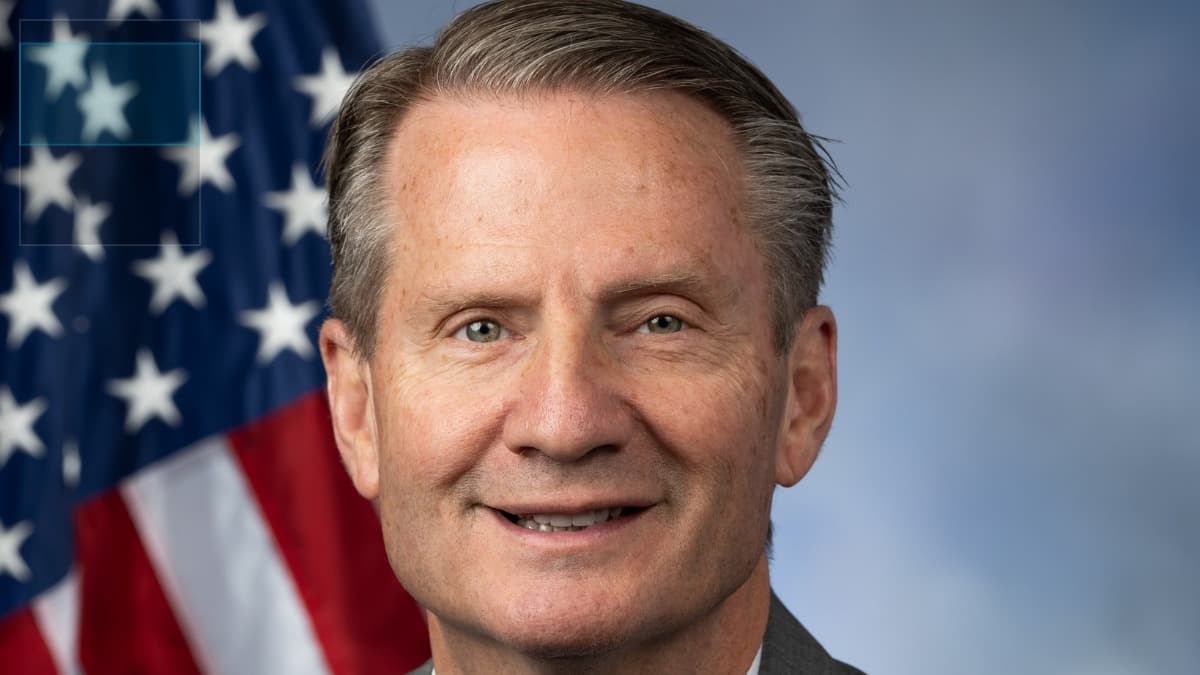
‘The government is not telling us everything’: GOP rep drops a bombshell about UFOs, and it might not sit right with his colleagues
Representative Tim Burchett, a Republican from Tennessee, is making some serious waves by claiming that the federal government is keeping the public in the dark about what it actually knows regarding UFOs. As reported by Fox News, Burchett didn’t hold back on his skepticism regarding the level of transparency we are seeing from federal agencies. It’s a bold stance, especially considering he sits on the House Oversight Committee and has been consistently pushing for more disclosure on Unidentified Aerial Phenomena, or UAPs. This is the term officials now prefer over the more traditional Unidentified Flying Objects. “The truth is, is that the government is not telling us everything about what’s going on,” Burchett stated during the podcast. He went on to explain that he is convinced the objects being spotted aren’t coming from our own domestic programs, nor do they belong to the Russians or the Chinese. His reasoning is pretty straightforward: if those nations had this kind of technology, they would effectively own us. Burchett suggested that the only other option is that these phenomena are either not of this world, or perhaps something that has been here for a while, and we just haven’t been looking in the right places He firmly believes that some people within the government have a much clearer picture of what is going on than they are letting on. The intensity of these claims is matched by the frequency with which Burchett says he is briefed on the topic. He told Cain that he gets updates on this subject every single week. He even shared a personal anecdote about his commute to baseball practice, where he was catching some grief from others about his focus on the issue. His response to them was simple: they should have been in the SCIF with him the day before. He argued that if people would start showing up to those meetings and looking at the actual photos and videos that federal agencies are holding, it would shut down the skepticism pretty quickly. For him, this isn’t about chasing stories of little green men or flying saucers. Instead, he views it as a matter of transparency and accountability regarding how tax dollars are being spent. Government withholding information on UFOs from the public, GOP rep says https://t.co/En63fFLseW #FoxNews — David Ross (@PRMNDAVE) April 16, 2026 This whole topic has been gaining a lot of steam lately, especially with recent comments from former President Barack Obama. During a February appearance on Brian Tyler Cohen’s podcast, Obama was asked point-blank if aliens are real. He answered, “They’re real, but I haven’t seen them.” This quickly grabbed headlines, forcing Obama to issue a clarification on Instagram. He explained that he was just trying to keep the spirit of a speed round interview. Obama noted that while he believes the universe is vast enough that life likely exists out there, the vast distances between solar systems make it unlikely we have been visited. He maintained that he saw no evidence of extraterrestrial contact during his time in the White House. The situation took a political turn when President Donald Trump weighed in on Obama’s comments. Trump claimed that Obama shared classified information and that he wasn’t supposed to be doing that. Trump said, “I don’t know if they’re real or not. I can tell you, he gave classified information. He’s not supposed to be doing that – he made a big mistake. He took it out of classified information.” Trump further stated that Obama made a big mistake by suggesting aliens were real, accusing him of disclosing secrets about potential non-human visitors. In response to the growing public curiosity, Trump has announced plans to direct the Secretary of War and other relevant departments to begin identifying and releasing government files related to UAPs, UFOs, and potential extraterrestrial life. Writing on Truth Social, Trump described the matter as a “highly complex, but extremely interesting and important” issue. He framed this initiative as a direct response to the interest shown by the public. When Peter Doocy asked President Joe Biden about Obama’s remarks and the nature of UAPs, Biden simply redirected the question back to the former president, saying, “I would ask (Obama) again.”

Trump’s ‘doctor’ AI image cover-up is not enough damage control, and now GOP senators are also expressing their discomfort
President Trump’s recent actions have put him at odds with yet another influential figure, this time sparking discomfort among his own party. Over the weekend, Trump lashed out at Pope Leo XIV, calling him “weak on crime” and accusing him of “catering to the Radical Left.” The president’s outburst came after the pope criticized Trump’s military actions against Iran and Venezuela, with Pope Leo urging world leaders to reject war and negotiate peace. Trump’s salvos against the leader of the Catholic Church got pushback from Senate Majority Leader John Thune (R-S.D.), who advised Trump to “leave the church alone.” Thune’s sentiment was echoed by other Republicans, including Sen. Kevin Cramer (R-N.D.), who suggested that popes and presidents should stay in their respective lanes. Sen. Mike Rounds (R-S.D.) went further, stating that Trump’s attack on the pope was “inappropriate,” The Hill reported. The growing unease among Republicans is reflected in the worsening polls for the party. With Democrats gaining ground in key states like North Carolina, Ohio, and Nebraska, GOP lawmakers are trying to distance themselves from Trump’s incendiary rhetoric. The president’s comments on Truth Social, including a threat to wipe out Iran’s civilization, have caused alarm among party members. GOP senators are worried about the upcoming midterms and the decaying public support leading up to that One of the most significant concerns is the potential for the conflict with Iran to drag on indefinitely. Senate Democrats plan to force another vote on an Iran war powers resolution that would require Trump to cease military action in the region. Senate Republicans have voted three times to defeat a similar resolution, but cracks are beginning to show in the party’s unity. Sen. John Curtis (R-Utah) has taken a particularly strong stance, warning that the conflict could expand dramatically if Congress doesn’t take action. Curtis cited the War Powers Act of 1973, which limits the president’s authority after 60 days of military action. The senator expressed his concern that the conflict may last indefinitely, saying, “I think everybody is worried.” GOP senators grow uncomfortable with Trump rhetoric, endgame for Iranhttps://t.co/aJt1p8YCMM — The Hill (@thehill) April 14, 2026 The situation is further complicated by Trump’s recent use of an AI-generated image on social media. The image depicted Trump as a Christlike figure healing a sick man, but the president claimed it was meant to show him as a doctor, highlighting his support for the Red Cross. Several Republicans, including Sen. Steve Daines (R-Mont.) and Sen. James Lankford (R-Okla.), were glad to see the image taken down. Trump’s insistence that he thought the image was of him as a doctor raises questions about his understanding of the technology. The image was removed after it sparked outrage, with many criticizing the president for using a manipulated photo to promote himself. Meanwhile, Pope Leo XIV has emerged as a vocal critic of the US-Israeli war on Iran. The pope has urged world leaders to reject war and negotiate peace, citing the Gospel as the basis for his appeals. In a rare direct rebuke of Trump, Pope Leo called the president’s threat to destroy Iranian civilization “truly unacceptable.” The pope’s stance has put him at odds with Trump, who has accused him of being “weak on crime” and “terrible for foreign policy.” Trump’s comments have sparked a backlash, with many calling for him to apologize to the pope. However, it remains to be seen whether the president will take a step back and reconsider his approach. As the situation continues to unfold, one thing is clear: Trump’s actions have put him in a precarious position. With his party growing increasingly uneasy, it’s unclear whether he’ll be able to maintain his grip on the Republican base. The conflict with Iran is far from over, and the consequences of Trump’s actions will likely be felt for a long time to come.
Trump’s ‘doctor’ AI image cover-up is not enough damage control, and now GOP senators are also expressing their discomfort
President Trump’s recent actions have put him at odds with yet another influential figure, this time sparking discomfort among his own party. Over the weekend, Trump lashed out at Pope Leo XIV, calling him “weak on crime” and accusing him of “catering to the Radical Left.” The president’s outburst came after the pope criticized Trump’s military actions against Iran and Venezuela, with Pope Leo urging world leaders to reject war and negotiate peace. Trump’s salvos against the leader of the Catholic Church got pushback from Senate Majority Leader John Thune (R-S.D.), who advised Trump to “leave the church alone.” Thune’s sentiment was echoed by other Republicans, including Sen. Kevin Cramer (R-N.D.), who suggested that popes and presidents should stay in their respective lanes. Sen. Mike Rounds (R-S.D.) went further, stating that Trump’s attack on the pope was “inappropriate,” The Hill reported. The growing unease among Republicans is reflected in the worsening polls for the party. With Democrats gaining ground in key states like North Carolina, Ohio, and Nebraska, GOP lawmakers are trying to distance themselves from Trump’s incendiary rhetoric. The president’s comments on Truth Social, including a threat to wipe out Iran’s civilization, have caused alarm among party members. GOP senators are worried about the upcoming midterms and the decaying public support leading up to that One of the most significant concerns is the potential for the conflict with Iran to drag on indefinitely. Senate Democrats plan to force another vote on an Iran war powers resolution that would require Trump to cease military action in the region. Senate Republicans have voted three times to defeat a similar resolution, but cracks are beginning to show in the party’s unity. Sen. John Curtis (R-Utah) has taken a particularly strong stance, warning that the conflict could expand dramatically if Congress doesn’t take action. Curtis cited the War Powers Act of 1973, which limits the president’s authority after 60 days of military action. The senator expressed his concern that the conflict may last indefinitely, saying, “I think everybody is worried.” GOP senators grow uncomfortable with Trump rhetoric, endgame for Iranhttps://t.co/aJt1p8YCMM — The Hill (@thehill) April 14, 2026 The situation is further complicated by Trump’s recent use of an AI-generated image on social media. The image depicted Trump as a Christlike figure healing a sick man, but the president claimed it was meant to show him as a doctor, highlighting his support for the Red Cross. Several Republicans, including Sen. Steve Daines (R-Mont.) and Sen. James Lankford (R-Okla.), were glad to see the image taken down. Trump’s insistence that he thought the image was of him as a doctor raises questions about his understanding of the technology. The image was removed after it sparked outrage, with many criticizing the president for using a manipulated photo to promote himself. Meanwhile, Pope Leo XIV has emerged as a vocal critic of the US-Israeli war on Iran. The pope has urged world leaders to reject war and negotiate peace, citing the Gospel as the basis for his appeals. In a rare direct rebuke of Trump, Pope Leo called the president’s threat to destroy Iranian civilization “truly unacceptable.” The pope’s stance has put him at odds with Trump, who has accused him of being “weak on crime” and “terrible for foreign policy.” Trump’s comments have sparked a backlash, with many calling for him to apologize to the pope. However, it remains to be seen whether the president will take a step back and reconsider his approach. As the situation continues to unfold, one thing is clear: Trump’s actions have put him in a precarious position. With his party growing increasingly uneasy, it’s unclear whether he’ll be able to maintain his grip on the Republican base. The conflict with Iran is far from over, and the consequences of Trump’s actions will likely be felt for a long time to come.

Republicans’ grand plan to fund ICE is crumbling under the weight of too many bizarre demands, and it’s getting worse
Republicans’ ambitious plan to use a special legislative tactic to fund Immigration and Customs Enforcement (ICE) is hitting some serious snags, as lawmakers try to cram too many unrelated demands into one bill. This process, known as budget reconciliation, is supposed to be a focused way to pass legislation with a simple majority, bypassing the Senate filibuster. President Trump is a big fan of using reconciliation again, especially since Democrats aren’t budging on funding immigration operations. He’s pushing hard for Republicans to get a bill on his desk by June 1. “We are going to work as fast and as focused as possible to replenish funding for our Border and ICE agents, and the Radical Left Democrats won’t be able to stop us,” President Trump said on Truth Social. This move comes as Congress inches closer to wrapping up the ongoing Department of Homeland Security (DHS) shutdown. Last year, Republicans successfully used this same process to pass President Trump’s “big, beautiful bill,” but it was a labor-intensive maneuver that almost fell apart. The challenge now is getting both the Senate and the House on the same page about what exactly should be included. This is proving to be a tough ask because many Republicans have started to see this reconciliation package as a catch-all for a whole host of other legislative priorities Since the “big, beautiful bill” passed, Republicans have considered using reconciliation to tackle things like fraud, affordability issues, President Trump’s tariff authorities, additional tax provisions, healthcare reforms, funding for the Iran war, supplemental agriculture spending, and even election integrity measures. This is where the process starts to get messy. Senate Majority Leader John Thune, a Republican from South Dakota, has openly warned that if reconciliation is going to work, especially with the tight timeline, Republicans need to “keep our expectations realistic.” He’s emphasized that the bill should be “as narrow and focused as possible” to maximize speed and support. He understands that there will be attempts to add other issues, but he believes a reconciliation vehicle, which needs to move quickly, isn’t the right place for all those extra demands. GOP races to pass ICE, Border Patrol funding bill as priorities pile up and divisions emerge – Fox News https://t.co/7gIE3TFvYw — Susan Henderson (@SusanHe02044156) April 6, 2026 Interestingly, Senate Budget Committee Chair Lindsey Graham, a Republican from South Carolina, has floated an idea that might ease some of the pressure. He told voters in South Carolina that he’s eyeing two new reconciliation packages. The first would be solely for funding ICE and Border Patrol, aiming for multi-year funding and getting it done quickly. The second package, he said, would come in the fall and focus on going after fraud. However, House Republicans, especially during their policy retreat earlier this year, were pushing for what they’re calling “reconciliation 2.0.” They’re gearing up to load this package with several provisions that could drain time and struggle to gain support in the Senate. The Republican Study Committee (RSC) is a big proponent of a second reconciliation bill, and they want to add proposals addressing affordability concerns. They’ve stated their support for funding military readiness and Homeland Security through this process, while also trying to “codify the president’s agenda to deliver lower costs for working families.” One of the latest policy fights some Republicans want to include is the Safeguarding American Voter Eligibility (SAVE) Act, which deals with voter ID and citizenship verification. The problem is, this legislation has absolutely no chance of passing the Senate, given the unified Democratic opposition. Plus, it’s unlikely to survive the Senate’s strict reconciliation rules, which only allow provisions that directly impact spending. Senator Roger Marshall, a Republican from Kansas, has been pretty blunt about the reality of the situation. He told reporters that Republicans have to “set our sights a little bit lower on this reconciliation bill.” For him, the number one priority is funding ICE for 10 years. While he thinks “nibbling at the edges” of the SAVE Act would be great, he acknowledges that “the parliamentarian is not going to let us do the SAVE Act. That’s just an impossibility.” Even some of the loudest proponents of the SAVE Act in the House GOP admit that adding it to reconciliation would be a challenge. They’d prefer to keep the bill intact and push it through the Senate separately. Getting enough Republicans aligned to pass a bill that also adheres to the process’s strict rules is going to be a huge hurdle, and it’s making an already difficult task even more complicated.
Republicans’ grand plan to fund ICE is crumbling under the weight of too many bizarre demands, and it’s getting worse
Republicans’ ambitious plan to use a special legislative tactic to fund Immigration and Customs Enforcement (ICE) is hitting some serious snags, as lawmakers try to cram too many unrelated demands into one bill. This process, known as budget reconciliation, is supposed to be a focused way to pass legislation with a simple majority, bypassing the Senate filibuster. President Trump is a big fan of using reconciliation again, especially since Democrats aren’t budging on funding immigration operations. He’s pushing hard for Republicans to get a bill on his desk by June 1. “We are going to work as fast and as focused as possible to replenish funding for our Border and ICE agents, and the Radical Left Democrats won’t be able to stop us,” President Trump said on Truth Social. This move comes as Congress inches closer to wrapping up the ongoing Department of Homeland Security (DHS) shutdown. Last year, Republicans successfully used this same process to pass President Trump’s “big, beautiful bill,” but it was a labor-intensive maneuver that almost fell apart. The challenge now is getting both the Senate and the House on the same page about what exactly should be included. This is proving to be a tough ask because many Republicans have started to see this reconciliation package as a catch-all for a whole host of other legislative priorities Since the “big, beautiful bill” passed, Republicans have considered using reconciliation to tackle things like fraud, affordability issues, President Trump’s tariff authorities, additional tax provisions, healthcare reforms, funding for the Iran war, supplemental agriculture spending, and even election integrity measures. This is where the process starts to get messy. Senate Majority Leader John Thune, a Republican from South Dakota, has openly warned that if reconciliation is going to work, especially with the tight timeline, Republicans need to “keep our expectations realistic.” He’s emphasized that the bill should be “as narrow and focused as possible” to maximize speed and support. He understands that there will be attempts to add other issues, but he believes a reconciliation vehicle, which needs to move quickly, isn’t the right place for all those extra demands. GOP races to pass ICE, Border Patrol funding bill as priorities pile up and divisions emerge – Fox News https://t.co/7gIE3TFvYw — Susan Henderson (@SusanHe02044156) April 6, 2026 Interestingly, Senate Budget Committee Chair Lindsey Graham, a Republican from South Carolina, has floated an idea that might ease some of the pressure. He told voters in South Carolina that he’s eyeing two new reconciliation packages. The first would be solely for funding ICE and Border Patrol, aiming for multi-year funding and getting it done quickly. The second package, he said, would come in the fall and focus on going after fraud. However, House Republicans, especially during their policy retreat earlier this year, were pushing for what they’re calling “reconciliation 2.0.” They’re gearing up to load this package with several provisions that could drain time and struggle to gain support in the Senate. The Republican Study Committee (RSC) is a big proponent of a second reconciliation bill, and they want to add proposals addressing affordability concerns. They’ve stated their support for funding military readiness and Homeland Security through this process, while also trying to “codify the president’s agenda to deliver lower costs for working families.” One of the latest policy fights some Republicans want to include is the Safeguarding American Voter Eligibility (SAVE) Act, which deals with voter ID and citizenship verification. The problem is, this legislation has absolutely no chance of passing the Senate, given the unified Democratic opposition. Plus, it’s unlikely to survive the Senate’s strict reconciliation rules, which only allow provisions that directly impact spending. Senator Roger Marshall, a Republican from Kansas, has been pretty blunt about the reality of the situation. He told reporters that Republicans have to “set our sights a little bit lower on this reconciliation bill.” For him, the number one priority is funding ICE for 10 years. While he thinks “nibbling at the edges” of the SAVE Act would be great, he acknowledges that “the parliamentarian is not going to let us do the SAVE Act. That’s just an impossibility.” Even some of the loudest proponents of the SAVE Act in the House GOP admit that adding it to reconciliation would be a challenge. They’d prefer to keep the bill intact and push it through the Senate separately. Getting enough Republicans aligned to pass a bill that also adheres to the process’s strict rules is going to be a huge hurdle, and it’s making an already difficult task even more complicated.

Maine’s anti-war Dem Senate candidate deleted years of Reddit posts before launching his campaign, and CNN helped trace them back to him
Graham Platner, a Democratic Senate candidate in Maine, had years of controversial Reddit posts traced back to him by CNN’s KFile. Platner, a Marine veteran and oyster farmer, had deleted most of these posts from his Reddit account before launching his campaign in August and has since disavowed the comments. Platner, 41, entered the race to challenge Republican Sen. Susan Collins, saying he is running “to fight for working people” and “topple the oligarchy that’s destroying our country.” His campaign raised over $4 million in just weeks and earned an endorsement from Vermont Sen. Bernie Sanders, who appeared with him at a Labor Day rally in Portland. According to CNN, among the deleted posts, a 2021 comment stood out where Platner wrote, “I got older and became a communist,” posted on r/Antiwork, a far-left forum. In another 2021 post, he wrote, “I’m a vegetable growing, psychedelics taking socialist these days. After the war, I’ve pretty much stopped believing in any of the patriotic nonsense that got me there in the first place.” He added, “Still got the guns though. I don’t trust the fascists to act politely.” The deleted posts reveal a candidate whose online history sharply contradicts the image he is now trying to present to voters When confronted with these posts, Platner disavowed them, calling his online activity “me f—ing around the internet.” He said, “I don’t want people to see me for who I was in my worst Internet comment, or even frankly who I was in my best Internet comment … I don’t think any of that is indicative of who I am today, really.” He added that he deleted the posts because he no longer wanted to be associated with comments from what he called a “darker time” in his life. He also told voters, “I’m not a communist. I’m not a socialist. I own a small business. I’m a Marine Corps veteran.” This case is a reminder that old social media posts resurfacing unexpectedly can have serious consequences for public figures. Platner also made strong comments about law enforcement in threads about police shootings and the 2020 protests following the murder of George Floyd. In one deleted comment, responding to a user who called cops “Bastards,” he replied, “All of them, in fact.” He also wrote “F— these cops” after the killing of Daunte Wright. DAMAGE CONTROL: Maine Democrat Graham Platner now says he was "joking" in years-old Reddit posts where he identified himself as a "communist." "I got older and became a communist," he wrote in a now-deleted internet post. https://t.co/7sXSlayFGB — Fox News (@FoxNews) November 3, 2025 He later walked back these comments, saying, “I can honestly say that that is me just being an a—hole on the Internet. I have an immense amount of friends who are police officers. They’re not all bastards because they’re literally buddies of mine.” His Reddit history also included offensive generalizations. In a 2020 post, he wrote, “Living in white rural America, I’m afraid to tell you they actually are,” in response to a thread titled “White people aren’t as racist or stupid as Trump thinks.” He said he couldn’t recall the exchange but suggested he was angry online at the time. He also used slurs on multiple occasions, including the word “retarded” to insult other users in various posts. Gov. Janet Mills (D-Maine) is running ads slamming insurgent Graham Platner’s past Reddit comments on sexual assault. The change in tone reflects the existential fight she faces in one of the most crucial Senate races for Democrats this year. https://t.co/sJcWbDsfSy — The Washington Post (@washingtonpost) March 17, 2026 Platner also wrote extensively about his military service, expressing deep disillusionment. In a 2021 post, he wrote, “My time in America’s imperial wars definitely radicalized me further, and I’m significantly more left today than I was back then. It is difficult to see all that horror, as well as all the grift and corruption, and not find the entire thing utterly bankrupt.” According to The New York Post, he also wrote, “I did used to love America, or at least the idea of it. These days I’m pretty disgusted by it all.” His sentiments reflect a broader trend of veterans growing disillusioned after military service, a topic that has drawn significant attention on platforms like Reddit. However, earlier posts from 2013 to 2020 showed very different views on combat. He described war as the “most enjoyable experience of my life” and wrote in 2020, “Wanted to have an adventure and kill some people. Joined up in ’04, did Fallujah and Ramadi, and managed both. Hell of an excellent experience.” In 2014, after the ISIS beheading of American journalist James Foley, he wrote, “We are going to kill thousands. By the end of it, it may be millions. Our way of life is better, and if that is what it takes to prevail, let’s get this show on the road.” Platner now says he no longer feels the same disillusionment, though he remains “very angry still about the wars I had to fight in.” He also faced scrutiny over a Nazi-linked tattoo resembling a Totenkopf, or “death’s head” symbol. Platner says he got it in Croatia in 2007 while drunk and has since covered it with a “Celtic knot with some imagery around dogs,” insisting he is “not a secret Nazi.” He will first face Governor Janet Mills in the Democratic primary before a potential general election matchup against Sen. Susan Collins.
Maine’s anti-war Dem Senate candidate deleted years of Reddit posts before launching his campaign, and CNN helped trace them back to him
Graham Platner, a Democratic Senate candidate in Maine, had years of controversial Reddit posts traced back to him by CNN’s KFile. Platner, a Marine veteran and oyster farmer, had deleted most of these posts from his Reddit account before launching his campaign in August and has since disavowed the comments. Platner, 41, entered the race to challenge Republican Sen. Susan Collins, saying he is running “to fight for working people” and “topple the oligarchy that’s destroying our country.” His campaign raised over $4 million in just weeks and earned an endorsement from Vermont Sen. Bernie Sanders, who appeared with him at a Labor Day rally in Portland. According to CNN, among the deleted posts, a 2021 comment stood out where Platner wrote, “I got older and became a communist,” posted on r/Antiwork, a far-left forum. In another 2021 post, he wrote, “I’m a vegetable growing, psychedelics taking socialist these days. After the war, I’ve pretty much stopped believing in any of the patriotic nonsense that got me there in the first place.” He added, “Still got the guns though. I don’t trust the fascists to act politely.” The deleted posts reveal a candidate whose online history sharply contradicts the image he is now trying to present to voters When confronted with these posts, Platner disavowed them, calling his online activity “me f—ing around the internet.” He said, “I don’t want people to see me for who I was in my worst Internet comment, or even frankly who I was in my best Internet comment … I don’t think any of that is indicative of who I am today, really.” He added that he deleted the posts because he no longer wanted to be associated with comments from what he called a “darker time” in his life. He also told voters, “I’m not a communist. I’m not a socialist. I own a small business. I’m a Marine Corps veteran.” This case is a reminder that old social media posts resurfacing unexpectedly can have serious consequences for public figures. Platner also made strong comments about law enforcement in threads about police shootings and the 2020 protests following the murder of George Floyd. In one deleted comment, responding to a user who called cops “Bastards,” he replied, “All of them, in fact.” He also wrote “F— these cops” after the killing of Daunte Wright. DAMAGE CONTROL: Maine Democrat Graham Platner now says he was "joking" in years-old Reddit posts where he identified himself as a "communist." "I got older and became a communist," he wrote in a now-deleted internet post. https://t.co/7sXSlayFGB — Fox News (@FoxNews) November 3, 2025 He later walked back these comments, saying, “I can honestly say that that is me just being an a—hole on the Internet. I have an immense amount of friends who are police officers. They’re not all bastards because they’re literally buddies of mine.” His Reddit history also included offensive generalizations. In a 2020 post, he wrote, “Living in white rural America, I’m afraid to tell you they actually are,” in response to a thread titled “White people aren’t as racist or stupid as Trump thinks.” He said he couldn’t recall the exchange but suggested he was angry online at the time. He also used slurs on multiple occasions, including the word “retarded” to insult other users in various posts. Gov. Janet Mills (D-Maine) is running ads slamming insurgent Graham Platner’s past Reddit comments on sexual assault. The change in tone reflects the existential fight she faces in one of the most crucial Senate races for Democrats this year. https://t.co/sJcWbDsfSy — The Washington Post (@washingtonpost) March 17, 2026 Platner also wrote extensively about his military service, expressing deep disillusionment. In a 2021 post, he wrote, “My time in America’s imperial wars definitely radicalized me further, and I’m significantly more left today than I was back then. It is difficult to see all that horror, as well as all the grift and corruption, and not find the entire thing utterly bankrupt.” According to The New York Post, he also wrote, “I did used to love America, or at least the idea of it. These days I’m pretty disgusted by it all.” His sentiments reflect a broader trend of veterans growing disillusioned after military service, a topic that has drawn significant attention on platforms like Reddit. However, earlier posts from 2013 to 2020 showed very different views on combat. He described war as the “most enjoyable experience of my life” and wrote in 2020, “Wanted to have an adventure and kill some people. Joined up in ’04, did Fallujah and Ramadi, and managed both. Hell of an excellent experience.” In 2014, after the ISIS beheading of American journalist James Foley, he wrote, “We are going to kill thousands. By the end of it, it may be millions. Our way of life is better, and if that is what it takes to prevail, let’s get this show on the road.” Platner now says he no longer feels the same disillusionment, though he remains “very angry still about the wars I had to fight in.” He also faced scrutiny over a Nazi-linked tattoo resembling a Totenkopf, or “death’s head” symbol. Platner says he got it in Croatia in 2007 while drunk and has since covered it with a “Celtic knot with some imagery around dogs,” insisting he is “not a secret Nazi.” He will first face Governor Janet Mills in the Democratic primary before a potential general election matchup against Sen. Susan Collins.

Trump-backed DHS deal sparks backlash from both parties, but one sticking point is derailing everything
A proposal to end the 40-day shutdown of the Department of Homeland Security is facing opposition from both Democrats and conservative Senate Republicans, effectively blocking a vote to reopen agencies including the Transportation Security Administration. The story came into focus when reported by The Hill, which noted that the deal appeared to have momentum on Monday before collapsing Tuesday after critics on both sides spoke out. The central dispute involves funding for Immigration and Customs Enforcement. The proposed deal would fund most of DHS but deferred funding specifically for ICE’s Enforcement and Removal Operations, which accounts for $5.4 billion of the agency’s $10 billion annual budget. That carve-out drew immediate fire from conservative senators. Missouri Republican Senator Josh Hawley was among the most vocal opponents at a Senate Republican lunch on Tuesday. He stated he would not vote for the proposal, saying, “I’m not going to vote to cut ICE funding, period.” Senator Rick Scott of Florida also raised objections, dismissing the possibility of making up the shortfall through budget reconciliation as a “pipe dream.” The TSA shutdown has already produced real disruptions for federal workers trying to do their jobs On the Democratic side, Senate Minority Leader Chuck Schumer rejected the Republican offer on Tuesday afternoon. His primary objection was the absence of reforms for ICE and Customs and Border Protection, including requirements for judicial warrants and a prohibition on federal agents wearing masks. He confirmed Democrats would be sending a counteroffer that “will contain significant reform in it.” 2. Trump Says He’s Unlikely to Be Pleased By Any GOP Deal With Democrats on DHS President Donald Trump on Tuesday said he does not expect he’ll be satisfied with any deal congressional Republicans reach with Democrats on funding the Department of Homeland Security. ‘Take a Good… — Liberty Nation (@libertynation) March 25, 2026 Senator Patty Murray of Washington, vice chair of the Senate Appropriations Committee, stated that any bill funding ICE must include those changes. The prolonged DHS shutdown has had direct consequences for federal operations, including a TSA specialist delayed three hours at security during a critical crash investigation, illustrating how agency disruptions ripple outward. Centrist Democrats including Senators Catherine Cortez Masto of Nevada and Maggie Hassan of New Hampshire are waiting to see what further concessions Republicans might offer. Senator Gary Peters of Michigan, ranking member of the Senate Homeland Security Committee, said negotiations were ongoing, adding, “It’s not quite where we want it.” Amid the broader flux in Senate politics, including unusual political moves by prominent figures that have complicated party positioning, leaders on both sides remain under pressure to find a path forward. Senator Thom Tillis of North Carolina said the strong opposition drained the momentum the proposal had after a group of Republican senators presented it to Trump on Monday. “If you asked me last night, I thought we were pretty close,” Tillis said. While Republican leaders told colleagues that Trump supports the deal, the president told reporters Tuesday afternoon he is “pretty much not happy” with any agreement reached with Democrats and pledged to take a “hard look” at whatever negotiators produce. Republicans may need 10 or more Democratic votes to pass any funding bill, with a growing number of conservative senators now opposed to any reduction in ICE funding.
Trump-backed DHS deal sparks backlash from both parties, but one sticking point is derailing everything
A proposal to end the 40-day shutdown of the Department of Homeland Security is facing opposition from both Democrats and conservative Senate Republicans, effectively blocking a vote to reopen agencies including the Transportation Security Administration. The story came into focus when reported by The Hill, which noted that the deal appeared to have momentum on Monday before collapsing Tuesday after critics on both sides spoke out. The central dispute involves funding for Immigration and Customs Enforcement. The proposed deal would fund most of DHS but deferred funding specifically for ICE’s Enforcement and Removal Operations, which accounts for $5.4 billion of the agency’s $10 billion annual budget. That carve-out drew immediate fire from conservative senators. Missouri Republican Senator Josh Hawley was among the most vocal opponents at a Senate Republican lunch on Tuesday. He stated he would not vote for the proposal, saying, “I’m not going to vote to cut ICE funding, period.” Senator Rick Scott of Florida also raised objections, dismissing the possibility of making up the shortfall through budget reconciliation as a “pipe dream.” The TSA shutdown has already produced real disruptions for federal workers trying to do their jobs On the Democratic side, Senate Minority Leader Chuck Schumer rejected the Republican offer on Tuesday afternoon. His primary objection was the absence of reforms for ICE and Customs and Border Protection, including requirements for judicial warrants and a prohibition on federal agents wearing masks. He confirmed Democrats would be sending a counteroffer that “will contain significant reform in it.” 2. Trump Says He’s Unlikely to Be Pleased By Any GOP Deal With Democrats on DHS President Donald Trump on Tuesday said he does not expect he’ll be satisfied with any deal congressional Republicans reach with Democrats on funding the Department of Homeland Security. ‘Take a Good… — Liberty Nation (@libertynation) March 25, 2026 Senator Patty Murray of Washington, vice chair of the Senate Appropriations Committee, stated that any bill funding ICE must include those changes. The prolonged DHS shutdown has had direct consequences for federal operations, including a TSA specialist delayed three hours at security during a critical crash investigation, illustrating how agency disruptions ripple outward. Centrist Democrats including Senators Catherine Cortez Masto of Nevada and Maggie Hassan of New Hampshire are waiting to see what further concessions Republicans might offer. Senator Gary Peters of Michigan, ranking member of the Senate Homeland Security Committee, said negotiations were ongoing, adding, “It’s not quite where we want it.” Amid the broader flux in Senate politics, including unusual political moves by prominent figures that have complicated party positioning, leaders on both sides remain under pressure to find a path forward. Senator Thom Tillis of North Carolina said the strong opposition drained the momentum the proposal had after a group of Republican senators presented it to Trump on Monday. “If you asked me last night, I thought we were pretty close,” Tillis said. While Republican leaders told colleagues that Trump supports the deal, the president told reporters Tuesday afternoon he is “pretty much not happy” with any agreement reached with Democrats and pledged to take a “hard look” at whatever negotiators produce. Republicans may need 10 or more Democratic votes to pass any funding bill, with a growing number of conservative senators now opposed to any reduction in ICE funding.
Trump-backed DHS deal sparks backlash from both parties, but one sticking point is derailing everything
A proposal to end the 40-day shutdown of the Department of Homeland Security is facing opposition from both Democrats and conservative Senate Republicans, effectively blocking a vote to reopen agencies including the Transportation Security Administration. The story came into focus when reported by The Hill, which noted that the deal appeared to have momentum on Monday before collapsing Tuesday after critics on both sides spoke out. The central dispute involves funding for Immigration and Customs Enforcement. The proposed deal would fund most of DHS but deferred funding specifically for ICE’s Enforcement and Removal Operations, which accounts for $5.4 billion of the agency’s $10 billion annual budget. That carve-out drew immediate fire from conservative senators. Missouri Republican Senator Josh Hawley was among the most vocal opponents at a Senate Republican lunch on Tuesday. He stated he would not vote for the proposal, saying, “I’m not going to vote to cut ICE funding, period.” Senator Rick Scott of Florida also raised objections, dismissing the possibility of making up the shortfall through budget reconciliation as a “pipe dream.” The TSA shutdown has already produced real disruptions for federal workers trying to do their jobs On the Democratic side, Senate Minority Leader Chuck Schumer rejected the Republican offer on Tuesday afternoon. His primary objection was the absence of reforms for ICE and Customs and Border Protection, including requirements for judicial warrants and a prohibition on federal agents wearing masks. He confirmed Democrats would be sending a counteroffer that “will contain significant reform in it.” 2. Trump Says He’s Unlikely to Be Pleased By Any GOP Deal With Democrats on DHS President Donald Trump on Tuesday said he does not expect he’ll be satisfied with any deal congressional Republicans reach with Democrats on funding the Department of Homeland Security. ‘Take a Good… — Liberty Nation (@libertynation) March 25, 2026 Senator Patty Murray of Washington, vice chair of the Senate Appropriations Committee, stated that any bill funding ICE must include those changes. The prolonged DHS shutdown has had direct consequences for federal operations, including a TSA specialist delayed three hours at security during a critical crash investigation, illustrating how agency disruptions ripple outward. Centrist Democrats including Senators Catherine Cortez Masto of Nevada and Maggie Hassan of New Hampshire are waiting to see what further concessions Republicans might offer. Senator Gary Peters of Michigan, ranking member of the Senate Homeland Security Committee, said negotiations were ongoing, adding, “It’s not quite where we want it.” Amid the broader flux in Senate politics, including unusual political moves by prominent figures that have complicated party positioning, leaders on both sides remain under pressure to find a path forward. Senator Thom Tillis of North Carolina said the strong opposition drained the momentum the proposal had after a group of Republican senators presented it to Trump on Monday. “If you asked me last night, I thought we were pretty close,” Tillis said. While Republican leaders told colleagues that Trump supports the deal, the president told reporters Tuesday afternoon he is “pretty much not happy” with any agreement reached with Democrats and pledged to take a “hard look” at whatever negotiators produce. Republicans may need 10 or more Democratic votes to pass any funding bill, with a growing number of conservative senators now opposed to any reduction in ICE funding.

Democrat Henry Cuellar just crushed his primary challenger, but the Trump-backed judge waiting in November could change everything
Democrat Henry Cuellar won renomination in Texas’ 28th Congressional District on Tuesday, setting up a November matchup against South Texas Judge Tano Tijerina. The result was reported by Fox News, which noted the race is expected to draw national attention. Cuellar, one of the last conservative “blue dog” Democrats in the House, defeated Ricardo Villarreal by a wide margin. Cuellar received 58.1% of the vote to Villarreal’s 36.9%, with Andrew Vantine finishing third at 5%. The primary unfolded amid renewed focus on Cuellar’s legal troubles and his response to them. Cuellar was indicted last year on federal bribery charges, which he denied, and he and his allies have argued the case was politically motivated. The November matchup now looks like a border referendum Cuellar and his supporters have claimed the Biden Justice Department tried to “entrap” and “bribe” him. Cuellar later received an unconditional pardon from President Donald Trump, with OpenAI deal backlash drawing separate attention this week. Decision Desk HQ projects Tano Tijerina to win the Republican primary for Texas’s 28th congressional district.#DecisionMade: 10:34 pm ET Follow live results on Votes. pic.twitter.com/QQv8XDZjmL — Decision Desk HQ (@DecisionDeskHQ) March 4, 2026 After the pardon, speculation surfaced that Cuellar might switch parties. He dismissed those rumors and said he would remain a Democrat. Cuellar has been a fixture in Texas politics for decades. He served in the Texas House from 1987 to 2001 and briefly as Texas Secretary of State in 2001, then was first elected to Congress in 2004. He has consistently won reelection, though he has faced competitive primaries in recent cycles. Cuellar has also been outspoken in criticizing the Biden administration’s handling of immigration and border security, a central issue in his district. On the Republican side, Tijerina won his primary decisively. He took 74.3% of the vote to Eileen Day’s 25.7%, a margin of nearly 49 percentage points. Trump endorsed Tijerina ahead of the primary and criticized Cuellar for running. After his win, Tijerina posted on X, writing “Amen! Let’s work” in a response to House Speaker Mike Johnson and “It’s our win!” in response to Republican National Committee Chairman Joe Gruters. Tijerina switched to the Republican Party in December 2024, saying Democrats no longer aligned with his values. He has said he wants to usher in a “new generation” of leadership in South Texas and has framed his move as a response to what he described as Democrats promoting social issues he opposes. Texas’ 28th District stretches from San Antonio to the Rio Grande Valley along the Texas Mexico border, with Jurassic Park paleontologist ouster also making headlines as election results rolled in. The district includes major crossings and migrant corridors, keeping border policy at the center of the general election. With Republicans holding a narrow House majority, the contest is expected to be closely watched. Cuellar’s renomination now sets up a high stakes fall race with national implications.

Houston’s 18th District race is heading toward a dramatic runoff, and the age gap between the top Democrats says everything
The Democratic primary for Houston’s 18th Congressional District is shaping up to head toward a runoff, with U.S. Rep. Christian Menefee holding a narrow lead over longtime Rep. Al Green. The numbers and the potential runoff timeline were first reported by Axios. Early results show the two Democrats locked in a tight contest that neither appears likely to win outright. Under Texas election rules, candidates must receive more than 50% of the vote to avoid a runoff. With about 87% of ballots counted as of 4:00 AM, Menefee held roughly 46% with 40,074 votes. Green followed closely with 44%, totaling 38,806 votes. The race highlights a generational split among Houston Democrats Because neither candidate crossed the 50% threshold, the race appears likely to advance to a runoff election. Other candidates included Amanda Edwards with 7.6% of the vote and Gretchen Brown with about 2%, as counting continued. Christian Menefee and Al Green are advancing to a runoff in the Democratic primary for Texas’ newly redrawn 18th Congressional District, extending a wearying stretch of elections that will ask many Houston voters to cast ballots for the same seat four times in less than seven… pic.twitter.com/UOybIBP21K — Houston Chronicle (@HoustonChron) March 4, 2026 On the Republican side, Ronald Whitfield won the GOP primary with 55% of the vote over Elizabeth Vences, who received 45%. The district has historically leaned Democratic, which keeps the focus on the primary and the runoff logistics, alongside unrelated developments like blockchain breach exposed accounts. Green has represented parts of Houston in Congress since first winning election in 2004. He entered the 18th District race after his previous seat was redrawn to lean Republican. Menefee is running during his first year in Congress after winning a special election earlier in 2026. He was sworn into office in February to fill the seat left vacant after the death of Rep. Sylvester Turner in 2025. Because the special election only filled the remainder of the current term, Menefee must run again to hold the seat for the next full congressional cycle beginning in 2027. The close primary has also turned attention to campaign tone and outside support as the field narrows. Speaking to supporters Tuesday night, Menefee acknowledged the narrow lead while cautioning that the race was far from decided. He criticized Green’s campaign as negative while saying he would stay focused on integrity and serving local communities. Green had not addressed supporters as vote counting continued. In a now-deleted video posted last month, Green criticized Menefee over completing a questionnaire from a crypto Super PAC. Green described the support as a “deal with the devil,” suggesting it aligned Menefee with crypto interests connected to former President Donald Trump. The race has also reflected how quickly local campaigns can be pulled into national disputes, including school shooter parent conviction. Green is widely known for his opposition to Trump and previously filed three unsuccessful articles of impeachment during Trump’s first term. He was also removed from Trump’s State of the Union address last week and from a speech to a joint session of Congress last year. University of Houston political scientist Brandon Rottinghaus said the two candidates likely share similar ideological goals despite different styles. He said Green brings seniority and national prominence on progressive issues, while Menefee’s profile centers more on legal advocacy and local problem-solving.
Houston’s 18th District race is heading toward a dramatic runoff, and the age gap between the top Democrats says everything
The Democratic primary for Houston’s 18th Congressional District is shaping up to head toward a runoff, with U.S. Rep. Christian Menefee holding a narrow lead over longtime Rep. Al Green. The numbers and the potential runoff timeline were first reported by Axios. Early results show the two Democrats locked in a tight contest that neither appears likely to win outright. Under Texas election rules, candidates must receive more than 50% of the vote to avoid a runoff. With about 87% of ballots counted as of 4:00 AM, Menefee held roughly 46% with 40,074 votes. Green followed closely with 44%, totaling 38,806 votes. The race highlights a generational split among Houston Democrats Because neither candidate crossed the 50% threshold, the race appears likely to advance to a runoff election. Other candidates included Amanda Edwards with 7.6% of the vote and Gretchen Brown with about 2%, as counting continued. Christian Menefee and Al Green are advancing to a runoff in the Democratic primary for Texas’ newly redrawn 18th Congressional District, extending a wearying stretch of elections that will ask many Houston voters to cast ballots for the same seat four times in less than seven… pic.twitter.com/UOybIBP21K — Houston Chronicle (@HoustonChron) March 4, 2026 On the Republican side, Ronald Whitfield won the GOP primary with 55% of the vote over Elizabeth Vences, who received 45%. The district has historically leaned Democratic, which keeps the focus on the primary and the runoff logistics, alongside unrelated developments like blockchain breach exposed accounts. Green has represented parts of Houston in Congress since first winning election in 2004. He entered the 18th District race after his previous seat was redrawn to lean Republican. Menefee is running during his first year in Congress after winning a special election earlier in 2026. He was sworn into office in February to fill the seat left vacant after the death of Rep. Sylvester Turner in 2025. Because the special election only filled the remainder of the current term, Menefee must run again to hold the seat for the next full congressional cycle beginning in 2027. The close primary has also turned attention to campaign tone and outside support as the field narrows. Speaking to supporters Tuesday night, Menefee acknowledged the narrow lead while cautioning that the race was far from decided. He criticized Green’s campaign as negative while saying he would stay focused on integrity and serving local communities. Green had not addressed supporters as vote counting continued. In a now-deleted video posted last month, Green criticized Menefee over completing a questionnaire from a crypto Super PAC. Green described the support as a “deal with the devil,” suggesting it aligned Menefee with crypto interests connected to former President Donald Trump. The race has also reflected how quickly local campaigns can be pulled into national disputes, including school shooter parent conviction. Green is widely known for his opposition to Trump and previously filed three unsuccessful articles of impeachment during Trump’s first term. He was also removed from Trump’s State of the Union address last week and from a speech to a joint session of Congress last year. University of Houston political scientist Brandon Rottinghaus said the two candidates likely share similar ideological goals despite different styles. He said Green brings seniority and national prominence on progressive issues, while Menefee’s profile centers more on legal advocacy and local problem-solving.