Bills · SRES 637
IN COMMITTEE· 119TH CONGRESS
Senate Res.SRES 637International Affairs
A resolution requesting information on the Republic of Cameroon's human rights practices pursuant to section 502B(c) of the Foreign Assistance Act 1961.
INTRO MAR 10· LAST ACTION MAR 10
READING
6MIN
COSPONSORS
0
READER REACTIONS0 TOTAL
NO VOTES YET · BE THE FIRST
- Non-binding
LEGISLATIVE PROGRESS
STEP 2 / 8Introduced
In Committee
Reported
Passed Senate
Passed House
Conference
To President
Became Law
WHAT THE BILL DOES
AI-writtenThis resolution matters because it highlights a crucial aspect of U.S. foreign policy and human rights accountability. If the U.S. sends individuals to another country, there's a responsibility to ensure they are not subjected to abuse. Voters should care because it addresses potential human rights violations against people who were under U.S. jurisdiction, impacting the U.S.'s moral standing and credibility on the global stage. If this becomes law, it will force the U.S. government to publicly disclose detailed information about human rights in Cameroon, specifically concerning individuals removed by the U.S., and detail the U.S.'s efforts to protect them. If it doesn't become law, this specific and detailed request for information might not be formally pursued, leaving a gap in public knowledge and oversight regarding the treatment of these individuals and the U.S.'s role.
KEY PROVISIONS
5AI-extractedPROVISION 01
The Senate requests a detailed statement from the Secretary of State within 30 days on Cameroon's human rights practices.
This creates a mandatory, time-bound requirement for the State Department to provide specific information to Congress.
PROVISION 02
The report must include information on alleged human rights violations by Cameroon, with a specific focus on individuals removed to Cameroon by the U.S. government.
This directs the investigation to a sensitive area where the U.S. has direct involvement and potential responsibility.
PROVISION 03
The statement must detail U.S. government actions to promote human rights in Cameroon and assess risks to individuals removed by the U.S.
This ensures transparency regarding U.S. efforts to mitigate potential harm and examines the effectiveness of current policies.
PROVISION 04
The report requires an assessment of whether U.S. security assistance to Cameroon could be used in support of activities related to the detention or ill-treatment of removed individuals.
This addresses concerns about U.S. aid potentially contributing, even indirectly, to human rights abuses.
PROVISION 05
The report must include information about any agreements or financial transactions between the U.S. and Cameroon related to the removal or detention of these individuals.
This seeks to uncover the full extent of U.S. involvement and any explicit arrangements regarding these removals.
SPONSORSHIP
1 + 0
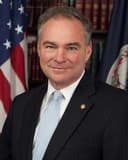
D· Virginia
YRS IN OFFICE
13
BILLS LED
108
ACTION TIMELINE
2 EVENTSMAR 10
Submitted in Senate
MAR 10
Referred to the Committee on Foreign Relations. (text: CR S965-966)
BILL INFO
TypeSenate Resolution
NumberSRES 637
Congress119th
StatusIn Committee
IntroducedMar 10, 2026
Last actionMar 10, 2026
READER REACTIONS
OVERALL SENTIMENT
No reactions yet. Be the first to weigh in.
Discussion
Loading comments...
IN COMMITTEE· 119TH CONGRESS · FOREIGN RELATIONS COMMITTEE · INTRODUCED MAR 10, 2026
Senate Res.SRES 637International Affairs
A resolution requesting information on the Republic of Cameroon's human rights practices pursuant to section 502B(c) of the Foreign Assistance Act 1961.
INTRODUCED MAR 10, 2026· LAST ACTION MAR 10, 2026
PASSAGE CHANCES
—%
READING
6 min
COSPONSORS
0
COMPLEXITY
Moderate