Bills · SRES 627
PASSED SENATE· 119TH CONGRESS
Senate Res.SRES 627Fraud offenses and financial crimesTelephone and wireless communication
A resolution designating March 5, 2026, as "National Slam the Scam Day" to raise awareness about pervasive scams and to prevent government imposter scams and other types of scams by promoting education about such scams.
INTRO MAR 5· LAST ACTION APR 15
READING
3MIN
COSPONSORS
9BIPARTISAN
READER REACTIONS0 TOTAL
NO VOTES YET · BE THE FIRST
- Non-binding
LEGISLATIVE PROGRESS
STEP 4 / 8Introduced
In Committee
Reported
Passed Senate
Passed House
Conference
To President
Became Law
WHAT THE BILL DOES
AI-writtenScams cost Americans billions of dollars each year, causing severe financial hardship for many, and trust in government agencies is eroded when scammers impersonate officials. This resolution matters because it's a formal statement by the Senate recognizing the severity of this problem and promoting a unified day of action to fight it. If this resolution passes, it provides a national platform to amplify existing anti-scam efforts, encouraging broader public participation in education and prevention on a specific day.
Without this resolution, efforts to combat scams would continue, but without a nationally designated day, they might lack the same level of coordinated attention and public spotlight. While the resolution itself doesn't create new laws or allocate funds, it serves as a symbolic call to action, potentially leading to increased discussions and vigilance among individuals, families, and organizations, which could ultimately help reduce the number of scam victims.
KEY PROVISIONS
5AI-extractedPROVISION 01
Designates March 5, 2026, as "National Slam the Scam Day."
This officially establishes a specific date for nationwide focus on scam prevention and education.
PROVISION 02
Recognizes the day as an opportunity to raise awareness about government imposter scams, where individuals impersonate government employees to defraud the public.
It targets a specific and pervasive type of scam that causes significant financial losses and erodes public trust.
PROVISION 03
Acknowledges the vital roles of law enforcement, consumer protection groups, telephone companies, and financial institutions in preventing scams and educating the public.
This highlights that a collaborative effort across various sectors is crucial for effective scam prevention.
PROVISION 04
Encourages the implementation of policies and programs to prevent scams and improve protections for Americans.
It serves as a call for ongoing action and improvement in how the nation tackles the scam problem.
PROVISION 05
Encourages members of the public to ignore scam attempts, share information with others, and report scams to relevant agencies.
This empowers individuals to take direct action and contribute to collective scam prevention efforts.
SPONSORSHIP
1 + 9
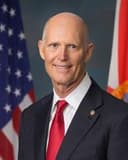
R· Florida
YRS IN OFFICE
7
BILLS LED
184
COSPONSOR BREAKDOWNBIPARTISAN · 88%
DEM 5 REP 4 IND 0
ACTION TIMELINE
7 EVENTSAPR 15
Senate Committee on the Judiciary discharged by Unanimous Consent.
APR 15
Passed/agreed to in Senate: Resolution agreed to in Senate without amendment and with a preamble by Unanimous Consent.
APR 15
Resolution agreed to in Senate without amendment and with a preamble by Unanimous Consent. (consideration: CR S1789)
MAR 5
Submitted in Senate
BILL INFO
TypeSenate Resolution
NumberSRES 627
Congress119th
StatusPassed Senate
IntroducedMar 5, 2026
Last actionApr 15, 2026
READER REACTIONS
OVERALL SENTIMENT
No reactions yet. Be the first to weigh in.
Discussion
Loading comments...
PASSED SENATE· 119TH CONGRESS · JUDICIARY COMMITTEE · INTRODUCED MAR 5, 2026
Senate Res.SRES 627Fraud offenses and financial crimesTelephone and wireless communication
A resolution designating March 5, 2026, as "National Slam the Scam Day" to raise awareness about pervasive scams and to prevent government imposter scams and other types of scams by promoting education about such scams.
INTRODUCED MAR 5, 2026· LAST ACTION APR 15, 2026
PASSAGE CHANCES
—%
READING
3 min
COSPONSORS
9
COMPLEXITY
Moderate