Bills · SRES 510
IN COMMITTEE· 119TH CONGRESS
Senate Res.SRES 510International Affairs
A resolution expressing the sense of the Senate that the 93rd anniversary of the Ukrainian Famine of 1932-1933, known as the "Holodomor", should serve as a reminder of repressive Soviet policies against the people of Ukraine, and that Vladimir Putin's brutal and unprovoked war against Ukraine once again threatens the existence of the Ukrainian people, while exacerbating the problems of global hunger.
INTRO NOV 20· LAST ACTION NOV 20
READING
7MIN
COSPONSORS
1
READER REACTIONS0 TOTAL
NO VOTES YET · BE THE FIRST
- Non-binding
LEGISLATIVE PROGRESS
STEP 2 / 8Introduced
In Committee
Reported
Passed Senate
Passed House
Conference
To President
Became Law
WHAT THE BILL DOES
AI-writtenThis bill matters because it represents a clear and formal statement of opinion from a powerful body of the U.S. government regarding a critical historical event and a significant ongoing international conflict. While it doesn't create new laws or spending, it sends a strong message of support to Ukraine and condemnation of Russia's actions, both to the American public and the international community. This official stance can influence diplomatic efforts and align U.S. foreign policy rhetoric.
If this resolution passes, it solidifies the Senate's official recognition of the Holodomor as a deliberate act of the Soviet Union and draws a direct parallel to current events, linking Russia's past and present aggressions against Ukraine. It also brings attention to the humanitarian crisis of global hunger exacerbated by the war. If it doesn't pass, it simply means the Senate has not formally adopted this specific statement, but individual senators may still hold these views.
KEY PROVISIONS
4AI-extractedPROVISION 01
The Senate formally condemns Russia's brutal and unprovoked war in Ukraine and Vladimir Putin's repeated denial of Ukrainian identity and sovereignty.
This provision clearly states the U.S. Senate's official disapproval of Russia's actions and its support for Ukraine's right to exist as a nation.
PROVISION 02
The resolution emphasizes that the 93rd anniversary of the Ukrainian Famine (Holodomor) should serve as a reminder of past Soviet repressive policies against Ukrainians.
It ensures continued remembrance and recognition of a historical tragedy, linking it to present-day threats to Ukraine.
PROVISION 03
It highlights how Russia's war in Ukraine, including attacks on agriculture and withdrawal from the Black Sea Grain Initiative, is using food as a weapon and worsening global hunger.
This provision calls attention to the serious humanitarian impact of the conflict, particularly on vulnerable populations worldwide.
PROVISION 04
The resolution affirms that Russia's war violates international law and undermines principles of sovereignty and territorial integrity.
It reinforces the Senate's commitment to foundational international legal principles and the protection of independent nations.
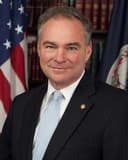
SPONSORSHIP
1 + 1
D· Virginia
YRS IN OFFICE
13
BILLS LED
108
COSPONSOR BREAKDOWNBIPARTISAN · 0%
DEM 0 REP 1 IND 0
ACTION TIMELINE
2 EVENTSNOV 20
Introduced in Senate
NOV 20
Referred to the Committee on Foreign Relations. (text: CR S8279-8280)
BILL INFO
TypeSenate Resolution
NumberSRES 510
Congress119th
StatusIn Committee
IntroducedNov 20, 2025
Last actionNov 20, 2025
READER REACTIONS
OVERALL SENTIMENT
No reactions yet. Be the first to weigh in.
Discussion
Loading comments...
IN COMMITTEE· 119TH CONGRESS · SENATE · INTRODUCED NOV 20, 2025
Senate Res.SRES 510International Affairs
A resolution expressing the sense of the Senate that the 93rd anniversary of the Ukrainian Famine of 1932-1933, known as the "Holodomor", should serve as a reminder of repressive Soviet policies against the people of Ukraine, and that Vladimir Putin's brutal and unprovoked war against Ukraine once again threatens the existence of the Ukrainian people, while exacerbating the problems of global hunger.
INTRODUCED NOV 20, 2025· LAST ACTION NOV 20, 2025
PASSAGE CHANCES
—%
READING
7 min
COSPONSORS
1
COMPLEXITY
Moderate