Bills · SRES 478
PASSED SENATE· 119TH CONGRESS
Senate Res.SRES 478Evidence and witnessesSenate
A resolution to authorize testimony, document production, and representation by the Senate Legal Counsel in the case of United States v. Kaminski.
INTRO OCT 30· LAST ACTION OCT 30
READING
2MIN
COSPONSORS
1
READER REACTIONS0 TOTAL
NO VOTES YET · BE THE FIRST
- Non-binding
LEGISLATIVE PROGRESS
STEP 4 / 8Introduced
In Committee
Reported
Passed Senate
Passed House
Conference
To President
Became Law
WHAT THE BILL DOES
AI-writtenThis resolution matters because it allows a federal court case, "United States v. Kaminski," to proceed by making potentially important evidence available from former Senate staff. Without this official Senate permission, the judicial system might not be able to obtain this evidence due to the Senate's rules regarding its control over internal information and employee testimony.
By authorizing the Senate Legal Counsel to represent the former employees, the resolution ensures that any testimony or documents provided are handled appropriately, protecting the Senate's institutional privileges while still cooperating with the justice system. It's a way for the Senate to balance its role in government with the legal system's need for information, ensuring transparency while also maintaining its own operational integrity.
KEY PROVISIONS
3AI-extractedPROVISION 01
Authorizes Ian Madigan and any other relevant former employees of former Senator Casey's office to provide testimony and documents in the case of United States v. Kaminski.
This directly allows for the release of potentially crucial evidence needed for a federal court case to proceed.
PROVISION 02
Authorizes the Senate Legal Counsel to represent Mr. Madigan and any other former employees covered by the resolution in connection with their testimony.
This provides legal support for the former Senate employees and helps ensure that Senate privileges are protected during the court proceeding.
PROVISION 03
Specifies that testimony and documents are not authorized if they concern matters for which a privilege or objection should be asserted.
This protects the Senate's institutional interests by preventing the disclosure of confidential or legally privileged information.
SPONSORSHIP
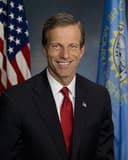
1 + 1
R· South Dakota
YRS IN OFFICE
29
BILLS LED
57
COSPONSOR BREAKDOWNBIPARTISAN · 0%
DEM 1 REP 0 IND 0
ACTION TIMELINE
3 EVENTSOCT 30
Introduced in Senate
OCT 30
Passed/agreed to in Senate: Submitted in the Senate, considered, and agreed to without amendment and with a preamble by Unanimous Consent.
OCT 30
Submitted in the Senate, considered, and agreed to without amendment and with a preamble by Unanimous Consent. (consideration: CR S7855; text: CR S7852)
BILL INFO
TypeSenate Resolution
NumberSRES 478
Congress119th
StatusPassed Senate
IntroducedOct 30, 2025
Last actionOct 30, 2025
READER REACTIONS
OVERALL SENTIMENT
No reactions yet. Be the first to weigh in.
Discussion
Loading comments...
PASSED SENATE· 119TH CONGRESS · SENATE · INTRODUCED OCT 30, 2025
Senate Res.SRES 478Evidence and witnessesSenate
A resolution to authorize testimony, document production, and representation by the Senate Legal Counsel in the case of United States v. Kaminski.
INTRODUCED OCT 30, 2025· LAST ACTION OCT 30, 2025
PASSAGE CHANCES
—%
READING
2 min
COSPONSORS
1
COMPLEXITY
Moderate