Bills · SRES 318
IN COMMITTEE· 119TH CONGRESS
Senate Res.SRES 318Health
A resolution recognizing that climate change poses a growing threat to public health and necessitates coordinated action to mitigate its impacts and safeguard the health and well-being of all people in the United States.
INTRO JUL 10· LAST ACTION JUL 10
READING
8MIN
COSPONSORS
4
READER REACTIONS0 TOTAL
NO VOTES YET · BE THE FIRST
- Non-binding
LEGISLATIVE PROGRESS
STEP 2 / 8Introduced
In Committee
Reported
Passed Senate
Passed House
Conference
To President
Became Law
WHAT THE BILL DOES
AI-writtenThis resolution matters because it's a formal declaration from the Senate that climate change is a significant public health crisis, signalling a legislative perspective on the issue. While it doesn't immediately change laws or directly fund programs, it can influence future policy decisions, agency priorities, and legislative agendas. If the 'sense of the Senate' expressed here gains broader support, it could pave the way for actual bills that allocate funding for improving healthcare infrastructure, enhancing disaster preparedness, and supporting vulnerable communities to better cope with climate-related health threats.
If this resolution is passed and its sentiments are embraced, it could encourage federal agencies like HHS to integrate climate resilience into their health strategies, leading to a more prepared healthcare system and potentially better health outcomes for people facing climate impacts. Without such recognition and an expressed sense of urgency, governmental action to address the public health dimensions of climate change might remain less coordinated or prioritized, potentially leaving communities and healthcare systems more vulnerable.
KEY PROVISIONS
5AI-extractedPROVISION 01
Recognizes climate change as the most significant threat to human health in the 21st century, backed by scientific consensus and medical journals.
This foundational statement establishes the official stance on the severity of climate change's health impacts from the Senate's perspective.
PROVISION 02
Details numerous specific health consequences of climate change, including worsening respiratory diseases, increasing cardiovascular risks, and exacerbating mental health issues.
It provides a comprehensive list of direct health impacts, justifying the need for coordinated action.
PROVISION 03
Highlights that historically underserved communities, people with disabilities, and certain workers face disproportionate health risks from climate hazards.
This emphasizes the equity considerations, drawing attention to groups most vulnerable to climate-related health challenges.
PROVISION 04
Expresses that the Department of Health and Human Services (HHS) should increase the health sector's ability to prepare for and respond to climate change, including strengthening infrastructure.
This directly calls upon a key federal agency to take steps to bolster the resilience of the nation's healthcare system against climate impacts.
PROVISION 05
Suggests that any future Congressional funding for climate resilience projects in healthcare should be distributed without delay and prioritize historically underserved communities.
This outlines a desired approach for the efficient and equitable allocation of potential future resources aimed at climate adaptation in healthcare.
SPONSORSHIP
1 + 4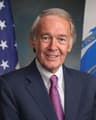
D· Massachusetts
YRS IN OFFICE
51
BILLS LED
160
COSPONSOR BREAKDOWNBIPARTISAN · 0%
DEM 4 REP 0 IND 0
ACTION TIMELINE
2 EVENTSJUL 10
Introduced in Senate
JUL 10
Referred to the Committee on Health, Education, Labor, and Pensions. (text: CR S4318-4319)
BILL INFO
TypeSenate Resolution
NumberSRES 318
Congress119th
StatusIn Committee
IntroducedJul 10, 2025
Last actionJul 10, 2025
READER REACTIONS
OVERALL SENTIMENT
No reactions yet. Be the first to weigh in.
Discussion
Loading comments...
IN COMMITTEE· 119TH CONGRESS · HEALTH, EDUCATION, LABOR, AND PENSIONS COMMITTEE · INTRODUCED JUL 10, 2025
Senate Res.SRES 318Health
A resolution recognizing that climate change poses a growing threat to public health and necessitates coordinated action to mitigate its impacts and safeguard the health and well-being of all people in the United States.
INTRODUCED JUL 10, 2025· LAST ACTION JUL 10, 2025
PASSAGE CHANCES
—%
READING
8 min
COSPONSORS
4
COMPLEXITY
Moderate