Bills · SRES 182
IN COMMITTEE· 119TH CONGRESS
Senate Res.SRES 182Health
A resolution supporting the goals and ideals of National Public Health Week.
INTRO APR 10· LAST ACTION APR 10
READING
9MIN
COSPONSORS
0
READER REACTIONS0 TOTAL
NO VOTES YET · BE THE FIRST
- Non-binding
LEGISLATIVE PROGRESS
STEP 2 / 8Introduced
In Committee
Reported
Passed Senate
Passed House
Conference
To President
Became Law
WHAT THE BILL DOES
AI-writtenThis resolution matters because it represents a formal acknowledgment by the U.S. Senate of the crucial role public health plays in the well-being of the nation. While it doesn't enact new policies, it draws attention to critical issues like declining life expectancy, persistent health disparities, and major public health threats such as chronic diseases, violence, and addiction. By highlighting both challenges and past successes, it keeps these topics in the public and legislative conversation.
If this resolution becomes law (passes the Senate), it reinforces the message that public health is a priority. If it doesn't pass, it simply means the Senate hasn't formally endorsed National Public Health Week and its goals through this specific measure, but it wouldn't change the underlying public health landscape or ongoing efforts. Its primary impact is in its symbolic weight and its role in raising awareness among policymakers and the public.
KEY PROVISIONS
5AI-extractedPROVISION 01
Recognizes the week of April 7, 2025, as National Public Health Week and supports its goals and theme of 'It Starts Here.'
Formally acknowledges and endorses a national campaign dedicated to raising awareness about public health.
PROVISION 02
Highlights the decline in U.S. life expectancy from 2019 to 2021 as a significant public health concern.
Draws attention to a critical and concerning trend in national health outcomes.
PROVISION 03
Underscores the persistent health disparities experienced by racial and ethnic minority populations in rates of illness and death.
Emphasizes the ongoing need for efforts to achieve health equity across all demographic groups.
PROVISION 04
Celebrates numerous public health achievements over the past 30 years, including reduced smoking rates, increased health insurance coverage, and decreased childhood mortality.
Provides historical context and demonstrates the positive impact of sustained public health initiatives.
PROVISION 05
Expresses concern over proposed cuts to Medicaid and restructuring within the Department of Health and Human Services.
Reflects a legislative stance on potential changes that could impact public health services and workforce.
SPONSORSHIP
1 + 0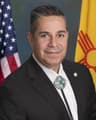
D· New Mexico
YRS IN OFFICE
17
BILLS LED
86
ACTION TIMELINE
2 EVENTSAPR 10
Introduced in Senate
APR 10
Referred to the Committee on Health, Education, Labor, and Pensions. (text: CR S2576-2577)
BILL INFO
TypeSenate Resolution
NumberSRES 182
Congress119th
StatusIn Committee
IntroducedApr 10, 2025
Last actionApr 10, 2025
READER REACTIONS
OVERALL SENTIMENT
No reactions yet. Be the first to weigh in.
Discussion
Loading comments...
IN COMMITTEE· 119TH CONGRESS · HEALTH, EDUCATION, LABOR, AND PENSIONS COMMITTEE · INTRODUCED APR 10, 2025
Senate Res.SRES 182Health
A resolution supporting the goals and ideals of National Public Health Week.
INTRODUCED APR 10, 2025· LAST ACTION APR 10, 2025
PASSAGE CHANCES
—%
READING
9 min
COSPONSORS
0
COMPLEXITY
Moderate