Bills · S 896
IN COMMITTEE· 119TH CONGRESS
Senate BillS 896Energy
Co-Location Energy Act
INTRO MAR 6· LAST ACTION MAR 6
READING
3MIN
COSPONSORS
1
READER REACTIONS0 TOTAL
NO VOTES YET · BE THE FIRST
- Introduced only
LEGISLATIVE PROGRESS
STEP 2 / 8Introduced
In Committee
Reported
Passed Senate
Passed House
Conference
To President
Became Law
WHAT THE BILL DOES
AI-writtenThis bill matters because it could streamline the development of renewable energy projects in the United States. By allowing solar and wind farms to be built on land already disturbed and utilized for energy production, it could reduce the need to find and develop entirely new parcels of federal land, potentially mitigating conflicts over land use and speeding up project approvals. If it becomes law, it could lead to faster expansion of renewable energy capacity, possibly lowering energy costs and contributing to climate goals. If it doesn't pass, renewable energy developers would continue to primarily seek out new, undeveloped federal lands, which can lead to longer permitting processes and more complex environmental reviews.
KEY PROVISIONS
4AI-extractedPROVISION 01
Authorizes the Secretary of the Interior to allow evaluation of existing federal oil, gas, and geothermal lease areas for solar or wind energy development.
This initiates the process for assessing suitability of currently leased lands for new renewable projects.
PROVISION 02
Requires the consent of the current leaseholder before any evaluation or permit for renewable energy development can be granted on their existing leased area.
This protects the rights and operations of existing energy companies, giving them a say in how their leased land is used.
PROVISION 03
Authorizes the Secretary to issue permits for the construction and operation of solar or wind energy systems on these existing federal lease areas.
This provides the legal framework for actually building and operating renewable energy projects on these sites.
PROVISION 04
Directs the Secretary to determine within 180 days if certain actions related to these renewable energy projects qualify for expedited environmental review.
This could significantly speed up the approval process for renewable energy projects by reducing the time needed for environmental assessments.
SPONSORSHIP
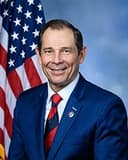
1 + 1
R· Utah
YRS IN OFFICE
8
BILLS LED
52
COSPONSOR BREAKDOWNBIPARTISAN · 0%
DEM 1 REP 0 IND 0
ACTION TIMELINE
2 EVENTSMAR 6
Introduced in Senate
MAR 6
Read twice and referred to the Committee on Environment and Public Works.
BILL INFO
TypeSenate Bill
NumberS 896
Congress119th
StatusIn Committee
IntroducedMar 6, 2025
Last actionMar 6, 2025
READER REACTIONS
OVERALL SENTIMENT
No reactions yet. Be the first to weigh in.
Discussion
Loading comments...
IN COMMITTEE· 119TH CONGRESS · ENVIRONMENT AND PUBLIC WORKS COMMITTEE · INTRODUCED MAR 6, 2025
Senate BillS 896Energy
Co-Location Energy Act
INTRODUCED MAR 6, 2025· LAST ACTION MAR 6, 2025
PASSAGE CHANCES
—%
READING
3 min
COSPONSORS
1
COMPLEXITY
Moderate