Bills · S 832
IN COMMITTEE· 119TH CONGRESS
Senate BillS 832Health
EPIC Act of 2025
INTRO MAR 4· LAST ACTION MAR 4
READING
1MIN
COSPONSORS
7
READER REACTIONS0 TOTAL
NO VOTES YET · BE THE FIRST
- Introduced only
LEGISLATIVE PROGRESS
STEP 2 / 8Introduced
In Committee
Reported
Passed Senate
Passed House
Conference
To President
Became Law
WHAT THE BILL DOES
AI-writtenThis bill is important because it directly impacts the cost of prescription drugs for millions of Americans on Medicare, as well as the overall spending of the Medicare program. If this bill passes, prices for many widely used prescription drugs (small-molecule drugs) could remain higher for an additional four years compared to current law, delaying potential savings for patients and for Medicare itself.
For voters, this means considering the potential benefits of encouraging drug innovation by giving companies more time to earn back their investment versus the costs of higher drug prices for a longer period. If the bill does not pass, the current schedule for drug price negotiation will continue, with small-molecule drugs becoming eligible for negotiation after 7 years.
KEY PROVISIONS
3AI-extractedPROVISION 01
Amends the Social Security Act to extend the period before certain drugs become eligible for price negotiation under the Medicare Drug Price Negotiation Program.
This provision gives drug manufacturers more time before the government can negotiate lower prices for some of their products.
PROVISION 02
Specifies that for initial price applicability year 2028 and beyond, small-molecule drugs must have been approved for at least 11 years before being eligible for price negotiation.
This changes the current 7-year eligibility period for small-molecule drugs to 11 years, aligning it with the period for biologic drugs.
PROVISION 03
Maintains the current 7-year negotiation eligibility period for small-molecule drugs for initial price applicability years 2026 and 2027.
The change in the negotiation timeline does not immediately impact the very first years of the program's operation.
SPONSORSHIP
1 + 7
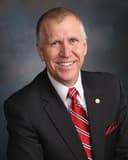
R· North Carolina
YRS IN OFFICE
11
BILLS LED
58
COSPONSOR BREAKDOWNBIPARTISAN · 0%
DEM 0 REP 7 IND 0
ACTION TIMELINE
2 EVENTSMAR 4
Introduced in Senate
MAR 4
Read twice and referred to the Committee on Finance.
BILL INFO
TypeSenate Bill
NumberS 832
Congress119th
StatusIn Committee
IntroducedMar 4, 2025
Last actionMar 4, 2025
READER REACTIONS
OVERALL SENTIMENT
No reactions yet. Be the first to weigh in.
Discussion
Loading comments...
IN COMMITTEE· 119TH CONGRESS · FINANCE COMMITTEE · INTRODUCED MAR 4, 2025
Senate BillS 832Health
EPIC Act of 2025
INTRODUCED MAR 4, 2025· LAST ACTION MAR 4, 2025
PASSAGE CHANCES
—%
READING
1 min
COSPONSORS
7
COMPLEXITY
Moderate