Bills · S 801
IN COMMITTEE· 119TH CONGRESS
Senate BillS 801Licensing and registrationsEmployment and training programs
Higher Education Reform and Opportunity Act
INTRO FEB 27· LAST ACTION FEB 27
READING
21MIN
COSPONSORS
0
READER REACTIONS0 TOTAL
NO VOTES YET · BE THE FIRST
- Introduced only
LEGISLATIVE PROGRESS
STEP 2 / 8Introduced
In Committee
Reported
Passed Senate
Passed House
Conference
To President
Became Law
WHAT THE BILL DOES
AI-writtenThis bill matters because it would fundamentally change how Americans pay for higher education, potentially leading to significant financial shifts for students and their families. If it becomes law, it would eliminate various federal loan programs, replacing them with a more straightforward but possibly less flexible system. Voters should care because these changes could mean less money available through federal loans, potentially making college less accessible for some or forcing more students to rely on private loans, which often have higher interest rates and fewer consumer protections.
The removal of loan forgiveness eligibility for new loans is also a major concern, as it means future borrowers would lose a critical safety net that can reduce or eliminate debt under certain circumstances. This could result in higher lifetime debt burdens for students and might influence their career choices, especially for those considering lower-paying public service jobs. If this bill does not pass, the current federal student loan system, with its existing loan types, interest rates, borrowing limits, and forgiveness programs, would remain in place.
KEY PROVISIONS
5AI-extractedPROVISION 01
Ends most existing federal student loan types for new borrowers by June 30, 2025, and for all new loans by September 30, 2028.
This completely overhauls the current federal student loan system, removing access to established loan programs for future students.
PROVISION 02
Creates a new "Federal Direct simplification loan" program starting July 1, 2025, with specific interest rates for undergraduate (capped at 8.25%) and graduate (capped at 9.5%) students.
These fixed-rate loans become the primary federal loan option, with interest accruing immediately upon disbursement.
PROVISION 03
Sets new, generally lower, annual and total borrowing limits for the simplification loans based on student type (dependent/independent undergraduate, graduate/professional).
Students may find it harder to borrow enough to cover tuition and living expenses, potentially increasing reliance on private loans or limiting college choices.
PROVISION 04
Establishes fixed repayment terms of 15 years for undergraduate loans and 25 years for graduate loans under the simplification program, with repayment beginning 6 months after withdrawal or after 125% of program duration.
These fixed terms could mean higher monthly payments for some borrowers compared to current income-driven repayment options, but provide predictable repayment paths.
PROVISION 05
Prohibits Federal Direct simplification loans from being eligible for any student loan forgiveness programs.
This eliminates a key financial safety net and potential benefit for future borrowers, regardless of career path or financial hardship.
SPONSORSHIP
1 + 0
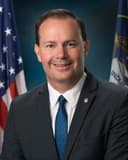
R· Utah
YRS IN OFFICE
15
BILLS LED
138
ACTION TIMELINE
2 EVENTSFEB 27
Introduced in Senate
FEB 27
Read twice and referred to the Committee on Health, Education, Labor, and Pensions.
BILL INFO
TypeSenate Bill
NumberS 801
Congress119th
StatusIn Committee
IntroducedFeb 27, 2025
Last actionFeb 27, 2025
READER REACTIONS
OVERALL SENTIMENT
No reactions yet. Be the first to weigh in.
Discussion
Loading comments...
IN COMMITTEE· 119TH CONGRESS · HEALTH, EDUCATION, LABOR, AND PENSIONS COMMITTEE · INTRODUCED FEB 27, 2025
Senate BillS 801Licensing and registrationsEmployment and training programs
Higher Education Reform and Opportunity Act
INTRODUCED FEB 27, 2025· LAST ACTION FEB 27, 2025
PASSAGE CHANCES
—%
READING
21 min
COSPONSORS
0
COMPLEXITY
Moderate