Bills · S 769
REPORTED· 119TH CONGRESS
Senate BillS 769Research administration and fundingInternational scientific cooperation
United States Research Protection Act of 2025
INTRO FEB 27· LAST ACTION JUL 22
READING
2MIN
COSPONSORS
4BIPARTISAN
READER REACTIONS0 TOTAL
NO VOTES YET · BE THE FIRST
- Reported, not passed
LEGISLATIVE PROGRESS
STEP 3 / 8Introduced
In Committee
Reported
Passed Senate
Passed House
Conference
To President
Became Law
WHAT THE BILL DOES
AI-writtenVoters should care about this bill because it aims to protect American scientific and technological advancements, which are crucial for national security and economic competitiveness. By clarifying the definition of "foreign country of concern" and broadening what counts as foreign support, the bill seeks to prevent rival nations from illicitly acquiring U.S. intellectual property or leveraging American research talent against U.S. interests. This could help safeguard taxpayer-funded research and maintain the country's innovation edge.
If this bill becomes law, it could lead to stricter scrutiny of international research collaborations and talent recruitment efforts, particularly with entities from designated "countries of concern." If it doesn't pass, the existing, less precise definitions would remain in place, which some argue could leave U.S. research vulnerable to exploitation.
KEY PROVISIONS
3AI-extractedPROVISION 01
The bill changes the term "foreign country" to "foreign country of concern" within the relevant legal definition.
This aims to focus the restrictions specifically on countries identified as posing a risk to U.S. research interests.
PROVISION 02
It expands the scope of certain activities by changing "directly provided" to "whether directly or indirectly provided."
This aims to close potential loopholes by including various forms of foreign support or involvement, not just direct ones.
PROVISION 03
The bill streamlines the definition's structure by altering its introductory phrasing and removing a specific subparagraph (B) from the existing definition.
This revises how "malign foreign talent recruitment" is defined, though the specific impact of removing subparagraph (B) is not detailed in the provided text.
SPONSORSHIP
1 + 4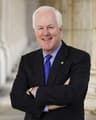
R· Texas
YRS IN OFFICE
23
BILLS LED
136
COSPONSOR BREAKDOWNBIPARTISAN · 50%
DEM 1 REP 3 IND 0
ACTION TIMELINE
5 EVENTSJUL 22
Committee on Commerce, Science, and Transportation. Reported by Senator Cruz without amendment. With written report No. 119-45.
JUL 22
Placed on Senate Legislative Calendar under General Orders. Calendar No. 123.
APR 30
Committee on Commerce, Science, and Transportation. Ordered to be reported without amendment favorably.
FEB 27
Introduced in Senate
BILL INFO
TypeSenate Bill
NumberS 769
Congress119th
StatusReported
IntroducedFeb 27, 2025
Last actionJul 22, 2025
READER REACTIONS
OVERALL SENTIMENT
No reactions yet. Be the first to weigh in.
Discussion
Loading comments...
REPORTED· 119TH CONGRESS · COMMERCE, SCIENCE, AND TRANSPORTATION COMMITTEE · INTRODUCED FEB 27, 2025
Senate BillS 769Research administration and fundingInternational scientific cooperation
United States Research Protection Act of 2025
INTRODUCED FEB 27, 2025· LAST ACTION JUL 22, 2025
PASSAGE CHANCES
—%
READING
2 min
COSPONSORS
4
COMPLEXITY
Moderate