Bills · S 677
IN COMMITTEE· 119TH CONGRESS
Senate BillS 677Aviation and airportsUser charges and fees
Border Airport Fairness Act of 2025
INTRO FEB 20· LAST ACTION FEB 20
READING
2MIN
COSPONSORS
3BIPARTISAN
READER REACTIONS0 TOTAL
NO VOTES YET · BE THE FIRST
- Introduced only
LEGISLATIVE PROGRESS
STEP 2 / 8Introduced
In Committee
Reported
Passed Senate
Passed House
Conference
To President
Became Law
WHAT THE BILL DOES
AI-writtenThis bill matters because it could significantly change how international travel and trade occur at certain airports near U.S. borders. If it becomes law, it would create new official entry points into the U.S., making it more convenient and potentially cheaper for people and goods to cross the border by air in those specific regions. This could boost local economies in border areas by encouraging more direct international flights and facilitating cross-border commerce.
Without this bill, these airports would likely continue to operate without full port-of-entry status, meaning international flights might be less common or require additional processing steps, and travelers and businesses might still have to pay user fees for customs services. This bill aims to streamline border crossings and reduce financial burdens for airports and their users in these particular border communities.
KEY PROVISIONS
3AI-extractedPROVISION 01
The President must designate primary airports located within 30 miles of the U.S. international land borders as official ports of entry.
This provision creates new official entry points into the U.S., expanding international travel and trade options in specific border regions.
PROVISION 02
These designated airports must have a formal legal connection to an existing land border crossing or seaport within 30 miles and meet U.S. Customs and Border Protection's numerical criteria for establishing a port of entry.
These criteria ensure that new ports of entry are strategically located and already have a demonstrable need and infrastructure connection to existing border operations.
PROVISION 03
The user fee requirement for customs services will be terminated for any airport designated as a port of entry under this act.
Eliminating these fees reduces the cost burden for airlines and travelers using these border airports for international entry.
SPONSORSHIP
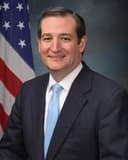
1 + 3
R· Texas
YRS IN OFFICE
13
BILLS LED
0
COSPONSOR BREAKDOWNBIPARTISAN · 66%
DEM 2 REP 1 IND 0
ACTION TIMELINE
2 EVENTSFEB 20
Introduced in Senate
FEB 20
Read twice and referred to the Committee on Finance.
BILL INFO
TypeSenate Bill
NumberS 677
Congress119th
StatusIn Committee
IntroducedFeb 20, 2025
Last actionFeb 20, 2025
READER REACTIONS
OVERALL SENTIMENT
No reactions yet. Be the first to weigh in.
Discussion
Loading comments...
IN COMMITTEE· 119TH CONGRESS · FINANCE COMMITTEE · INTRODUCED FEB 20, 2025
Senate BillS 677Aviation and airportsUser charges and fees
Border Airport Fairness Act of 2025
INTRODUCED FEB 20, 2025· LAST ACTION FEB 20, 2025
PASSAGE CHANCES
—%
READING
2 min
COSPONSORS
3
COMPLEXITY
Moderate