Bills · S 578
IN COMMITTEE· 119TH CONGRESS
Senate BillS 578Immigration
BEST Facilitation Act
INTRO FEB 13· LAST ACTION FEB 13
READING
9MIN
COSPONSORS
3BIPARTISAN
READER REACTIONS0 TOTAL
NO VOTES YET · BE THE FIRST
- Introduced only
LEGISLATIVE PROGRESS
STEP 2 / 8Introduced
In Committee
Reported
Passed Senate
Passed House
Conference
To President
Became Law
WHAT THE BILL DOES
AI-writtenVoters should care about this bill because it proposes a significant change to how U.S. border security operates, particularly concerning the screening of vehicles and cargo. If this bill becomes law, it could lead to faster processing times at ports of entry, potentially easing trade and travel, while also enhancing efforts to detect and prevent the entry of illegal drugs, weapons, and individuals. By allowing specialized technicians to focus solely on image analysis, uniformed CBP officers might be freed up to concentrate on other critical law enforcement duties.
Without this bill, the current system of image analysis at ports of entry would remain unchanged, meaning uniformed officers would continue to bear the primary responsibility for reviewing all non-intrusive inspection images alongside their other duties. The implementation of this pilot could represent a more efficient use of resources and technology, addressing ongoing concerns about border security and the flow of commerce, but it also introduces new administrative structures and potential costs.
KEY PROVISIONS
5AI-extractedPROVISION 01
Establishes a pilot program for 'Image Technician 1' and 'Image Technician 2' positions within CBP's Office of Field Operations.
This creates new, specialized civilian roles dedicated to image analysis, potentially increasing efficiency and focus on a critical aspect of border security.
PROVISION 02
Image Technicians will remotely review non-intrusive inspection images of conveyances and containers and recommend release or further inspection to uniformed CBP officers.
This centralizes and specializes the initial image review process, aiming to streamline operations and enhance detection capabilities at ports of entry.
PROVISION 03
Requires all Image Technicians to receive annual training and assessments on image analysis, identifying contraband, privacy rights, and current smuggling tactics.
Ensures that technicians maintain high levels of skill, accuracy, and awareness of evolving threats and legal considerations, which is crucial for effective border security.
PROVISION 04
Mandates the establishment of 5 regional command centers where these image technicians will work.
This provisions outlines the physical infrastructure needed for the remote image analysis program, centralizing operations for greater efficiency and oversight.
PROVISION 05
Uniformed Supervisory U.S. Customs and Border Protection Officers will oversee Image Technicians and retain final decision-making authority.
This ensures that law enforcement maintains ultimate control over inspection and release decisions, integrating the new civilian roles into existing operational structures.
SPONSORSHIP
1 + 3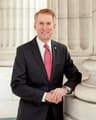
R· Oklahoma
YRS IN OFFICE
15
BILLS LED
77
COSPONSOR BREAKDOWNBIPARTISAN · 66%
DEM 2 REP 1 IND 0
ACTION TIMELINE
2 EVENTSFEB 13
Introduced in Senate
FEB 13
Read twice and referred to the Committee on Homeland Security and Governmental Affairs.
BILL INFO
TypeSenate Bill
NumberS 578
Congress119th
StatusIn Committee
IntroducedFeb 13, 2025
Last actionFeb 13, 2025
READER REACTIONS
OVERALL SENTIMENT
No reactions yet. Be the first to weigh in.
Discussion
Loading comments...
IN COMMITTEE· 119TH CONGRESS · HOMELAND SECURITY AND GOVERNMENTAL AFFAIRS COMMITTEE · INTRODUCED FEB 13, 2025
Senate BillS 578Immigration
BEST Facilitation Act
INTRODUCED FEB 13, 2025· LAST ACTION FEB 13, 2025
PASSAGE CHANCES
—%
READING
9 min
COSPONSORS
3
COMPLEXITY
Moderate