Bills · S 576
IN COMMITTEE· 119TH CONGRESS
Senate BillS 576Government buildings, facilities, and propertyNational symbols
One Flag for All Act
INTRO FEB 13· LAST ACTION FEB 13
READING
3MIN
COSPONSORS
4
READER REACTIONS0 TOTAL
NO VOTES YET · BE THE FIRST
- Introduced only
LEGISLATIVE PROGRESS
STEP 2 / 8Introduced
In Committee
Reported
Passed Senate
Passed House
Conference
To President
Became Law
WHAT THE BILL DOES
AI-writtenThis bill matters because it changes what symbols are officially displayed on federal properties, which can influence public perception of national unity and diversity. If it becomes law, it would ensure that the U.S. flag is the predominant symbol at federal buildings, potentially reinforcing a single national identity. This could be seen as a move to reduce perceived divisiveness or to prioritize symbols associated with the nation as a whole over those of specific groups.
Conversely, if it doesn't pass, federal buildings could continue to display a wider range of flags, reflecting various identities, causes, or communities. The bill touches on issues of free expression, the role of government buildings as symbolic spaces, and the balance between national identity and the recognition of diverse groups within the nation. Voters should care because it impacts the visual representation of government and what messages federal property can convey to citizens.
KEY PROVISIONS
3AI-extractedPROVISION 01
Prohibits the display of any flag other than the U.S. flag on the exterior or in public-accessible interior areas of covered public buildings.
This establishes a clear default policy for flag display on federal property, limiting the types of symbols officially shown.
PROVISION 02
Defines "covered public buildings" to include buildings of Congress, military installations, U.S. embassies, consulates, and other federal public buildings.
This clarifies the broad scope of federal properties where the prohibition would apply.
PROVISION 03
Lists specific exceptions, allowing flags such as POW/MIA, Hostage, military unit, historical U.S. flags, state/local, tribal, and federal agency flags.
These exceptions carve out specific instances where other flags can still be displayed, acknowledging certain recognized symbols and affiliations.
SPONSORSHIP
1 + 4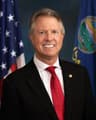
R· Kansas
YRS IN OFFICE
9
BILLS LED
73
COSPONSOR BREAKDOWNBIPARTISAN · 0%
DEM 0 REP 4 IND 0
ACTION TIMELINE
2 EVENTSFEB 13
Introduced in Senate
FEB 13
Read twice and referred to the Committee on the Judiciary.
BILL INFO
TypeSenate Bill
NumberS 576
Congress119th
StatusIn Committee
IntroducedFeb 13, 2025
Last actionFeb 13, 2025
READER REACTIONS
OVERALL SENTIMENT
No reactions yet. Be the first to weigh in.
Discussion
Loading comments...
IN COMMITTEE· 119TH CONGRESS · JUDICIARY COMMITTEE · INTRODUCED FEB 13, 2025
Senate BillS 576Government buildings, facilities, and propertyNational symbols
One Flag for All Act
INTRODUCED FEB 13, 2025· LAST ACTION FEB 13, 2025
PASSAGE CHANCES
—%
READING
3 min
COSPONSORS
4
COMPLEXITY
Moderate