Bills · S 518
IN COMMITTEE· 119TH CONGRESS
Senate BillS 518Science, Technology, Communications
Defund Government-Sponsored Propaganda Act
INTRO FEB 11· LAST ACTION FEB 11
READING
2MIN
COSPONSORS
0
READER REACTIONS0 TOTAL
NO VOTES YET · BE THE FIRST
- Introduced only
LEGISLATIVE PROGRESS
STEP 2 / 8Introduced
In Committee
Reported
Passed Senate
Passed House
Conference
To President
Became Law
WHAT THE BILL DOES
AI-writtenThis bill matters because it fundamentally changes how public broadcasting in the United States is funded. If it becomes law, PBS and NPR would lose a significant source of their operating budget, which could impact their ability to create and distribute educational, news, and cultural programming that millions rely on, especially in areas with limited commercial media options. This could lead to fewer free, non-commercial public media options for the American public.
Conversely, supporters believe it's important because it would stop what they consider government-sponsored media and direct those funds toward reducing the national debt, addressing a major fiscal concern. If it doesn't become law, the current funding model for PBS and NPR would largely remain in place, with federal funds continuing to support their operations alongside private donations.
KEY PROVISIONS
3AI-extractedPROVISION 01
The bill explicitly prohibits all federal funds from being made available to or used to support the Public Broadcasting Service (PBS) and National Public Radio (NPR).
This provision completely cuts off federal financial support for two major public media organizations.
PROVISION 02
The prohibition extends to any successor organizations to PBS or NPR, ensuring that the ban on federal funding cannot be circumvented by renaming these entities.
This prevents future attempts to restore funding to the same organizations under different names.
PROVISION 03
Funds that would have been provided to PBS and NPR for fiscal years 2025, 2026, and 2027 will instead be transferred to an account specifically for reducing the public debt.
This provision reallocates the funding to a different government purpose, directly addressing the national debt.
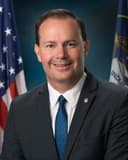
SPONSORSHIP
1 + 0
R· Utah
YRS IN OFFICE
15
BILLS LED
138
ACTION TIMELINE
2 EVENTSFEB 11
Introduced in Senate
FEB 11
Read twice and referred to the Committee on Commerce, Science, and Transportation.
BILL INFO
TypeSenate Bill
NumberS 518
Congress119th
StatusIn Committee
IntroducedFeb 11, 2025
Last actionFeb 11, 2025
READER REACTIONS
OVERALL SENTIMENT
No reactions yet. Be the first to weigh in.
Discussion
Loading comments...
IN COMMITTEE· 119TH CONGRESS · COMMERCE, SCIENCE, AND TRANSPORTATION COMMITTEE · INTRODUCED FEB 11, 2025
Senate BillS 518Science, Technology, Communications
Defund Government-Sponsored Propaganda Act
INTRODUCED FEB 11, 2025· LAST ACTION FEB 11, 2025
PASSAGE CHANCES
—%
READING
2 min
COSPONSORS
0
COMPLEXITY
Moderate