Bills · S 453
IN COMMITTEE· 119TH CONGRESS
Senate BillS 453First responders and emergency personnelEnvironmental assessment, monitoring, research
Wildfire Intelligence Collaboration and Coordination Act of 2025
INTRO FEB 6· LAST ACTION FEB 6
READING
12MIN
COSPONSORS
5BIPARTISAN
READER REACTIONS0 TOTAL
NO VOTES YET · BE THE FIRST
- Introduced only
LEGISLATIVE PROGRESS
STEP 2 / 8Introduced
In Committee
Reported
Passed Senate
Passed House
Conference
To President
Became Law
WHAT THE BILL DOES
AI-writtenVoters should care about this bill because wildfires are an increasing threat across the United States, causing massive destruction, health issues from smoke, and significant economic losses. Currently, information and resources related to wildfire management are spread across many different agencies and entities, leading to inefficiencies and challenges in coordinating responses.
If this bill becomes law, it aims to consolidate critical wildfire data, research, and predictive services into one central hub. This could lead to more effective wildfire prevention, faster and more coordinated emergency responses, and better planning for community safety and post-fire recovery. If it doesn't pass, the existing fragmented system for wildfire intelligence and coordination would continue, potentially leaving communities and responders less prepared for future fire seasons.
KEY PROVISIONS
4AI-extractedPROVISION 01
Establishes a Wildfire Intelligence Center as a joint office within the Departments of Agriculture, Commerce, and the Interior.
This creates a dedicated, interagency entity focused solely on centralizing wildfire data and expertise.
PROVISION 02
The Center will develop and operate comprehensive assessment and prediction services for wildland fires and fires impacting built environments.
This means communities and responders will have better information to understand fire risks and anticipate fire behavior.
PROVISION 03
The Center is tasked with facilitating collaboration and information sharing among all levels of government, academia, and the private sector on wildfire matters.
This aims to break down silos and ensure that all relevant parties have access to consistent and timely wildfire intelligence.
PROVISION 04
Its functions include providing real-time scientific analysis, creating a nationwide wildfire risk catalog, and assisting with evacuation and public safety power shutoff plans.
These specific services directly help protect communities and improve operational decision-making before, during, and after wildfires.
SPONSORSHIP
1 + 5
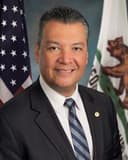
D· California
YRS IN OFFICE
3
BILLS LED
108
COSPONSOR BREAKDOWNBIPARTISAN · 80%
DEM 3 REP 2 IND 0
ACTION TIMELINE
2 EVENTSFEB 6
Introduced in Senate
FEB 6
Read twice and referred to the Committee on Agriculture, Nutrition, and Forestry. (Sponsor introductory remarks on measure: CR S794-795)
BILL INFO
TypeSenate Bill
NumberS 453
Congress119th
StatusIn Committee
IntroducedFeb 6, 2025
Last actionFeb 6, 2025
READER REACTIONS
OVERALL SENTIMENT
No reactions yet. Be the first to weigh in.
Discussion
Loading comments...
IN COMMITTEE· 119TH CONGRESS · AGRICULTURE, NUTRITION, AND FORESTRY COMMITTEE · INTRODUCED FEB 6, 2025
Senate BillS 453First responders and emergency personnelEnvironmental assessment, monitoring, research
Wildfire Intelligence Collaboration and Coordination Act of 2025
INTRODUCED FEB 6, 2025· LAST ACTION FEB 6, 2025
PASSAGE CHANCES
—%
READING
12 min
COSPONSORS
5
COMPLEXITY
Moderate