Bills · S 4269
IN COMMITTEE· 119TH CONGRESS
Senate BillS 4269Education
Restoring College Access and Affordability Act
This bill reverts student loan and Pell Grant rules to their previous versions and cuts off federal funding for college programs that do not lead to high-paying careers.AI-written
INTRO MAR 26· LAST ACTION MAR 26
PASSAGE CHANCESLONG SHOT
10%
READING
6MIN
COSPONSORS
7
READER REACTIONS0 TOTAL
NO VOTES YET · BE THE FIRST
- Introduced only
tl;dr
AI-writtenRepeals recent overhauls of the student loan system to restore previous borrowing and forgiveness rules, while banning federal aid for college programs that leave students with high debt and low-paying jobs.
LEGISLATIVE PROGRESS
STEP 2 / 8Introduced
In Committee
Reported
Passed Senate
Passed House
Conference
To President
Became Law
WHAT THE BILL DOES
AI-writtenThis bill matters because it represents a tug-of-war over how the government should handle the student debt crisis. If you are currently planning how to pay for college or are already making loan payments, this bill could change your monthly costs and your eligibility for help. It reflects a major policy shift toward 'gainful employment' rules—the idea that the government shouldn't subsidize degrees that don't lead to decent-paying jobs.
If this becomes law, it simplifies the tax on wealthy universities but could create confusion for borrowers who were already adjusting to the newer rules being repealed. It is essentially an attempt to restore a previous status quo while adding new accountability measures for colleges that charge high tuition for low-value degrees.
KEY PROVISIONS
5AI-extractedPROVISION 01
Repeals recent changes to student loan limits and repayment structures.
It reverts the rules for how much students can borrow and how they must pay it back to the standards that existed before the most recent major reform.
PROVISION 02
Restores previous Public Service Loan Forgiveness (PSLF) and Pell Grant eligibility rules.
This ensures that workers and low-income students are evaluated under older, familiar criteria rather than newer, potentially more restrictive or different standards.
PROVISION 03
Blocks federal aid for programs with low earning outcomes.
This creates a 'gainful employment' standard that penalizes schools if their graduates don't make enough money to pay off their student debt.
PROVISION 04
Standardizes the excise tax on private college endowments at 1.4%.
It creates a predictable tax rate for the investment income of the wealthiest private universities.
PROVISION 05
Reverses delays on 'Borrower Defense' and 'Closed School Discharge' rules.
It makes it easier for students to get loan relief if their school defrauded them or went out of business.
SPONSORSHIP
1 + 7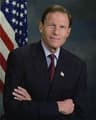
D· Connecticut
YRS IN OFFICE
15
BILLS LED
127
COSPONSOR BREAKDOWNBIPARTISAN · 0%
DEM 5 REP 0 IND 2
ACTION TIMELINE
2 EVENTSMAR 26
Introduced in Senate
MAR 26
Read twice and referred to the Committee on Finance.
BILL INFO
TypeSenate Bill
NumberS 4269
Congress119th
StatusIn Committee
IntroducedMar 26, 2026
Last actionMar 26, 2026
READER REACTIONS
OVERALL SENTIMENT
No reactions yet. Be the first to weigh in.
Discussion
Loading comments...
IN COMMITTEE· 119TH CONGRESS · FINANCE COMMITTEE · INTRODUCED MAR 26, 2026
Senate BillS 4269Education
Restoring College Access and Affordability Act
This bill reverts student loan and Pell Grant rules to their previous versions and cuts off federal funding for college programs that do not lead to high-paying careers.AI-written
INTRODUCED MAR 26, 2026· LAST ACTION MAR 26, 2026
PASSAGE CHANCES
10%
READING
6 min
COSPONSORS
7
COMPLEXITY
Moderate