Bills · S 4261
IN COMMITTEE· 119TH CONGRESS
Senate BillS 4261Housing and Community Development
Preventing Youth Homelessness Demonstration Act of 2026
This bill provides federal grants to help local organizations and government agencies identify and support young people at risk of losing their housing before they actually become homeless.AI-written
INTRO MAR 26· LAST ACTION MAR 26
READING
21MIN
COSPONSORS
3BIPARTISAN
READER REACTIONS0 TOTAL
NO VOTES YET · BE THE FIRST
- Introduced only
tl;dr
AI-writtenCreates a federal grant program to fund local efforts aimed at stopping youth and young adults aged 12-26 from becoming homeless, especially those leaving foster care or the justice system.
LEGISLATIVE PROGRESS
STEP 2 / 8Introduced
In Committee
Reported
Passed Senate
Passed House
Conference
To President
Became Law
WHAT THE BILL DOES
AI-writtenCurrently, many government programs for the homeless only kick in after someone has already lost their home. This bill shifts the focus toward prevention, aiming to save both lives and taxpayer money by intervening before a crisis occurs. For a young person leaving foster care or jail, the lack of a stable home often leads to a cycle of poverty and legal issues that can last a lifetime.
If this becomes law, it could bridge the gap for the thousands of 'at-risk' youth who are currently too old for some children's services but too young or inexperienced to navigate the adult housing market. It forces local agencies that usually work separately—like schools and housing offices—to collaborate on a single plan for their community.
KEY PROVISIONS
4AI-extractedPROVISION 01
Establishes the Preventing Youth Homelessness Demonstration Grant Program.
It creates a dedicated funding stream specifically for prevention rather than just emergency shelter.
PROVISION 02
Expands eligibility to youth and young adults between the ages of 12 and 26.
It recognizes that the risk of homelessness continues well into a person's mid-20s, especially for those without family support.
PROVISION 03
Requires a Coordinated Community Prevention Plan for grant applicants.
It forces local organizations to prove they have a strategy to find at-risk youth and a plan to use the money effectively.
PROVISION 04
Targets youth transitioning out of public systems like foster care and juvenile justice.
These individuals are statistically at the highest risk of immediate homelessness upon their release.
SPONSORSHIP
1 + 3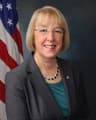
D· Washington
YRS IN OFFICE
33
BILLS LED
44
COSPONSOR BREAKDOWNBIPARTISAN · 66%
DEM 1 REP 2 IND 0
ACTION TIMELINE
2 EVENTSMAR 26
Introduced in Senate
MAR 26
Read twice and referred to the Committee on Health, Education, Labor, and Pensions.
BILL INFO
TypeSenate Bill
NumberS 4261
Congress119th
StatusIn Committee
IntroducedMar 26, 2026
Last actionMar 26, 2026
READER REACTIONS
OVERALL SENTIMENT
No reactions yet. Be the first to weigh in.
Discussion
Loading comments...
IN COMMITTEE· 119TH CONGRESS · HEALTH, EDUCATION, LABOR, AND PENSIONS COMMITTEE · INTRODUCED MAR 26, 2026
Senate BillS 4261Housing and Community Development
Preventing Youth Homelessness Demonstration Act of 2026
This bill provides federal grants to help local organizations and government agencies identify and support young people at risk of losing their housing before they actually become homeless.AI-written
INTRODUCED MAR 26, 2026· LAST ACTION MAR 26, 2026
PASSAGE CHANCES
—%
READING
21 min
COSPONSORS
3
COMPLEXITY
Moderate