Bills · S 4170
IN COMMITTEE· 119TH CONGRESS
Senate BillS 4170Finance and Financial Sector
Regulation A+ Improvement Act of 2026
INTRO MAR 24· LAST ACTION MAR 24
READING
1MIN
COSPONSORS
0
READER REACTIONS0 TOTAL
NO VOTES YET · BE THE FIRST
- Introduced only
LEGISLATIVE PROGRESS
STEP 2 / 8Introduced
In Committee
Reported
Passed Senate
Passed House
Conference
To President
Became Law
WHAT THE BILL DOES
AI-writtenThis bill matters because it aims to fuel economic growth by making it simpler for smaller companies to secure funding. Many innovative startups and growing businesses struggle to find the capital they need to expand, create jobs, and bring new products to market because traditional public offerings are too expensive and complex. By tripling the fundraising limit and adding inflation adjustments, the bill helps these companies access more money efficiently.
If this bill becomes law, it could lead to more new businesses getting off the ground or expanding rapidly, potentially boosting local economies and creating jobs. If it doesn't pass, the current $50 million limit, which doesn't account for inflation, would continue to constrain the fundraising capabilities of many small businesses, potentially slowing their growth and limiting investment opportunities for the public.
KEY PROVISIONS
3AI-extractedPROVISION 01
Increases the maximum offering amount for Regulation A+ from $50 million to $150 million.
This allows small and medium-sized companies to raise three times more capital under simplified regulations.
PROVISION 02
Requires the Securities and Exchange Commission (SEC) to adjust the $150 million limit for inflation every two years.
This ensures the fundraising limit retains its real value over time and doesn't become less effective due to rising prices.
PROVISION 03
Clarifies that any future discretionary adjustments to the limit are in addition to the new inflation adjustments.
This prevents confusion and ensures both automatic inflation updates and potential future policy-driven increases can coexist.
SPONSORSHIP
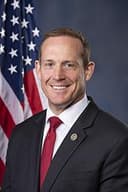
1 + 0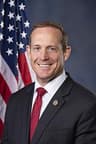
R· North Carolina
YRS IN OFFICE
9
BILLS LED
59
ACTION TIMELINE
2 EVENTSMAR 24
Introduced in Senate
MAR 24
Read twice and referred to the Committee on Banking, Housing, and Urban Affairs.
BILL INFO
TypeSenate Bill
NumberS 4170
Congress119th
StatusIn Committee
IntroducedMar 24, 2026
Last actionMar 24, 2026
READER REACTIONS
OVERALL SENTIMENT
No reactions yet. Be the first to weigh in.
Discussion
Loading comments...
IN COMMITTEE· 119TH CONGRESS · BANKING, HOUSING, AND URBAN AFFAIRS COMMITTEE · INTRODUCED MAR 24, 2026
Senate BillS 4170Finance and Financial Sector
Regulation A+ Improvement Act of 2026
INTRODUCED MAR 24, 2026· LAST ACTION MAR 24, 2026
PASSAGE CHANCES
—%
READING
1 min
COSPONSORS
0
COMPLEXITY
Moderate