Bills · S 4144
IN COMMITTEE· 119TH CONGRESS
Senate BillS 4144Finance and Financial Sector
ESCRA Act
INTRO MAR 19· LAST ACTION MAR 19
READING
8MIN
COSPONSORS
2BIPARTISAN
READER REACTIONS0 TOTAL
NO VOTES YET · BE THE FIRST
- Introduced only
LEGISLATIVE PROGRESS
STEP 2 / 8Introduced
In Committee
Reported
Passed Senate
Passed House
Conference
To President
Became Law
WHAT THE BILL DOES
AI-writtenVoters should care about this bill because it aims to curb predatory practices in the credit repair industry, which often targets vulnerable individuals trying to improve their financial standing. If this bill becomes law, consumers will be much better protected from paying for services that don't deliver, as companies will only get paid after showing tangible improvements to a credit report. This shifts the risk from the consumer to the credit repair organization, potentially reducing the number of people scammed out of their money.
Without this bill, the current system allows credit repair organizations to charge upfront fees, even if they fail to improve a consumer's credit. This bill also addresses the issue of 'jamming' — where companies repeatedly dispute valid information on credit reports, burdening the system and potentially delaying legitimate disputes. By requiring state licensing and increased transparency, it aims to raise standards across the industry, ensuring that only reputable organizations operate, and providing clearer avenues for consumer complaints.
KEY PROVISIONS
5AI-extractedPROVISION 01
Credit repair organizations cannot request or receive payment from a consumer until they provide a credit report showing that the promised credit improvement has been achieved.
This provision protects consumers by ensuring they only pay for services that actually deliver results, rather than paying upfront for potential failures.
PROVISION 02
Prohibits credit repair organizations from submitting multiple disputes of the same information to credit reporting agencies unless specific conditions are met, such as the agency having investigated the prior dispute and new inaccuracies are described.
This aims to prevent 'jamming,' where credit repair companies overwhelm the dispute system with repetitive or unsubstantiated claims, improving efficiency and fairness.
PROVISION 03
Requires credit repair organizations to be licensed by the State in which they operate, effective January 1, 2026.
This adds a layer of regulatory oversight, potentially weeding out illegitimate companies and ensuring a higher standard of conduct within the industry.
PROVISION 04
Requires credit repair organizations to provide consumers with copies of all contracts, disclosure statements, any other signed documents, and all communications (including telephone recordings) sent on the consumer's behalf.
This significantly increases transparency and accountability, giving consumers more control and documentation of their interactions and the services provided.
PROVISION 05
Clarifies that attorneys providing legitimate legal services for litigation or bankruptcy are generally not considered 'credit repair organizations' under this act.
This helps differentiate legal professionals from credit repair services, ensuring attorneys can provide specific legal advice without being subject to all credit repair regulations.
SPONSORSHIP
1 + 2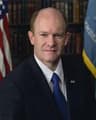
D· Delaware
YRS IN OFFICE
15
BILLS LED
64
COSPONSOR BREAKDOWNBIPARTISAN · 100%
DEM 1 REP 1 IND 0
ACTION TIMELINE
2 EVENTSMAR 19
Introduced in Senate
MAR 19
Read twice and referred to the Committee on Banking, Housing, and Urban Affairs.
BILL INFO
TypeSenate Bill
NumberS 4144
Congress119th
StatusIn Committee
IntroducedMar 19, 2026
Last actionMar 19, 2026
READER REACTIONS
OVERALL SENTIMENT
No reactions yet. Be the first to weigh in.
Discussion
Loading comments...
IN COMMITTEE· 119TH CONGRESS · BANKING, HOUSING, AND URBAN AFFAIRS COMMITTEE · INTRODUCED MAR 19, 2026
Senate BillS 4144Finance and Financial Sector
ESCRA Act
INTRODUCED MAR 19, 2026· LAST ACTION MAR 19, 2026
PASSAGE CHANCES
—%
READING
8 min
COSPONSORS
2
COMPLEXITY
Moderate