Bills · S 3998
IN COMMITTEE· 119TH CONGRESS
Senate BillS 3998Government Operations and Politics
PIONEER Act
INTRO MAR 5· LAST ACTION MAR 5
READING
25MIN
COSPONSORS
0
READER REACTIONS0 TOTAL
NO VOTES YET · BE THE FIRST
- Introduced only
LEGISLATIVE PROGRESS
STEP 2 / 8Introduced
In Committee
Reported
Passed Senate
Passed House
Conference
To President
Became Law
WHAT THE BILL DOES
AI-writtenThis bill matters because it proposes a significant shift in how federal regulations interact with business innovation. If passed, it could accelerate the introduction of new technologies and services by allowing companies to test ideas without immediate full compliance with all existing rules. This could lead to more jobs and economic growth by fostering a less restrictive environment for new ventures.
However, it also raises questions about the balance between innovation and consumer protection. If the bill doesn't become law, the current regulatory framework would remain, meaning businesses would continue to navigate all existing regulations from the outset of their operations, potentially slowing down innovation but maintaining established consumer safeguards.
KEY PROVISIONS
4AI-extractedPROVISION 01
Establishes a 'regulatory sandbox' program allowing federal agencies to grant temporary waivers from rules and guidance.
This creates a new pathway for businesses to test innovations and expand without immediate full regulatory compliance.
PROVISION 02
Creates an Office of Federal Regulatory Relief within the Office of Information and Regulatory Affairs (OIRA) to manage the program.
This establishes a dedicated governmental body responsible for overseeing the new regulatory waiver process.
PROVISION 03
Requires agencies to establish advisory boards composed of private sector representatives, including small business concerns, to provide input on waiver applications.
This ensures external expertise and industry perspectives are considered in decisions about regulatory waivers.
PROVISION 04
Mandates the Director of the new office to establish processes for assessing health, safety, economic damage, and unfair practice risks associated with waiver applications.
This aims to mitigate potential harm to the public by requiring careful consideration of risks before granting waivers.
SPONSORSHIP
1 + 0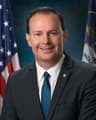
R· Utah
YRS IN OFFICE
15
BILLS LED
138
ACTION TIMELINE
2 EVENTSMAR 5
Introduced in Senate
MAR 5
Read twice and referred to the Committee on Homeland Security and Governmental Affairs.
BILL INFO
TypeSenate Bill
NumberS 3998
Congress119th
StatusIn Committee
IntroducedMar 5, 2026
Last actionMar 5, 2026
READER REACTIONS
OVERALL SENTIMENT
No reactions yet. Be the first to weigh in.
Discussion
Loading comments...
IN COMMITTEE· 119TH CONGRESS · HOMELAND SECURITY AND GOVERNMENTAL AFFAIRS COMMITTEE · INTRODUCED MAR 5, 2026
Senate BillS 3998Government Operations and Politics
PIONEER Act
INTRODUCED MAR 5, 2026· LAST ACTION MAR 5, 2026
PASSAGE CHANCES
—%
READING
25 min
COSPONSORS
0
COMPLEXITY
Moderate