Bills · S 3822
IN COMMITTEE· 119TH CONGRESS
Senate BillS 3822Health
Break Up Big Medicine Act
INTRO FEB 10· LAST ACTION FEB 10
READING
15MIN
COSPONSORS
1
READER REACTIONS0 TOTAL
NO VOTES YET · BE THE FIRST
- Introduced only
LEGISLATIVE PROGRESS
STEP 2 / 8Introduced
In Committee
Reported
Passed Senate
Passed House
Conference
To President
Became Law
WHAT THE BILL DOES
AI-writtenThis bill addresses concerns that large healthcare companies, by owning multiple parts of the healthcare system, create conflicts of interest that can drive up costs and limit choices for patients. For example, an insurer owning doctors might encourage patients to only use their doctors, or a PBM might favor drugs from pharmacies it also owns. This bill aims to break up these "vertically integrated" structures to restore competition.
If this bill becomes law, it could lead to a major shake-up in the healthcare industry, potentially altering how millions of Americans access and pay for medical care and prescriptions. If it doesn't pass, the current trend of increasing consolidation and combined ownership in healthcare is likely to continue, which critics argue will further reduce competition and increase costs.
KEY PROVISIONS
4AI-extractedPROVISION 01
Makes it illegal for a person or company to own or control both a medical provider (like a doctor's office) AND an insurance company or a Pharmacy Benefit Manager (PBM).
This is a core provision designed to separate the entities that pay for care from those that provide it, aiming to eliminate conflicts of interest.
PROVISION 02
Makes it illegal for a person or company to own or control both a medical provider (like a doctor's office) AND a prescription drug or medical device wholesaler.
This provision aims to prevent drug and device distributors from unfairly influencing which products medical providers prescribe to patients.
PROVISION 03
Requires companies that currently have these forbidden shared ownership structures to sell off either their medical provider businesses or their insurance/PBM/wholesaler businesses within one year.
This ensures that existing large healthcare companies must comply with the new rules, leading to a significant restructuring of the industry.
PROVISION 04
Grants the Federal Trade Commission (FTC) and the Department of Justice (DOJ) the authority to enforce these new prohibitions and review future company actions.
This provides the necessary legal and regulatory power to ensure the bill's provisions are followed and to prevent future re-consolidation.
SPONSORSHIP
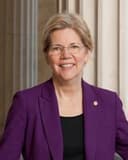
1 + 1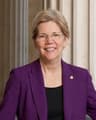
D· Massachusetts
YRS IN OFFICE
13
BILLS LED
84
COSPONSOR BREAKDOWNBIPARTISAN · 0%
DEM 0 REP 1 IND 0
ACTION TIMELINE
2 EVENTSFEB 10
Introduced in Senate
FEB 10
Read twice and referred to the Committee on the Judiciary.
BILL INFO
TypeSenate Bill
NumberS 3822
Congress119th
StatusIn Committee
IntroducedFeb 10, 2026
Last actionFeb 10, 2026
READER REACTIONS
OVERALL SENTIMENT
No reactions yet. Be the first to weigh in.
Discussion
Loading comments...
IN COMMITTEE· 119TH CONGRESS · JUDICIARY COMMITTEE · INTRODUCED FEB 10, 2026
Senate BillS 3822Health
Break Up Big Medicine Act
INTRODUCED FEB 10, 2026· LAST ACTION FEB 10, 2026
PASSAGE CHANCES
—%
READING
15 min
COSPONSORS
1
COMPLEXITY
Moderate