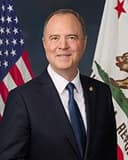
Bills · S 3813
IN COMMITTEE· 119TH CONGRESS
Senate BillS 3813Commerce
CLEAR Act
INTRO FEB 10· LAST ACTION FEB 10
READING
4MIN
COSPONSORS
1
READER REACTIONS0 TOTAL
NO VOTES YET · BE THE FIRST
- Introduced only
LEGISLATIVE PROGRESS
STEP 2 / 8Introduced
In Committee
Reported
Passed Senate
Passed House
Conference
To President
Became Law
WHAT THE BILL DOES
AI-writtenThis bill matters because it addresses a growing concern about transparency and intellectual property rights in the age of artificial intelligence. Currently, it's often difficult for creators to know if their copyrighted works are being used to train AI models, which can then generate new content that sometimes resembles their original creations.
If this bill becomes law, it would create a public record of copyrighted materials used in AI training, offering copyright holders more insight and a way to protect their work. It could lead to clearer rules about how AI companies source their data and potentially influence how much training data is collected. If it doesn't become law, the current lack of transparency would continue, making it harder for creators to assert their rights and for the public to understand the origins of AI-generated content.
KEY PROVISIONS
5AI-extractedPROVISION 01
Requires anyone who uses a 'training dataset' to develop or release a 'generative AI model' to submit a notice to the Register of Copyrights.
This provision establishes the core requirement for transparency regarding copyrighted works used in AI training.
PROVISION 02
Mandates that the notice include a detailed summary of each copyrighted work in the training dataset and, if publicly available, its URL.
This specifies the type of information that must be disclosed, providing details necessary for identification and accountability.
PROVISION 03
Establishes a cause of action, allowing copyright owners to sue if their works are used in AI training without the required notice, and sets penalties including civil fines (at least $5,000 per instance, capped at $2.5 million annually), injunctions, and attorney's fees.
This creates enforcement mechanisms and financial consequences for non-compliance, aiming to ensure developers follow the new rules.
PROVISION 04
Requires the Register of Copyrights to establish and maintain a publicly available online database containing all submitted notices.
This ensures transparency by making the disclosed information accessible to copyright holders and the public.
PROVISION 05
Sets deadlines for submitting notices: 30 days before commercial use/release for new models, and 30 days after regulations are issued for existing models.
These deadlines ensure timely compliance and establish a framework for both future and currently existing AI models.
SPONSORSHIP
1 + 1
D· California
YRS IN OFFICE
25
BILLS LED
97
COSPONSOR BREAKDOWNBIPARTISAN · 0%
DEM 0 REP 1 IND 0
ACTION TIMELINE
2 EVENTSFEB 10
Introduced in Senate
FEB 10
Read twice and referred to the Committee on the Judiciary.
BILL INFO
TypeSenate Bill
NumberS 3813
Congress119th
StatusIn Committee
IntroducedFeb 10, 2026
Last actionFeb 10, 2026
READER REACTIONS
OVERALL SENTIMENT
No reactions yet. Be the first to weigh in.
Discussion
Loading comments...
IN COMMITTEE· 119TH CONGRESS · JUDICIARY COMMITTEE · INTRODUCED FEB 10, 2026
Senate BillS 3813Commerce
CLEAR Act
INTRODUCED FEB 10, 2026· LAST ACTION FEB 10, 2026
PASSAGE CHANCES
—%
READING
4 min
COSPONSORS
1
COMPLEXITY
Moderate