Bills · S 3812
IN COMMITTEE· 119TH CONGRESS
Senate BillS 3812Emergency medical services and trauma careWorker safety and health
WORK to Save Lives Act
INTRO FEB 10· LAST ACTION MAR 19
READING
2MIN
COSPONSORS
5
READER REACTIONS0 TOTAL
NO VOTES YET · BE THE FIRST
- Introduced only
LEGISLATIVE PROGRESS
STEP 2 / 8Introduced
In Committee
Reported
Passed Senate
Passed House
Conference
To President
Became Law
WHAT THE BILL DOES
AI-writtenVoters should care about this bill because it aims to make workplaces safer by equipping them to respond to opioid overdoses, which are a significant public health concern. If this bill becomes law, federal workplaces will be legally required to have a specific tool to save lives, potentially reducing fatalities on government property. For private businesses, while the guidance isn't mandatory, it could encourage more employers to adopt these practices, making their workplaces safer voluntarily.
If the bill does not become law, there will be no federal requirement for agencies to stock overdose reversal medication or train staff, and private employers would not receive specific federal guidance on the matter. This means the ability of workplaces to respond to an opioid overdose would remain inconsistent and largely dependent on individual employer initiative, rather than a coordinated federal effort.
KEY PROVISIONS
4AI-extractedPROVISION 01
Requires the Secretary of Labor to issue non-mandatory guidance for most private employers regarding opioid overdose reversal medication and annual employee training.
This provides resources and best practices for private businesses to voluntarily enhance workplace safety against opioid overdoses.
PROVISION 02
Requires the Secretary of Labor to issue mandatory regulations for all federal agencies, compelling them to acquire and maintain opioid overdose reversal medication and provide annual employee training.
This establishes a legal requirement for federal workplaces to be prepared for opioid overdoses, directly affecting federal employees and visitors.
PROVISION 03
Sets a deadline of 270 days after enactment for the Secretary of Labor to issue both the non-mandatory guidance and the mandatory regulations.
This ensures a timely implementation framework for the bill's provisions if it becomes law.
PROVISION 04
Excludes the United States Postal Service from the definition of 'employer' for the non-mandatory guidance section.
This means the USPS would not be subject to the guidance meant for other private employers, but it would still be subject to mandatory regulations as a federal agency.
SPONSORSHIP
1 + 5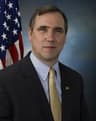
D· Oregon
YRS IN OFFICE
17
BILLS LED
128
COSPONSOR BREAKDOWNBIPARTISAN · 40%
DEM 4 REP 1 IND 0
ACTION TIMELINE
3 EVENTSMAR 19
Committee on Health, Education, Labor, and Pensions. Hearings held.
FEB 10
Introduced in Senate
FEB 10
Read twice and referred to the Committee on Health, Education, Labor, and Pensions.
BILL INFO
TypeSenate Bill
NumberS 3812
Congress119th
StatusIn Committee
IntroducedFeb 10, 2026
Last actionMar 19, 2026
READER REACTIONS
OVERALL SENTIMENT
No reactions yet. Be the first to weigh in.
Discussion
Loading comments...
IN COMMITTEE· 119TH CONGRESS · HEALTH, EDUCATION, LABOR, AND PENSIONS COMMITTEE · INTRODUCED FEB 10, 2026
Senate BillS 3812Emergency medical services and trauma careWorker safety and health
WORK to Save Lives Act
INTRODUCED FEB 10, 2026· LAST ACTION MAR 19, 2026
PASSAGE CHANCES
—%
READING
2 min
COSPONSORS
5
COMPLEXITY
Moderate