Bills · S 3790
IN COMMITTEE· 119TH CONGRESS
Senate BillS 3790Immigration
Protect America Act
INTRO FEB 5· LAST ACTION FEB 5
READING
31MIN
COSPONSORS
1
READER REACTIONS0 TOTAL
NO VOTES YET · BE THE FIRST
- Introduced only
LEGISLATIVE PROGRESS
STEP 2 / 8Introduced
In Committee
Reported
Passed Senate
Passed House
Conference
To President
Became Law
WHAT THE BILL DOES
AI-writtenThis bill matters because it could significantly change the relationship between federal and local governments, particularly regarding immigration enforcement. If passed, it could lead to many states and cities altering their immigration policies to avoid losing federal funds, which could impact local budgets and services that rely on that money. For individuals in the U.S. without authorization, the increased penalties mean more severe consequences if they are apprehended.
Voters should care because the bill touches on issues of federalism (the balance of power between federal and local governments), public safety, immigration policy, and even freedom of speech or association for organizations. If it becomes law, it would likely result in more arrests and deportations, a shift in local policing practices, and potentially legal battles over the withholding of funds. If it doesn't pass, the status quo of varying local immigration cooperation policies would likely continue, as would the current penalties for immigration-related offenses.
KEY PROVISIONS
5AI-extractedPROVISION 01
Conditions certain Federal funds for States and local governments on cooperation with Federal immigration enforcement authorities.
This provision could significantly reduce federal funding for jurisdictions that do not comply with federal immigration enforcement, potentially impacting local services and budgets.
PROVISION 02
Increases criminal penalties for illegal entry and reentry into the United States, and for crimes committed after illegal reentry.
This makes immigration-related offenses, and other crimes committed by those who have re-entered illegally, subject to more severe punishment.
PROVISION 03
Creates a private right of action, allowing individuals harmed by a crime committed by a noncitizen to sue a 'sanctuary' jurisdiction if its policies contributed to the harm.
This opens local governments with 'sanctuary policies' to civil lawsuits for damages, potentially leading to significant financial liability.
PROVISION 04
Excludes organizations that promote, incite, or provide material support for criminal violence from 501(c)(3) tax benefits.
This provision would remove the tax-exempt status for certain non-profit organizations, affecting their ability to raise funds and operate.
PROVISION 05
Protects Federal officers and employees from agitators using loud noises to interfere with the performance of their official duties and increases penalties for assaulting Federal officers.
This aims to enhance the safety and operational capacity of federal agents, potentially limiting certain forms of protest or interference.
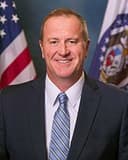
SPONSORSHIP
1 + 1
R· Missouri
YRS IN OFFICE
3
BILLS LED
57
COSPONSOR BREAKDOWNBIPARTISAN · 0%
DEM 0 REP 1 IND 0
ACTION TIMELINE
2 EVENTSFEB 5
Introduced in Senate
FEB 5
Read twice and referred to the Committee on Finance.
BILL INFO
TypeSenate Bill
NumberS 3790
Congress119th
StatusIn Committee
IntroducedFeb 5, 2026
Last actionFeb 5, 2026
READER REACTIONS
OVERALL SENTIMENT
No reactions yet. Be the first to weigh in.
Discussion
Loading comments...
IN COMMITTEE· 119TH CONGRESS · FINANCE COMMITTEE · INTRODUCED FEB 5, 2026
Senate BillS 3790Immigration
Protect America Act
INTRODUCED FEB 5, 2026· LAST ACTION FEB 5, 2026
PASSAGE CHANCES
—%
READING
31 min
COSPONSORS
1
COMPLEXITY
Moderate