Bills · S 3694
IN COMMITTEE· 119TH CONGRESS
Senate BillS 3694Transportation and Public Works
Maximizing Transportation Efficiency Act
INTRO JAN 27· LAST ACTION JAN 27
READING
8MIN
COSPONSORS
0
READER REACTIONS0 TOTAL
NO VOTES YET · BE THE FIRST
- Introduced only
LEGISLATIVE PROGRESS
STEP 2 / 8Introduced
In Committee
Reported
Passed Senate
Passed House
Conference
To President
Became Law
WHAT THE BILL DOES
AI-writtenVoters should care about this bill because it aims to tackle everyday transportation problems like traffic jams, high gas prices, and the stress of long commutes. By officially recognizing and funding strategies to encourage carpooling, public transit, biking, walking, and remote work, the bill could make it easier and more affordable for people to get where they need to go, reducing reliance on single-occupancy vehicles.
For rural communities, this bill is particularly important as it dedicates funds to address their unique challenges, such as limited public transit and higher transportation costs, potentially opening up new ways for residents to access jobs, healthcare, and essential services. If this bill becomes law, communities would have more tools and financial support to ease congestion, reduce pollution, and offer practical, cost-saving travel alternatives. If it doesn't pass, many areas, especially rural ones, might continue to struggle with limited transportation choices and the associated costs and environmental impacts.
KEY PROVISIONS
4AI-extractedPROVISION 01
The bill officially defines "Transportation Demand Management" (TDM) in federal law, outlining various strategies like carpooling, remote work, and transit incentives.
This standardized definition provides clarity for what types of activities are considered TDM, making it easier for communities to seek federal funding for these projects.
PROVISION 02
It makes TDM strategies eligible for funding under several existing federal transportation grant programs, including the Congestion Mitigation and Air Quality Improvement Program and various infrastructure assistance programs.
This change allows states and local entities to use federal money from established programs for a wider range of activities aimed at reducing traffic and improving air quality.
PROVISION 03
The bill creates a new annual set-aside of $20 million specifically for grants to rural communities to develop and implement TDM strategies.
This provision addresses the unique transportation challenges faced by rural areas by providing dedicated funding to expand their limited travel options.
PROVISION 04
It encourages employers to offer "qualified transportation fringe benefits" and promotes incentives like points and challenges to encourage participation in desired transportation choices.
These inclusions provide specific examples of TDM tools that can be supported, potentially encouraging more private sector involvement and innovative approaches.
SPONSORSHIP
1 + 0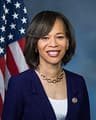
D· Delaware
YRS IN OFFICE
9
BILLS LED
40
ACTION TIMELINE
2 EVENTSJAN 27
Introduced in Senate
JAN 27
Read twice and referred to the Committee on Environment and Public Works.
BILL INFO
TypeSenate Bill
NumberS 3694
Congress119th
StatusIn Committee
IntroducedJan 27, 2026
Last actionJan 27, 2026
READER REACTIONS
OVERALL SENTIMENT
No reactions yet. Be the first to weigh in.
Discussion
Loading comments...
IN COMMITTEE· 119TH CONGRESS · ENVIRONMENT AND PUBLIC WORKS COMMITTEE · INTRODUCED JAN 27, 2026
Senate BillS 3694Transportation and Public Works
Maximizing Transportation Efficiency Act
INTRODUCED JAN 27, 2026· LAST ACTION JAN 27, 2026
PASSAGE CHANCES
—%
READING
8 min
COSPONSORS
0
COMPLEXITY
Moderate