Bills · S 3572
IN COMMITTEE· 119TH CONGRESS
Senate BillS 3572Transportation and Public Works
Roadway Safety Modernization Act of 2025
INTRO DEC 18· LAST ACTION DEC 18
READING
6MIN
COSPONSORS
4BIPARTISAN
READER REACTIONS0 TOTAL
NO VOTES YET · BE THE FIRST
- Introduced only
LEGISLATIVE PROGRESS
STEP 2 / 8Introduced
In Committee
Reported
Passed Senate
Passed House
Conference
To President
Became Law
WHAT THE BILL DOES
AI-writtenVoters should care about this bill because it aims to make roads safer by leveraging modern technology, potentially reducing the number of accidents, injuries, and fatalities. Currently, many road safety efforts are reactive, addressing known dangerous spots after crashes have occurred. This bill shifts the focus towards proactive prevention, using data to predict and mitigate risks before they lead to tragedies.
If this bill becomes law, states could more efficiently use taxpayer dollars by investing in technologies that pinpoint high-risk areas with greater accuracy, ensuring that safety improvements are made where they will have the most impact. If it doesn't pass, road safety initiatives would likely continue with less access to these advanced tools, potentially missing opportunities to prevent crashes and improve overall transportation safety and efficiency, especially for critical freight routes.
KEY PROVISIONS
5AI-extractedPROVISION 01
Expands the types of activities eligible for federal Highway Safety Improvement Program grants to include developing, acquiring, or deploying safety data systems like predictive analytics and telematics.
This allows states to use federal funds for advanced technologies to proactively identify and address roadway safety risks, moving beyond traditional safety measures.
PROVISION 02
Permits National Highway Freight Program grants to be used for advanced safety data tools and directs the Administrator to assess the need for operating standards for intelligent freight transportation systems.
This aims to improve the safety and efficiency of freight movement using modern technology and potentially sets the stage for future regulations on smart freight systems.
PROVISION 03
Encourages states participating in National Priority Safety Programs to integrate predictive analytics and telematics into their safety data systems.
This promotes a nationwide adoption of data-driven safety strategies, enhancing the ability of states to identify high-risk areas and develop effective countermeasures.
PROVISION 04
Requires the Secretary of Transportation to issue guidance on best practices for anonymizing and securing data, protecting personal information, and ensuring transparency, accountability, and validated methodologies for these new technologies.
This provision addresses potential privacy and reliability concerns associated with collecting and using advanced safety data, ensuring responsible implementation.
PROVISION 05
Mandates coordination among relevant Department of Transportation agencies and consultation with other federal departments to ensure effective use of predictive safety tools.
This ensures a unified and collaborative approach across federal agencies in promoting and supporting advanced road safety technologies.
SPONSORSHIP
1 + 4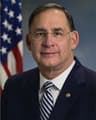
R· Arkansas
YRS IN OFFICE
24
BILLS LED
23
COSPONSOR BREAKDOWNBIPARTISAN · 100%
DEM 2 REP 2 IND 0
ACTION TIMELINE
2 EVENTSDEC 18
Introduced in Senate
DEC 18
Read twice and referred to the Committee on Commerce, Science, and Transportation.
BILL INFO
TypeSenate Bill
NumberS 3572
Congress119th
StatusIn Committee
IntroducedDec 18, 2025
Last actionDec 18, 2025
READER REACTIONS
OVERALL SENTIMENT
No reactions yet. Be the first to weigh in.
Discussion
Loading comments...
IN COMMITTEE· 119TH CONGRESS · COMMERCE, SCIENCE, AND TRANSPORTATION COMMITTEE · INTRODUCED DEC 18, 2025
Senate BillS 3572Transportation and Public Works
Roadway Safety Modernization Act of 2025
INTRODUCED DEC 18, 2025· LAST ACTION DEC 18, 2025
PASSAGE CHANCES
—%
READING
6 min
COSPONSORS
4
COMPLEXITY
Moderate