Bills · S 3555
IN COMMITTEE· 119TH CONGRESS
Senate BillS 3555International Affairs
Comprehensive Outbound Investment National Security Act of 2025
INTRO DEC 17· LAST ACTION DEC 17
READING
38MIN
COSPONSORS
4BIPARTISAN
READER REACTIONS0 TOTAL
NO VOTES YET · BE THE FIRST
- Introduced only
LEGISLATIVE PROGRESS
STEP 2 / 8Introduced
In Committee
Reported
Passed Senate
Passed House
Conference
To President
Became Law
WHAT THE BILL DOES
AI-writtenVoters should care because this bill aims to reshape how U.S. money flows globally, specifically to prevent it from unknowingly or unintentionally boosting countries or entities that could undermine U.S. national security. If this bill becomes law, it means a tighter control over where American investment dollars can go, especially into advanced technologies in countries like China. This could limit the growth of certain foreign sectors that have historically benefited from U.S. capital, such as artificial intelligence or advanced computing, if those sectors are deemed a national security risk.
If it doesn't become law, the current system for outbound investments would remain, meaning there would be fewer government restrictions or notification requirements on where U.S. entities can invest abroad. This bill reflects a growing concern in Washington about economic competition and the potential for U.S. capital to fuel the technological and military advancements of foreign adversaries, particularly China. Its passage would signal a significant shift towards using investment policy as a tool for national security.
KEY PROVISIONS
4AI-extractedPROVISION 01
Allows the President to impose sanctions on foreign individuals or groups (especially from China) identified as "covered foreign persons" due to national security concerns.
This gives the President direct power to block U.S. investment in entities deemed hostile, impacting their access to capital.
PROVISION 02
Prohibits U.S. individuals and companies from investing in or buying significant amounts of stock or debt from sanctioned foreign persons.
This directly prevents American financial support from reaching entities identified as national security threats.
PROVISION 03
Authorizes $150 million over two years for the Treasury and Commerce Departments to implement the bill, including outreach to affected industries.
This provides the necessary funding for the government to set up and manage these new investment control and sanction programs.
PROVISION 04
Establishes a termination date, meaning the bill's provisions will expire seven years after it becomes law unless renewed.
This sets a time limit on the new powers and restrictions, allowing for future re-evaluation.
SPONSORSHIP
1 + 4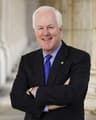
R· Texas
YRS IN OFFICE
23
BILLS LED
136
COSPONSOR BREAKDOWNBIPARTISAN · 100%
DEM 2 REP 2 IND 0
ACTION TIMELINE
2 EVENTSDEC 17
Introduced in Senate
DEC 17
Read twice and referred to the Committee on Banking, Housing, and Urban Affairs.
BILL INFO
TypeSenate Bill
NumberS 3555
Congress119th
StatusIn Committee
IntroducedDec 17, 2025
Last actionDec 17, 2025
READER REACTIONS
OVERALL SENTIMENT
No reactions yet. Be the first to weigh in.
Discussion
Loading comments...
IN COMMITTEE· 119TH CONGRESS · BANKING, HOUSING, AND URBAN AFFAIRS COMMITTEE · INTRODUCED DEC 17, 2025
Senate BillS 3555International Affairs
Comprehensive Outbound Investment National Security Act of 2025
INTRODUCED DEC 17, 2025· LAST ACTION DEC 17, 2025
PASSAGE CHANCES
—%
READING
38 min
COSPONSORS
4
COMPLEXITY
Moderate