Bills · S 3507
IN COMMITTEE· 119TH CONGRESS
Senate BillS 3507Immigration
Put American Students First Act
INTRO DEC 16· LAST ACTION DEC 16
READING
6MIN
COSPONSORS
0
READER REACTIONS0 TOTAL
NO VOTES YET · BE THE FIRST
- Introduced only
LEGISLATIVE PROGRESS
STEP 2 / 8Introduced
In Committee
Reported
Passed Senate
Passed House
Conference
To President
Became Law
WHAT THE BILL DOES
AI-writtenThis bill matters to voters because it directly impacts who can afford to go to public colleges and how states manage their education budgets. If this bill becomes law, it would nationally enforce a policy that restricts in-state tuition and other financial aid from public institutions to only those who are legal permanent residents. This means that students who are not permanent residents, even if they have lived in a state for a long time and attended local schools, would have to pay significantly more for college.
For taxpayers, the bill claims to save over $1 billion annually by ending what it describes as a subsidy for non-permanent residents. For states and public colleges, it means potentially losing flexibility in setting tuition policies and facing federal penalties if they don't comply. If it doesn't become law, the current situation would continue, allowing states to decide whether to offer in-state tuition to certain non-permanent residents, a policy that some see as a way to support local students regardless of immigration status and keep college accessible.
KEY PROVISIONS
5AI-extractedPROVISION 01
Prohibits public colleges from offering in-state tuition or any other financial aid to students who are not lawfully admitted for permanent residence.
This is the central change, directly making college more expensive for a specific group of students.
PROVISION 02
Requires public colleges to verify the immigration status of all students receiving financial benefits, including in-state tuition, using a federal system (SAVE program).
This creates a mandatory federal oversight mechanism for college enrollment and financial aid decisions.
PROVISION 03
Mandates that public colleges seek reimbursement, plus interest, from students who previously received in-state tuition or benefits in violation of this rule.
This provision applies the new rules retroactively to past tuition benefits and adds financial penalties for non-compliance.
PROVISION 04
States found in violation of this law would become ineligible for certain federal higher education grants.
This creates a significant financial incentive for states to enforce the new federal requirements.
PROVISION 05
Public institutions must comply with these requirements to continue participating in the federal student loan program.
This is a strong enforcement mechanism, as federal student loans are crucial for most higher education institutions.
SPONSORSHIP
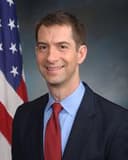
1 + 0
R· Arkansas
YRS IN OFFICE
13
BILLS LED
97
ACTION TIMELINE
2 EVENTSDEC 16
Introduced in Senate
DEC 16
Read twice and referred to the Committee on Health, Education, Labor, and Pensions.
BILL INFO
TypeSenate Bill
NumberS 3507
Congress119th
StatusIn Committee
IntroducedDec 16, 2025
Last actionDec 16, 2025
READER REACTIONS
OVERALL SENTIMENT
No reactions yet. Be the first to weigh in.
Discussion
Loading comments...
IN COMMITTEE· 119TH CONGRESS · HEALTH, EDUCATION, LABOR, AND PENSIONS COMMITTEE · INTRODUCED DEC 16, 2025
Senate BillS 3507Immigration
Put American Students First Act
INTRODUCED DEC 16, 2025· LAST ACTION DEC 16, 2025
PASSAGE CHANCES
—%
READING
6 min
COSPONSORS
0
COMPLEXITY
Moderate