Bills · S 3481
IN COMMITTEE· 119TH CONGRESS
Senate BillS 3481Crime and Law Enforcement
SAFER SKIES Act
INTRO DEC 15· LAST ACTION DEC 15
READING
16MIN
COSPONSORS
3BIPARTISAN
READER REACTIONS0 TOTAL
NO VOTES YET · BE THE FIRST
- Introduced only
LEGISLATIVE PROGRESS
STEP 2 / 8Introduced
In Committee
Reported
Passed Senate
Passed House
Conference
To President
Became Law
WHAT THE BILL DOES
AI-writtenThis bill matters because drones are becoming more common and can pose significant security risks, such as disrupting air travel, surveilling sensitive locations, delivering contraband to prisons, or even being used in malicious attacks. Currently, only federal agencies have broad authority to deal with these threats using counter-drone technology, which can lead to slow response times or gaps in protection at the local level. If this bill becomes law, it would empower local authorities to act quickly to neutralize drone threats in their communities, potentially preventing incidents and enhancing public safety.
Without this bill, local law enforcement and correctional agencies would continue to lack the direct legal authority and approved tools to counteract drone threats effectively. This means they would have to rely on federal agencies to intervene, which might not always be feasible or timely, leaving communities and facilities vulnerable. This bill aims to fill that gap by providing a framework for local control over an evolving security challenge.
KEY PROVISIONS
5AI-extractedPROVISION 01
Expands the authority to use counter-drone technology from federal agencies to include state, local, Tribal, and territorial law enforcement and correctional agencies.
This allows more localized and potentially faster responses to drone threats in various communities and at correctional facilities.
PROVISION 02
Requires all state, local, Tribal, and territorial officers using this authority to undergo specific training and certification by the Attorney General.
This ensures that personnel using powerful counter-drone technologies are properly trained and operate within established guidelines.
PROVISION 03
Limits the counter-drone technologies used by these agencies to a list of systems jointly authorized by multiple federal departments.
This prevents agencies from using unapproved or potentially dangerous technologies and ensures interoperability and effectiveness.
PROVISION 04
Mandates that local agencies notify the Attorney General and Secretary of Homeland Security within 48 hours after taking any counter-drone action.
This provides federal oversight and a mechanism to track and analyze counter-drone activities across different jurisdictions.
PROVISION 05
Clarifies that any drones seized by state, local, Tribal, or territorial agencies under this new authority are subject to forfeiture under their local laws.
This provides a clear legal process for managing drones that are confiscated due to posing a threat.
SPONSORSHIP
1 + 3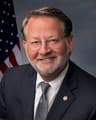
D· Michigan
YRS IN OFFICE
17
BILLS LED
83
COSPONSOR BREAKDOWNBIPARTISAN · 66%
DEM 1 REP 2 IND 0
ACTION TIMELINE
2 EVENTSDEC 15
Introduced in Senate
DEC 15
Read twice and referred to the Committee on Homeland Security and Governmental Affairs.
BILL INFO
TypeSenate Bill
NumberS 3481
Congress119th
StatusIn Committee
IntroducedDec 15, 2025
Last actionDec 15, 2025
READER REACTIONS
OVERALL SENTIMENT
No reactions yet. Be the first to weigh in.
Discussion
Loading comments...
IN COMMITTEE· 119TH CONGRESS · HOMELAND SECURITY AND GOVERNMENTAL AFFAIRS COMMITTEE · INTRODUCED DEC 15, 2025
Senate BillS 3481Crime and Law Enforcement
SAFER SKIES Act
INTRODUCED DEC 15, 2025· LAST ACTION DEC 15, 2025
PASSAGE CHANCES
—%
READING
16 min
COSPONSORS
3
COMPLEXITY
Moderate