Bills · S 3471
IN COMMITTEE· 119TH CONGRESS
Senate BillS 3471Agricultural marketing and promotionRural conditions and development
EFFECTIVE Food Procurement Act
This bill changes how the USDA buys food to prioritize small farms, veterans, minority owners, and environmentally sustainable practices for school lunches and food banks.AI-written
INTRO DEC 15· LAST ACTION JAN 14
PASSAGE CHANCESLONG SHOT
10%
READING
14MIN
COSPONSORS
4
READER REACTIONS0 TOTAL
NO VOTES YET · BE THE FIRST
- Introduced only
tl;dr
AI-writtenDirects the USDA to stop buying the cheapest food from industrial giants and instead buy from small, diverse, and environmentally friendly farms to support local economies and animal welfare.
LEGISLATIVE PROGRESS
STEP 2 / 8Introduced
In Committee
Reported
Passed Senate
Passed House
Conference
To President
Became Law
WHAT THE BILL DOES
AI-writtenThe USDA spends billions of dollars every year on food. If this bill passes, that money would be used as a tool to support local economies and fight climate change. By shifting contracts away from massive industrial operations toward smaller, local farms, the bill aims to make the American food supply more resilient to disruptions. It also addresses social issues by carving out specific opportunities for farmers who have historically been left out, such as veterans and socially disadvantaged producers. If it doesn't pass, the government will likely continue its current 'lowest-bidder' approach, which often favors the largest corporate entities that can drive prices down through scale, sometimes at the expense of labor and environmental standards.
KEY PROVISIONS
4AI-extractedPROVISION 01
Prioritizes 'Covered Producers' in government food contracts.
It shifts government spending toward small businesses, veterans, and minority farmers who struggle to compete with industrial giants.
PROVISION 02
Establishes a strict 'policy to limit deforestation' for all food suppliers.
It requires companies to track exactly where their products come from to ensure they aren't destroying forests or violating indigenous rights.
PROVISION 03
Updates the 'Tradeoff Process' for selecting food bids.
This allows the government to choose a slightly more expensive food option if it provides better social, environmental, or animal welfare benefits.
PROVISION 04
Requires supply chain transparency and geolocation data for forest-risk commodities.
Suppliers must provide maps and specific locations of their farms and refineries to prove they are following the rules.
SPONSORSHIP
1 + 4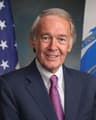
D· Massachusetts
YRS IN OFFICE
51
BILLS LED
160
COSPONSOR BREAKDOWNBIPARTISAN · 0%
DEM 4 REP 0 IND 0
ACTION TIMELINE
3 EVENTSJAN 14
Committee on Small Business and Entrepreneurship. Hearings held.
DEC 15
Introduced in Senate
DEC 15
Read twice and referred to the Committee on Agriculture, Nutrition, and Forestry.
BILL INFO
TypeSenate Bill
NumberS 3471
Congress119th
StatusIn Committee
IntroducedDec 15, 2025
Last actionJan 14, 2026
READER REACTIONS
OVERALL SENTIMENT
No reactions yet. Be the first to weigh in.
Discussion
Loading comments...
IN COMMITTEE· 119TH CONGRESS · AGRICULTURE, NUTRITION, AND FORESTRY COMMITTEE · INTRODUCED DEC 15, 2025
Senate BillS 3471Agricultural marketing and promotionRural conditions and development
EFFECTIVE Food Procurement Act
This bill changes how the USDA buys food to prioritize small farms, veterans, minority owners, and environmentally sustainable practices for school lunches and food banks.AI-written
INTRODUCED DEC 15, 2025· LAST ACTION JAN 14, 2026
PASSAGE CHANCES
10%
READING
14 min
COSPONSORS
4
COMPLEXITY
Moderate