Bills · S 3431
IN COMMITTEE· 119TH CONGRESS
Senate BillS 3431Congressional oversightAdvisory bodies
Improving Measurements for Loneliness and Isolation Act of 2025
INTRO DEC 11· LAST ACTION DEC 11
READING
4MIN
COSPONSORS
1
READER REACTIONS0 TOTAL
NO VOTES YET · BE THE FIRST
- Introduced only
LEGISLATIVE PROGRESS
STEP 2 / 8Introduced
In Committee
Reported
Passed Senate
Passed House
Conference
To President
Became Law
WHAT THE BILL DOES
AI-writtenVoters should care about this bill because loneliness and social isolation are increasingly recognized as serious public health concerns, impacting mental and physical health. Right now, different groups might measure these issues in different ways, making it hard to compare studies, understand the true scale of the problem nationwide, or figure out which solutions work best.
If this bill becomes law, it would lead to a more consistent approach to tracking loneliness and isolation. This consistency could help policymakers and healthcare providers develop more effective strategies and allocate resources where they are most needed. If it doesn't become law, research and public health efforts in this area might continue to be fragmented, potentially slowing down progress in addressing a significant societal challenge.
KEY PROVISIONS
5AI-extractedPROVISION 01
Directs the Secretary of Health and Human Services to establish a 'Working Group on Unifying Loneliness Research.'
This creates the official body responsible for addressing the issue of standardized measurements for loneliness and isolation.
PROVISION 02
The Working Group's primary goal is to formulate recommendations for standardizing the measurements of loneliness and isolation.
This aims to create consistent data and understanding across various studies and healthcare initiatives.
PROVISION 03
The Working Group will also work on developing standardized definitions of loneliness, isolation, and related terms for public understanding and education.
Clear, consistent definitions help the public and professionals understand and communicate about these complex issues more effectively.
PROVISION 04
The Working Group will include senior representatives from multiple federal health agencies and state representatives from areas with high and low mental health professional shortages.
This ensures a broad range of expertise and perspectives, including those from frontline care, are included in the recommendations.
PROVISION 05
The Working Group must submit a report to Congress with its recommendations within one year of the bill's enactment and make it publicly available online.
This ensures transparency and provides concrete recommendations to policymakers and the public on how to move forward.
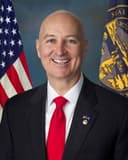
SPONSORSHIP
1 + 1
R· Nebraska
YRS IN OFFICE
3
BILLS LED
67
COSPONSOR BREAKDOWNBIPARTISAN · 0%
DEM 1 REP 0 IND 0
ACTION TIMELINE
2 EVENTSDEC 11
Introduced in Senate
DEC 11
Read twice and referred to the Committee on Health, Education, Labor, and Pensions.
BILL INFO
TypeSenate Bill
NumberS 3431
Congress119th
StatusIn Committee
IntroducedDec 11, 2025
Last actionDec 11, 2025
READER REACTIONS
OVERALL SENTIMENT
No reactions yet. Be the first to weigh in.
Discussion
Loading comments...
IN COMMITTEE· 119TH CONGRESS · HEALTH, EDUCATION, LABOR, AND PENSIONS COMMITTEE · INTRODUCED DEC 11, 2025
Senate BillS 3431Congressional oversightAdvisory bodies
Improving Measurements for Loneliness and Isolation Act of 2025
INTRODUCED DEC 11, 2025· LAST ACTION DEC 11, 2025
PASSAGE CHANCES
—%
READING
4 min
COSPONSORS
1
COMPLEXITY
Moderate