Bills · S 3322
IN COMMITTEE· 119TH CONGRESS
Senate BillS 3322Immigrant health and welfareDetention of persons
Upholding Protections for Unaccompanied Children Act of 2025
INTRO DEC 3· LAST ACTION JAN 7
READING
5MIN
COSPONSORS
21
READER REACTIONS0 TOTAL
NO VOTES YET · BE THE FIRST
- Introduced only
LEGISLATIVE PROGRESS
STEP 2 / 8Introduced
In Committee
Reported
Passed Senate
Passed House
Conference
To President
Became Law
WHAT THE BILL DOES
AI-writtenThis bill matters because it directly impacts the lives and legal processes of some of the most vulnerable people in the U.S. immigration system: children who arrive without parents. By removing fees, it addresses a significant financial barrier that could prevent these children from accessing legal protection, work authorization, or even appearing in court, as many lack personal funds. This could mean the difference between a child being able to apply for asylum or other legal protections versus facing deportation without due process.
Furthermore, limiting body examinations and restricting how sponsor information is shared could increase trust and safety for these children. Concerns exist that certain exams might be invasive or misused, and that sponsors fear providing care if their information could lead to immigration enforcement actions against themselves or other family members. If this bill becomes law, it could lead to more unaccompanied children having safe placements and greater access to legal aid; if it doesn't, the current fees and information-sharing practices would continue, potentially maintaining barriers and risks for this population.
KEY PROVISIONS
5AI-extractedPROVISION 01
Exempts unaccompanied children from numerous immigration fees, including those for asylum applications, employment authorization documents, and immigration court proceedings.
This provision removes significant financial barriers for vulnerable children seeking legal status and the ability to work, potentially making their legal process more accessible.
PROVISION 02
Repeals the fee for Special Immigrant Juvenile Status applications and clarifies that no such fee can be imposed.
This ensures that children seeking protection due to abuse, neglect, or abandonment are not financially burdened when pursuing this critical legal pathway.
PROVISION 03
Removes provisions allowing certain body examinations of unaccompanied children by the Office of Refugee Resettlement and the Department of Homeland Security.
This aims to prevent potentially intrusive or harmful examinations and enhance the physical privacy and well-being of these children.
PROVISION 04
Prohibits the Department of Health and Human Services from sharing sponsor information with immigration enforcement agencies for immigration enforcement purposes.
This seeks to build trust and encourage more adults to safely sponsor unaccompanied children without fear of their own immigration status being targeted.
PROVISION 05
Requires the government to refund fees previously paid by or on behalf of unaccompanied children for services that are now made free by this Act.
This ensures that those who previously paid these fees are reimbursed, providing financial relief to the affected individuals or entities.
SPONSORSHIP
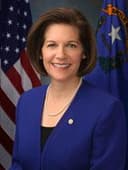
1 + 21
D· Nevada
YRS IN OFFICE
9
BILLS LED
122
COSPONSOR BREAKDOWNBIPARTISAN · 0%
DEM 19 REP 0 IND 2
ACTION TIMELINE
3 EVENTSJAN 7
Star Print ordered on the bill.
DEC 3
Introduced in Senate
DEC 3
Read twice and referred to the Committee on the Judiciary.
BILL INFO
TypeSenate Bill
NumberS 3322
Congress119th
StatusIn Committee
IntroducedDec 3, 2025
Last actionJan 7, 2026
READER REACTIONS
OVERALL SENTIMENT
No reactions yet. Be the first to weigh in.
Discussion
Loading comments...
IN COMMITTEE· 119TH CONGRESS · JUDICIARY COMMITTEE · INTRODUCED DEC 3, 2025
Senate BillS 3322Immigrant health and welfareDetention of persons
Upholding Protections for Unaccompanied Children Act of 2025
INTRODUCED DEC 3, 2025· LAST ACTION JAN 7, 2026
PASSAGE CHANCES
—%
READING
5 min
COSPONSORS
21
COMPLEXITY
Moderate